

CCA Practice Test
Updated September 2026The Certified Clinical Anaplastologist (CCA) certification is a professional designation for practitioners specializing in the field of anaplastology, focusing on creating custom prosthetic devices for individuals with physical disfigurements. The certification ensures that professionals have the necessary knowledge, skills, and ethical grounding to provide safe and effective care to patients. Administered by the Board for Certification in Clinical Anaplastology (BCCA), the CCA certification is recognized as a symbol of excellence within this specialized area of healthcare.
CCA Practice Test Questions
Prepare for the CCA - Certified Clinical Anaplastologist exam with our free practice test modules. Each quiz covers key topics to help you pass on your first try.
CCA Adhesives & Retention Systems
CCA Exam Questions covering Adhesives & Retention Systems. Master CCA Test concepts for certification prep.
CCA Auricular & Nasal Reconstruction
Free CCA Practice Test featuring Auricular & Nasal Reconstruction. Improve your CCA Exam score with mock test prep.
CCA Infection Control & Sterilization
CCA Mock Exam on CCA Infection Control & Sterilization. CCA Study Guide questions to pass on your first try.
CCA Prosthetic Maintenance & Repair
CCA Test Prep for CCA Prosthetic Maintenance & Repair. Practice CCA Quiz questions and boost your score.
CCA Clinical Evaluation & Treatment Planning
CCA Questions and Answers on Clinical Evaluation & Treatment Planning. Free CCA practice for exam readiness.
CCA Craniofacial Anatomy & Landmarks
CCA Mock Test covering Craniofacial Anatomy & Landmarks. Online CCA Test practice with instant feedback.
CCA Facial Prosthetics Design & Fabrication
Free CCA Quiz on Facial Prosthetics Design & Fabrication. CCA Exam prep questions with detailed explanations.
CCA Implant-Retained Prosthetics
CCA Practice Questions for Implant-Retained Prosthetics. Build confidence for your CCA certification exam.
CCA Impression Techniques & Molding
CCA Test Online for Impression Techniques & Molding. Free practice with instant results and feedback.
CCA Ocular Prosthetics
CCA Study Material on Ocular Prosthetics. Prepare effectively with real exam-style questions.
CCA Patient Care & Ethical Practice
Free CCA Test covering Patient Care & Ethical Practice. Practice and track your CCA exam readiness.
CCA Patient Psychology & Counseling
CCA Exam Questions covering Patient Psychology & Counseling. Master CCA Test concepts for certification prep.
CCA Prosthetic Fabrication & Fitting
Free CCA Practice Test featuring Prosthetic Fabrication & Fitting. Improve your CCA Exam score with mock test prep.
Key Takeaways
Free Clinical Anaplastologist Practice Test Online
- The CCA (Certified Clinical Anaplastologist) certification is essential for professionals in the field of clinical anaplastology.
- Proper training, thorough study, and understanding of exam topics are crucial to passing the CCA test.
- Certified Clinical Anaplastologists have various job opportunities in healthcare, offering vital support to patients requiring custom prosthetic solutions.
Understanding the CCA Certification
The CCA certification validates a candidate’s proficiency in various areas related to clinical anaplastology. It encompasses topics like anatomy, medical ethics, prosthetic device fabrication, patient care, and materials science. This certification enables professionals to demonstrate their commitment to maintaining the highest standards of patient safety and care.
- Those with a background in art, biology, or healthcare.
- Individuals with a deep interest in helping patients improve their quality of life through prosthetic solutions.
- Professionals looking to advance their careers in clinical anaplastology.
Why is the CCA Certification Important?
- The certification enhances credibility and can open doors to specialized job roles in healthcare.
- Employers value certified professionals who are up-to-date with current standards in patient care and prosthetic technology.
- ✓Review the official CCA exam content outline
- ✓Take a diagnostic practice test to identify weak areas
- ✓Create a study schedule (4-8 weeks recommended)
- ✓Focus on your weakest domains first
- ✓Complete at least 3 full-length practice exams
- ✓Review all incorrect answers with detailed explanations
- ✓Take a final practice test 1 week before exam day
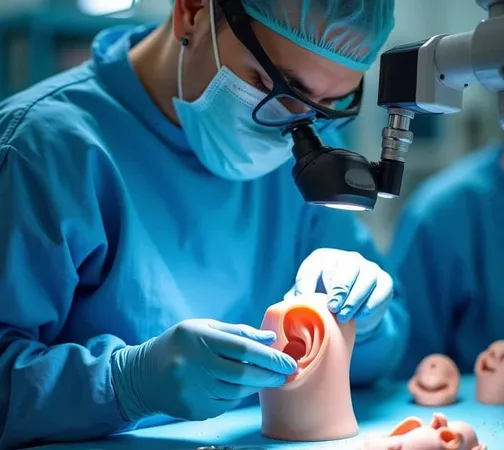
Preparing for the CCA Exam: Study Guide and Resources
The CCA exam assesses candidates’ understanding of foundational and applied concepts in clinical anaplastology. To succeed, a structured study plan and access to reliable resources are essential. Here’s how to create an effective study guide:
Exam Content Outline
- Familiarize yourself with the official content outline provided by the BCCA. This document details the key areas of focus on the CCA test, including patient assessment, ethical practice, anatomical knowledge, and prosthesis design.
Study Materials
- Textbooks covering topics like head and neck anatomy, prosthetics design, and materials science are invaluable. Resources like the Handbook of Facial Prosthetics and medical journals focusing on anaplastology and maxillofacial prosthetics can be beneficial.
Practice Tests
- Taking practice tests helps simulate the exam environment and improves time management. Many anaplastology associations offer sample questions or practice tests online, which can help identify areas where further study is needed.
Online Courses and Workshops
- There are online courses available through academic institutions or professional organizations that cover essential topics in clinical anaplastology. Hands-on workshops, when available, are also an excellent way to gain practical experience.
CCA Training Options
Training for the CCA certification involves both theoretical and practical learning. Many certified clinical anaplastologists hold degrees in fields such as biology, art, or medical science. Training in clinical anaplastology generally includes coursework in anatomy, physiology, materials science, and hands-on experience in prosthetic fabrication. Here are the most common training paths:
University Programs and Certificates
- Some universities offer specialized certificate programs or advanced degrees that align with the skills needed for the CCA certification. Programs in medical illustration, prosthetic design, or biomedical engineering can be beneficial.
Internships and Apprenticeships
- Many prospective anaplastologists gain valuable skills through internships or apprenticeships with certified clinical anaplastologists. This type of hands-on experience is crucial, as it allows candidates to work directly with patients and create custom prosthetic devices.
Continuing Education
- The BCCA and other organizations periodically offer workshops, seminars, and online training sessions that provide continuing education credits. Staying current with new developments in the field is essential for maintaining certification and improving patient outcomes.
Job Opportunities for Certified Clinical Anaplastologists
Once certified, clinical anaplastologists have a range of employment options in healthcare facilities, private practices, or research institutions. Their work is essential in helping patients with congenital conditions, trauma, or surgical defects achieve a sense of normalcy and improved quality of life.
Hospitals and Rehabilitation Centers
- Clinical anaplastologists often work in hospitals, collaborating with surgeons and other healthcare professionals to provide prosthetic solutions for patients undergoing rehabilitation.
Private Prosthetic Clinics
- Many anaplastologists operate or work in private practices specializing in facial or body prosthetics. These clinics typically offer custom solutions tailored to each patient’s unique needs.
Research and Development
- Certified clinical anaplastologists may also contribute to advancements in prosthetic design by working in research and development. This can involve creating new materials or techniques that improve the durability and comfort of prosthetic devices.

Tips for Passing the CCA Test
Preparation for the CCA test involves both academic study and practical experience. Here are some tips to enhance your chances of success:
Develop a Study Schedule
- Set a study schedule that covers each area of the test content outline. Consistent daily study is more effective than cramming, particularly for a technical certification like the CCA.
Focus on Practical Skills
- In addition to textbook knowledge, practical skills in prosthesis fabrication are essential. Try to gain hands-on experience whenever possible.
Join Study Groups or Forums
- Connecting with others preparing for the CCA can be beneficial. Study groups provide an opportunity to review difficult topics and learn from peers.
Conclusion
The CCA certification represents a high standard of competence and professionalism in clinical anaplastology. By investing time in rigorous study, practical training, and hands-on experience, candidates can prepare for the CCA test and enhance their ability to provide life-changing services to their patients. As a certified clinical anaplastologist, you can look forward to a rewarding career dedicated to restoring patients’ confidence and improving their quality of life.

CCA: Pros and Cons
- +CCA certification validates expertise recognized by employers nationwide
- +Certified professionals typically earn 15-20% higher salaries
- +Opens doors to advanced positions and leadership roles
- +Demonstrates commitment to professional standards and ethics
- +Builds a strong professional network through certification communities
- −Exam preparation typically requires 2-4 months of dedicated study
- −Certification and exam fees can range from $150-$500+
- −Must complete continuing education to maintain active certification
- −Pass rates vary — thorough preparation is essential for success
- −Some certifications require prerequisite experience or education
About the Author

Certified Professional Development Expert & Niche Certification Advisor
University of Pennsylvania Graduate School of EducationDr. Alexandra Kim holds a PhD in Professional Studies from the University of Pennsylvania and is a Certified Professional in Learning and Performance (CPLP) and Certified Professional in Talent Development (CPTD). With 17 years of corporate training and professional certification advisory experience, she helps professionals navigate specialized, emerging, and cross-industry certification programs.