

CMT Practice Test
Updated for September 2026A Certified Cardiac Monitor Technician (CMT) plays a crucial role in healthcare settings by ensuring the accurate monitoring and analysis of heart activity. Their expertise in operating electrocardiogram (ECG) machines, interpreting heart rhythms, and assisting healthcare professionals is essential for patient care. With the growing demand for healthcare services, especially in cardiology, becoming a Certified Cardiac Monitor Technician can offer a rewarding career with competitive salaries and significant job opportunities. In this comprehensive guide, we’ll explore the salary expectations, job responsibilities, training, and steps to becoming a certified CMT.
CMT Practice Test Questions
Prepare for the CMT - Certified Cardiac Monitor Technician exam with our free practice test modules. Each quiz covers key topics to help you pass on your first try.
CMT Cardiac Anatomy and Physiology
CMT Exam Questions covering Cardiac Anatomy and Physiology. Master CMT Test concepts for certification prep.
CMT Cardiac Dysrhythmias and Arrhythmias
Free CMT Practice Test featuring Cardiac Dysrhythmias and Arrhythmias. Improve your CMT Exam score with mock test prep.
CMT Emergency Response and ACLS Protocols
CMT Mock Exam on CMT Emergency Response and ACLS Protocols. CMT Study Guide questions to pass on your first try.
CMT Pharmacology and Cardiac Medications
CMT Test Prep for CMT Pharmacology and Cardiac Medications. Practice CMT Quiz questions and boost your score.
CMT Communication & Interprofessional Coll...
CMT Questions and Answers on Communication & Interprofessional Collaboration. Free CMT practice for exam readiness.
CMT Evidence-Based Practice & Research Met...
CMT Mock Test covering Evidence-Based Practice & Research Methods. Online CMT Test practice with instant feedback.
CMT Monitoring Techniques and Equipment
Free CMT Quiz on Monitoring Techniques and Equipment. CMT Exam prep questions with detailed explanations.
CMT Pacemaker Monitoring and Function
CMT Practice Questions for Pacemaker Monitoring and Function. Build confidence for your CMT certification exam.
CMT Patient Care and Safety
CMT Test Online for Patient Care and Safety. Free practice with instant results and feedback.
Key Takeaways
Free Cardiac Monitor Technician Practice Test Online
A Certified Cardiac Monitor Technician is an essential part of the healthcare system, specializing in monitoring heart activity to support patient care.
Salary expectations for CMTs range widely, with entry-level positions earning around $35,000 and experienced technicians earning upwards of $80,000 annually.
The job outlook for cardiac monitor technicians is promising due to the rising incidence of heart disease and an increasing need for qualified professionals in the field.
Training typically includes formal education, hands-on experience, and certification. It is crucial to complete a recognized program that provides both theoretical knowledge and practical skills.
Certification from organizations such as the Cardiovascular Credentialing International can enhance job prospects and earning potential.
How to Become a Certified Cardiac Monitor Technician
Becoming a Certified Cardiac Monitor Technician involves a few critical steps, starting with education and ending with certification. The process is relatively straightforward, but it requires dedication to mastering ECG monitoring skills. Here’s a step-by-step guide:
-
Step 1: Obtain a High School Diploma or GED
The first requirement for pursuing this career is a high school diploma or equivalent. A strong foundation in biology, anatomy, and physiology will be beneficial. -
Step 2: Complete a Training Program
A formal training program is the next step. These programs typically take between 6 months to a year and provide hands-on experience with ECG machines and monitoring systems. You’ll learn how to recognize heart rhythms, analyze data, and understand medical terminology.
Step 3: Obtain Certification
Although certification is not always mandatory, it is highly recommended for job prospects. The Certified Cardiographic Technician (CCT) and Certified Electrocardiogram (ECG) Technician certifications, offered by the Cardiovascular Credentialing International (CCI), are popular choices. These certifications require passing an exam that tests knowledge and skills related to cardiac monitoring.
Step 4: Gain Experience
Working in entry-level positions, such as a cardiovascular technician or an ECG monitor assistant, will help you gain the necessary experience to become proficient in monitoring heart rhythms and interpreting data.
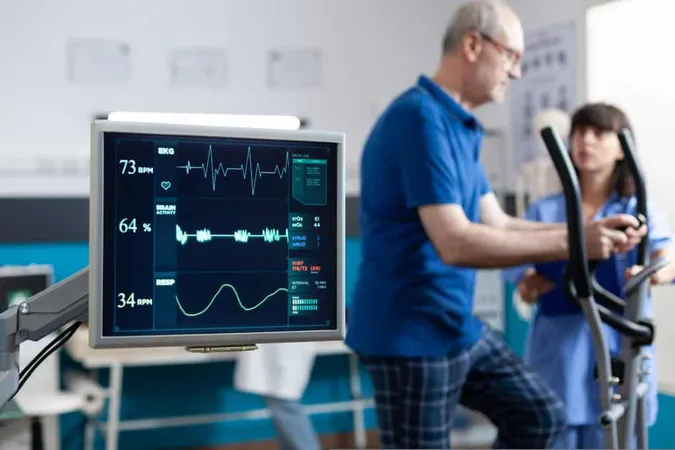
Certified Cardiac Monitor Technician Program Overview
The Certified Cardiac Monitor Technician program equips candidates with the skills necessary to monitor and analyze heart rhythms effectively. Many training programs include the following components:
ECG Analysis: Students learn to identify normal and abnormal heart rhythms, including atrial fibrillation, bradycardia, and tachycardia.
Monitoring Equipment: Training focuses on the proper use of ECG machines, including how to set up the equipment, take measurements, and troubleshoot common issues.
Patient Care: Although CMTs are primarily responsible for monitoring heart activity, they also play a role in patient care by ensuring the patient is comfortable and that equipment is working properly.
Upon completing a CMT program, candidates are well-prepared to sit for certification exams, which are often required for advancement in the field.
Career Opportunities for Cardiac Monitor Technicians
Cardiac Monitor Technicians are in high demand due to the increasing need for heart disease management. These professionals typically work in hospitals, clinics, and cardiology offices, providing real-time data to physicians regarding the heart rhythms of patients. Here’s a look at the most common career paths and job opportunities available:
Hospital Settings: CMTs are essential members of the medical team, working in intensive care units (ICU), emergency departments, and cardiac units, where they monitor patients with heart conditions.
Outpatient Clinics: Many CMTs find work in outpatient care facilities, where they assist with routine monitoring for patients with known heart issues.
Telemedicine: With the rise of telemedicine, some CMTs work remotely, analyzing ECG results sent from home-monitoring devices.
Specialized Cardiovascular Centers: Working in dedicated heart centers allows CMTs to be a part of high-end cardiac care, focusing on diagnostics and patient management.
The growing prevalence of cardiovascular diseases will continue to generate a need for qualified Cardiac Monitor Technicians, ensuring a positive job outlook.
Cardiac Monitor Technician Training
Training for a career as a Cardiac Monitor Technician is comprehensive and typically involves both classroom instruction and practical, hands-on learning. These programs are designed to prepare you for the challenges of working in a fast-paced healthcare environment.
Academic Requirements: Most CMT training programs require candidates to have a high school diploma and a basic understanding of anatomy and medical terminology.
Clinical Experience: Many programs offer clinical rotations in hospitals or outpatient centers where students can practice their skills under supervision.
Coursework: The training curriculum includes subjects such as:
Cardiology basics
ECG interpretation
Patient monitoring techniques
Medical ethics and confidentiality
By the end of the training program, graduates should feel confident in their ability to operate cardiac monitoring equipment and interpret results accurately.
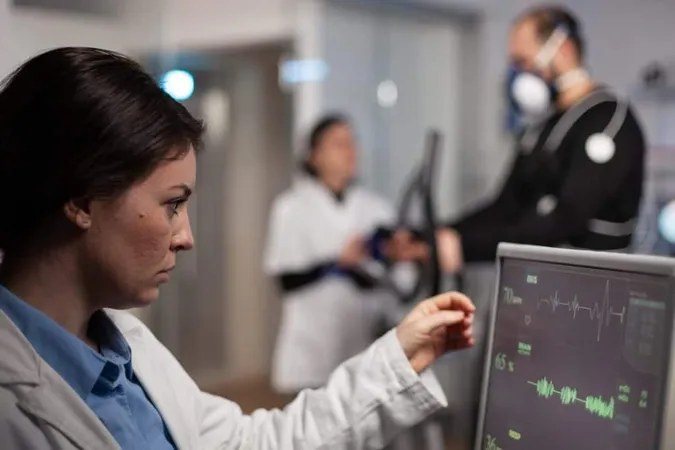
Cardiac Monitor Technician Salary Expectations
The salary of a Cardiac Monitor Technician can vary depending on several factors, including experience, education, and location. On average, a CMT can expect to earn a competitive salary in the healthcare industry. According to the U.S. Bureau of Labor Statistics, the median annual wage for cardiovascular technologists and technicians, a category that includes CMTs, is typically between $56,000 and $78,000.
Entry-level salaries range from $35,000 to $50,000 annually.
Mid-career professionals can earn between $50,000 and $70,000.
Experienced CMTs in specialized cardiology clinics or hospitals can command salaries over $80,000.
Salaries can also differ based on the region, with some cities and states offering higher wages due to a higher cost of living or a greater demand for healthcare services.
Conclusion
The role of a Certified Cardiac Monitor Technician is integral to the healthcare industry, especially in hospitals and clinics. With a growing demand for skilled technicians and the critical nature of heart monitoring, this career offers both stability and opportunity. Through the right training and certification, aspiring CMTs can embark on a fulfilling career helping save lives through advanced cardiac care.
CMT: Pros and Cons
- +cmt test — cMT certification validates expertise recognized by employers nationwide
- +Certified professionals typically earn 15-20% higher salaries
- +Opens doors to advanced positions and leadership roles
- +Demonstrates commitment to professional standards and ethics
- +Builds a strong professional network through certification communities
- −Exam preparation typically requires 2-4 months of dedicated study
- −Certification and exam fees can range from $150-$500+
- −Must complete continuing education to maintain active certification
- −Pass rates vary — thorough preparation is essential for success
- −Some certifications require prerequisite experience or education
(CMT) Certified Cardiac Monitor Technician Questions and Answers
About the Author

Certified Professional Development Expert & Niche Certification Advisor
University of Pennsylvania Graduate School of EducationDr. Alexandra Kim holds a PhD in Professional Studies from the University of Pennsylvania and is a Certified Professional in Learning and Performance (CPLP) and Certified Professional in Talent Development (CPTD). With 17 years of corporate training and professional certification advisory experience, she helps professionals navigate specialized, emerging, and cross-industry certification programs.