
CDL Class B License: Straight Trucks, Buses, and Heavy Delivery Vehicles 2026
💡 Pass your CDL Class B License: Straight Trucks, exam on the first attempt. Practice questions with detailed answer explanations, hints, and instant
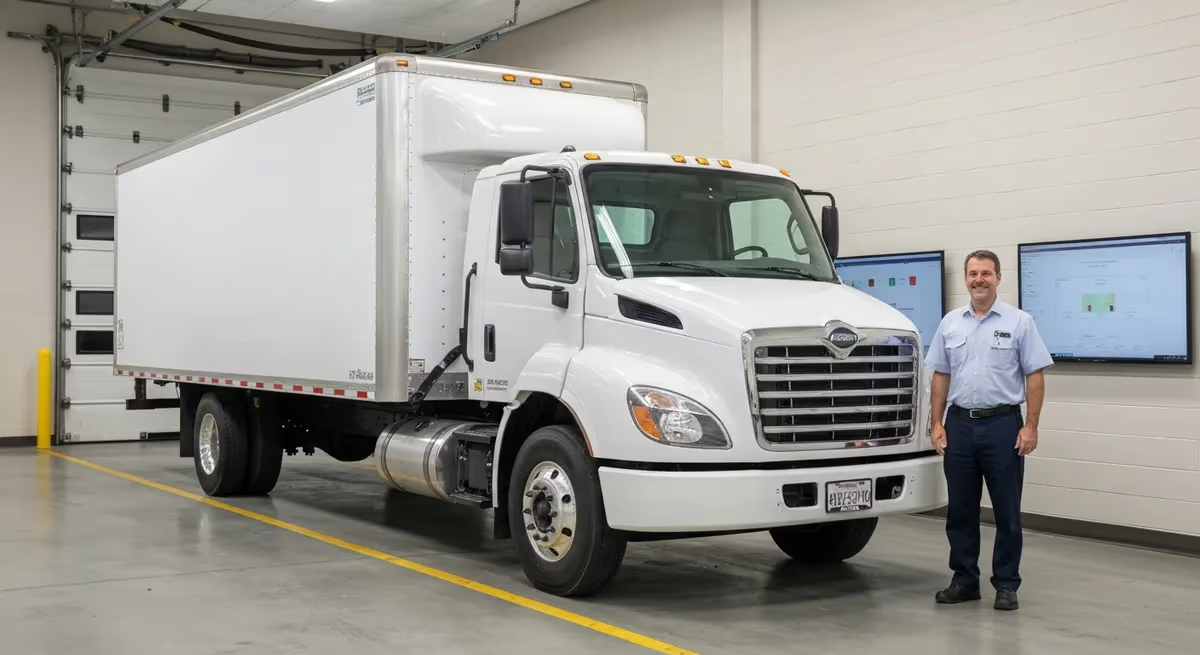
Getting a CDL class B license opens doors most people don't even know exist. Straight trucks, city buses, segmented buses, box trucks, dump trucks with small trailers -- these vehicles all fall under the Class B umbrella, and they're the backbone of local delivery and public transit across every state. If the vehicle has a gross vehicle weight rating over 26,001 pounds and you're not towing anything heavier than 10,000 pounds, you're in Class B territory.
Here's what catches most new drivers off guard. The CDL class B CDL isn't just one test -- it's a written knowledge exam plus a skills test with three parts: pre-trip inspection, basic vehicle control, and an on-road driving segment. Each state administers these through its own DMV or motor vehicle division, and the passing scores vary slightly. You'll need a commercial learner's permit first, which means passing the general knowledge written test before you ever touch the steering wheel of a commercial vehicle.
What about the other license classes? A class a cdl covers combination vehicles -- think tractor-trailers and heavy tow rigs where the trailer exceeds 10,000 pounds GVWR. Class A holders can also drive any Class B vehicle, which makes it the more versatile option if you're planning a long career in trucking. Then there's the non CDL class c category, covering vehicles that carry 16+ passengers or haul hazardous materials but weigh under 26,001 pounds. Three distinct tiers, three different career tracks.
The demand for Class B drivers hasn't slowed down. Municipal transit systems, school districts, concrete companies, and waste management operations all need CDL Class B holders -- and many of these employers offer paid training programs because they can't fill seats fast enough. That's not a recruitment pitch. That's the Bureau of Labor Statistics projecting 6% job growth for heavy and tractor-trailer truck drivers through 2032, with bus drivers seeing even stronger demand in urban areas.
So where do you start? Right here. This guide breaks down everything from training timelines and certification steps to salary expectations and job markets -- all specific to the Class B commercial driver's license.
You can continue preparing with the printable cdl practice test, which includes answer explanations for every question.
- To pass each Commercial Driver's License (CDL) knowledge test, an applicant must correctly answer at least 80 percent of the questions. (ecfr.gov)
- The TSA fee for a new or renewing Hazardous Materials Endorsement (HME) threat assessment is $85.25, effective January 1, 2025. (tsa.gov)
- The TSA fee for a new or renewing Hazardous Materials Endorsement (HME) threat assessment is reduced to $41.00 for applicants who already hold a valid TWIC card. (tsa.gov)
- A state must use a different version of the test when a Commercial Driver's License applicant retakes a previously failed knowledge test. (ecfr.gov)
- A commercial learner's permit (CLP) is valid for no more than one year from its initial issue date unless the holder retakes the general and endorsement knowledge tests. (ecfr.gov)
- CDL knowledge tests may be given in written form, verbally or in automated format, and in a foreign language as long as no interpreter is used. (ecfr.gov)
- A commercial learner's permit holder must be at least 18 years old and cannot take the CDL skills test in the first 14 days after the permit is first issued. (ecfr.gov)
Facts verified Oct 18, 2026 against Federal Motor Carrier Safety Administration (FMCSA), U.S. DOT; tests administered by each state driver licensing agency. Dates that have passed are removed automatically.
CDL Exam at a Glance
| Item | Detail | Official source |
|---|---|---|
| Passing score | 80% on each knowledge test | ecfr.gov |
| Exam fee (Hazmat endorsement (TSA threat assessment)) | $85.25 | tsa.gov |
| Exam fee (Hazmat endorsement, TWIC holder) | $41.00 reduced rate | tsa.gov |
| Retake policy | Retake must use a different test version | ecfr.gov |
| Validity (Commercial learner's permit) | Max 1 year from initial issuance without retesting | ecfr.gov |
| Delivery | Written, verbal or computer; foreign language allowed, no interpreter | ecfr.gov |
| Eligibility (Commercial learner's permit) | Age 18+; 14-day wait before the skills test | ecfr.gov |
Facts verified Oct 18, 2026 against Federal Motor Carrier Safety Administration (FMCSA), U.S. DOT; tests administered by each state driver licensing agency. Dates that have passed are removed automatically.
The difference between a non CDL class c license and a class B CDL comes down to vehicle weight and what you're legally allowed to operate. Non-CDL Class C covers lighter commercial vehicles -- passenger vans carrying 16 or more people, small hazmat loads, school activity buses -- but you won't be driving anything over 26,000 pounds GVWR. A class b cdl removes that ceiling and puts you behind the wheel of substantially larger equipment.
Why does this matter for your wallet? Because the pay gap is real. Class B CDL holders earn a median salary of $48,310 annually according to BLS data, while non-CDL commercial drivers typically earn 15-25% less for comparable hours. The endorsement structure also favors Class B -- adding a passenger (P) endorsement or school bus (S) endorsement to your Class B license creates instant qualification for transit and school bus positions that non-CDL drivers simply can't access.
Finding class b cdl jobs isn't the hard part -- keeping up with the demand is. Waste management companies like Republic Services and Waste Management Inc. run perpetual hiring cycles for CDL Class B drivers. Municipal transit authorities in cities from Phoenix to Philadelphia can't fill routes fast enough. Concrete mixer operators, fuel tanker drivers, and delivery fleet managers all compete for the same pool of licensed drivers.
The training investment pays itself back quickly. Most CDL Class B programs run 4-8 weeks and cost between $1,500 and $5,000 -- but employer-sponsored programs often cover the full cost in exchange for a 1-2 year employment commitment. That's effectively free training with a guaranteed job waiting at the end. Community colleges and vocational schools also offer financial aid for CDL programs in most states.
The job market for Class B drivers looks different depending on where you live -- and that's actually good news for most people. Urban areas need transit and delivery drivers. Suburban zones need school bus and waste management operators. Rural regions need concrete, fuel, and agricultural haulers. The non-cdl class c option handles lighter passenger vehicles, sure, but it locks you out of the higher-paying heavy equipment positions that dominate class b cdl jobs near me searches in every state.
Class b cdl jobs span a wider range than most people realize. Here's a partial list: city bus driver, intercity coach operator, school bus driver, dump truck operator, concrete mixer driver, delivery truck driver (think UPS, FedEx Ground, Sysco), fuel tanker driver, mobile crane operator, and segment bus driver. Each of these roles has different endorsement requirements -- a tanker (N) endorsement for fuel, a passenger (P) endorsement for buses, a hazmat (H) endorsement for dangerous goods.
Endorsements matter more than the base license in many hiring decisions. A Class B CDL with P and S endorsements makes you immediately hireable by any school district in the country. Add an air brakes restriction removal and you're qualified for virtually every Class B vehicle on the road. Most training programs build these endorsements into the curriculum, so you're not paying extra -- you're just studying for additional written tests at the DMV.
Remote and rural areas often offer signing bonuses or relocation assistance for CDL Class B drivers because the supply-demand imbalance hits hardest where fewer people live. Wyoming, Montana, and the Dakotas regularly post CDL B positions with $5,000-$10,000 signing bonuses. Even mid-size cities like Boise, Reno, and Knoxville struggle to fill routes. The shortage is structural, not cyclical -- an aging workforce retires faster than new drivers enter.
CDL Class B Training and Requirements
Age: Must be at least 18 for intrastate (within your state) or 21 for interstate (crossing state lines) commercial driving.
Medical card: DOT physical exam from a certified medical examiner — valid for 2 years, must be on file with your state DMV.
Driving record: No DUI/DWI in the past 5 years. No more than one serious traffic violation in the past 3 years. No license suspensions currently active.
Background: Some employers run additional background checks beyond the DMV requirements, especially for school bus and hazmat positions.
If you already hold a cdl class a license, you can legally operate any Class B vehicle without additional testing -- that's built into the federal tiered licensing structure. But here's the thing most career advisors won't tell you: starting with Class B and upgrading to Class A later is often the smarter financial move. You get working and earning income in 4-6 weeks instead of the 8-16 weeks that most Class A programs require. Then you upgrade on your employer's dime once you've built road experience.
Class b cdl training programs vary wildly in quality, and price doesn't always correlate with outcomes. A $4,500 private school might put you through 120 hours of combined classroom and behind-the-wheel time. A $1,800 community college program might offer 160 hours. The key metric isn't cost -- it's the student pass rate on the CDL skills test. Ask every program for their first-attempt pass rate before you enroll. Anything below 75% is a red flag.
The FMCSA's Entry-Level Driver Training (ELDT) requirement changed everything in 2022. Before that mandate, some states let you test for a CDL with zero formal training -- just study the manual and show up. Now every first-time CDL applicant must complete theory and behind-the-wheel instruction from a registered training provider. That's non-negotiable. The upside? Training quality has improved measurably since the rule took effect, and first-attempt pass rates have climbed nationally.
Behind-the-wheel hours matter more than classroom hours for test readiness. Aim for at least 40 hours of actual driving time during your training program. Programs that front-load classroom instruction and compress driving into the final week produce lower pass rates -- the muscle memory hasn't set in yet. The best programs alternate: classroom in the morning, driving in the afternoon, five days a week. Your hands need to learn the vehicle before your brain can execute the test maneuvers under pressure.
The class b cdl certification process follows a predictable sequence, but the timeline depends on your state and your training program. Step one: get your DOT medical card from a certified medical examiner. Step two: study for and pass the general knowledge written test at your DMV to receive your Commercial Learner's Permit (CLP). Step three: complete ELDT-approved training. Step four: schedule and pass the three-part skills test. Most people finish this entire sequence in 6-10 weeks.
Your cdl class b is valid for the vehicle class printed on your license -- but endorsements are what really define your job options. The base Class B license without endorsements limits you to straight trucks and non-passenger vehicles without air brakes (if you tested without them). Adding endorsements is straightforward: pass the relevant written test at the DMV, and for some endorsements like hazmat, complete a TSA background check. No additional driving test required for most endorsements.
Renewal works differently than your regular driver's license. CDL holders must submit a new medical certificate every two years (or more frequently if your medical examiner specifies a shorter interval). The license itself typically renews every 4-8 years depending on your state. If you let your medical card lapse, your CDL goes into "not-certified" status and you can't legally drive commercial vehicles -- even though the physical license card hasn't expired.
One thing that trips people up: the CDL disqualification rules are stricter than regular license rules. A single serious traffic violation (speeding 15+ mph over the limit in a commercial vehicle, improper lane change, following too closely) triggers a 60-day disqualification. Two serious violations within three years? That's 120 days. A DUI in any vehicle -- personal car included -- means a one-year CDL disqualification. Know these rules before you start driving.
Pros and Cons of a Class B CDL
- +Shorter training time (4-8 weeks) compared to Class A programs (8-16 weeks)
- +Lower training costs -- many programs under $3,000 or fully employer-sponsored
- +Local routes mean you're home every night instead of spending weeks on the road
- +Strong job security with 6% projected growth and chronic driver shortages
- +Multiple career paths: transit, school bus, delivery, construction, waste management
- +Endorsement stacking lets you qualify for higher-paying specialized positions
- −Lower earning ceiling than Class A -- median $48K vs $54K for tractor-trailer drivers
- −Physical demands: loading/unloading, vehicle inspections in all weather conditions
- −DOT medical requirements disqualify some drivers with certain health conditions
- −Strict disqualification rules -- even personal vehicle DUI suspends your CDL
- −Early morning or split-shift schedules are common for bus and delivery positions
- −Limited advancement without upgrading to Class A for long-haul or specialized rigs
Searching for class b cdl jobs near me returns different results depending on your metro area, but the pattern holds everywhere: there are more openings than qualified drivers. The cdl class shortage has been building for over a decade, accelerated by retirements, tighter medical screening, and the post-2022 ELDT training requirement that slowed the pipeline of new CDL holders. For job seekers, this imbalance is use.
Salary varies by industry more than geography in many cases. Transit bus drivers in mid-size cities earn $40,000-$55,000. School bus drivers range from $32,000-$48,000 depending on district and state. Waste management drivers consistently rank among the highest-paid Class B positions at $45,000-$65,000 -- the early hours and physical demands justify the premium. Concrete mixer and dump truck operators in construction earn $50,000-$70,000 in states with year-round building seasons.
Benefits packages often matter more than base salary for Class B positions. Municipal employers (transit systems, school districts) typically offer pension plans, health insurance, and paid time off that private-sector employers can't match dollar-for-dollar. A school bus driver earning $42,000 with a state pension and summers off might come out ahead of a delivery driver earning $52,000 with no retirement match and mandatory overtime during peak seasons.
Here's what the job boards won't tell you: direct applications beat online listings for CDL B jobs. Walk into the terminal, the bus depot, the waste management yard. Ask for the hiring manager. Most CDL B employers hire on rolling schedules and fill positions from walk-in applicants before they ever post online. Indeed and ZipRecruiter show you the leftovers -- the positions nobody filled through word-of-mouth and direct outreach.
Class B CDL Application Checklist
- ✓Verify you meet minimum age requirements (18 intrastate, 21 interstate)
- ✓Schedule and complete your DOT physical examination with a certified medical examiner
- ✓Gather required documents: valid driver's license, Social Security card, proof of residency
- ✓Study the CDL manual for general knowledge and any endorsement-specific sections
- ✓Pass the general knowledge written test at your DMV to obtain your CLP
- ✓Enroll in an FMCSA-registered ELDT training program
- ✓Complete all required classroom and behind-the-wheel training hours
- ✓Schedule your CDL skills test appointment at an approved testing location
- ✓Pass all three skills test segments: pre-trip, basic control, and road test
- ✓Apply for any additional endorsements (P, S, N, H) by passing their written tests
A non cdl class c license covers a specific niche that confuses a lot of people. It's not a "lesser" CDL -- it's a completely separate classification for vehicles under 26,001 pounds GVWR that either transport 16+ passengers (including the driver) or carry hazardous materials requiring placards. Think large passenger vans, small shuttle buses, and hazmat delivery vehicles that don't hit the CDL weight threshold.
The non-cdl class c license doesn't require a skills test in most states. You'll pass a written knowledge test covering passenger safety or hazmat protocols (depending on your vehicle type), provide a clean driving record, and possibly complete a state-specific training program. It's faster and cheaper than CDL certification, which is why some drivers start here and upgrade later. But the trade-off is clear: fewer job options, lower pay, and no pathway to the heavy-equipment positions that drive the highest wages in commercial driving.
Some states blur the line between non-CDL Class C and regular Class D licenses. In California, the non-CDL Class C is actually the standard driver's license -- completely different meaning than the federal non-CDL Class C commercial classification. Florida, Texas, and New York each have their own naming conventions. Always check your specific state's DMV website for the classification that matches your intended vehicle type. Don't assume that a "Class C" in one state means the same thing in another.
For career mobility, the upgrade path from non-CDL Class C to CDL Class B makes logical sense. You build experience with commercial vehicles, learn the regulatory environment, and develop the safety mindset before stepping up to heavier equipment. Some employers even prefer this progression -- it shows you didn't rush into a CDL program without understanding the industry. Just know that you'll need to complete full ELDT training when you upgrade, regardless of your non-CDL driving experience.
Looking for a cdl class a practice test? That's a common search from drivers weighing their options between Class A and Class B certification. Here's the real question you should ask first: what do you actually want to drive? If the answer is tractor-trailers, heavy tow vehicles, or flatbed rigs hauling oversized loads across state lines -- you need Class A. If it's city buses, delivery trucks, school buses, dump trucks, or concrete mixers -- Class B is your lane.
The class c cdl classification adds another layer. Federal regulations define Class C CDL as any vehicle that doesn't fit Class A or Class B criteria but either carries 16+ passengers or transports hazardous materials. It's the catch-all category, and it's where you'll find airport shuttle drivers, small hazmat haulers, and certain specialty vehicle operators. The testing is simpler than Class B -- typically just written exams plus endorsement-specific knowledge tests.
Cross-class endorsements create interesting career combinations. A driver with a Class B CDL and a passenger endorsement can drive transit buses. Add a hazmat endorsement and you're qualified for fuel tanker deliveries. Stack a Class A upgrade on top and you've unlocked the entire commercial driving spectrum. Each endorsement is a separate written test at the DMV -- no additional driving test required (except for the Class A upgrade, which requires a new skills test in a combination vehicle).
Test preparation matters more than most people admit. The general knowledge test has a reputation for being easy, but many candidates fail it on their first attempt. You need 80% on each knowledge test to pass. Endorsement tests are harder -- the air brakes test in particular trips up many candidates in some states. Free practice tests online help, but make sure you're using questions based on your state's current CDL manual. The FMCSA updates regulations annually, and practice tests from 2020 may not cover current material.
Since January 2020, all CDL holders and applicants are subject to the FMCSA Drug and Alcohol Clearinghouse. Employers must query this database before hiring any CDL driver, and positive test results, refusals, and return-to-duty records are stored for five years. A single positive drug test can effectively end your CDL career -- most employers won't hire drivers with clearinghouse violations, even after completing a return-to-duty program. Stay clean. There's no workaround.
Wondering about free cdl classes near me? They exist, and they're more common than you'd expect. Many municipal transit authorities offer fully paid CDL B training in exchange for a 1-2 year employment commitment. School districts in driver-shortage areas partner with local CDL schools to cover tuition costs. Workforce development programs funded by state and federal grants provide free CDL training to qualifying applicants -- typically those receiving unemployment benefits, veterans transitioning to civilian careers, or workers displaced by industry changes.
So what is a non cdl class c license in practical terms? It's the commercial driving credential for lighter specialty vehicles. You won't drive a city bus or a dump truck with it, but you can legally operate a 15-passenger van for a hotel shuttle service, drive a small hazmat delivery vehicle, or pilot a large activity bus for a church or community organization. The testing is lighter, the training is shorter, and the pay ceiling is lower. It's a stepping stone, not a destination -- unless that specific niche is exactly where you want to be.
Workforce Innovation and Opportunity Act (WIOA) funding covers CDL training in most states. Visit your local American Job Center (there's one in virtually every county) and ask about CDL training vouchers. Eligibility requirements vary, but if you're unemployed, underemployed, or a veteran, you likely qualify. The paperwork takes 2-3 weeks to process, but a free $3,000-$5,000 training program is worth the wait. Some states also offer CDL-specific grants through their departments of transportation or labor.
Military veterans have additional options. The GI Bill covers CDL training at approved schools. The VA's Veteran Readiness and Employment program (formerly Vocational Rehabilitation) covers CDL training for veterans with service-connected disabilities. And the Troops to Trucks program -- a partnership between the trucking industry and Department of Defense -- provides accelerated pathways for veterans with military driving experience. Your military vehicle operation time may also reduce the behind-the-wheel hours required during civilian CDL training.
CDL Practice Test Questions
Prepare for the CDL - Commercial Driver's License exam with our free practice test modules. Each quiz covers key topics to help you pass on your first try.
CDL Alabama CDL Combination Vehicles Pract...
CDL Exam Questions covering Alabama CDL Combination Vehicles Practice Test. Master CDL Test concepts for certification prep.
CDL Alabama General Knowledge CDL Practice...
CDL Mock Exam on Alabama General Knowledge CDL Practice Test. CDL Study Guide questions to pass on your first try.
CDL Airbrakes Practice Test
CDL Test Prep for Airbrakes Practice Test. Practice CDL Quiz questions and boost your score.
CDL CLASS A COMMERCIAL DRIVER'S LICENSE PR...
CDL Mock Test covering CLASS A COMMERCIAL DRIVER'S LICENSE PRACTICE TEST. Online CDL Test practice with instant feedback.
CDL Hazmat Practice Test
CDL Test Prep for Hazmat Practice Test. Practice CDL Quiz questions and boost your score.
CDL Tanker Practice Test
CDL Test Online for Tanker Practice Test. Free practice with instant results and feedback.
CDL Class A Commercial Driver's License Pr...
CDL Study Material on Class A Commercial Driver's License Practice Test -1. Prepare effectively with real exam-style questions.
If you're researching classes for cdl class a as a next step after your Class B, you're thinking about this correctly. The Class A upgrade requires additional training in combination vehicles -- specifically, coupling and uncoupling trailers, and driving with a loaded trailer attached. Most CDL schools offer a Class A upgrade course that's shorter and cheaper than the full Class A program because you already have your Class B foundation. Expect 2-4 additional weeks of training and $1,000-$3,000 in upgrade costs.
A class a cdl practice test covers material beyond what you studied for Class B. Combination vehicle questions focus on coupling procedures, trailer inspection, jackknife prevention, and off-tracking calculations. The air brakes section is identical -- if you passed it for Class B, you're already covered. General knowledge overlaps significantly, so your Class B study time wasn't wasted. The skills test, however, is entirely new: you'll demonstrate coupling/uncoupling, straight-line backing with a trailer, and offset backing with a full-length combination vehicle.
Career math favors the upgrade for most drivers. Class A median salary runs $54,320 -- about $6,000 more than Class B median. Over a 20-year career, that gap compounds to over $120,000 in additional earnings, not counting the wider selection of employers and routes available to Class A holders. But the quality-of-life trade-off is real. Class A often means over-the-road driving with days or weeks away from home. Class B keeps you local. Only you can decide which matters more.
The best time to upgrade from Class B to Class A is after 6-12 months of commercial driving experience. You'll have road confidence, understand DOT regulations from practice rather than textbooks, and know whether long-haul driving fits your life situation. Employers value this progression because it shows commitment to the profession -- not just someone chasing the highest-paying CDL job they could find. Plus, many Class A employers offer tuition reimbursement for the upgrade if you've already proven yourself as a reliable Class B driver.
CDL Questions and Answers
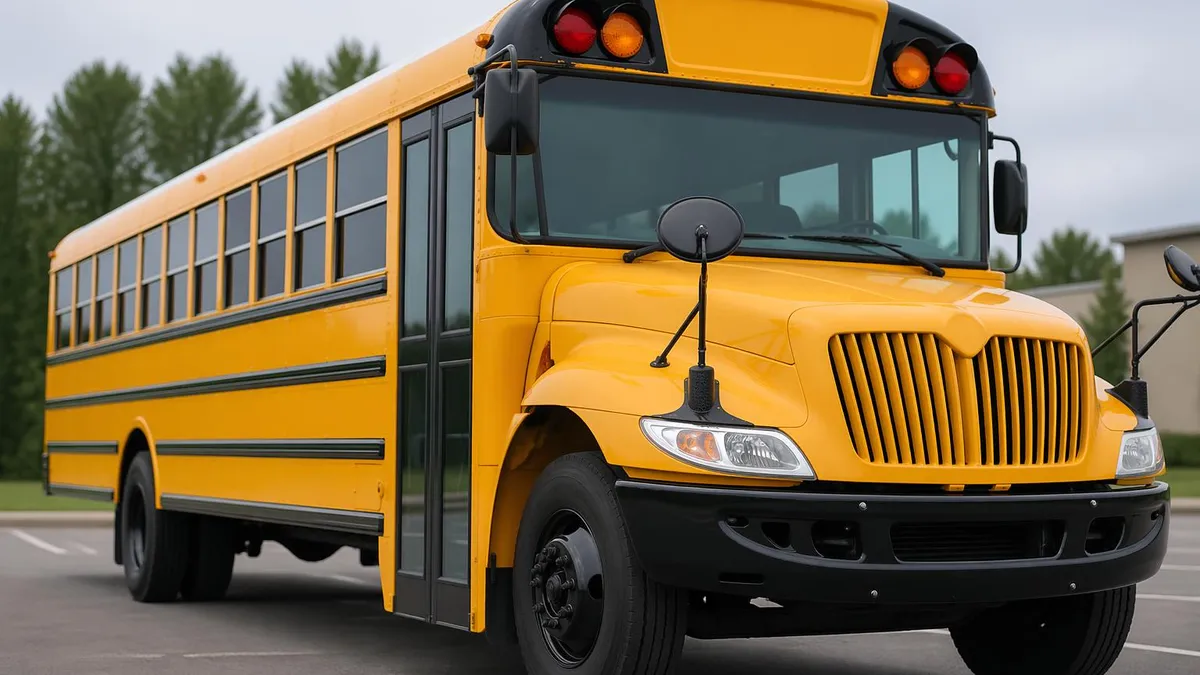
CDL Career Overview: Driving Jobs, Salaries, and How to Get Started
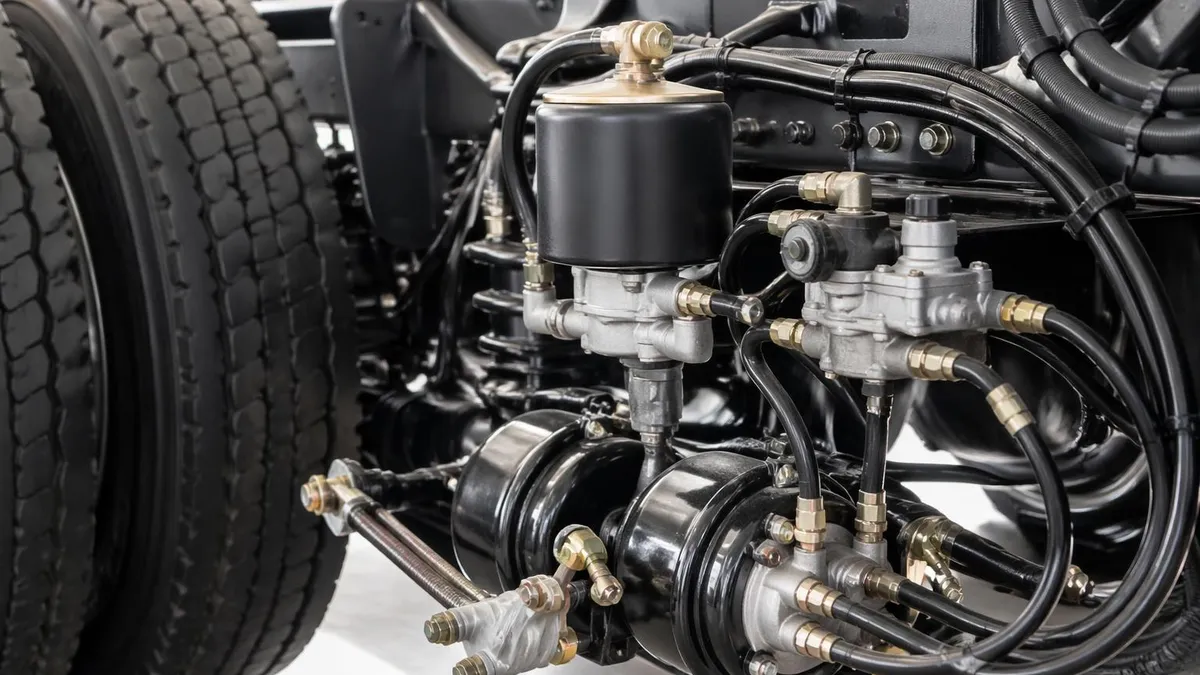
CDL Exam Eligibility: DOT Requirements, Medical Exams, and How to Qualify
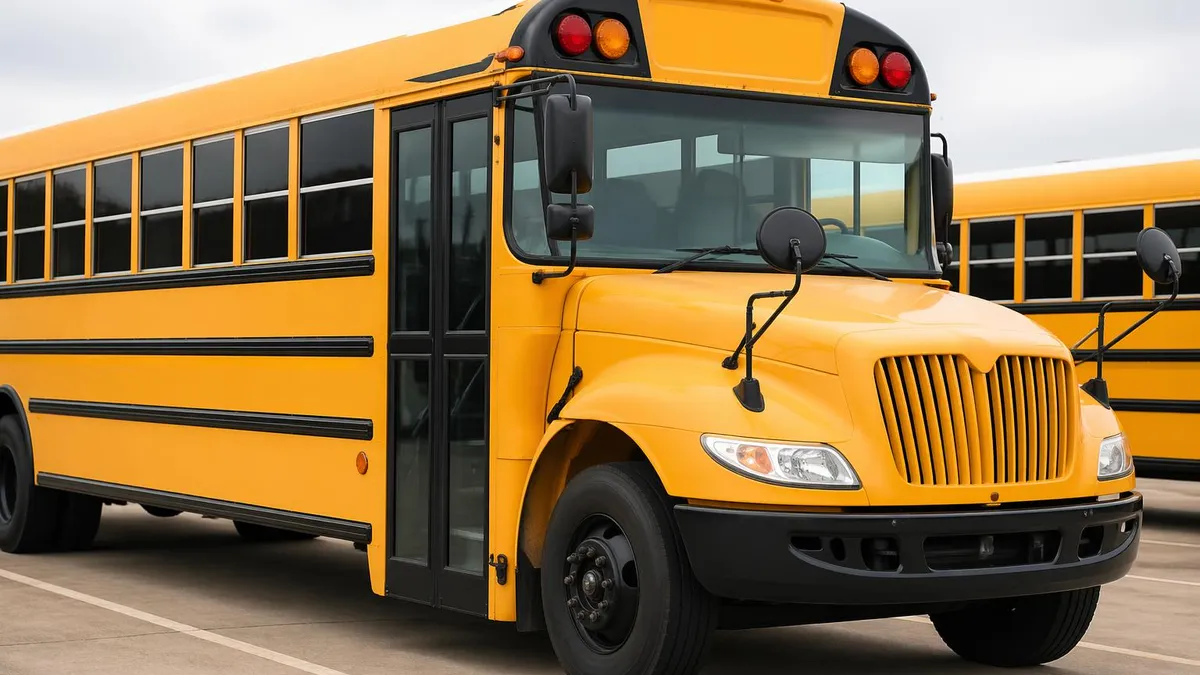
CDL Hazardous Materials Study Guide and Essential Study Materials
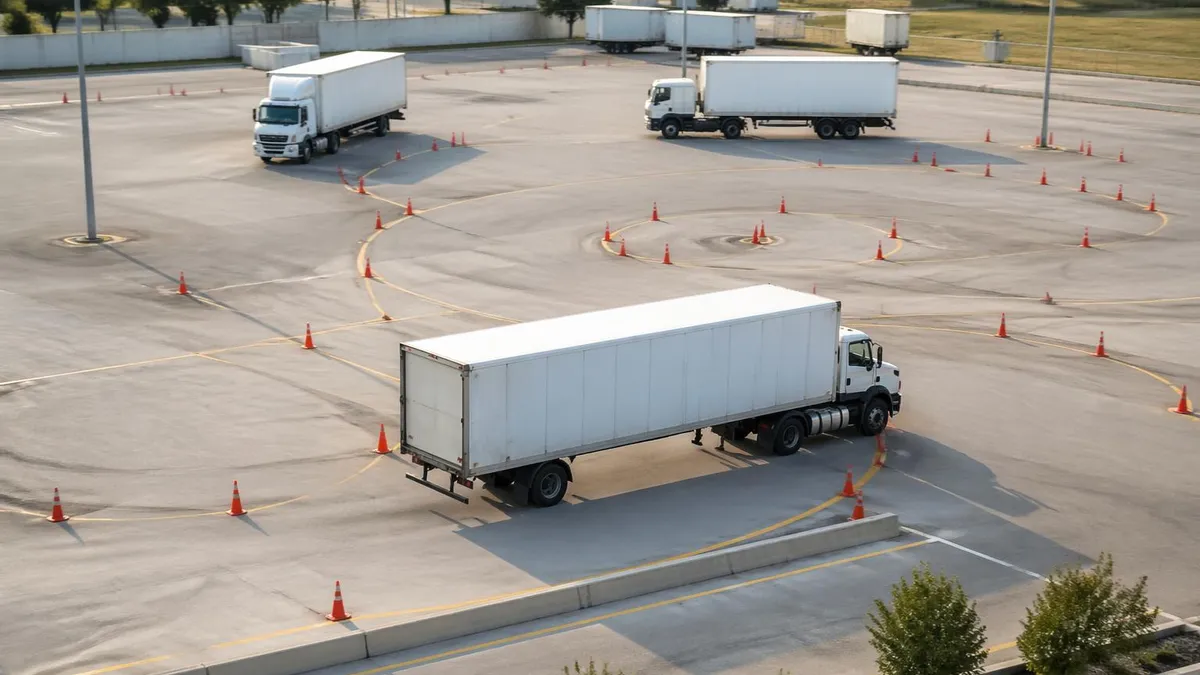
CDL General Knowledge Test: What You Need to Know About Subject Knowledge
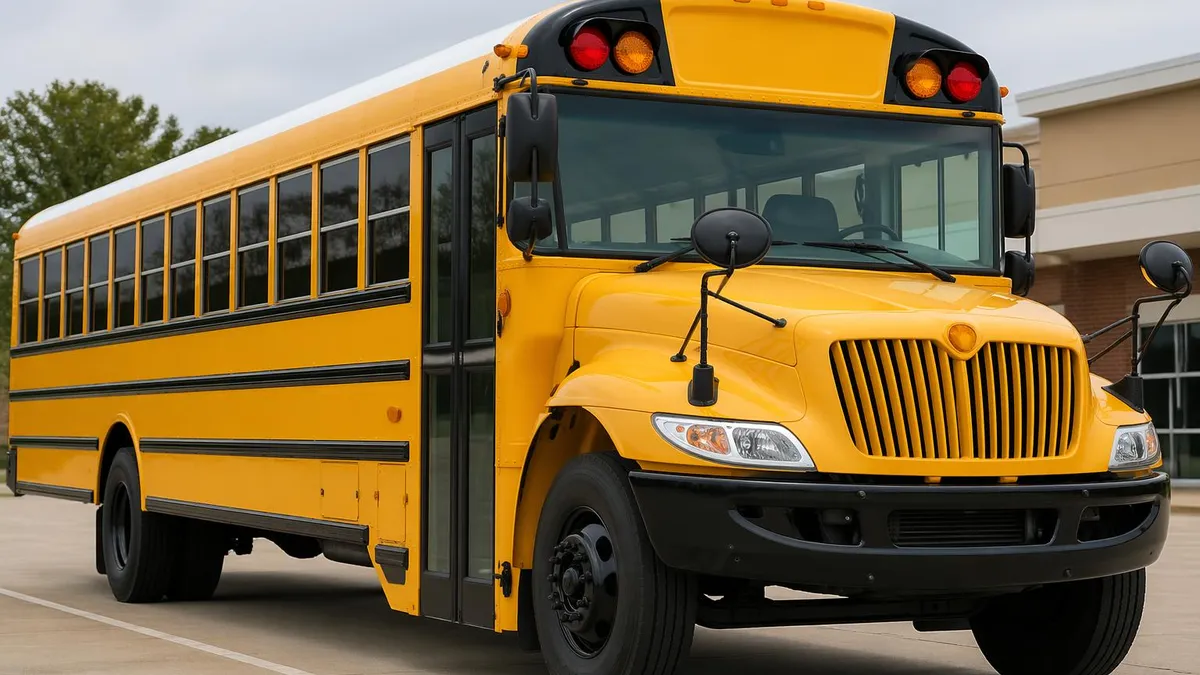
CDL Certification Guide: DOT Requirements, Study Tips & Endorsements
How this page was made: written with AI tools. Exam facts are checked against the official sources listed below. Not reviewed by a subject-matter expert. Editorial policy
Sources & references
Exam facts on this page (fees, format, dates, passing scores) are checked against these official sources; the date is our last check. Editorial policy