

CCTV Practice Test
Updated for October 2026As technology continues to evolve, the role of surveillance in maintaining public and private security becomes more critical. The Certified CCTV Operator plays a pivotal role in this field by operating and monitoring closed-circuit television (CCTV) systems to protect people, property, and assets. With the rise of security threats and the increasing use of surveillance cameras, the demand for skilled and certified CCTV operators is higher than ever. This article explores into the significance of becoming a Certified CCTV Operator, outlining the necessary steps for certification, job responsibilities, salary expectations, and the costs associated with obtaining this certification. Whether you are considering a career in security or are already working in the field and looking to enhance your skills, this guide will provide valuable insights into this essential profession.
CCTV Practice Test Questions
Prepare for the CCTV - Certified CCTV Operator exam with our free practice test modules. Each quiz covers key topics to help you pass on your first try.
CCTV Building Codes & Standards
CCTV Exam Questions covering Building Codes & Standards. Master CCTV Test concepts for certification prep.
CCTV Network & IP Camera Configuration
Free CCTV Practice Test featuring CCTV Network & IP Camera Configuration. Improve your CCTV Exam score with mock test prep.
CCTV Video Analytics & Image Processing
CCTV Mock Exam on CCTV Video Analytics & Image Processing. CCTV Study Guide questions to pass on your first try.
CCTV Installation Techniques & Methods
CCTV Test Prep for Installation Techniques & Methods. Practice CCTV Quiz questions and boost your score.
CCTV Maintenance & Repair Procedures
CCTV Questions and Answers on Maintenance & Repair Procedures. Free CCTV practice for exam readiness.
CCTV Materials & Resource Management
CCTV Mock Test covering Materials & Resource Management. Online CCTV Test practice with instant feedback.
CCTV Project Estimation & Planning
Free CCTV Quiz on Project Estimation & Planning. CCTV Exam prep questions with detailed explanations.
CCTV Quality Control & Inspection
CCTV Practice Questions for Quality Control & Inspection. Build confidence for your CCTV certification exam.
CCTV Safety Protocols & Compliance
CCTV Test Online for Safety Protocols & Compliance. Free practice with instant results and feedback.
CCTV Tools & Equipment Operation
CCTV Study Material on Tools & Equipment Operation. Prepare effectively with real exam-style questions.
CCTV Video Storage & Retrieval Systems
Free CCTV Test covering Video Storage & Retrieval Systems. Practice and track your CCTV exam readiness.
CCTV Incident Reporting & Documentation
CCTV Exam Questions covering Incident Reporting & Documentation. Master CCTV Test concepts for certification prep.
CCTV Legal & Ethical Guidelines
Free CCTV Practice Test featuring Legal & Ethical Guidelines. Improve your CCTV Exam score with mock test prep.
Key Takeaways
Free CCTV Practice Test Online
Certified CCTV Operators are trained professionals who monitor and manage CCTV systems used for surveillance and security purposes.
The certification process includes formal training, practical experience, and passing an exam to demonstrate proficiency in operating CCTV systems.
CCTV operators can work in various sectors, including corporate security, public safety, retail, and transportation.
The average salary for a Certified CCTV Operator ranges between $30,000 and $50,000 annually, depending on experience, industry, and location.
The certification exam typically costs between $100 and $300, with additional fees for training programs.
What is a Certified CCTV Operator?
A Certified CCTV Operator is a professional trained in the installation, operation, and monitoring of closed-circuit television systems used for surveillance. CCTV operators are responsible for overseeing camera feeds, detecting suspicious activity, recording video footage, and coordinating with security personnel to ensure timely responses to potential threats.
The certification ensures that operators possess the necessary knowledge and skills to manage surveillance systems effectively, including understanding the hardware and software used in modern CCTV setups. In addition to the technical aspects, certified operators are trained to follow legal and ethical guidelines for privacy and security in various environments.
Becoming certified in CCTV operations signifies that an individual has met industry standards and can perform their duties to the highest level of competence, providing reassurance to employers and clients who rely on surveillance systems for safety and security.
- ✓Review the official CCTV exam content outline
- ✓Take a diagnostic practice test to identify weak areas
- ✓Create a study schedule (4-8 weeks recommended)
- ✓Focus on your weakest domains first
- ✓Complete at least 3 full-length practice exams
- ✓Review all incorrect answers with detailed explanations
- ✓Take a final practice test 1 week before exam day
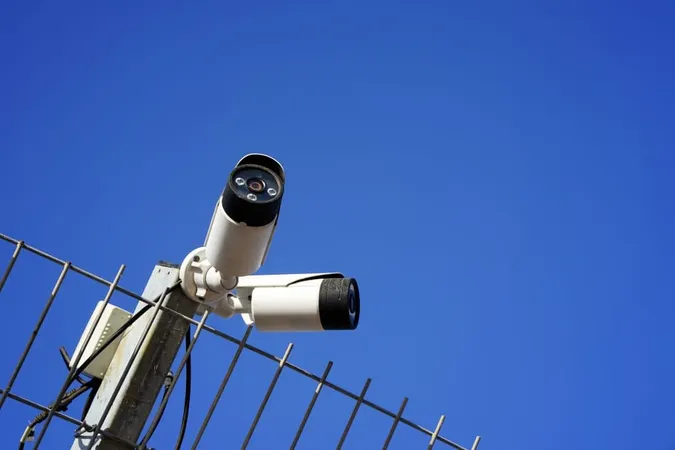
How to Become a Certified CCTV Operator
Becoming a Certified CCTV Operator involves a series of steps that require both education and hands-on experience in surveillance technology. Here’s a guide to the process:
Enroll in a CCTV Training Program:
To become certified, candidates must first complete a formal training program. These programs are offered by accredited organizations, security associations, and some educational institutions. The training typically covers topics such as camera types, video recording systems, surveillance monitoring, and emergency protocols.Gain Practical Experience:
After completing the theoretical part of the training, aspiring CCTV operators must acquire practical experience. This often involves internships, on-the-job training, or volunteer work where individuals can apply their knowledge in real-world scenarios. Gaining hands-on experience is essential for mastering the skills needed to operate CCTV systems efficiently.
Pass the Certification Exam:
Once the training is complete, candidates must pass a certification exam to demonstrate their proficiency in operating and managing CCTV systems. The exam typically includes both theoretical questions on surveillance technology and practical components that test the candidate’s ability to manage a CCTV setup in a security environment.
Submit Your Application:
After passing the exam, candidates can apply for certification with the relevant certifying body. The certification is usually valid for a set period, after which individuals must renew their certification by completing continuing education or re-certification exams.
Stay Updated with Continuing Education:
As technology continues to evolve, CCTV operators must stay current with the latest advancements in surveillance systems. Many certifying organizations offer continuing education courses or refresher training to ensure that operators are knowledgeable about new technologies and techniques.
SVOP small vessel operator candidates often also prepare with our PADI practice test for the seamanship and marine safety knowledge both maritime certifications require.
Job Description for Certified CCTV Operators
Certified CCTV Operators play a crucial role in the security and safety of various establishments. Their job responsibilities include:
Monitoring Surveillance Cameras:
The primary duty of a CCTV operator is to monitor live video feeds from surveillance cameras in real-time. Operators must remain vigilant and attentive to detect any suspicious activity or potential security threats.Maintaining and Operating CCTV Systems:
Operators ensure that the CCTV systems are functioning properly. This includes troubleshooting technical issues, adjusting camera settings, and maintaining the equipment to ensure continuous surveillance.
Recording and Storing Video Footage:
CCTV operators are responsible for recording video footage and storing it securely for future use. This footage may be needed for evidence in investigations, and operators must ensure that it is preserved according to legal and organizational guidelines.
Reporting and Responding to Incidents:
If a CCTV operator detects suspicious activity or security breaches, they are responsible for alerting the appropriate authorities, such as security personnel, law enforcement, or management. In some cases, operators may need to coordinate with on-site staff to respond to incidents promptly.
Ensuring Compliance with Legal and Ethical Standards:
Operators must adhere to privacy laws and ethical guidelines while performing their duties. This includes following regulations related to data protection, video surveillance, and maintaining the confidentiality of recorded materials.
Salary Expectations for Certified CCTV Operators
The salary for a Certified CCTV Operator can vary depending on factors such as location, industry, and level of experience. On average, CCTV operators earn between $30,000 and $50,000 annually. Here’s a breakdown of salary ranges based on different levels of experience and geographic location:
Entry-Level CCTV Operators:
Beginners in the field can expect to earn between $30,000 and $40,000 annually, depending on the industry and location. Entry-level positions may include working in retail or small business security settings.Experienced CCTV Operators:
With a few years of experience, CCTV operators can earn between $40,000 and $50,000 per year. These professionals may work in larger corporations, government buildings, or high-security environments, where the demand for advanced surveillance skills is greater.
Senior CCTV Operators or Supervisors:
Senior operators who manage teams or oversee the surveillance operations of large facilities can earn upwards of $50,000 annually. These roles often come with additional responsibilities, such as training new operators, managing security systems, and liaising with senior security management.
Salaries may also increase based on industry-specific factors, such as working in critical infrastructure or specialized security sectors like finance, government, or transportation.
Exam Costs for Certified CCTV Operators
The cost of obtaining certification as a CCTV operator generally includes both training and exam fees. Here’s a breakdown of the costs:
Training Program Fees:
The cost of training programs varies widely depending on the provider. On average, CCTV certification training can cost between $500 and $1,500, depending on the program's length and depth. Some programs may also include practical training components, which could increase the cost.Certification Exam Fees:
Once the training is complete, candidates are required to pay for the certification exam. Exam fees typically range from $100 to $300, depending on the certifying organization. Some certification bodies may offer discounts or bundled rates for training and exams.Renewal Fees:
Certified CCTV Operators are usually required to renew their certification every 2-3 years. Renewal fees typically range from $50 to $150, depending on the certifying body. Continuing education may be required for renewal.

Conclusion
Becoming a Certified CCTV Operator offers an exciting and rewarding career in the rapidly growing field of security and surveillance. With the increasing reliance on surveillance systems in various sectors, the demand for trained professionals who can operate and manage CCTV technology is expected to rise. Certification not only provides the knowledge and skills needed to excel in this role but also opens up opportunities for career advancement and higher earning potential.
As a CCTV operator, you will play a critical role in maintaining the safety and security of individuals, businesses, and public spaces. By completing the necessary training, gaining experience, and passing the certification exam, you can start on a fulfilling career in security that is essential to modern society.

- +Industry-recognized credential boosts your resume
- +Higher earning potential (10-20% salary increase on average)
- +Demonstrates commitment to professional development
- +Opens doors to advanced career opportunities
- −Exam preparation requires significant time investment (4-8 weeks)
- −Certification fees can be $100-$400+
- −May require continuing education to maintain
- −Some employers may not require certification
(CCTV) Certified CCTV Operator Questions and Answers
About the Author

Certified Professional Development Expert & Niche Certification Advisor
University of Pennsylvania Graduate School of EducationDr. Alexandra Kim holds a PhD in Professional Studies from the University of Pennsylvania and is a Certified Professional in Learning and Performance (CPLP) and Certified Professional in Talent Development (CPTD). With 17 years of corporate training and professional certification advisory experience, she helps professionals navigate specialized, emerging, and cross-industry certification programs.
Join the Discussion
Connect with other students preparing for this exam. Share tips, ask questions, and get advice from people who have been there.
View discussion (8 replies)