

CBJ Practice Test
Updated for September 2026A Certified Bench Jeweler (CBJ) designation opens doors to exciting opportunities in the jewelry industry, ensuring expertise in jewelry repair, creation, and maintenance. This article explores the CBJ certification process, career benefits, and professional growth opportunities while addressing common questions and key details about this career path.
CBJ Practice Test Questions
Prepare for the CBJ - Certified Bench Jeweler exam with our free practice test modules. Each quiz covers key topics to help you pass on your first try.
CBJ Assessment and Evaluation
CBJ Exam Questions covering Assessment and Evaluation. Master CBJ Test concepts for certification prep.
CBJ Career Opportunities
Free CBJ Practice Test featuring Career Opportunities. Improve your CBJ Exam score with mock test prep.
CBJ Communication and Documentation
CBJ Mock Exam on Communication and Documentation. CBJ Study Guide questions to pass on your first try.
CBJ Core Knowledge and Fundamentals
CBJ Test Prep for Core Knowledge and Fundamentals. Practice CBJ Quiz questions and boost your score.
CBJ Credential and Education
CBJ Questions and Answers on Credential and Education. Free CBJ practice for exam readiness.
CBJ Finishing and Polishing
CBJ Mock Test covering Finishing and Polishing. Online CBJ Test practice with instant feedback.
CBJ Gemstone and Setting Techniques
Free CBJ Quiz on Gemstone and Setting Techniques. CBJ Exam prep questions with detailed explanations.
CBJ Industry Regulations
CBJ Practice Questions for Industry Regulations. Build confidence for your CBJ certification exam.
CBJ Metal Properties and Alloys
CBJ Test Online for Metal Properties and Alloys. Free practice with instant results and feedback.
CBJ Practice and Application
CBJ Study Material on Practice and Application. Prepare effectively with real exam-style questions.
CBJ Professional Standards and Ethics
Free CBJ Test covering Professional Standards and Ethics. Practice and track your CBJ exam readiness.
CBJ Quality Assurance and Improvement
CBJ Exam Questions covering Quality Assurance and Improvement. Master CBJ Test concepts for certification prep.
CBJ Safety and Compliance
Free CBJ Practice Test featuring Safety and Compliance. Improve your CBJ Exam score with mock test prep.
Key Takeaways
Free CBJ Practice Test Online
- The CBJ designation is a hallmark of professionalism in the jewelry industry, ensuring proficiency in crafting, repairing, and maintaining jewelry.
- Certification requires a blend of education, hands-on experience, and passing an examination.
- CBJs have versatile career options, including roles in retail, custom design, and independent entrepreneurship.
- Staying updated on industry trends, sustainability practices, and technological advancements is crucial for long-term success.
What is a Certified Bench Jeweler (CBJ)?
A Certified Bench Jeweler is a professional designation awarded to individuals skilled in a variety of jewelry-related tasks, including crafting, repairing, and modifying jewelry pieces. CBJs are proficient in techniques like stone setting, soldering, and polishing, ensuring quality craftsmanship and high standards in the jewelry industry.
Certification is typically earned through intensive training and examinations conducted by recognized organizations like Jewelers of America (JA). This credential demonstrates expertise and is a significant career milestone for jewelers looking to establish credibility.
CBJ Study Tips
What's the best study strategy for CBJ?
Focus on weak areas first. Use practice tests to identify gaps, then study those topics intensively.
How far in advance should I start studying?
Most successful candidates begin 4-8 weeks before the exam. Create a structured study schedule.
Should I retake practice tests?
Yes! Take each practice test 2-3 times. Focus on understanding why answers are correct, not memorizing.
What should I do on exam day?
Arrive 30 min early, bring required ID, read questions carefully, flag difficult ones, and review before submitting.

How to Become a Certified Bench Jeweler
Becoming a CBJ involves several steps, which include education, skill development, and passing a certification exam. Here’s how you can embark on this career path:
- Education
While formal education is not mandatory, attending jewelry design or metalsmithing courses at accredited institutions can be highly beneficial. Programs offered by technical schools, community colleges, or specialized training centers provide hands-on experience.
For additional resources, explore programs listed on the U.S. Department of Education website (ed.gov).
- Skill Development
Aspiring CBJs must master skills like stone setting, metal fabrication, and engraving. Hands-on training through apprenticeships or internships with experienced jewelers can help hone these abilities.
- Certification Examination
Certification involves a practical exam testing various jewelry-making skills. Preparation through online tutorials, study materials, or workshops can improve your chances of success.
Certified Bench Jeweler Technician Jobs
Certified Bench Jewelers are in demand for diverse roles in the jewelry industry. These positions typically include responsibilities like:
- Designing and fabricating custom jewelry.
- Repairing and restoring damaged pieces.
- Conducting quality checks for high-value items.
- Working with advanced tools and technologies, including Computer-Aided Design (CAD) software.
CBJs can work in retail settings, design studios, or even establish their own jewelry-making businesses.
Numerous resources are available for job seekers:
- Professional Organizations: Platforms like Jewelers of America provide job boards and networking opportunities
- Government Resources: The U.S. Bureau of Labor Statistics offers insights into job trends and salaries for jewelers
- Local Artisan Guilds: Many communities have jewelry-making associations that offer job leads and collaborative opportunities.
CBJ Developments: Industry Trends and Innovations
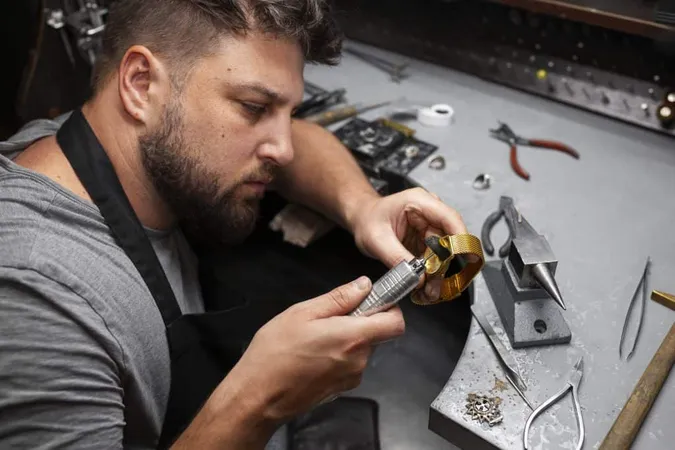
The jewelry industry continually evolves, and CBJs must stay informed about emerging trends and technological advancements. Key developments include:
- Sustainable Practices
Ethical sourcing and eco-friendly production methods are becoming standard. Many jewelers now prioritize conflict-free gemstones and recycled metals.
- Advanced Technology
Tools like 3D printing and laser engraving are revolutionizing how jewelry is designed and manufactured. Staying adept in such technologies ensures a competitive edge.
- Design Trends
Minimalist designs, mixed metals, and personalized jewelry are trending. CBJs who adapt to customer preferences can thrive in this dynamic market.
Conclusion
The CBJ certification is a valuable credential for aspiring jewelers, symbolizing skill, precision, and dedication to quality craftsmanship. Whether you’re starting your journey or looking to advance in the jewelry industry, the CBJ designation can open doors to rewarding career opportunities. By focusing on skill development, staying updated on industry trends, and leveraging professional resources, you can carve a successful path as a Certified Bench Jeweler.
FAQs
The average salary varies based on location and experience but typically ranges between $35,000 and $60,000 annually. Experienced CBJs in high-demand areas may earn significantly more.
No, formal education is not mandatory. However, completing a training program or apprenticeship can significantly enhance your skills and employability.
The timeline varies based on prior experience and training. Most candidates require 1-3 years to develop the necessary skills and complete certification.
Study materials are available through organizations like Jewelers of America, technical schools, and online resources. Apprenticeships also provide practical learning opportunities.
CBJ: Pros and Cons
- +CBJ certification validates expertise recognized by employers nationwide
- +Certified professionals typically earn 15-20% higher salaries
- +Opens doors to advanced positions and leadership roles
- +Demonstrates commitment to professional standards and ethics
- +Builds a strong professional network through certification communities
- −Exam preparation typically requires 2-4 months of dedicated study
- −Certification and exam fees can range from $150-$500+
- −Must complete continuing education to maintain active certification
- −Pass rates vary — thorough preparation is essential for success
- −Some certifications require prerequisite experience or education
(CBJ) Certified Bench Jeweler Questions and Answers
About the Author

Certified Professional Development Expert & Niche Certification Advisor
University of Pennsylvania Graduate School of EducationDr. Alexandra Kim holds a PhD in Professional Studies from the University of Pennsylvania and is a Certified Professional in Learning and Performance (CPLP) and Certified Professional in Talent Development (CPTD). With 17 years of corporate training and professional certification advisory experience, she helps professionals navigate specialized, emerging, and cross-industry certification programs.
Join the Discussion
Connect with other students preparing for this exam. Share tips, ask questions, and get advice from people who have been there.
View discussion (9 replies)