
Your Ultimate Guide to Becoming a Certified Cardiac Surgeon 2026 July
Free Your Ultimate Guide to Becoming a practice test with questions and answer explanations. 🗨️ Prepare for the 2026 July exam with instant scoring.

A career as a Certified Cardiac Surgeon (CCS) is one of the most demanding yet rewarding professions in the medical field. Cardiac surgeons specialize in diagnosing, treating, and performing surgeries on the heart and major blood vessels. Their expertise helps save lives, making their role critical in cardiovascular medicine.
Free Cardiac Surgeon Practice Test Online
However, the journey to becoming a cardiac surgeon is long and rigorous, requiring extensive education, training, and certification. If you are considering this profession, this guide will provide insights into:
- What a cardiac surgeon does
- The average salary of a cardiac surgeon
- How long it takes to become a cardiac surgeon
- The necessary steps to obtain certification
If you are passionate about cardiovascular health and life-saving surgical procedures, read on to learn how you can become a certified cardiac surgeon.
CCS Practice Test Questions
Prepare for the CCS - Certified Cardiac Surgeon exam with our free practice test modules. Each quiz covers key topics to help you pass on your first try.
CCS Cardiac Anatomy and Physiology
CCS Exam Questions covering CCS Cardiac Anatomy and Physiology. Master CCS Test concepts for certification prep.
CCS Cardiopulmonary Bypass and Perfusion M...
Free CCS Practice Test featuring CCS Cardiopulmonary Bypass and Perfusion Management. Improve your CCS Exam score with mock test prep.
CCS Clinical Assessment Methods
CCS Mock Exam on Clinical Assessment Methods. CCS Study Guide questions to pass on your first try.
CCS Diagnostic Procedures
CCS Test Prep for Diagnostic Procedures. Practice CCS Quiz questions and boost your score.
CCS Documentation Standards
CCS Questions and Answers on Documentation Standards. Free CCS practice for exam readiness.
CCS Hemostasis and Coagulation Management
CCS Mock Test covering Hemostasis and Coagulation Management. Online CCS Test practice with instant feedback.
CCS Medical Ethics and Law
Free CCS Quiz on Medical Ethics and Law. CCS Exam prep questions with detailed explanations.
CCS Patient Communication
CCS Practice Questions for Patient Communication. Build confidence for your CCS certification exam.
CCS Patient Safety Protocols
CCS Test Online for Patient Safety Protocols. Free practice with instant results and feedback.
CCS Pharmacology Basics
CCS Study Material on Pharmacology Basics. Prepare effectively with real exam-style questions.
CCS Treatment Planning
Free CCS Test covering Treatment Planning. Practice and track your CCS exam readiness.
CCS Education & Certification Requirements
CCS Exam Questions covering Education & Certification Requirements. Master CCS Test concepts for certification prep.
CCS Patient Assessment & Preoperative Care
Free CCS Practice Test featuring Patient Assessment & Preoperative Care. Improve your CCS Exam score with mock test prep.
Key Takeaways
- Cardiac surgeons perform life-saving heart surgeries and collaborate with healthcare teams.
- The average salary for a cardiac surgeon ranges from $300,000 to $700,000 annually.
- Becoming a Certified Cardiac Surgeon requires at least 14 to 16 years of education and training.
- A cardiac surgeon’s responsibilities include diagnosing heart conditions, performing surgery, and monitoring patient recovery.
- Certification from a recognized medical board is crucial for career advancement.
What Is a Cardiac Surgeon?
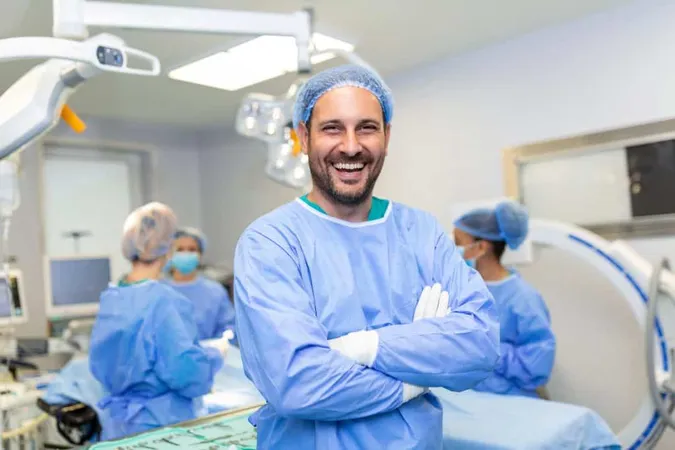
A cardiac surgeon is a medical specialist who performs surgical procedures on the heart, arteries, and veins to treat cardiovascular diseases. They work in collaboration with cardiologists, anesthesiologists, nurses, and other healthcare professionals to ensure the best outcomes for patients.
- ✓Confirm your exam appointment and location
- ✓Bring required identification documents
- ✓Arrive 30 minutes early to check in
- ✓Read each question carefully before answering
- ✓Flag difficult questions and return to them later
- ✓Manage your time — don't spend too long on one question
- ✓Review flagged questions before submitting
Key Responsibilities of a Cardiac Surgeon
Cardiac surgeons perform a variety of complex and life-saving procedures, including:
- Coronary Artery Bypass Grafting (CABG) – Improves blood flow to the heart by bypassing blocked arteries.
- Heart Valve Repair and Replacement – Treats damaged or dysfunctional heart valves.
- Aneurysm Repair – Strengthens weakened areas of the aorta to prevent rupture.
- Heart Transplants – Replaces a failing heart with a donor heart.
- Pacemaker and Defibrillator Implantation – Regulates heart rhythm.
Cardiac surgeons must have exceptional precision, decision-making skills, and the ability to work under pressure in critical situations.
How Much Does a Cardiac Surgeon Make?
A cardiac surgeon’s salary is among the highest in the medical field due to the complexity of the job, years of training, and high demand for their expertise.
Average Salary by Country
- United States: $400,000 – $700,000 per year
- Canada: CAD $300,000 – $600,000 per year
- United Kingdom: £100,000 – £300,000 per year
- Australia: AUD $250,000 – $500,000 per year
Factors That Affect Salary
Several factors influence a cardiac surgeon’s salary, including:
- Experience Level – More experienced surgeons earn higher salaries.
- Location – Salaries vary by country and city. High-demand areas typically offer better compensation.
- Type of Hospital or Institution – Private hospitals and specialized heart centers often pay more than public hospitals.
- Additional Certifications and Specializations – Surgeons with expertise in advanced heart surgeries earn higher salaries.
How Long Does It Take to Become a Cardiac Surgeon?
Becoming a certified cardiac surgeon requires a long educational journey and years of practical training. The timeline varies by country, but in general, it takes:
Step-by-Step Timeline
- Undergraduate Degree (4 years) – Obtain a bachelor's degree in a science-related field (e.g., biology, chemistry).
- Medical School (4 years) – Earn a Doctor of Medicine (MD) or Doctor of Osteopathic Medicine (DO) degree.
- Residency in General Surgery (5–7 years) – Gain hands-on surgical experience in a hospital setting.
- Cardiothoracic Surgery Fellowship (2–3 years) – Specialize in heart and chest surgeries.
- Board Certification (Optional, 1–2 years) – Obtain certification from recognized medical boards.
Total Time Required
On average, it takes 14 to 16 years of education and training to become a fully certified cardiac surgeon.

What Does a Cardiac Surgeon Do?
Cardiac surgeons play a critical role in diagnosing and treating heart diseases through surgical interventions. Their responsibilities extend beyond the operating room.
Daily Duties of a Cardiac Surgeon
- Perform Heart Surgeries – Conduct complex procedures like bypass surgery and valve repairs.
- Pre-Surgical Evaluations – Assess patients’ health conditions and determine the best treatment plan.
- Collaborate with Medical Teams – Work with anesthesiologists, cardiologists, and nurses.
- Monitor Post-Surgical Recovery – Ensure patients recover successfully after surgery.
- Stay Updated on Medical Advancements – Engage in research, attend medical conferences, and refine surgical techniques.
Cardiac surgeons work long hours, often handling emergency cases, on-call shifts, and complex surgical procedures that require immense precision and endurance.
How to Become a Cardiac Surgeon
1. Obtain a Bachelor’s Degree
- Enroll in a pre-medical program and study subjects like biology, chemistry, and physics.
- Maintain a high GPA to qualify for medical school.
- Gain experience through volunteer work, internships, or shadowing a physician.
2. Complete Medical School
- Enroll in a Doctor of Medicine (MD) or Doctor of Osteopathic Medicine (DO) program.
- Focus on anatomy, physiology, pathology, and pharmacology.
- Participate in clinical rotations to gain hands-on experience.
3. Complete a General Surgery Residency
- Residency programs last 5 to 7 years.
- Train in various surgical procedures, patient care, and emergency management.
4. Specialize in Cardiothoracic Surgery
- Enter a fellowship program focused on heart and chest surgeries.
- Develop expertise in bypass surgery, valve repair, and heart transplants.
5. Obtain Board Certification
- Pass the cardiothoracic surgery board exam to become a Certified Cardiac Surgeon (CCS).
- Certification is provided by organizations like the American Board of Thoracic Surgery (ABTS) or equivalent bodies in other countries.
6. Gain Experience and Continue Education
- Work in hospitals, heart institutes, or private practice.
- Stay updated with new surgical techniques, medical advancements, and certifications.
CCS: Pros and Cons
- +CCS certification validates expertise recognized by employers nationwide
- +Certified professionals typically earn 15-20% higher salaries
- +Opens doors to advanced positions and leadership roles
- +Demonstrates commitment to professional standards and ethics
- +Builds a strong professional network through certification communities
- −Exam preparation typically requires 2-4 months of dedicated study
- −Certification and exam fees can range from $150-$500+
- −Must complete continuing education to maintain active certification
- −Pass rates vary — thorough preparation is essential for success
- −Some certifications require prerequisite experience or education
(CCS) Certified Cardiac Surgeon Questions and Answers
About the Author
Certified Professional Development Expert & Niche Certification Advisor
University of Pennsylvania Graduate School of EducationDr. Alexandra Kim holds a PhD in Professional Studies from the University of Pennsylvania and is a Certified Professional in Learning and Performance (CPLP) and Certified Professional in Talent Development (CPTD). With 17 years of corporate training and professional certification advisory experience, she helps professionals navigate specialized, emerging, and cross-industry certification programs.