

CAC Practice Test
Updated for October 2026The aesthetics industry is growing rapidly, driven by increasing demand for cosmetic procedures and skincare treatments. As a result, the need for knowledgeable professionals who can guide clients through aesthetic treatments has risen. A Certified Aesthetic Consultant (CAC) plays a critical role in helping individuals understand their aesthetic options, ensuring they make informed decisions about treatments and procedures.
Becoming a Certified Aesthetic Consultant requires specialized training and certification to develop expertise in client consultations, medical aesthetics, and treatment recommendations. This guide will cover the CAC certification, the role of an aesthetic consultant, available training programs, and the steps to becoming a certified professional in this evolving field.
CAC Practice Test Questions
Prepare for the CAC - Certified Aesthetic Consultant exam with our free practice test modules. Each quiz covers key topics to help you pass on your first try.
CAC Aesthetic Procedures & Treatments
CAC Exam Questions covering Aesthetic Procedures & Treatments. Master CAC Test concepts for certification prep.
CAC Business & Marketing Strategies
Free CAC Practice Test featuring Business & Marketing Strategies. Improve your CAC Exam score with mock test prep.
CAC Product Knowledge & Cosmeceuticals
CAC Mock Exam on CAC Product Knowledge & Cosmeceuticals. CAC Study Guide questions to pass on your first try.
CAC Safety, Sanitation & Infection Control
CAC Test Prep for CAC Safety, Sanitation & Infection Control. Practice CAC Quiz questions and boost your score.
CAC Client Consultation & Evaluation
CAC Questions and Answers on Client Consultation & Evaluation. Free CAC practice for exam readiness.
Key Takeaways
Free Aesthetic Consultant Practice Test Online
The Certified Aesthetic Consultant (CAC) Certification enhances career prospects and credibility in the aesthetic industry.
Aesthetic consultants provide expert guidance on cosmetic treatments and procedures.
Medical aesthetic consultants specialize in non-surgical and minimally invasive treatments.
Training programs are essential for developing expertise in client consultations and aesthetic treatments.
Certification involves training, examination, and practical experience to ensure proficiency in the field.
Certified Aesthetic Consultant Certification
The Certified Aesthetic Consultant (CAC) Certification is an industry-recognized credential that validates expertise in aesthetic procedures, patient consultations, and clinic operations. This certification is designed for professionals working in medical spas, dermatology clinics, and plastic surgery offices.
Benefits of CAC Certification:
Enhances credibility and professionalism in the aesthetics industry.
Provides in-depth knowledge of cosmetic procedures and treatments.
Improves client communication and consultation skills.
Increases job opportunities in medical spas and aesthetic clinics.
Helps professionals stay updated with industry trends and best practices.
A CAC certification can set professionals apart by demonstrating their expertise in providing aesthetic consultations and ensuring client satisfaction.
- ✓Confirm your exam appointment and location
- ✓Bring required identification documents
- ✓Arrive 30 minutes early to check in
- ✓Read each question carefully before answering
- ✓Flag difficult questions and return to them later
- ✓Manage your time — don't spend too long on one question
- ✓Review flagged questions before submitting
What is an Aesthetic Consultant?
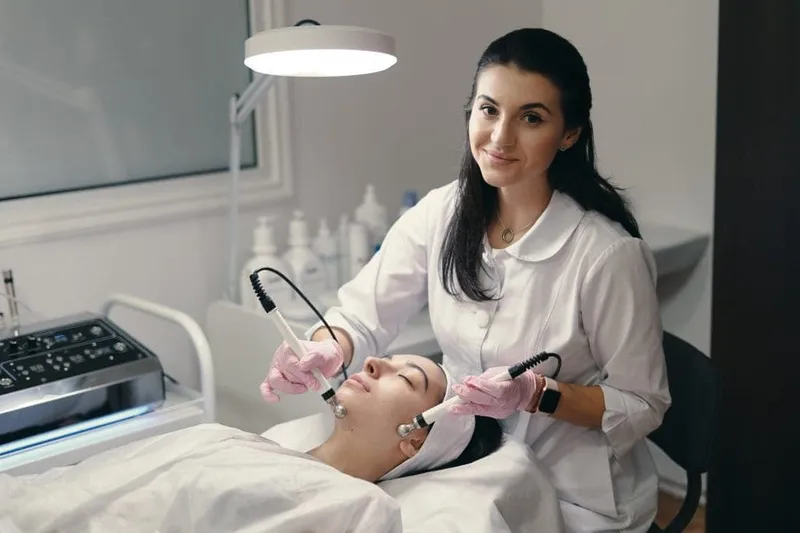
An aesthetic consultant is a specialist who provides guidance on cosmetic treatments and skincare solutions. They work closely with clients to understand their aesthetic goals, educate them on available treatments, and assist in scheduling procedures with medical professionals.
Key Responsibilities of an Aesthetic Consultant:
Conducting initial consultations to assess client needs.
Explaining treatment options, including benefits and risks.
Recommending procedures based on client goals and medical history.
Coordinating appointments and follow-up care.
Assisting in marketing and sales for aesthetic treatments.
Aesthetic consultants bridge the gap between clients and medical professionals, ensuring personalized and satisfactory treatment experiences.
Medical Aesthetic Consultant: A Specialized Role
A medical aesthetic consultant operates in medical settings such as dermatology offices, plastic surgery centers, and medical spas. They have a deeper understanding of medical-grade cosmetic procedures, including injectables, laser treatments, and minimally invasive skin rejuvenation techniques.
Responsibilities of a Medical Aesthetic Consultant:
Assisting medical professionals in developing customized treatment plans.
Educating patients on medical aesthetics, including Botox, fillers, and laser therapies.
Ensuring compliance with medical and ethical guidelines.
Managing pre- and post-procedure consultations.
Medical aesthetic consultants must have knowledge of FDA-approved treatments and maintain compliance with healthcare regulations. Their expertise ensures that patients receive safe and effective aesthetic care.
Aesthetic Consultant Training
Proper training is essential for those pursuing a Certified Aesthetic Consultant designation. Training programs provide in-depth knowledge of aesthetic treatments, consultation techniques, and patient care.
Topics Covered in Aesthetic Consultant Training:
Fundamentals of skin anatomy and aging.
Overview of non-surgical aesthetic treatments.
Client assessment and consultation techniques.
Ethical considerations in aesthetic medicine.
Sales and marketing strategies for aesthetic services.
Where to Find Training Programs:
Online Courses: Many accredited programs offer virtual training in aesthetic consulting.
Workshops & Seminars: Hands-on training with live demonstrations.
Medical Aesthetic Certification Programs: Courses specifically designed for professionals in the field.
How to Become an Aesthetic Consultant
Becoming a Certified Aesthetic Consultant requires dedication and specialized training. Follow these steps to gain certification and succeed in the industry.
Steps to Becoming a Certified Aesthetic Consultant:
Meet Eligibility Requirements:
Most certification programs require a background in healthcare, cosmetology, or sales.
Experience in customer service or beauty-related fields is beneficial.
Enroll in an Aesthetic Consultant Training Program:
Choose a reputable training course covering both theoretical and practical aspects of aesthetic consulting.
Complete the Training Course:
Learn about facial anatomy, treatment protocols, and consultation techniques.
Pass the Certification Exam:
The CAC exam tests knowledge in aesthetic procedures, client consultations, and ethical considerations.
Gain Practical Experience:
Work in an aesthetic clinic, medical spa, or dermatology office to refine consultation skills.
Stay Updated with Industry Trends:
Continuing education is important to keep up with evolving treatments and technologies.
CAC: Pros and Cons
- +CAC certification validates expertise recognized by employers nationwide
- +Certified professionals typically earn 15-20% higher salaries
- +Opens doors to advanced positions and leadership roles
- +Demonstrates commitment to professional standards and ethics
- +Builds a strong professional network through certification communities
- −Exam preparation typically requires 2-4 months of dedicated study
- −Certification and exam fees can range from $150-$500+
- −Must complete continuing education to maintain active certification
- −Pass rates vary — thorough preparation is essential for success
- −Some certifications require prerequisite experience or education
Pros and Cons at a Glance
| Pros | Cons |
|---|---|
| CAC certification validates expertise recognized by employers nationwide | Must complete continuing education to maintain active certification |
| Opens doors to advanced positions and leadership roles | Pass rates vary — thorough preparation is essential for success |
| Demonstrates commitment to professional standards and ethics | Some certifications require prerequisite experience or education |
Sample Certified Aesthetic Consultant Practice Questions
Try these questions from our free Certified Aesthetic Consultant practice tests. The correct answer and an explanation follow each question.
Which scenario would require a aesthetic consultant professional to escalate a aesthetic procedures & treatments concern?
- A. Using feedback solely for personnel evaluations
- B. Collecting feedback only during formal review periods
- C. Discouraging critical feedback to maintain team morale
- D. Creating feedback mechanisms that encourage continuous improvement
Answer: D. Creating feedback mechanisms that encourage continuous improvement
Creating feedback mechanisms that encourage continuous improvement is the correct approach because effective aesthetic procedures & treatments in the aesthetic consultant field requires adherence to professional standards, evidence-based practices, and systematic methodology. This approach ensures consistent, high-quality outcomes while maintaining professional accountability.
A client's 'scope of consent' means the aesthetic consultant may only perform:
- A. Treatments the client specifically agreed to in the signed consent form
- B. Any procedure deemed necessary by the consultant during the appointment
- C. Services covered by the client's health insurance plan
- D. Procedures listed on the facility's general service menu
Answer: A. Treatments the client specifically agreed to in the signed consent form
Scope of consent limits the practitioner to only the treatments the client explicitly authorized, ensuring autonomy and legal protection for both parties.
Which scenario would require a aesthetic consultant professional to escalate a business & marketing strategies concern?
- A. Using feedback solely for personnel evaluations
- B. Collecting feedback only during formal review periods
- C. Discouraging critical feedback to maintain team morale
- D. Creating feedback mechanisms that encourage continuous improvement
Answer: D. Creating feedback mechanisms that encourage continuous improvement
Creating feedback mechanisms that encourage continuous improvement is the correct approach because effective business & marketing strategies in the aesthetic consultant field requires adherence to professional standards, evidence-based practices, and systematic methodology. This approach ensures consistent, high-quality outcomes while maintaining professional accountability.
How should an aesthetic consultant manage client expectations?
- A. By guaranteeing perfect results
- B. By educating clients on realistic outcomes and aftercare
- C. By encouraging frequent follow-up treatments
- D. By minimizing discussion of potential side effects
Answer: B. By educating clients on realistic outcomes and aftercare
Managing expectations involves educating clients about realistic results, potential side effects, and necessary aftercare.
About the Author
Licensed Cosmetologist & Beauty Licensing Exam Specialist
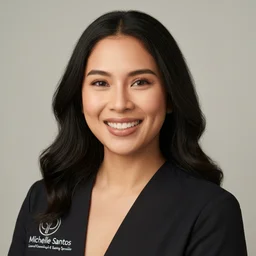
Paul Mitchell SchoolsMichelle Santos is a licensed cosmetologist with a Bachelor of Science in Esthetics and Salon Management from Paul Mitchell School. She has 16 years of salon industry experience and 8 years preparing students for state cosmetology board exams in theory, practical skills, and sanitation. She specializes in licensure preparation for cosmetologists, estheticians, and nail technicians.