
BSN Programs in San Antonio: Complete Guide to Requirements, Schools, and Career Outcomes
BSN programs in San Antonio — compare top schools, admission requirements, costs & career outcomes. Your complete 2026 September guide. 🎓

BSN programs in San Antonio offer aspiring nurses one of the most dynamic educational landscapes in Texas, with a robust healthcare market anchored by major hospital systems like University Health, Methodist Healthcare, and Baptist Health System.
The city's rapid population growth — now exceeding 1.5 million residents in the metro area — has created sustained demand for highly educated registered nurses, making a Bachelor of Science in Nursing not just an advantage but increasingly a baseline expectation for career advancement. Whether you are a first-time college student or a working CNA ready to level up, San Antonio's diverse program portfolio has an option designed for your timeline and budget.
Choosing the right BSN pathway requires understanding how local programs compare on accreditation, clinical placement networks, NCLEX pass rates, and tuition costs. San Antonio is home to both traditional four-year university programs and accelerated BSN tracks that compress coursework into 12 to 16 months for students who already hold a non-nursing bachelor's degree. Community colleges in the area also offer ADN-to-BSN bridge pathways that allow working nurses to complete their bachelor's credential while remaining employed full time, giving students considerable scheduling flexibility without sacrificing academic rigor or clinical depth.
Accreditation is the single most important credential a BSN program can hold. Programs accredited by the Commission on Collegiate Nursing Education (CCNE) or the Accreditation Commission for Education in Nursing (ACEN) meet nationally recognized standards for curriculum quality, faculty qualifications, and student outcomes. San Antonio's top programs maintain CCNE accreditation, which is particularly valued by employers, the military, and graduate nursing schools. Graduates from non-accredited programs can face serious barriers when applying to nurse practitioner or clinical nurse specialist programs, so verifying accreditation status before enrolling is non-negotiable.
Tuition for BSN programs in San Antonio varies considerably by institution type. Public universities such as the University of Texas at San Antonio (UTSA) and Texas A&M University-San Antonio charge significantly lower in-state tuition rates than private institutions, often ranging from $8,000 to $18,000 per year before financial aid. Private and faith-based universities like Our Lady of the Lake University (OLLU) or the University of the Incarnate Word (UIW) may charge $25,000 to $38,000 annually but often provide generous institutional scholarships, particularly for nursing students with strong academic records or demonstrated financial need.
Clinical training is the backbone of any quality BSN program, and San Antonio's medical community provides exceptional placement opportunities. Students typically log 700 to 900 clinical hours across a variety of settings including acute care hospitals, community health clinics, pediatric units, labor and delivery, psychiatric facilities, and long-term care. The city's large military population also creates unique clinical exposure through partnerships with Brooke Army Medical Center (BAMC) and the San Antonio Military Medical Center (SAMMC), giving nursing students experience with trauma care and veteran-specific health challenges that are rare in most other U.S. cities.
Career prospects for BSN graduates in San Antonio are exceptionally strong. The Bureau of Labor Statistics projects registered nursing to grow 6 percent nationally through 2033, but Texas — and San Antonio specifically — is experiencing even faster growth due to population aging and healthcare infrastructure expansion.
BSN-prepared nurses in San Antonio earn median annual salaries between $62,000 and $78,000, with experienced nurses in specialty units earning well above $90,000. Nurses who pursue bsn programs in san antonio through bridge pathways often see salary increases of 10 to 20 percent within two years of degree completion, reflecting the premium employers place on baccalaureate-level preparation.
This guide walks you through everything you need to know to make a confident decision about BSN programs in San Antonio — from admission requirements and program formats to financial aid strategies and what to expect on the NCLEX-RN licensing exam after graduation. Use the sections below to build a complete picture of your nursing education roadmap in one of Texas's most exciting healthcare markets.
BSN Programs in San Antonio by the Numbers
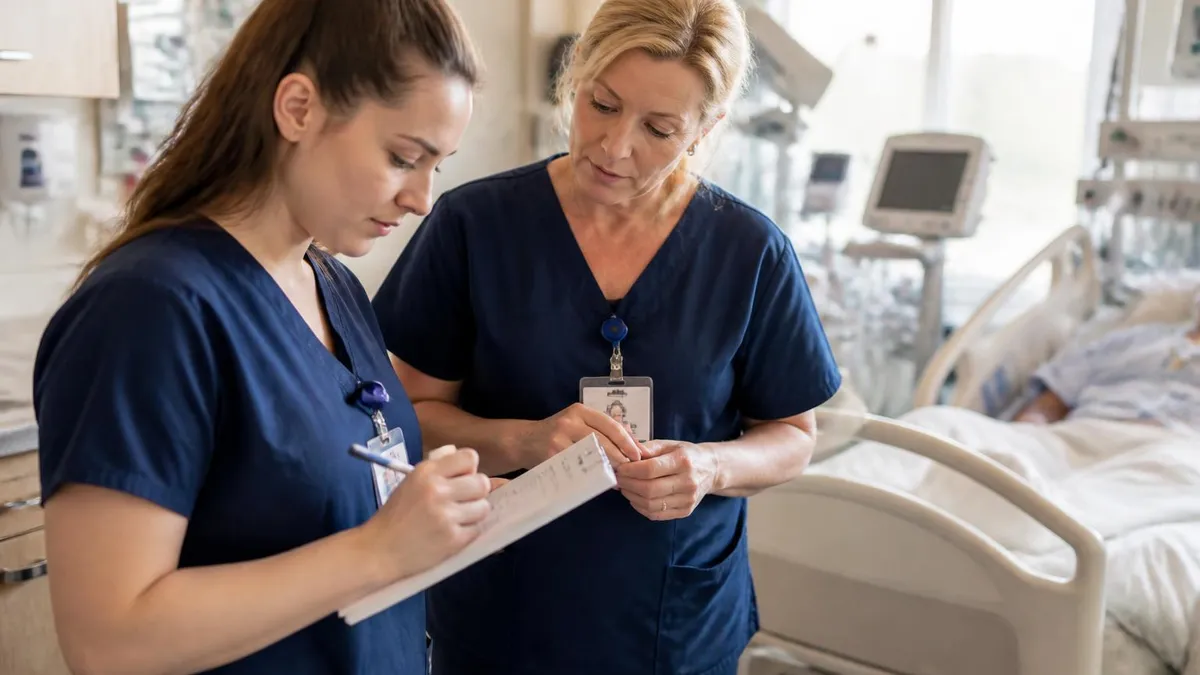
Top BSN Programs in San Antonio
The University of Texas at San Antonio offers a CCNE-accredited BSN with strong clinical partnerships at University Health and South Texas Veterans Health Care System. In-state tuition is among the most affordable in the city, making it a top choice for budget-conscious students seeking public university prestige.
UIW's Ila Faye Miller School of Nursing offers both a traditional BSN and an accelerated second-degree BSN track. The program emphasizes holistic, faith-based care and maintains CCNE accreditation. Clinical placements span the city's major hospital systems with notable strength in trauma and maternal health rotations.
OLLU's nursing program is CCNE-accredited and particularly strong in community and public health nursing, reflecting the university's long-standing commitment to serving underrepresented populations in the San Antonio area. Small class sizes and dedicated faculty advising create a highly personalized learning environment for each cohort.
Wayland's San Antonio campus offers an RN-to-BSN completion program designed for working registered nurses. The flexible online-hybrid format allows students to maintain full-time employment while earning their degree in as few as 12 months, making it a popular choice among ADN nurses seeking advancement.
Directly affiliated with Baptist Health System, this program offers unique advantages including priority clinical placement and strong post-graduation hiring pipelines within the Baptist network. The curriculum integrates evidence-based practice from day one, preparing students for the research-informed care models now standard in Magnet hospitals.
Understanding admission requirements for BSN programs in San Antonio is the essential first step toward building a competitive application. Most programs operate on a selective admissions model, meaning that meeting minimum requirements does not guarantee acceptance — programs rank applicants based on a composite score that weighs GPA, prerequisite grades, TEAS scores, healthcare experience, and sometimes letters of recommendation. Knowing how each factor is weighted at your target school gives you the strategic advantage to focus your preparation time where it matters most.
Academic prerequisites form the foundation of every BSN application. Nearly all San Antonio programs require completion of anatomy and physiology I and II, microbiology, chemistry, nutrition, statistics, and English composition before nursing coursework can begin. Each of these courses must typically be completed with a grade of C or higher, though competitive applicants aim for B or better in sciences. Some programs require that science prerequisites be completed within the past five to seven years, so returning students who took these courses a decade ago may need to retake them to qualify for admission consideration.
The ATI TEAS (Test of Essential Academic Skills) is required by virtually every BSN program in San Antonio. This standardized entrance exam tests reading, mathematics, science, and English language proficiency on a 209-question, 209-minute format. Most San Antonio programs require a minimum composite score of 65 to 70 percent, but competitive admission typically requires scores in the 75 to 85 percent range. The TEAS can be taken multiple times, and most programs accept your highest score, though some limit attempts to two or three per application cycle, so thorough preparation before your first attempt is strongly advised.
Healthcare experience requirements vary significantly by program and track. Traditional BSN programs aimed at first-time students generally do not require prior clinical experience, though volunteer work, CNA certification, or medical scribing will strengthen your application. Accelerated BSN programs, on the other hand, often expect applicants to demonstrate healthcare exposure, recognizing that their compressed timeline demands students who already understand the clinical environment. Documenting your experience carefully — with specific hours, facility names, and a brief description of your role — makes a meaningful difference in how admissions committees perceive your readiness for rigorous nursing training.
Letters of recommendation carry considerable weight at some institutions, particularly private universities where faculty culture emphasizes personal mentorship. Strong recommendation letters come from science professors who can speak to your academic capability, clinical supervisors who observed your patient interaction skills, or healthcare professionals who can contextualize your motivation for pursuing nursing. Generic letters that do not speak to your specific qualities or experiences rarely help applications; choose recommenders who know you well enough to provide concrete, compelling evidence of your qualifications and character.
Personal statements and essays are your opportunity to explain why you are pursuing nursing, what draws you specifically to the San Antonio healthcare community, and how your unique background will contribute to your cohort. Admissions committees read hundreds of essays and quickly recognize generic statements about wanting to help people.
The most successful applicants tell specific stories — a clinical moment that clarified their purpose, a community health challenge they witnessed, or a personal experience with the healthcare system that shaped their perspective. Authenticity and specificity are the hallmarks of a memorable nursing school personal statement that moves applications from the middle pile to the acceptance stack.
Background checks and drug screening are required at or before program entry at every accredited San Antonio BSN program. Clinical facility partners mandate clear background reports, and any criminal history — even minor infractions — can complicate or prevent clinical placement, which in turn makes program completion impossible. If you have any history that might appear on a background check, consult with the nursing program's student services office before applying to understand your options and whether a formal petition process exists for your situation. Proactive transparency is always better than surprises discovered late in the admissions process.
BSN Program Formats and Delivery Options in San Antonio
The traditional four-year BSN is the most common pathway for high school graduates and first-time college students entering nursing. Students complete two years of general education and science prerequisites before transitioning into the upper-division nursing major, which covers foundational nursing science, pharmacology, pathophysiology, evidence-based practice, and clinical rotations across multiple healthcare settings in San Antonio's extensive hospital network.
This format offers the deepest integration of liberal arts education with nursing science, preparing graduates for leadership and graduate study. Class sizes in San Antonio's traditional programs typically range from 40 to 80 students per cohort, with simulation labs, skills labs, and hospital clinical rotations comprising roughly 40 percent of total credit hours. NCLEX pass rates from traditional programs are consistently strong, typically exceeding 85 percent on the first attempt.
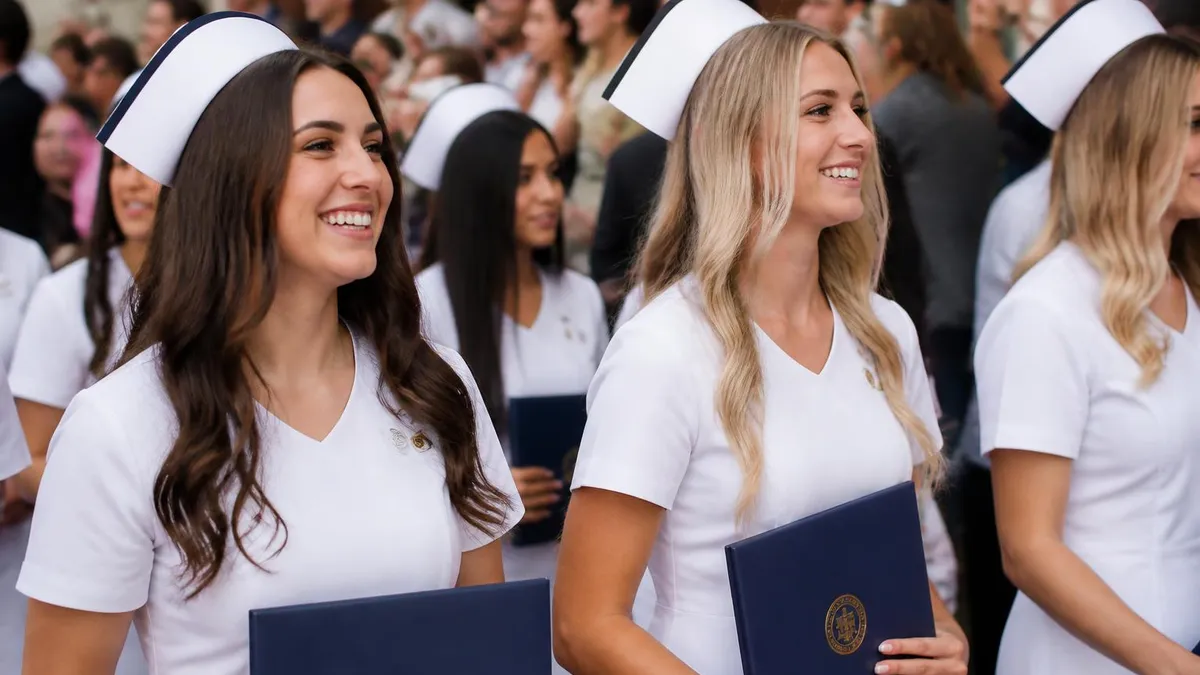
Is Pursuing a BSN in San Antonio the Right Choice for You?
- +San Antonio's booming healthcare market offers exceptional post-graduation employment prospects with multiple competing hospital systems actively recruiting BSN graduates
- +In-state tuition at public universities like UTSA makes BSN education significantly more affordable than national averages for Texas residents
- +Rich clinical placement network including civilian hospitals, military medical centers, and community health clinics provides diverse training experiences
- +Multiple program formats — traditional, accelerated, and RN-to-BSN — accommodate virtually every student's timeline and prior educational background
- +Strong military and veteran community creates unique clinical exposure to trauma care, rehabilitation, and veteran mental health not available in most U.S. cities
- +Texas Board of Nursing NCLEX pass rates at accredited San Antonio programs consistently exceed state averages, reflecting strong program quality
- −Competitive admissions at top programs means strong prerequisite grades and TEAS scores are essential, not optional, requiring serious upfront preparation
- −San Antonio's cost of living has risen sharply in recent years, increasing the financial pressure on full-time students without employment income
- −Accelerated BSN programs are exceptionally demanding and have higher attrition rates than traditional formats, requiring extraordinary time management
- −Clinical parking, transportation, and uniform costs add hidden expenses to program budgets that are not reflected in published tuition figures
- −Wait times for admission into competitive programs can extend 1 to 2 semesters beyond initial application, delaying program start for many qualified applicants
- −Texas summer heat can make long clinical shifts physically taxing, particularly for students not accustomed to the local climate
BSN Application Checklist for San Antonio Programs
- ✓Verify your target program holds active CCNE or ACEN accreditation before spending time on the application
- ✓Complete all required science prerequisites (A&P I & II, Microbiology, Chemistry) with grades of B or better
- ✓Register for and complete the ATI TEAS exam, targeting a composite score of 75 percent or higher
- ✓Request official transcripts from every college or university you have previously attended
- ✓Secure two to three letters of recommendation from science professors or clinical supervisors who know you personally
- ✓Write a specific, story-driven personal statement that connects your background to nursing in San Antonio
- ✓Document all healthcare experience with employer names, specific dates, and hours worked or volunteered
- ✓Complete a criminal background check and gather required immunization records including Hepatitis B series
- ✓Apply for FAFSA and investigate Texas nursing scholarships including the Texas Higher Education Coordinating Board grants
- ✓Confirm CPR certification (BLS for Healthcare Providers, not basic CPR) is current before clinical placement begins
Military Affiliation Can Open Unique BSN Pathways
San Antonio's designation as Military City USA creates BSN opportunities that are genuinely unique. Active duty service members, veterans, and dependents may qualify for TA (Tuition Assistance), GI Bill benefits, or Yellow Ribbon Program funding that dramatically reduces out-of-pocket BSN costs. Additionally, clinical rotations at BAMC and SAMMC provide trauma nursing experience that accelerates professional development and opens doors to competitive specialty roles unavailable at most civilian institutions.
Understanding the full cost of a BSN program in San Antonio requires looking beyond published tuition rates to account for fees, clinical supplies, licensing costs, and living expenses. At UTSA, for example, in-state undergraduate tuition runs approximately $8,000 to $10,000 per academic year, but when you add mandatory student fees, nursing-specific lab fees, uniform costs, and transportation to clinical sites, the actual annual cost for a nursing student can approach $14,000 to $18,000 before housing and food expenses.
Private universities typically run $28,000 to $38,000 per year in direct program costs, though institutional scholarships can bring net costs closer to public university levels for students who apply proactively.
Financial aid options for San Antonio nursing students are broader than many applicants realize. The Free Application for Federal Student Aid (FAFSA) remains the starting point — completing it early, ideally before February 1st for fall admission, maximizes eligibility for grants, subsidized loans, and work-study opportunities. Texas residents should also investigate the Texas Educational Opportunity Grant (TEOG), the TEXAS Grant for Pell-eligible students, and the Health Professions Nursing Shortage Reduction Program, which provides funding to nursing students who commit to practicing in medically underserved Texas communities after graduation.
Employer tuition reimbursement is an underutilized financial tool that can substantially offset BSN costs. Major San Antonio health systems — including University Health, Methodist Healthcare, and CHRISTUS Health — offer tuition reimbursement benefits ranging from $2,500 to $8,000 per year for employees pursuing nursing degrees. This means that CNAs, medical assistants, patient care technicians, and unit clerks already working in these systems can often complete an RN-to-BSN or even a direct-entry BSN with minimal personal financial burden by combining employer reimbursement with FAFSA-based aid and program scholarships.
Scholarship opportunities specific to San Antonio nursing students are available from multiple sources. The San Antonio Medical Foundation, the Texas Nurses Association District 7, local hospital foundations, and individual hospital systems sponsor nursing-specific scholarships ranging from $500 to $5,000 per award cycle. The key to winning these awards is applying early, tailoring each application to the sponsor's specific mission, and demonstrating both academic merit and a clear commitment to serving the San Antonio community. Students who apply to ten or more scholarships statistically secure significantly more funding than those who apply to two or three.
Military education benefits deserve special mention given San Antonio's large active duty and veteran population. The Post-9/11 GI Bill can cover up to 100 percent of in-state public university tuition, a monthly housing allowance, and a book stipend for eligible veterans and dependents.
The Yellow Ribbon Program extends this benefit to cover private university tuition gaps, and many San Antonio nursing schools participate as Yellow Ribbon institutions. Active duty service members using Tuition Assistance (TA) can often complete BSN prerequisite courses at little or no cost before separating from service, putting them in a strong position to enter competitive accelerated programs immediately after discharge.
Managing living expenses during a BSN program requires planning, particularly for full-time students in accelerated formats who cannot maintain outside employment during the academic year. San Antonio's median rent for a one-bedroom apartment is lower than Austin, Houston, or Dallas, averaging $1,000 to $1,300 per month as of 2026, which helps stretch financial aid budgets. Students in traditional four-year programs often maintain part-time employment in healthcare settings — working as CNAs, patient technicians, or unit secretaries — which simultaneously generates income, builds clinical experience for the resume, and reinforces classroom learning through real-world application.
Understanding the return on investment (ROI) of a BSN in San Antonio is straightforward when you examine salary progression data. An ADN-prepared nurse in San Antonio earns a median of approximately $62,000 annually at entry level, while BSN-prepared nurses start closer to $68,000 to $72,000.
Over a 30-year career, this difference compounds significantly, especially when BSN nurses access specialty certifications, charge nurse roles, and nurse manager positions that ADN nurses are increasingly excluded from at Magnet-designated hospitals. The median BSN total cost of $40,000 to $80,000 is typically recovered within three to five years of career earnings premium, making it one of the most cost-effective advanced credentials available in the Texas healthcare workforce.
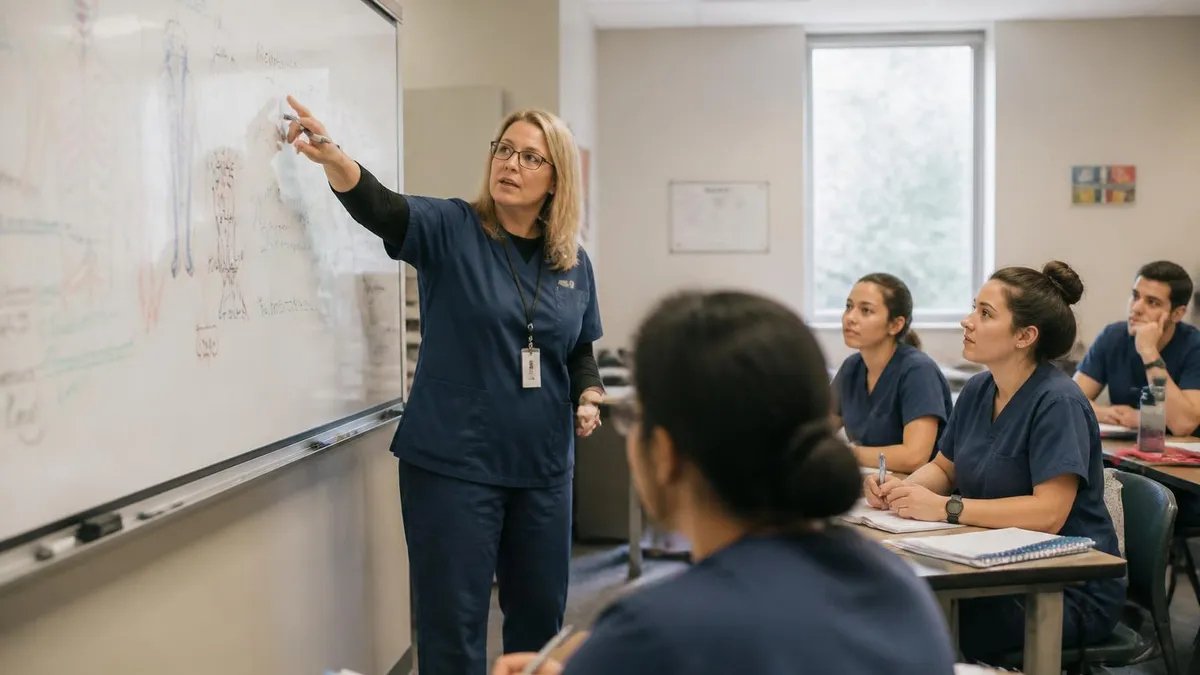
Most San Antonio BSN programs with fall start dates close applications between January 15 and March 1 — often five to seven months before classes begin. TEAS scores and prerequisite transcripts must typically be submitted by the same deadline, meaning you need to take the TEAS no later than December or January. Missing the priority deadline frequently means waiting an entire year for the next admission cycle, so build your application timeline backwards from the deadline, not forwards from when you feel ready.
Career outcomes for BSN graduates from San Antonio programs are among the strongest in the state, driven by the city's diversified healthcare economy and the presence of both large academic medical systems and community-based care organizations. University Health, a nationally recognized Level I trauma center, is one of the largest public health systems in Texas and actively recruits BSN graduates, offering structured nurse residency programs that provide mentored transition-to-practice support for new nurses over 12 months. These residency programs, which are standard at Magnet-designated hospitals, significantly improve first-year retention and job satisfaction for new graduates.
The military healthcare ecosystem in San Antonio creates career pathways that are virtually unavailable in any other U.S. city. BSN-prepared civilian nurses can work directly at Brooke Army Medical Center or the San Antonio Military Medical Center as civilian federal employees, earning competitive GS-scale salaries with federal benefits packages that include robust retirement contributions, health insurance, and significant job stability. Nurses interested in serving active duty and veteran populations find San Antonio uniquely positioned to deliver that mission across every stage of a long career, from acute trauma care to veteran mental health and rehabilitation services.
Specialty nursing opportunities in San Antonio reflect the full spectrum of BSN-level practice. The city's large pediatric population is served by Children's Hospital of San Antonio, a CHRISTUS Health facility with growing nursing teams in pediatric oncology, neonatal intensive care, and pediatric cardiac care. The University Health System's Robert B. Green Campus serves as the safety-net hospital for Bexar County's uninsured population, offering BSN nurses exceptional experience in high-acuity, resource-constrained care environments that develop clinical judgment faster than almost any other setting in the city.
Graduate education pathways from San Antonio BSN programs are well established. Graduates who wish to advance to nurse practitioner, clinical nurse specialist, or nurse anesthesia roles can transition directly into graduate programs at UTSA's Doctor of Nursing Practice track, the University of the Incarnate Word's MSN programs, or apply to nationally competitive programs using the strong clinical preparation their San Antonio BSN provides. The National Council Licensure Examination (NCLEX-RN) is the gateway to practice, and San Antonio programs invest heavily in NCLEX preparation through integrated testing throughout the curriculum, standardized patient simulations, and ATI or Kaplan review partnerships.
NCLEX-RN pass rates are a critical quality indicator when evaluating BSN programs, and Texas Board of Nursing publishes first-time pass rate data annually by program. Top San Antonio programs maintain first-time pass rates of 85 to 93 percent, meaningfully above the national average. Programs below 80 percent warrant additional scrutiny, as this may indicate curriculum gaps, insufficient clinical preparation, or student support deficiencies. When comparing programs, look at three-year trends rather than single-year snapshots, since one difficult cohort can temporarily depress statistics that are otherwise strong.
Professional nursing organizations play an underappreciated role in accelerating BSN career development. The Texas Nurses Association District 7 serves San Antonio nurses and offers networking events, continuing education, advocacy training, and scholarship opportunities. Joining the Student Nurse Association during your BSN program connects you to peers, mentors, and job opportunities before graduation. The American Association of Colleges of Nursing (AACN) and the National Student Nurses' Association (NSNA) provide national platforms for policy engagement and professional leadership development that distinguish competitive job applicants in a crowded BSN graduate market.
For nurses already holding an ADN who want to compare their options across delivery formats and institutions, the landscape of online and hybrid completion programs has expanded dramatically. Reviewing bsn programs in san antonio via online bridge formats can dramatically reduce commute time and scheduling conflicts for working RNs. Whether your goal is bedside specialty practice, healthcare administration, advanced practice licensure, or public health nursing, the BSN from a San Antonio program provides a credential that employers, graduate schools, and professional organizations recognize as the standard of professional nursing education in the 21st century.
Preparing effectively for both your BSN coursework and the NCLEX-RN requires a study strategy that goes well beyond passive reading and note review. The most successful BSN students in San Antonio's competitive programs adopt active learning techniques from their very first semester, recognizing that nursing education is fundamentally about clinical reasoning — not memorization. Building strong study habits early prevents the overwhelming cramming cycles that undermine performance in accelerated curricula where the pace of new content leaves little room for catching up once you fall behind.
Practice questions are the single most evidence-supported NCLEX preparation tool available. Research on NCLEX outcomes consistently shows that students who complete the most practice questions — particularly application-level and analysis-level questions rather than simple recall items — outperform those who spend more time reading.
The new Next Generation NCLEX (NGN) format introduced in 2023 emphasizes clinical judgment through case studies, drag-and-drop, and extended multiple-response items that require nurses to demonstrate integrated reasoning across patient scenarios rather than isolated fact retrieval. Familiarizing yourself with these question formats early in your BSN program, not just in the final semester, creates a significant advantage.
Time management during clinical rotations requires a fundamentally different skill set than classroom study. Clinical days are often 8 to 12 hours long, leaving limited energy for additional studying in the evening. Successful BSN students in San Antonio learn to use downtime during clinical shifts — patient transport moments, brief breaks, waiting periods — for targeted review of the day's patient conditions using pharmacology apps, pathophysiology reference tools, or practice questions on mobile devices. This micro-learning strategy maintains knowledge currency without requiring additional hours at a desk after exhausting clinical days.
Peer study groups are highly effective for BSN students provided they are structured and focused rather than conversational. Groups of three to four students who divide teaching responsibilities — each member takes ownership of explaining one topic area to the group — achieve stronger retention than groups that simply review notes together. San Antonio's BSN programs often support formal peer learning communities, and many hospitals hosting clinical rotations allow students to debrief together after shifts, which is one of the most powerful learning activities available because it connects clinical observation directly to didactic content in real time.
Simulation labs are a high-leverage learning resource that many BSN students underutilize. San Antonio's top nursing programs invest in high-fidelity simulation mannequins and standardized patient actors that replicate realistic clinical scenarios in safe learning environments. Approaching simulation with the same mindset as a real clinical encounter — arriving prepared, debriefing seriously, reviewing the pathophysiology of each scenario — converts simulation hours into genuine competency development. Students who treat simulation as theater rehearsal rather than real practice squander one of the most expensive and effective educational tools their program provides.
Wellness and stress management are not peripheral concerns for BSN students — they are central to academic success and long-term career sustainability. Nursing school is genuinely demanding, and San Antonio programs have student support services including counseling, tutoring, and peer mentoring that exist specifically to help students navigate high-stress periods without withdrawing or failing.
Using these resources proactively, before you reach a crisis point, is a sign of professional self-awareness rather than weakness. The nurses who thrive over 30-year careers are almost universally those who learned to manage their own stress and burnout risk during training, not those who ignored it and powered through.
As you approach graduation and NCLEX scheduling, create a structured eight-to-twelve-week review plan that covers all major content domains: medical-surgical nursing, pharmacology, maternal-newborn, pediatric, psychiatric, and community health nursing. Allocate more study time to your weakest areas identified through practice test performance, but maintain familiarity with stronger domains to prevent knowledge decay.
The NCLEX is a computer-adaptive test, meaning it adjusts question difficulty based on your responses — a feature that rewards broad, consistent preparation over domain-specific cramming. Budget your final two weeks before the exam for light review and rest rather than intensive new content, since cognitive fatigue on exam day is a more common cause of failure than knowledge gaps at that stage of preparation.
BSN Questions and Answers
ADN to BSN Online: Bridge Programs and Costs Complete Guide

Accelerated BSN Programs by Location: Complete US Guide With Canada Comparison for 2026

Accredited BSN Programs: Complete Guide to CCNE and ACEN Nursing Degrees in 2026

BSN RN: What It Is, Salary, and Why It Matters in 2026

Inexpensive Online RN to BSN Programs: Affordable Paths to Your Bachelor's Degree in 2026
About the Author

Registered Nurse & Healthcare Educator
Johns Hopkins University School of NursingDr. Sarah Mitchell is a board-certified registered nurse with over 15 years of clinical and academic experience. She completed her PhD in Nursing Science at Johns Hopkins University and has taught NCLEX preparation and clinical skills courses for nursing students across the United States. Her research focuses on evidence-based exam preparation strategies for healthcare certification candidates.