
Wisconsin Boating License 2026 September: Complete Boater Safety Certificate Guide
✍🏼 Wisconsin boating license guide 2026 September: age rules, fees, online course, exam tips, and how to get your Wisconsin Boater Safety Certificate fast.
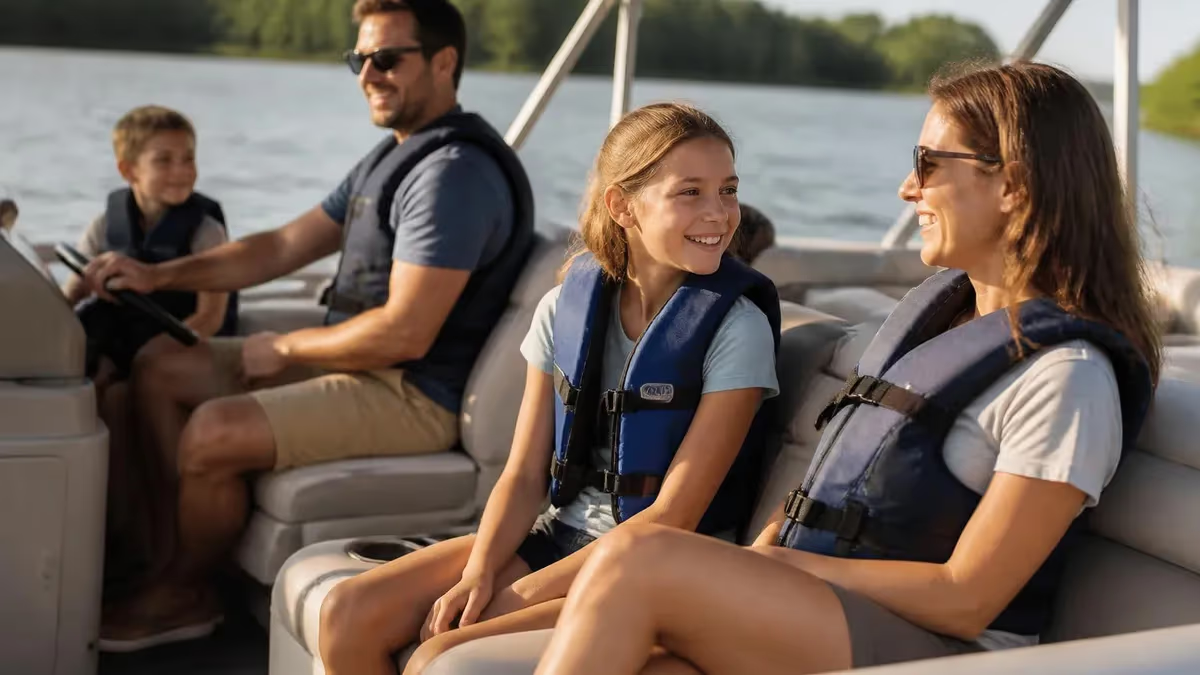
Getting your wisconsin boating license is the single most important step before you legally throttle up on any of the state's 15,000 lakes, the Mississippi backwaters, or the Lake Michigan shoreline. Wisconsin calls the credential a Boater Safety Certificate, and the Wisconsin Department of Natural Resources requires it for anyone born on or after January 1, 1989 who plans to operate a motorboat or personal watercraft.
The certificate never expires, costs less than a tank of marine fuel, and prevents fines that can climb past $200 per violation when wardens patrol busy waterways like Lake Winnebago, Castle Rock Flowage, or Geneva Lake.
Unlike a driver's license, the Wisconsin Boater Safety Certificate is not photo identification and does not need to be renewed every few years. Once you pass the state-approved course and the proctored exam, your number is logged in the DNR's database for life. You can carry the printed wallet card, a PDF on your phone, or simply recite your certificate number if a conservation warden asks. That convenience makes Wisconsin one of the friendlier states in the Midwest for first-time boaters who simply want to enjoy a pontoon weekend without bureaucratic headaches.
The course itself is a structured eight-hour curriculum covering navigation rules, life jacket law, alcohol enforcement, cold-water survival, hypothermia recognition, and Wisconsin-specific regulations such as the 100-foot slow-no-wake rule, the towing-sports daylight restriction, and the new wake-enhancing ballast tank rules that took effect in recent legislative sessions. Most students complete it online in three sittings, while classroom programs run on weekends through county sheriff's departments, marinas, and youth organizations like the Boy Scouts and 4-H.
Wisconsin also recognizes equivalent certificates from other states under the NASBLA reciprocity agreement, which matters for snowbirds who already hold a florida boating license or any other state-issued NASBLA card. If your home certificate is approved, you can operate in Wisconsin waters without retesting. The opposite is also true: a Wisconsin card travels with you to Minnesota, Michigan, and most other states that participate in the compact. Always carry proof while operating, because verbal claims rarely satisfy a warden during a routine safety stop.
The financial side is refreshingly modest. Wisconsin charges a flat $10 issuance fee, plus the cost of whichever DNR-approved provider you choose. Most online vendors charge between $29.95 and $39.95, and several offer pay-only-if-you-pass models that let students study the material free of charge until they're confident enough to sit the final. Compared with the registration, insurance, fuel, and storage costs of owning a boat, the certificate is a rounding error that pays for itself the first time it saves you from a citation.
This guide walks through every requirement, fee, exam topic, and study strategy you need to pass on the first attempt. You'll find a step-by-step timeline, a printable checklist, comparisons between online and classroom options, frequently asked questions, and links to free practice quizzes drawn from the same NASBLA question bank that powers the official exam. By the time you finish reading, you'll know exactly how to get your Wisconsin Boater Safety Certificate, how much it will cost, and how to study efficiently so you spend less time hitting the books and more time hitting the water.
Whether you're a 16-year-old eager to drive the family ski boat solo, a parent renting a pontoon at the Wisconsin Dells, or a retiree finally buying that long-promised bass rig, this article is built for you. Bookmark it, share it with crew members who'll be operating the throttle, and use the embedded practice quizzes to test your knowledge before the proctored exam. Wisconsin's waters reward preparation, and the boater safety certificate is the cheapest insurance policy you'll ever buy on the water.
Wisconsin Boating License by the Numbers
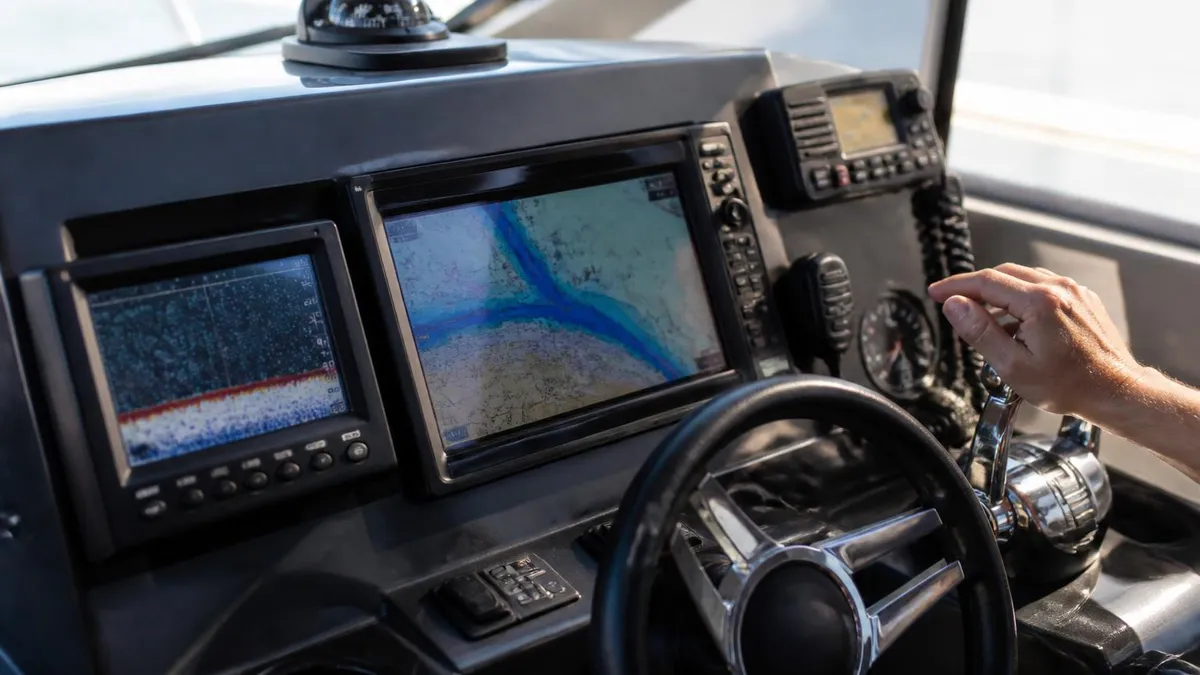
Wisconsin Boater Safety Certificate Requirements
Youth aged 12 through 15 may operate a motorboat solo only after completing the boater safety course and earning the certificate. Without it, an adult 18 or older must be aboard and in immediate control of the throttle at all times.
Anyone born on or after January 1, 1989 must carry a Wisconsin Boater Safety Certificate to operate a motorboat or PWC. Those born before that date are grandfathered in and exempt from the certification requirement entirely.
Jet ski and WaveRunner operators must be at least 12 years old and possess the certificate regardless of birth date. PWC operation between sunset and sunrise is prohibited statewide under Wisconsin Act 215 enforcement.
Liveries can issue a temporary 60-day rental certificate after a short safety briefing, but anyone born after the cutoff date still needs the full course for vessels they own or borrow from friends.
Visitors from NASBLA-approved states may use their home certificate. Boaters from non-approved jurisdictions need a Wisconsin card or temporary rental certificate before launching on state waters.
The path to your Wisconsin Boater Safety Certificate begins with choosing a DNR-approved course provider. The state currently authorizes five major online vendors plus a network of classroom instructors, all of which deliver the same NASBLA-aligned curriculum. Pricing ranges from $29.95 to $44.95, and every option must culminate in a proctored final exam supervised either by a webcam, an in-person instructor, or a participating county sheriff's office. Compare this with the alabama boating license system and you'll notice Wisconsin's process is slightly longer but better priced.
Once you select a provider, plan to dedicate roughly eight hours of study time across the six core modules: introduction to boating, before-you-leave-shore preparation, navigation rules, boating problems, legal requirements, and enjoying water sports safely. Each module ends with a short comprehension check that you must pass before unlocking the next. The platform tracks your progress automatically, so you can log off at any point and resume later from a phone, tablet, or laptop without losing your place in the curriculum.
After completing all modules, you'll take the final exam, which contains 50 to 75 multiple-choice questions depending on the vendor. You must score at least 75 percent to pass. Most providers allow unlimited retakes at no additional charge, and the questions are pulled from a randomized bank so you won't see identical wording twice. Take your time—there's no penalty for slow answers—and use the built-in glossary to verify unfamiliar terms like draft, freeboard, or aids to navigation before committing to a response.
When you pass, the system instantly generates a temporary certificate that you can print or save as a PDF. The permanent card arrives by mail from the Wisconsin DNR within three to four weeks, but the temporary version is legally valid during the interim. Many wardens have begun accepting a digital screenshot stored in your phone's photo library, but the safest practice is to carry both digital and physical copies, especially when boating on weekends near busy public landings.
If you prefer in-person instruction, the Wisconsin DNR maintains a calendar of free and low-cost classroom courses run by volunteer instructors, sheriff's departments, the U.S. Power Squadron, and the Coast Guard Auxiliary. These typically meet across two Saturdays or four weeknights and conclude with the same proctored exam. Classroom participants often score higher on the first attempt because instructors can demonstrate knots, line handling, and proper PFD donning techniques that videos struggle to convey effectively.
Youth applicants ages 12 to 15 may take the course alongside an adult, but they must sit the proctored exam unassisted. Parents frequently ask whether tablets are allowed during the test—they are not. The exam is closed-book by default, although some vendors offer an open-book option that requires a higher passing score of 80 percent. Read your provider's exam policy carefully before launching the test, because once the timer starts you cannot pause to review the rules without forfeiting your attempt.
Finally, budget time to register your boat separately with the DNR if you are the titled owner. Registration and certification are two different processes: the certificate covers the operator, while registration covers the vessel itself. Confusing the two is the single most common mistake new boaters make, and it can lead to a citation even when your certificate is current and properly displayed in your wallet, glove box, or phone gallery.
Boating License Practice Test Questions
Prepare for the Boating License Test exam with our free practice test modules. Each quiz covers key topics to help you pass on your first try.
Boating License American Boating License
Boating License Exam Questions covering American Boating License. Master Boating License Test concepts for certification prep.
Boating License Basic Boating License Prac...
Free Boating License Practice Test featuring Basic Boating License Practice. Improve your Boating License Exam score with mock test prep.
Boating License Test Boating License Test ...
Boating License Mock Exam on Test Boating License Test Emergency Procedures. Boating License Study Guide questions to pass on your first try.
Boating License Test Boating License Test ...
Boating License Test Prep for Test Boating License Test Life-Saving Equipment and PFDs. Practice Boating License Quiz questions and boost your score.
Boating License Test Boating License Test ...
Boating License Questions and Answers on Test Boating License Test Navigation Lights and Sound Signals. Free Boating License practice for exam readiness.
Boating License Test Boating License Test ...
Boating License Mock Test covering Test Boating License Test Vessel Registration and Legal Requirements. Online Boating License Test practice with instant feedback.
Boating License Test Boating Operations an...
Free Boating License Quiz on Test Boating Operations and Maintenance. Boating License Exam prep questions with detailed explanations.
Boating License Test Boating Safety and Na...
Boating License Practice Questions for Test Boating Safety and Navigation Rules. Build confidence for your Boating License certification exam.
Do You Need License to Operate a Boat in Wisconsin?
The online route is the most popular path among working adults and busy parents. You log in whenever it suits your schedule, complete six modules at your own pace, and sit the final exam from your living room while a webcam proctor watches. The entire curriculum can be finished in a single rainy Saturday or stretched across two weeks of evening sessions.
Costs run $29.95 to $44.95 depending on vendor, and every approved provider issues a temporary printable certificate the moment you pass. The main drawback is that you'll need a reliable computer and broadband connection, plus a quiet space free from interruptions for the duration of the final test.
Wisconsin Boater Safety Certificate: Pros and Cons
- +Certificate never expires once issued by the DNR
- +Inexpensive at $10 plus modest course fees
- +Recognized in all NASBLA member states for travel
- +Free classroom options available statewide
- +Multiple retakes allowed at no additional cost
- +Temporary certificate issued instantly upon passing
- +Builds genuine safety skills that prevent accidents
- −Eight-hour minimum course time can feel tedious
- −Webcam proctoring requires reliable broadband connection
- −Classroom schedules fill quickly before summer season
- −Rental certificates only valid for 60 days
- −Some vendors charge re-issuance fees for lost cards
- −Does not waive separate boat registration requirements
Wisconsin Boating License Pre-Exam Checklist
- ✓Verify your birth date falls on or after January 1, 1989 requiring certification
- ✓Select a DNR-approved course provider from the official Wisconsin list
- ✓Pay the course fee and the separate $10 state issuance fee
- ✓Reserve at least eight hours of focused study time across the six modules
- ✓Take notes on the 100-foot slow-no-wake rule and PWC nighttime ban
- ✓Complete every module quiz before unlocking the proctored final exam
- ✓Test your webcam, microphone, and broadband connection before launch
- ✓Have a government-issued photo ID ready for the proctor to verify
- ✓Score at least 75 percent on the final exam to earn your certificate
- ✓Print the temporary certificate and store a PDF copy on your phone
- ✓Watch your mailbox for the permanent wallet card within three to four weeks
- ✓Register your boat separately with the Wisconsin DNR if you own the vessel
Your certificate covers you, not the boat
The single most common mistake new Wisconsin boaters make is assuming the Boater Safety Certificate also registers the vessel. It does not. Operators carry the certificate; boats carry a registration decal on the hull. Both are required, and wardens routinely cite people who have one but not the other during summer enforcement sweeps.
Wisconsin's on-water laws are stricter than many neighboring Midwest states, and the exam tests your understanding of every major regulation. The 100-foot slow-no-wake rule requires operators to slow to headway speed when within 100 feet of another boat, a dock, a swimmer, a raft, or the shoreline on rivers and most lakes. Violating this rule is the most cited offense in the state and carries fines starting at $175 plus court costs that can push the total well past $250 once administrative fees are added.
The state's boating-while-intoxicated law mirrors highway DUI thresholds at 0.08 percent blood alcohol concentration for adults and 0.02 percent for operators under 21. Wardens use the same field sobriety tests and breath instruments deployed by highway patrol, and a BWI conviction stacks penalties identical to a roadway OWI, including license suspension, mandatory ignition interlocks, and potential jail time. Some boaters are surprised to learn that even paddling a canoe while drunk can trigger BWI charges under Wisconsin Statute 30.681.
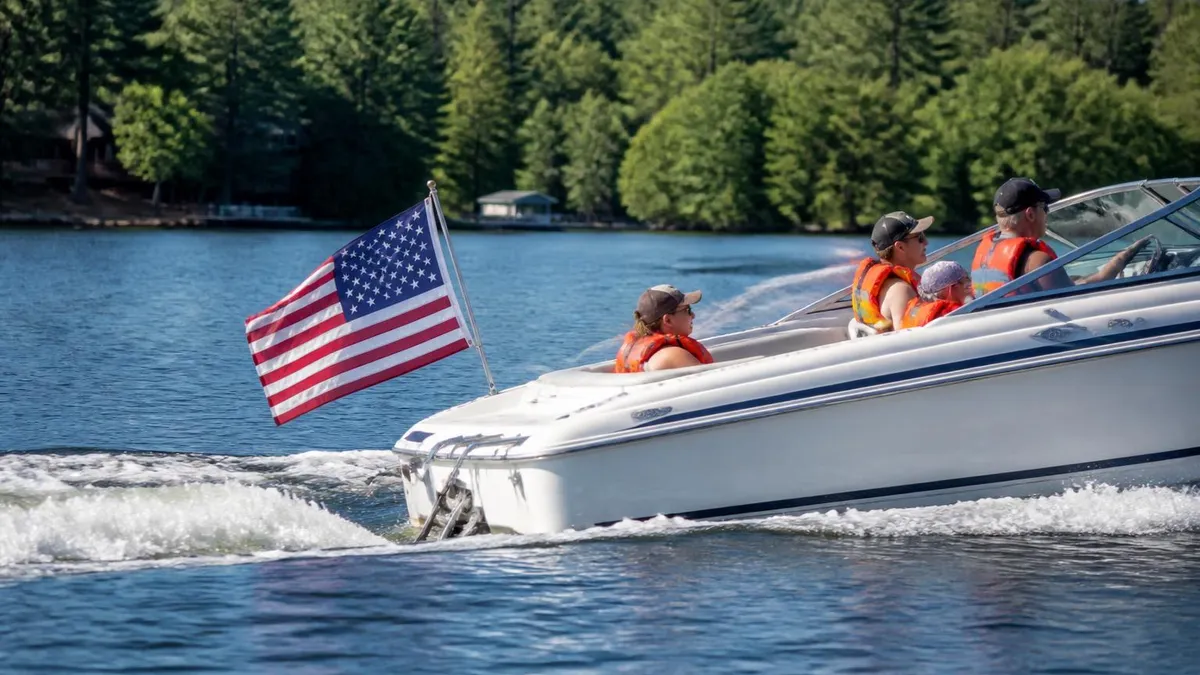
Personal flotation device requirements are equally strict. Every vessel must carry one wearable Type I, II, III, or V PFD per person aboard, and every child under 13 must wear theirs at all times while the boat is underway. Boats 16 feet and longer also require a throwable Type IV device that is immediately accessible from the helm. Wardens will ask you to show every PFD during a stop, and they will count heads to confirm the math, so do not skimp on this gear.
Navigation lights must be displayed from sunset to sunrise and during periods of reduced visibility such as fog or heavy rain. Power-driven vessels less than 65 feet need a masthead light, sidelights, and a sternlight; sailboats under sail alone may use a tricolor masthead light instead. The exam will test your ability to identify which vessel has the right of way based on the lights you can see across the water, so memorize the colors and arcs before sitting down for the proctored final.
Wisconsin also enforces strict aquatic invasive species rules. Before leaving any launch you must drain all water from your boat, bait wells, motor, and bilge; remove all weeds and debris; and never transport live fish in lake water. Penalties for transporting Eurasian milfoil, zebra mussels, or VHS-infected water start at $232 per occurrence and can climb dramatically for repeat offenders. The DNR posts warden contact information at every public launch for reporting violations.
Towing rules apply whenever you pull a skier, tuber, or wakeboarder. Wisconsin requires a competent observer at least 12 years old in addition to the operator, and the tow sport must occur only between sunrise and sunset. Operating a boat while towing at night is prohibited statewide regardless of how well lit the boat or rider may be. This rule trips up many new operators and is a favorite exam question because it differs from highway driving intuition.
Finally, the wake-enhancing ballast tank legislation passed in recent sessions adds new restrictions for wake-surfing boats. Boats with active ballast must remain at least 200 feet from shorelines, docks, and other vessels, and operators must complete the standard boater safety course plus a wake-sports endorsement module offered by approved vendors. Failure to comply can result in fines and impoundment of the vessel during peak weekends on popular wake-surfing lakes.
Wisconsin wardens treat boating while intoxicated identically to driving while intoxicated. A first BWI conviction can cost you your driver's license, not just your boating privileges, and a second offense within ten years can result in mandatory jail time. Designate a sober operator before pushing off from the dock.
Reciprocity is one of the most useful features of the Wisconsin Boater Safety Certificate program. Wisconsin honors NASBLA-approved certificates from every state that participates in the compact, which means snowbirds who already hold a california boating license or similar credential can launch on Lake Geneva or the Wolf River without retesting. The same courtesy applies in reverse: your Wisconsin card is valid in Minnesota, Michigan, Illinois, Iowa, and roughly 40 other states that recognize the NASBLA standard.
Out-of-state visitors should still carry their certificate in physical or digital form. Verbal claims of certification rarely satisfy a Wisconsin warden, especially during busy holiday weekends when boats stack up at the inspection points near major lakes. If your home state issues a paper card only, photograph both sides and save the image to your phone's cloud storage so you can produce it instantly even if the original is back at the lake house.
Canadian boaters operating in Wisconsin must hold a Pleasure Craft Operator Card issued by Transport Canada. The PCOC is recognized under a separate bilateral agreement and grants the same privileges as a NASBLA card. The reverse is also true: a Wisconsin certificate is generally accepted in Ontario, Manitoba, and other Canadian provinces, though local age restrictions may still apply for younger operators crossing the border to fish or camp.
Military families relocating to Wisconsin enjoy special accommodations. Active-duty service members and their dependents can transfer an out-of-state boater education credential into the Wisconsin system without retesting, and the DNR waives the $10 issuance fee for cards converted under military orders. Bring a copy of your PCS orders and the original out-of-state certificate to any regional DNR service center to complete the transfer in person.
If you have lost your Wisconsin certificate, you can request a duplicate online through the DNR's Go Wild portal for a $10 reissuance fee. The replacement card is mailed within three weeks, but you can print a temporary certificate immediately after the request is processed. Keep your DNR customer ID number handy, because the system uses it as the primary lookup field for replacement requests and renewal-related transactions.
Renters who only need to operate a borrowed boat for a single weekend can rely on the 60-day temporary rental certificate, but this option is not portable. The temporary card is valid only for vessels rented from the issuing livery; it cannot be used to operate a friend's boat or a craft you later buy from a private seller. For frequent renters, completing the full course is far more economical than paying for repeated temporary briefings every summer.
Finally, dual residents who own property in Wisconsin and another state should keep both states' certificates current if their second home is in a non-NASBLA jurisdiction. While 99 percent of states participate in the compact, a handful maintain separate standards, and operating in those waters without a state-specific credential can void insurance coverage in the event of an accident. Confirm reciprocity status with each state's natural resources agency before relocating boats across state lines.
The final stretch of preparation matters more than most students realize. After completing your six course modules, give yourself a full day off before attempting the proctored exam. Cognitive science research consistently shows that overnight sleep consolidates new material far better than cramming, and the Wisconsin Boater Safety final is exactly the kind of mixed-format test that benefits from rested recall. Plan your exam for a quiet morning rather than after a long workday for the best results.
Re-read the navigation rules chapter twice. This single section accounts for roughly 25 percent of all exam questions and is the most common reason candidates fail on their first attempt. Pay particular attention to the rules governing crossing situations, head-on meetings, and overtaking scenarios. Memorize which vessel is the stand-on craft and which is the give-way craft in each configuration, because the questions are phrased as visual scenarios that require quick mental decoding under time pressure.
Practice with free question banks like the ones embedded in this article and at tennessee boating license resources. Repetition builds pattern recognition, and the official Wisconsin exam draws from the same NASBLA question pool that powers most state tests. Aim to score 90 percent or higher on practice tests before sitting the proctored final, because real-exam jitters typically shave 5 to 10 percentage points off your practice average.
Set up your testing environment the night before. Position your laptop where the webcam shows your face clearly with no glare from windows. Have a government-issued photo ID, your DNR confirmation email, and a glass of water within easy reach. Most proctoring services will scan the room before the test begins, and any prohibited items in view—phones, textbooks, sticky notes—will void your attempt and force a 24-hour cooldown before you can try again.
During the exam, read each question twice before selecting an answer. Multiple-choice writers love distractor options that are almost correct but for a single keyword like always, never, or only. Watch for those absolute qualifiers and eliminate any option that overstates a rule. When in doubt, flag the question and return to it after completing the easier items, because correct answers to later questions often jog your memory on tougher earlier ones.
If you fail on the first attempt, do not panic. Wisconsin allows unlimited retakes through every approved provider, and most failed candidates miss the cutoff by only two or three questions. Review the topic breakdown your provider sends after the test, study the weak areas for an hour or two, and reattempt within 48 hours while the material is still fresh. Boater education statistics show that 92 percent of students who fail once pass on their second try without additional fees.
After passing, treat your certificate as a starting point rather than a finishing line. Real boating proficiency comes from time on the water, and the certificate simply confirms you understand the legal minimums. Consider joining a local power squadron, taking a hands-on docking class, or earning the optional advanced wake-sports endorsement if you'll be towing skiers and surfers. Every additional course you complete makes you a safer, more capable operator and reduces your insurance premiums in the process.
Boating License Questions and Answers

New Jersey Boating License: NJ Boat Safety Certificate Guide 2026
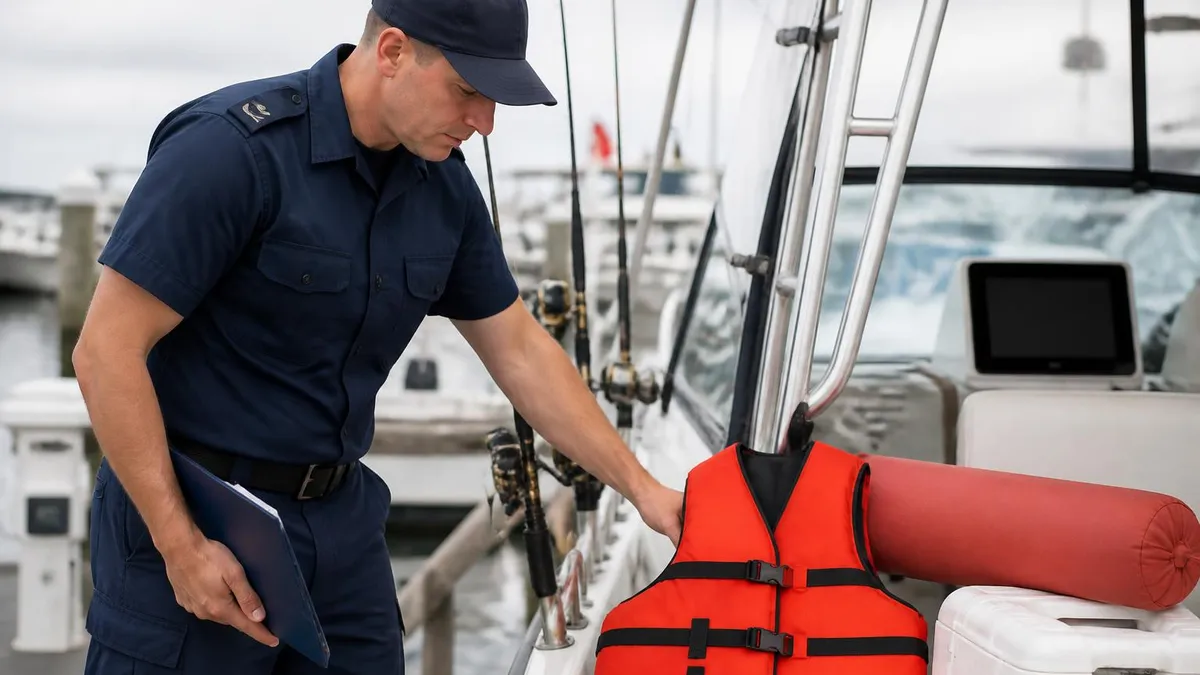
Boater Education Certificate: How to Get Your Boating Safety Card
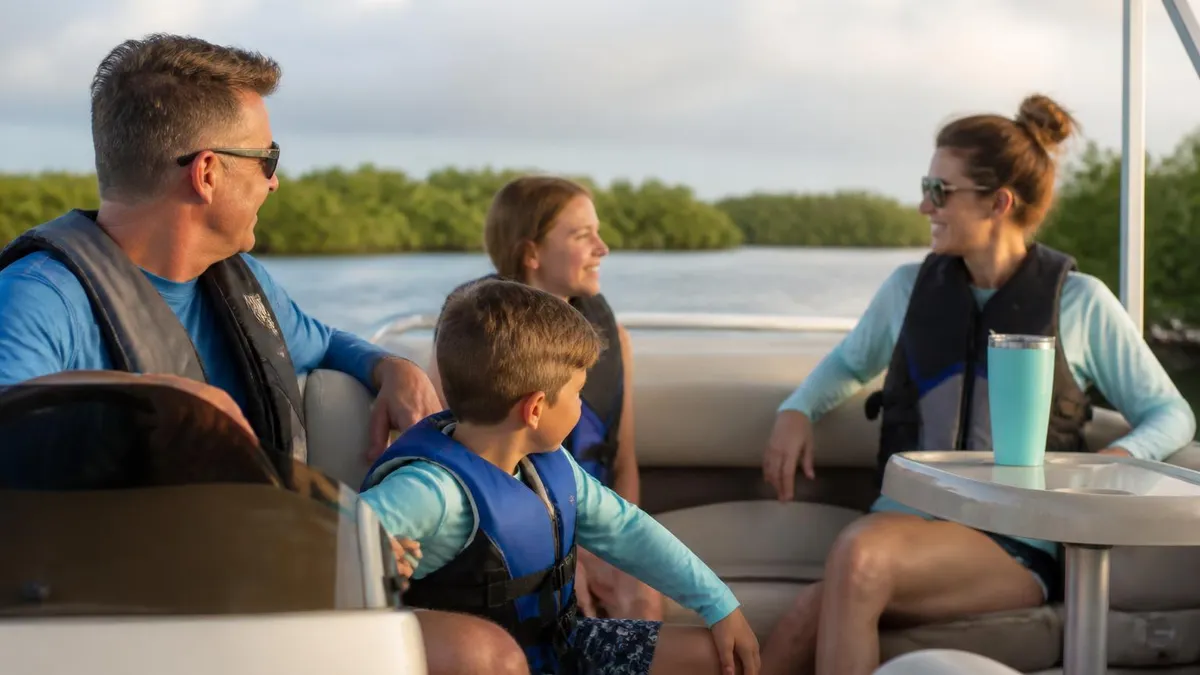
Florida Boating License Requirements: How to Get Your FL Boating Safety Card
Do You Need a License to Drive a Boat? State-by-State Guide 2026
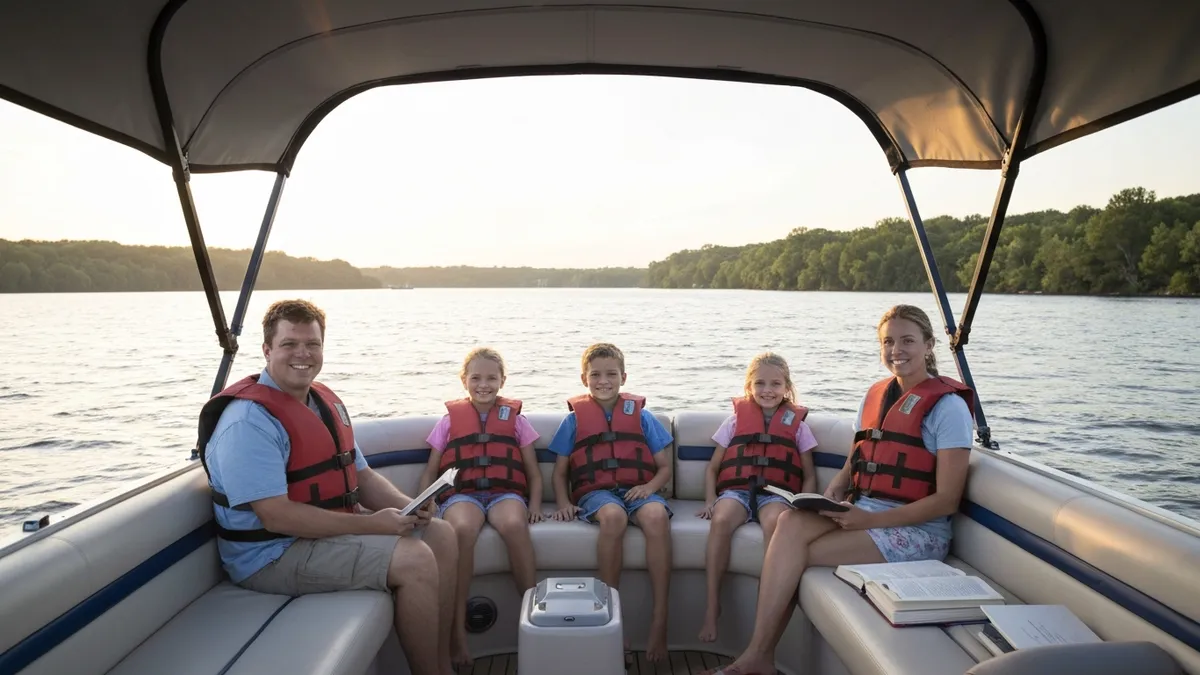
NYS Boating License 2026 — New York Requirements, Age & How to Get One
About the Author

Master Mariner & Maritime Certification Specialist
Massachusetts Maritime AcademyCaptain David Harrington is a US Coast Guard licensed Master Mariner with a Bachelor of Science in Marine Transportation from Massachusetts Maritime Academy. He has 22 years of deep-sea and coastal navigation experience aboard commercial vessels and specializes in preparing maritime candidates for USCG licensing exams, STCW certification, dynamic positioning (DPO), and officer-of-the-watch qualifications.
Join the Discussion
Connect with other students preparing for this exam. Share tips, ask questions, and get advice from people who have been there.
View discussion (6 replies)