
BMV Kiosk: Self-Service Locations, Services, and How to Use
Complete BMV kiosk guide covering self-service locations, accepted transactions, fees, payment methods, hours, and tips for fastest service without waiting...

What BMV Kiosks Provide
BMV self-service kiosks let Ohio and Indiana residents complete routine motor vehicle transactions without waiting in line at staffed BMV branches. The kiosks accept vehicle registration renewals, license plate replacement, address changes, and several other transactions through touchscreen interfaces that print all required documentation and receipts immediately upon completion. The kiosks process transactions in five to ten minutes typically, dramatically faster than the thirty to sixty minutes that staffed branch visits often require during peak periods.
The kiosk network expanded substantially over the past decade as BMV agencies recognized the operational efficiency gains from self-service transactions. Customers process their own transactions reducing the workload on staffed branches that can then focus on transactions requiring human service such as new license applications, road testing, and complex title work. The dual-track approach serves customers efficiently while reducing overall BMV operating costs through automation of routine transactions.
Kiosk locations include traditional BMV branches and partner retail locations such as grocery stores, pharmacy chains, and shopping centers. The expansion into retail locations puts BMV services within convenient reach of where customers already shop. Many customers complete BMV transactions during routine errands without making dedicated BMV trips, which substantially improves convenience over the older model that required separate BMV visits for every transaction.
The BMV kiosk program initially launched in Ohio in 2017 with a small pilot deployment in major metropolitan areas. Customer response exceeded expectations, leading to rapid expansion across the state and adoption of similar systems in Indiana. The expansion continues with new locations added periodically as demand and retail partnership opportunities develop in additional markets across both states served by the BMV system.
Technology behind BMV kiosks integrates touchscreen interfaces with secure payment processing, identity verification, document printing, and live database connections to BMV systems. The technical infrastructure delivers reliable service at high transaction volumes while maintaining security required for protected state government records. Periodic technology refreshes update kiosk software and hardware to maintain reliability and add new features as the BMV expands the available transaction types.
BMV Kiosk Quick Facts
BMV self-service kiosks accept vehicle registration renewals, license plate orders, address changes, and several other routine transactions. Transactions typically complete in 5 to 10 minutes. Kiosks accept credit card, debit card, and cash payment depending on location. Locations include BMV branches plus partner retail locations such as grocery stores and shopping centers across both Ohio and Indiana.
Mobile app integration through Ohio BMV and Indiana BMV apps streamlines kiosk transactions through QR code prefill of transaction details. Verifying specific transaction availability before driving to any kiosk location prevents wasted trips when the planned transaction requires staffed branch service.
Kiosk Available Transactions
Vehicle registration renewal represents the most common kiosk transaction. Customers enter their license plate number, verify vehicle information displayed on screen, pay the renewal fee through accepted payment methods, and receive printed registration and stickers immediately. The entire transaction takes three to five minutes for most customers without complications. The new registration is legally valid immediately upon completion at the kiosk.
License plate replacement for damaged, lost, or stolen plates is available through kiosks at most locations. Customers verify their identity, pay the replacement fee, and receive new plates and registration on the spot. Some specialty plates and personalized plates may require staffed branch service rather than kiosk completion due to inventory limitations at automated locations.
Address changes for driver licenses and vehicle registrations can be processed through kiosks. The customer verifies the current address on file, enters the new address, and pays any required fees. Updated documentation prints immediately. The kiosk transaction creates legal record of the address change with the BMV without requiring follow-up at staffed branches.
Beyond the core transactions, some kiosks support specialty services such as motor vehicle title applications for sold vehicles, certified driving record requests, and certain commercial vehicle transactions. Transaction availability varies by location with more complex transactions typically available only at kiosks within staffed BMV branches rather than retail location kiosks that focus on the highest-volume routine transactions.
Document accuracy verification at completion matters because errors discovered later require additional steps to correct. Customers should verify that printed registrations show correct vehicle information, registration period, and personal information. Photos and signatures on identification documents printed at kiosks should also be verified for clarity and accuracy. Minor printing issues can sometimes be resolved through reprinting at the same kiosk if discovered immediately.
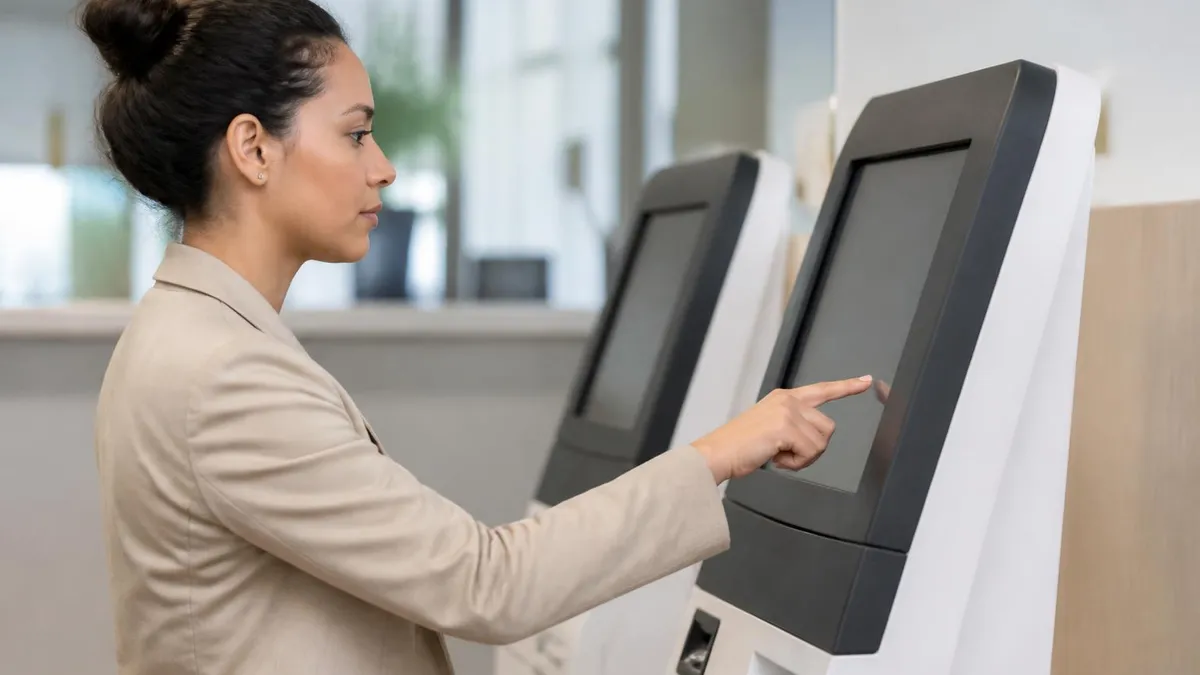
Most Common Kiosk Transactions
Vehicle registration renewal with immediate printing of new registration card and validation sticker. Most common kiosk transaction completing in approximately five minutes. Specific transaction availability and fees may vary slightly between kiosk locations within the broader BMV service network.
Replacement license plates for damaged, lost, or stolen plates. Standard plates available immediately while specialty plates may require staffed branch service for replacement. Specific transaction availability and fees may vary slightly between kiosk locations within the broader BMV service network.
Update address on driver license, identification card, or vehicle registration records. Updated documentation prints immediately upon completion of the transaction. Specific transaction availability and fees may vary slightly between kiosk locations within the broader BMV service network.
Replacement driver license, vehicle registration, or other documents for lost or destroyed originals. Identity verification protects against unauthorized replacement requests. Specific transaction availability and fees may vary slightly between kiosk locations within the broader BMV service network.
How to Find a BMV Kiosk
BMV kiosk locations are listed on the official Ohio BMV and Indiana BMV websites with searchable location finders. Customers can search by zip code, city, or county to identify nearby kiosks. Search results include addresses, hours of operation, and accepted transactions at each specific location. Kiosks within staffed BMV branches typically operate during branch business hours. Kiosks at retail locations may operate extended hours that exceed staffed branch availability.
Common kiosk retail locations include Kroger grocery stores, Giant Eagle supermarkets, certain pharmacy chains, and large shopping centers in metropolitan areas. The retail integration provides extended hours and weekend availability that traditional BMV branches typically do not offer. Customers planning kiosk visits should verify hours and transaction availability at the specific location before driving there to avoid wasted trips.
Mobile apps from both Ohio BMV and Indiana BMV include kiosk locators integrated with mapping functionality. The apps show kiosk locations on maps, provide directions, and display current wait time estimates at staffed alternatives if the user prefers in-person service for any reason. Mobile access supports decisions about which location offers the fastest service path for the planned transaction.
Geographic coverage of the kiosk network continues expanding as new partnerships develop with retail organizations. Urban areas typically have the highest kiosk density while suburban and rural areas often have fewer options. Customers in areas without nearby kiosks may find online service through myBMV portals more convenient than driving to distant kiosk locations for routine transactions that the online portals also handle.
Special event kiosks sometimes appear at large public events including state fairs, college campuses during fall enrollment periods, and corporate campuses with large employee populations. These temporary kiosks serve event attendees who otherwise might not have convenient access to BMV services. The mobile kiosk approach reaches customer populations who benefit from BMV outreach beyond traditional fixed location service.
BMV Kiosk vs Other Service Options
Five to ten minutes typical transaction time. Works for routine transactions only. Available at BMV branches and partner retail locations. Self-service interface requires basic technology comfort. Documentation prints immediately upon completion.
Choosing the right service channel based on the specific transaction needed and personal preferences produces the most efficient BMV service experience for routine needs.
Payment Methods at BMV Kiosks
BMV kiosks accept multiple payment methods including credit cards, debit cards, and cash at most locations. Specific payment options vary by location. Retail location kiosks typically accept all major credit and debit cards including Visa, Mastercard, Discover, and American Express. Cash acceptance varies and customers should verify cash acceptance before relying on it for kiosk transactions at unfamiliar locations.
Service fees for kiosk transactions vary by transaction type and location. Standard vehicle registration renewals include the base registration fee plus a small convenience fee for kiosk processing typically ranging from one to three dollars. The convenience fee covers the kiosk operating costs and is comparable to similar self-service fee structures at other automated transactions. Some transactions waive convenience fees during promotional periods or for specific transaction types.
Receipt printing at completion provides proof of payment and the updated documents resulting from the transaction. Customers should review receipts and printed documents carefully before leaving the kiosk to verify accuracy. Any errors discovered immediately can usually be resolved by completing additional kiosk transactions. Errors discovered later may require visits to staffed branches for correction, which negates the time savings that kiosk service was supposed to provide.
Tax implications of vehicle transactions vary by transaction type. Standard registration renewals do not have specific tax implications. Title transfers may have sales tax components calculated based on vehicle value. Kiosks display all fees including applicable taxes before customers commit to transactions. Understanding the total cost before processing prevents surprises that occasionally lead to incomplete transactions when customers expected lower fees than the actual total.
Tax-exempt transactions for certain customer categories including military personnel, disabled veterans, and qualifying senior citizens may require staffed branch service rather than kiosk processing because the exemption verification often requires document review beyond what automated kiosks support efficiently. Eligible customers should verify whether their specific situation allows kiosk service before driving to a kiosk location.
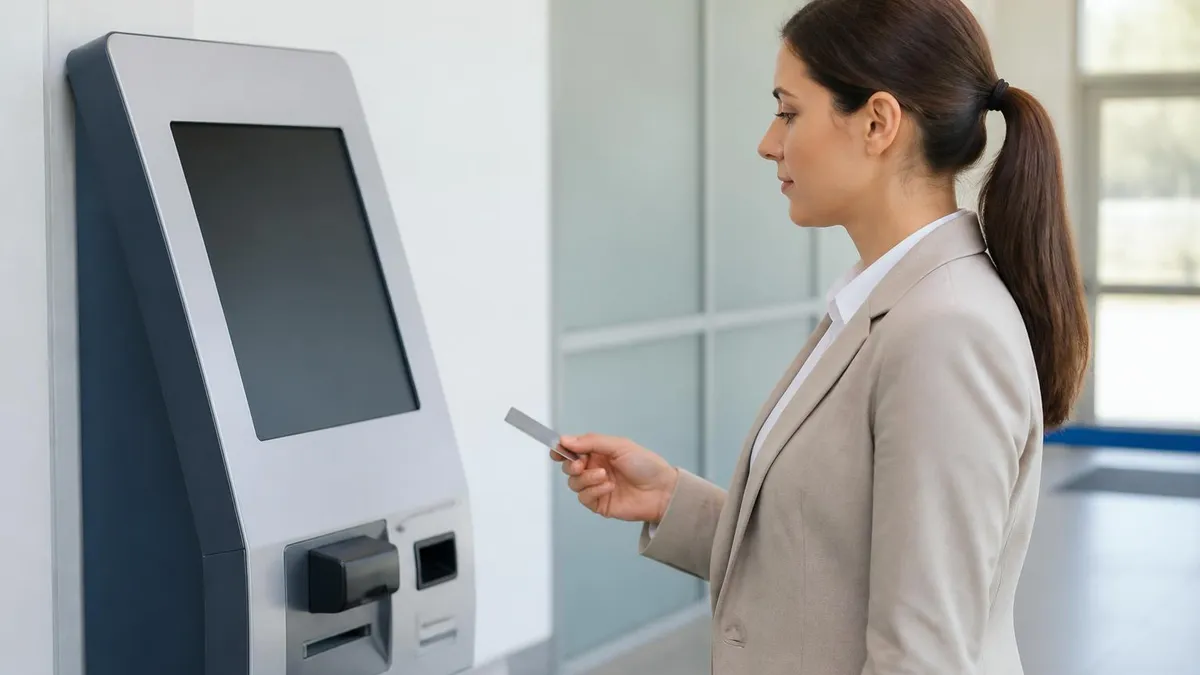
Not all BMV transactions are available through kiosks. Initial driver license applications, knowledge tests, road tests, and certain complex transactions require staffed branch service. Verifying transaction eligibility before driving to a kiosk location prevents wasted trips when the planned transaction requires staffed branch service instead.
Calling BMV customer service before visiting unfamiliar kiosks confirms transaction availability for situations where eligibility is unclear from the public information available about kiosk capabilities at specific locations.
What to Bring to a BMV Kiosk
Vehicle registration renewals require the renewal notice that the BMV mails to vehicle owners before expiration, or the current registration card or the license plate number. The kiosk pulls vehicle information from the BMV database based on the entered identification. Bringing the renewal notice simplifies the process because it includes all necessary information already, eliminating the need to enter vehicle details manually during the transaction.
Identity verification through driver license or state identification card is required for all transactions that affect personal records such as address changes or document replacements. The license must be valid and current. Expired licenses cannot be used for verification regardless of how recently they expired. Replacing expired licenses requires staffed branch service rather than kiosk completion in most cases.
Payment cards or cash sufficient to cover the transaction fees should be ready before starting the transaction. Mid-transaction discovery that the wallet contains insufficient funds creates frustrating interruptions. Knowing typical fees and bringing some buffer beyond expected amounts prevents the small surprise charges that some transactions include from causing problems during completion.
Insurance verification requirements affect some kiosk transactions particularly vehicle registration renewals. While Ohio does not require insurance verification at every renewal, random verification sometimes affects specific transactions. Bringing the current insurance card to the kiosk prevents delays if insurance verification is required during the specific transaction. The few seconds investment in bringing the card eliminates the risk of being unable to complete the transaction due to missing insurance documentation.
Power of attorney for kiosk transactions on behalf of family members or other individuals requires staffed branch service rather than kiosk completion. The identity verification at kiosks works only for the specific person whose identification is presented during the transaction. Family members cannot complete transactions for elderly relatives or for children without staffed branch service that can verify the power of attorney documentation properly.
BMV Kiosk Visit Checklist
- ✓Verify the planned transaction is available through kiosk service before driving to a location
- ✓Confirm kiosk location hours and accepted transactions through the official BMV website
- ✓Bring vehicle renewal notice or current registration when renewing vehicle registration
- ✓Bring valid driver license or state ID for identity verification on personal record transactions
- ✓Have multiple payment options available including credit card and cash for flexibility
- ✓Plan to spend 5 to 15 minutes at the kiosk including potential wait time during busy periods
- ✓Review receipts and printed documents before leaving the kiosk to verify accuracy
- ✓Identify backup kiosk locations near the primary choice in case of unexpected unavailability
- ✓Bring current insurance card to handle any random insurance verification that may apply during the transaction
Common Kiosk Problems
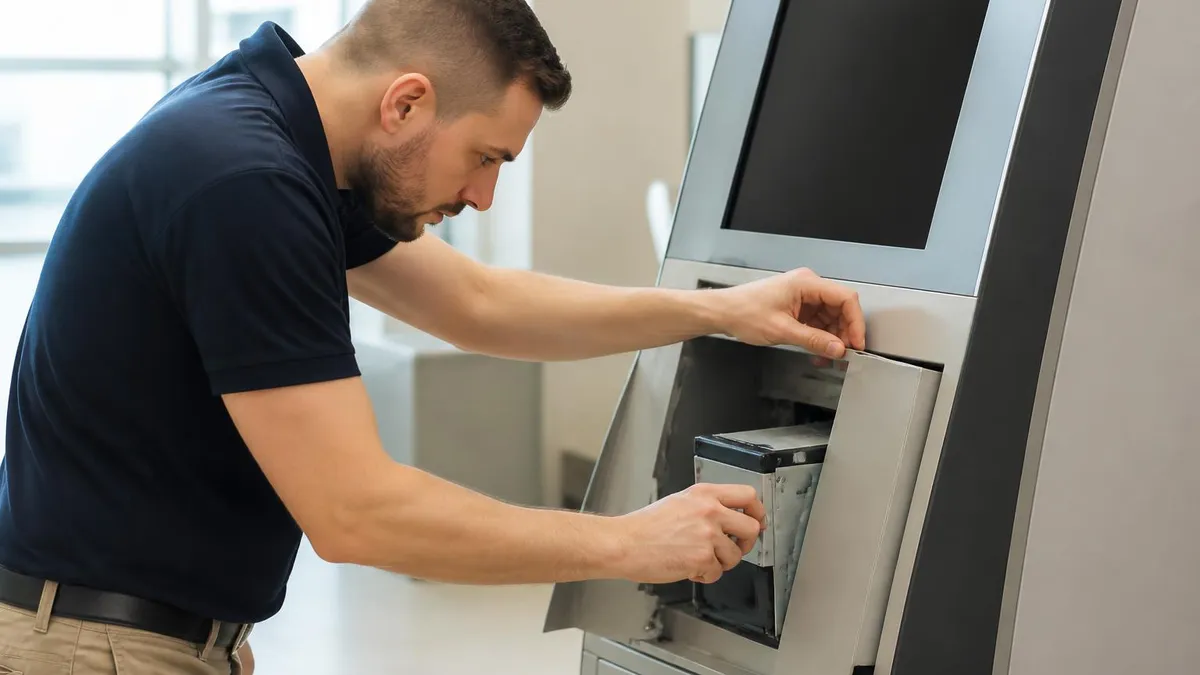
Out of order kiosks occasionally interrupt service when technical issues prevent normal operation. Customers should have backup plans including alternate kiosk locations or willingness to visit staffed branches when primary kiosk choices are unavailable. Status indicators on kiosks usually display when they are out of order. Customers can also call the BMV customer service line to verify kiosk operational status at specific locations before driving there.
Transaction rejection due to outstanding issues such as expired insurance, suspended licenses, or unpaid fees prevents kiosk completion. The kiosk displays the specific reason for rejection so customers know what must be resolved before retrying. Resolving the underlying issue typically requires staffed branch service or online customer service interaction. Returning to the kiosk after resolution usually completes the original transaction smoothly.
Receipt printing failures occasionally interrupt transactions even when payment processed successfully. Customers in this situation should not abandon the kiosk or assume the transaction failed. Calling BMV customer service immediately with the transaction details produces resolution through manual receipt generation or transaction reversal as appropriate. The transaction record remains in the BMV system regardless of receipt printing problems at the kiosk.
Touchscreen sensitivity calibration occasionally causes issues with kiosk interactions. Some customers find that certain kiosks respond differently than others to their touch input. Pressing firmly and using the tip of the finger rather than the pad typically improves response. Repeated unsuccessful touches sometimes indicate technical problems with specific kiosk units that staffed branches or BMV customer service can report for maintenance attention.
Language settings on kiosks support multiple languages at most locations. Spanish is universally available with several other languages available depending on the specific kiosk location and the local population demographics. The language toggle typically appears prominently on the initial screen. Customers should select their preferred language at the start rather than attempting transactions in less familiar languages that increase the risk of errors during transaction completion.
Kiosk Hours and Availability
Kiosks within staffed BMV branches operate during branch business hours typically Monday through Friday from eight thirty in the morning until five in the afternoon and Saturday until twelve thirty in the afternoon. Branch holiday closures apply to internal kiosks. Customers planning kiosk visits at BMV branches should check branch holiday schedules to avoid arriving at closed locations during state holidays that affect branch operations.
Retail location kiosks often operate during retail store hours that exceed BMV branch availability. Grocery store kiosks may be available seven days per week including evenings and weekends when BMV branches are closed. The extended hours support customers with traditional work schedules who cannot easily visit BMV branches during business hours. Verifying specific retail kiosk hours before arrival prevents discovering that the kiosk closes earlier than the retail store itself.
Peak demand periods including the days before registration expiration deadlines and around vehicle title transfer holiday windows can produce wait times even at kiosks. Multiple kiosks at single locations help distribute demand but cannot fully eliminate waits during peak periods. Visiting during off-peak times such as weekday mid-mornings or mid-afternoons typically produces the shortest wait times for kiosk service.
Staffing for staffed branch kiosks may affect availability during the times when branches are normally closed. Some BMV branches lock the kiosks when the branch closes while others leave kiosks operational outside branch hours. Verifying specific branch policies prevents unsuccessful trips to branches that have closed all access including the internal kiosks when staffed services have ended for the day.
Service interruptions during system maintenance occasionally affect kiosks during off-peak hours. BMV maintenance windows typically occur during overnight hours when transaction volume is lowest. Customers attempting transactions during maintenance windows receive notifications that the service is temporarily unavailable. Waiting until normal business hours typically restores access without further complications during scheduled maintenance periods.
BMV Kiosk Quick Numbers
Where BMV Kiosks Are Located
Self-service kiosks within staffed BMV branches offer alternative to standing in line for routine transactions. Branch staff available for assistance if kiosk users need help. Specific transaction availability and fees may vary slightly between kiosk locations within the broader BMV service network.
Kroger, Giant Eagle, and other grocery chains host BMV kiosks at many locations. Extended retail hours often exceed BMV branch availability for routine transactions. Specific transaction availability and fees may vary slightly between kiosk locations within the broader BMV service network.
Some pharmacy chains host BMV kiosks providing additional convenient locations. Pharmacy hours typically include evenings and weekends when BMV branches are closed. Specific transaction availability and fees may vary slightly between kiosk locations within the broader BMV service network.
Large shopping centers and malls host BMV kiosks accessible during normal shopping hours. The retail integration supports routine BMV transactions during regular shopping trips. Specific transaction availability and fees may vary slightly between kiosk locations within the broader BMV service network.
Tips for Faster Kiosk Service
Off-peak visit timing produces the shortest wait times even at typically busy kiosk locations. Tuesday through Thursday mid-mornings and mid-afternoons consistently show shorter waits than Monday mornings, Friday afternoons, and weekend periods. Avoiding the days immediately before registration expiration deadlines also helps because many procrastinating customers cluster at kiosks during the final days before expiration.
Document preparation in advance speeds the transaction itself once at the kiosk. Having the renewal notice, current license, and payment ready before approaching the kiosk reduces fumbling that adds time to the transaction. The few minutes preparation outside the kiosk save time that would otherwise extend the total visit duration when customers gather items during transactions at the kiosk itself.
Mobile app integration with kiosk services through both Ohio BMV and Indiana BMV apps streamlines parts of the transaction process. Users can pre-fill some transaction details through the app, generating QR codes that kiosks scan to populate transaction screens automatically. The integration reduces transaction time particularly for users who complete transactions frequently across multiple vehicles or family members managing several BMV records.
Transaction grouping for multiple vehicles or family members can sometimes complete more efficiently than separate visits. A customer with two vehicles to renew may complete both at the same kiosk in succession rather than visiting twice. Family members can also complete their transactions at the same visit when each person has their own identification ready. The grouping approach maximizes the value of single kiosk visits for households with multiple BMV needs.
Backup plans for kiosk transactions should account for the possibility that the chosen kiosk may be out of order, busy, or otherwise unavailable. Identifying two or three nearby alternatives before leaving home provides flexibility if the primary choice cannot be used. The few minutes invested in identifying alternatives prevents wasted trips when primary kiosk choices encounter technical issues or unexpected high demand.
BMV Kiosk Pros and Cons
- + —
- + —
- + —
- + —
- + —
- − —
- − —
- − —
- − —
- − —
BMV Questions and Answers
About the Author
Attorney & Bar Exam Preparation Specialist
Yale Law SchoolJames R. Hargrove is a practicing attorney and legal educator with a Juris Doctor from Yale Law School and an LLM in Constitutional Law. With over a decade of experience coaching bar exam candidates across multiple jurisdictions, he specializes in MBE strategy, state-specific essay preparation, and multistate performance test techniques.