
I Need a Bartender for My Party: The Complete Guide to Hiring, Planning, and Making It Happen
i need a bartender for my party? ✅ Learn how to find, hire, and work with a pro bartender for any event size or budget.

When you think, "i need a bartender for my party," you're already ahead of most hosts. Hiring a professional bartender transforms any gathering — from a backyard birthday bash to an elegant wedding reception — into a seamlessly run event where guests are happy, drinks flow on time, and you actually get to enjoy the celebration instead of playing mixologist all night. Whether your guest list is 20 or 200, a skilled bartender brings expertise, speed, and professionalism that no DIY bar setup can replicate.
The process of finding and hiring the right bartender can feel overwhelming if you've never done it before. There are dozens of variables to consider: How much should you budget? Do you need someone with a specific certification? What about alcohol quantities, glassware, and bar supplies? Should you hire through an agency or go with a freelance bartender you find online? Each of these questions has a real answer, and this guide walks you through every step so you can make confident decisions and avoid common party-planning pitfalls.
One thing many hosts don't realize is that bartenders aren't a one-size-fits-all service. A cocktail party for 40 professionals requires a completely different skill set — and a different type of bartender — than a casual outdoor barbecue for 80 friends. Some events benefit from a bartender who specializes in craft cocktails and can perform flair techniques that wow a crowd. Others need a high-volume specialist who can pour beer and wine efficiently without keeping guests waiting in long lines. Knowing what you need before you start searching is the single biggest factor in hiring success.
Certified bartenders bring additional value beyond mixing drinks. They understand responsible alcohol service, know how to pace consumption to prevent over-intoxication, and are trained to handle difficult situations — like a guest who has had too much — with tact and professionalism. If you're hosting an event where alcohol is served, having a certified professional behind the bar isn't just a luxury; in many states it's a legal protection for you as the host. Liability for alcohol-related incidents can fall on the person who provided the drinks, making certification genuinely important.
Cost is often the first concern hosts raise. Professional bartender rates vary widely depending on your location, the type of event, how many hours you need coverage, and the bartender's experience level. In most U.S. cities, expect to pay between $35 and $75 per hour for a competent event bartender, with premium mixologists running $100 or more per hour. Many bartenders also charge a flat setup fee ranging from $50 to $150. Always clarify whether gratuity is included in the quoted rate or expected separately — this single oversight causes more post-event friction than any other billing issue.
If you're curious about what it takes to become a certified bartender yourself — or if you want to understand the qualifications you should look for when hiring — you can explore need bartender for party options in your area to see what local training programs cover. Understanding the curriculum helps you ask better vetting questions and recognize a genuinely skilled professional when you find one.
Planning ahead is non-negotiable. The best event bartenders book out four to eight weeks in advance for weekend events, and popular dates like New Year's Eve, July 4th, and major holidays can fill up three to four months out. The moment you lock in your event date, begin your search. A last-minute hire is almost always a compromise, and the last thing you want on your big night is someone who showed up because they were the only one available on short notice.
Hiring a Party Bartender: By the Numbers

How to Choose the Right Bartender for Your Party
Before searching, define your event: Is it a cocktail party, a wedding, a corporate gathering, or a casual backyard cookout? Each event type demands different skills, bar setups, and service styles. A craft cocktail specialist is perfect for intimate gatherings but may slow down service at high-volume events.
Look for bartenders with recognized certifications such as TIPS, ServSafe Alcohol, or state-specific responsible beverage service credentials. Certification signals that the bartender understands alcohol law, knows how to prevent over-service, and can protect you from host liability if something goes wrong.
A bartender who excels at private dinners for 20 may struggle behind a bar serving 150 guests. Ask specifically about their largest events, how they managed high-volume rushes, and whether they can bring an assistant bartender or bar-back for events over 75 guests.
Platforms like GigSalad, The Bash, and local catering companies post verified reviews. For freelance bartenders, always ask for two or three references from recent events similar in size and style to yours. A brief phone call with a past client reveals far more than any written bio.
Professional event bartenders carry general liability insurance, which protects both them and you as the host. Some jurisdictions also require a temporary alcohol permit for private events. Ask to see proof of insurance before signing any contract — a legitimate professional will have it readily available.
Understanding the true cost of hiring a bartender requires looking beyond the hourly rate. Most professional event bartenders structure their pricing around several components: a base hourly rate, a setup or travel fee, a minimum number of service hours (typically three to four hours), and sometimes a supplies or equipment rental charge if they're bringing their own bar kit, glassware, or ice. Before you compare quotes from multiple bartenders, make sure you're comparing identical service scopes — otherwise you'll get confused by seemingly large price differences that actually reflect different service packages.
The contract is your single most important document. A professional bartender should provide a written agreement that specifies the event date, start and end times, exact services included, what the bartender will and won't supply, cancellation terms, and payment schedule. Read every line carefully. Pay close attention to the cancellation policy: many bartenders require a non-refundable deposit of 25–50% to hold your date, and cancellations within two weeks of the event may result in forfeiting the full payment. This is industry-standard practice, not a red flag — but you need to know it going in.
Alcohol purchasing is almost always the host's responsibility, not the bartender's. This is both a cost-control measure and a legal necessity in most states, where it's illegal for a third-party bartender to purchase alcohol on your behalf without a liquor license. Your bartender should give you a detailed shopping list based on your guest count, event duration, and planned drink menu. If they can't or won't provide this list, that's a warning sign. A seasoned professional knows exactly how to calculate quantities and will help you avoid both costly over-purchase and the embarrassment of running dry mid-party.
Gratuity etiquette is another source of confusion for first-time hosts. If your bartender is working a private event without a tip jar — which is common and often preferred at upscale parties — you should plan to tip 15–20% of the total service cost at the end of the night. Some hosts place tip envelopes in their budget from the start to avoid any awkward end-of-event math. If the bartender does set out a tip jar, guests will contribute throughout the evening, but it's still good form to supplement with a personal tip from the host if service was excellent.
Bar supply logistics can make or break your event experience. Ask your bartender exactly what they're bringing versus what you need to provide. Common items that bartenders bring include their own tools (shakers, strainers, bar spoons, jiggers, and bottle openers), but glassware, ice, garnishes, mixers, and bar tables typically fall on the host. Rentals are an option for glassware — most event rental companies offer glasses by the case at reasonable rates — but confirm delivery and pickup logistics well in advance so you're not scrambling the day of the party.
Timing your bar service strategically improves guest experience and reduces alcohol costs. Most events benefit from opening the bar 15–30 minutes after guests begin arriving, rather than the moment doors open. This creates a natural social momentum and reduces the rush that happens when everyone lines up the second the bar is visible. Closing the bar 30–45 minutes before the event officially ends is also smart practice — it gives guests time to finish their last drink, make ride-share arrangements, and leave safely without the bar becoming a crutch for lingering guests who don't want the party to end.
If you're considering a mobile bar setup — a free-standing bar unit on wheels that can be positioned anywhere in your venue — confirm whether your bartender can source one or whether you need to rent it separately. Mobile bars are especially popular for outdoor events, backyard parties, and venues without a built-in bar infrastructure. They range from rustic wood-paneled designs to sleek modern setups, and rental costs typically run $150–$400 for a weekend event depending on your market.
Bar Setup, Supplies, and Drink Quantity Planning
The industry-standard planning formula is 1.5 drinks per guest per hour for the first two hours, and roughly 1 drink per guest per hour after that. For a four-hour party with 60 guests, estimate about 300 total drinks. Split this by your drink mix: if guests will primarily drink beer and wine, plan for roughly 40% wine, 40% beer, and 20% spirits. Always add a 10–15% buffer on top of your calculated total — running out of alcohol is a party emergency that's easy to avoid with a small cushion.
Non-alcoholic options are often underestimated. Budget at least one non-alcoholic option for every five drinks you plan to serve, and offer at least two choices (sparkling water and a mocktail or juice blend). Designated drivers, pregnant guests, and those in recovery appreciate having genuinely appealing non-alcoholic choices rather than just a glass of water. Keeping a cooler stocked with pre-chilled sparkling water near the bar reduces the demand on your bartender during peak service moments.

Hiring a Professional Bartender vs. DIY Bar Setup
- +Guests receive consistent, properly proportioned drinks every time
- +A certified bartender manages alcohol service responsibly, reducing host liability
- +Professional speed and efficiency eliminates long lines during peak service
- +Bartenders handle cleanup, glass washing, and breakdown so you don't have to
- +Trained mixologists can craft a signature cocktail menu that impresses guests
- +Certified professionals know when to stop serving a visibly intoxicated guest
- −Professional bartenders add $150–$500+ to your event budget depending on hours
- −You must plan and book weeks in advance — last-minute availability is limited
- −You're still responsible for purchasing all alcohol, mixers, and supplies
- −Hiring an inexperienced or uncertified bartender can create liability issues
- −Some venues restrict outside service staff and require use of in-house bartenders
- −A mismatch between bartender style and event vibe can feel awkward or off-brand
Party Bartender Hiring Checklist: 10 Steps to Lock Down Your Bar Service
- ✓Determine your guest count and event duration before contacting any bartenders
- ✓Decide on a drink menu style — full bar, beer and wine only, signature cocktails, or mocktail-forward
- ✓Set a clear bar service budget including bartender fee, supplies, alcohol, glassware, and tip
- ✓Begin your search at least four to six weeks before the event date
- ✓Collect at least three quotes and compare itemized service scopes side by side
- ✓Verify that each candidate holds a recognized certification and carries liability insurance
- ✓Ask for two client references from recent events of similar size and format
- ✓Review the contract carefully, paying special attention to cancellation and overtime clauses
- ✓Provide your bartender with a confirmed guest count and drink menu at least one week before the event
- ✓Prepare a detailed alcohol and supplies shopping list based on your bartender's recommendations and buy it two days ahead
One Bartender Per 50 Guests Is the Industry Standard — But Go Lower for Cocktail Events
For beer-and-wine service, one skilled bartender can comfortably handle 75–100 guests. But if you're offering a full cocktail menu with made-to-order drinks, drop that ratio to one bartender per 40–50 guests. Adding a bar-back (an assistant who restocks ice and supplies without serving drinks) is one of the most cost-effective upgrades you can make — it frees your bartender to focus entirely on service and dramatically reduces wait times during peak demand.
Not all parties are created equal, and the type of event you're hosting should directly shape which bartender you hire and how they set up their service. A corporate cocktail reception has completely different expectations than a college graduation party, a milestone birthday, or a wedding rehearsal dinner. Understanding the nuances of each event type helps you communicate your needs clearly to prospective bartenders and sets the foundation for a successful working relationship from the first conversation.
Wedding and engagement events represent the highest-stakes bartending work in the private event space. Guests span multiple generations with wildly different taste preferences, service expectations run high, and the timeline is usually rigid with toasts, dinner service, and dancing all happening at specific moments.
Weddings often require two bartenders for receptions of 100 or more guests — one dedicated to cocktails and one managing beer and wine — plus a bar-back to maintain supplies. If your wedding is happening at a venue with an in-house catering team, confirm whether outside bartenders are allowed or whether you must use the venue's staff.
Birthday parties, especially milestone celebrations for 40th, 50th, and 60th birthdays, often feature a signature cocktail or two that the guest of honor loves. This is a wonderful personal touch that a skilled bartender can execute beautifully — but it requires advance planning.
Share your ideas with your bartender at least two weeks before the event so they can practice the recipe, source specialty ingredients, and calculate batch quantities. Batch cocktails — large pre-mixed recipes made in pitchers or punch bowls — are an excellent efficiency strategy for birthday parties and can significantly reduce per-drink service time during the opening rush when everyone arrives at once.
Outdoor and backyard events introduce logistical challenges that indoor venues don't. Weather is unpredictable: if you're planning a summer party, your ice will melt faster than expected and you'll need significantly more than you think. Your bartender needs access to a power outlet if they're using a blender or an electric ice crusher. Shade is critical for both your bartender's comfort and for keeping perishable garnishes and mixers fresh. If your backyard doesn't have a shaded area near the bar location, a simple pop-up canopy is a smart investment that will also protect your setup during unexpected light rain.
Corporate events and office parties carry unique sensitivities around alcohol service. Many companies actively want their event bartenders to pour more conservatively than at a private social event — smaller pours, more water on the bar, and proactive check-ins with the host about closing time. Some corporate hosts prefer a "drink ticket" system, where guests receive two or three tickets for alcoholic drinks and can purchase additional tickets, rather than an unlimited open bar. This approach controls costs, manages consumption, and can be communicated to your bartender in advance so they're prepared to implement it smoothly without awkwardness.
Holiday parties — whether a December office gathering or a Fourth of July cookout — book up faster than any other event type. Holiday weekends are essentially a seller's market for event bartenders, and the best professionals in any market are fully booked by late October for December events. If your party falls on or near a major holiday, your booking timeline needs to be aggressive. Start your search 8–12 weeks out, be flexible on timing and budget, and have a backup plan in case your first choice is already committed.
Budget-conscious hosts sometimes consider hiring a mixology student or culinary school graduate who is pursuing their bartending certification. This can work beautifully for small, low-key events where flexibility is high. Just be clear about what you're getting: a student or newly certified bartender brings enthusiasm and current technique knowledge, but may lack the high-volume service experience of a seasoned professional. For events under 30 guests with a simple drink menu, a talented up-and-comer can be an excellent value — and you might even be helping launch a career.

In most U.S. states, social host liability laws can hold private party hosts legally responsible if an intoxicated guest causes an accident after leaving your event. Hiring a certified bartender who is trained in responsible alcohol service is one of the most effective ways to reduce this risk. Always verify your homeowner's or renter's insurance policy covers alcohol-related incidents at private events — many standard policies do not, and a one-day event liability policy can be purchased for as little as $75–$150.
Bartender certification is more than a piece of paper — it's a signal that the person serving alcohol at your party has been trained in the laws, techniques, and judgment calls that govern responsible service. The most recognized certification programs in the United States include TIPS (Training for Intervention ProcedureS), ServSafe Alcohol, and state-specific Responsible Beverage Service programs.
Each of these curricula covers alcohol's physiological effects, how to assess intoxication, strategies for cutting off service tactfully, and the legal obligations of the server. When you hire a certified bartender, you're hiring someone who has studied and been tested on all of this material.
Dram shop laws are the legal framework that matters most for private event hosts. These laws vary by state but generally establish that anyone who serves alcohol to a visibly intoxicated person can be held liable for damages that person causes afterward. While dram shop laws traditionally applied to commercial establishments like bars and restaurants, many states have extended similar liability to social hosts. This means that if you serve a guest who later drives drunk and injures someone, you may face civil or even criminal liability depending on your state's specific statutes.
Liquor permits for private events are often overlooked but critically important in certain jurisdictions. If your event is classified as a private party — meaning it's invitation-only, on private property, and no alcohol is being sold — you typically don't need a special permit.
However, if your event is semi-public (community gatherings, fundraisers, neighborhood block parties), if alcohol is being sold or if guests are paying an admission fee that partially covers drinks, you may need a temporary alcohol license from your state's alcohol control board. Processing times for these permits range from one to three weeks, so apply well in advance.
Insurance coverage for your event is a topic that deserves a direct conversation with your insurance agent before you finalize any plans. A standard homeowner's or renter's insurance policy provides some liability coverage for guests injured on your property, but most policies exclude incidents related to alcohol service or have very low limits for alcohol-related claims.
Event liability insurance — sometimes called special event insurance or party liability insurance — is a separate, affordable policy that specifically covers your gathering. You can purchase it online from providers like EventHelper, Markel, or through your existing insurer, and a basic policy for a 50-person party typically costs under $100 for a one-day event.
Age verification is a non-negotiable element of responsible bar service. Your bartender should be prepared to card any guest who appears under 30 — a common industry standard — and should feel empowered to refuse service to anyone who cannot produce valid identification. As the host, you should reinforce this expectation explicitly when you brief your bartender before guests arrive. If you're hosting a party where you know underage guests will be present, consider setting up a clearly marked non-alcoholic bar station with appealing mocktail options so younger guests have something genuinely enjoyable to drink.
State-by-state variation in alcohol laws means that what's perfectly legal in one state can be a violation in another. Some states require event bartenders to hold a specific state-issued server permit even for private events. Others regulate the hours during which alcohol can be served, even on private property. A few states have restrictions on the types of alcohol that can be served at private gatherings without a license. Your bartender should be knowledgeable about your state's specific requirements — this is another reason certification and local experience matter so much when making your hiring decision.
For hosts who want to go beyond just hiring a bartender and truly understand the profession — whether out of curiosity, future career interest, or a desire to be a more informed client — there are excellent resources available. Exploring bartender certification options gives you insight into what separates a competent professional from an exceptional one, and that knowledge makes you a far better judge of talent when you're reviewing candidates for your next event. The investment in understanding the craft pays dividends every time you host a gathering where drinks are served.
Getting the most out of your hired bartender starts long before the first guest arrives. The pre-event briefing — a 15–20 minute conversation with your bartender on the day of the event — is one of the highest-value investments of time you can make. Cover the timeline (when guests arrive, when dinner or other activities start, when you want the bar to close), any VIP guests who should receive priority service, special requests or dietary restrictions among guests, and any house rules you want enforced. A professional bartender will take notes and ask clarifying questions — that's a great sign.
Tipping culture at private events varies depending on whether there's a tip jar present, but the host's personal tip should always be prepared in cash and presented in an envelope at the end of the evening.
The standard range is 15–20% of the total service fee, with excellent service warranting 20–25%. If your bartender went above and beyond — handled a difficult situation gracefully, stayed past their scheduled end time without complaint, or created a custom cocktail on the fly — acknowledge it with your tip. The bartending community is small, and a generous and thoughtful host builds a reputation that makes future bookings easier.
Feedback after the event is genuinely valuable. If you hired through a platform like GigSalad or The Bash, leave a detailed review. Mention specifics: how they handled the opening rush, whether the drink quality was consistent throughout the night, how they interacted with guests, and whether they left the bar area clean. These details help other hosts make informed decisions and help talented bartenders build the verified track record that justifies higher rates and better bookings over time.
If your event was a big success and you want to hire the same bartender again, lock them in immediately for your next date. The best event bartenders fill their calendars fast, and a past client who provides a confirmed date gets priority consideration. Some bartenders will even offer a returning-client discount — especially if the previous event was well-organized and your communication was professional. Building a relationship with one excellent event bartender is one of the best party-hosting investments you can make over time.
Signature cocktails are an increasingly popular way to personalize a party bar experience. Work with your bartender to develop one or two cocktails that reflect the theme of your event, the guest of honor's favorite flavors, or the season. A well-named signature drink — "The Summer Solstice Spritz" or "Dad's 60th Old Fashioned" — becomes a conversation piece and a memorable touchpoint that guests associate with your event long after the night ends. Give your bartender at least two weeks to source ingredients and practice the recipe so it's seamless on event day.
Batch cocktails deserve serious consideration for any event with more than 40 guests. A well-made batch cocktail — prepared in a large vessel the morning of the event and simply ladled or poured to order — dramatically reduces service time per drink and ensures consistency across every pour. Popular batch options include sangria, Moscow mules, margaritas, and punches. Your bartender can prepare the batch at your home or venue in the hour before service begins, and a properly sealed container stays fresh and safely cold in a beverage tub with ice throughout the event.
Finally, trust your bartender's professional judgment during the event itself. You hired them because of their expertise — let them do their job without micromanaging every pour. If they decide to slow service to a guest, or suggest switching to a simpler drink option as the night gets later, support that decision.
Their primary obligation is to keep your guests safe and your event running smoothly. A host who empowers their bartender to exercise professional judgment gets a better event outcome than one who second-guesses every service decision. The best events are true collaborations between a well-prepared host and a skilled, certified professional behind the bar.
Bartender Bartender Questions and Answers

Bartending Classes Near Me: How to Find, Compare, and Choose the Right Local Training Program in 2026

How to Become a Bartender by State: Complete Requirements Guide for All 50 States

Did Ed Gein Really Kill the Bartender? The True Crime Myth vs. Bartending Reality

Mobile Bartending Names: 200+ Ideas to Brand Your Cocktail Business in 2026

What Does the Term Bruising Mean in Bartending? A Complete Guide to Shaken Cocktail Science
About the Author
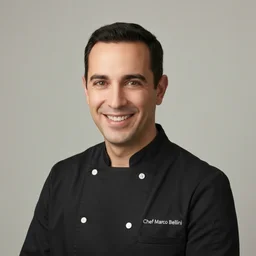
Executive Chef & Culinary Arts Certification Educator
Culinary Institute of AmericaChef Marco Bellini is a Certified Executive Chef and graduate of the Culinary Institute of America with over 20 years of professional kitchen experience in Michelin-recognized restaurants. He teaches culinary arts certification, food safety, and hospitality exam preparation, having guided thousands of culinary students through their ServSafe, ProStart, and professional chef certifications.
Join the Discussion
Connect with other students preparing for this exam. Share tips, ask questions, and get advice from people who have been there.
View discussion (7 replies)