
Hire a Bartender: Complete Guide to Cost, Hiring, and What to Look For
📗 Hire a bartender for any event. Real costs, where to find professionals, what to ask, contracts, and how to avoid bad hires.

You need to hire a bartender, and you want it sorted before the guests arrive. Maybe it's a backyard wedding in three weeks. Maybe it's a corporate launch party where your CEO will be watching. Maybe it's a fundraiser, a birthday, or a Tuesday night at the new restaurant you just opened. Whatever the occasion, the person behind the bar makes or breaks the experience.
Here's the thing nobody tells you: hiring a bartender isn't really about finding someone who can pour a beer. It's about finding someone who fits the room. A wedding bartender needs different skills than a sports bar veteran. A corporate event needs polish; a backyard barbecue needs personality. And the cost? It swings wildly depending on whether you book through an agency, hire a mobile bartender, or pick up a freelancer from a local listing.
This guide walks you through the whole thing. What to look for, what to pay, what questions to ask, and how to avoid the most common mistakes. Whether you're a homeowner planning a one-night event or a manager building out a permanent bar team, you'll leave with a clear plan. And if you're a bartender yourself trying to understand what employers actually want, this works in reverse too.
Hire a Bartender: Key Numbers
What does it cost to hire a bartender?
Cost is usually the first question, and the honest answer is: it depends. A licensed event bartender in a major US city charges between $35 and $75 per hour. Add another 18 to 22 percent for gratuity if it's not built in. Most operators require a minimum of four hours, and many tack on a setup or breakdown fee of $50 to $100. Travel beyond a 30-mile radius? That's extra too.
Mobile bartending services typically bundle everything: the bartender, mixers, garnishes, ice, glassware, and sometimes a portable bar. Packages start around $400 for a small gathering of 25 guests and climb to $1,500 or more for weddings with full cocktail menus. If you supply the alcohol yourself (which is almost always cheaper), the service quotes drop noticeably.
Hiring through a staffing agency adds 20 to 35 percent on top of the bartender's wage. You pay more, but you get vetted professionals, insurance coverage, and a backup plan if someone calls out sick. For high-stakes events, that markup pays for itself the first time a no-show would have ruined the night. Mobile bartending services often hit a middle ground between agency polish and freelance pricing.

For a 50-guest event, budget roughly $400-$600 for a single bartender for four hours, plus tip. Add a second bartender once you cross 75-80 guests, or your line at the bar gets ugly fast. Mobile bartending packages including mixers and equipment typically run $500-$1,500 depending on size and menu.
Where to actually find good bartenders
The internet makes this look easier than it is. You can post on Craigslist and get 40 replies in an hour, but half will be unlicensed, a few will ghost you the day before, and one will quietly turn out to be exactly what you needed. Sifting takes time. The smarter route depends on what you're hiring for.
For one-off events, mobile bartending companies and event staffing platforms like Thumbtack, GigSalad, and The Bash are designed exactly for this. You browse profiles, check reviews, and message bartenders directly. Prices are upfront. Most are insured. The drawback is that the best ones book out weeks in advance, especially during wedding season.
For permanent positions in restaurants, bars, and hotels, the job boards do most of the heavy lifting. Indeed, Poached, and Culinary Agents are where serious bartenders look. So is word of mouth. The bartender who's looking to move up almost always tells two friends before they ever update a profile. Your existing staff knows people. Ask them. Bartender job boards and industry-specific platforms surface candidates that general sites miss entirely.
Local bartending schools maintain placement lists too. Graduates are typically newer, but they come with formal training and are eager to prove themselves. Bartending school graduates can be a strong fit for casual venues, second-bartender slots, or events where you want enthusiasm more than a 10-year resume. ABC Bartending School in particular has placement programs in most major US metros.
Three main ways to hire a bartender
Cheapest option and most flexibility, but you handle vetting, insurance verification, and the no-show risk yourself. Best for casual events with a tight budget where you can absorb some uncertainty.
Bundled package with equipment, mixers, glassware, and a vetted bartender. Higher cost than freelance, but considerably lower stress. Best for weddings, milestone events, and anyone who doesn't want to source supplies separately.
Highest cost, lowest risk. Comes with backup staff, full liability insurance, and proven professionals with vetted experience. Best for corporate events, high-end private parties, and anything where a no-show would be catastrophic.
What to look for in a bartender
A resume tells you almost nothing about how someone performs behind a bar. The five-star Yelp review and the slick Instagram reel tell you more. Watch how they describe past events. A good bartender talks about flow, about anticipating the rush, about reading the room. A weaker candidate talks mostly about cocktails they like to make. Both have a place, but for an event, you want the flow person.
Licensing is non-negotiable in most states. ServSafe Alcohol, TIPS, or your state's equivalent shows the bartender has been trained on responsible service. In states like Utah, Oregon, and Washington, they need to carry that card on them while working. If your bartender doesn't have one, that's a red flag, not a negotiation point. Bartender licensing requirements vary by state, and a serious professional knows their local rules cold.
Experience with your specific event type matters more than total years behind a bar. Someone who's done 200 weddings will outperform a nightclub veteran at a wedding every time. Ask about the last three events similar to yours. What was the guest count? What did they pour? How did they handle the post-toast rush? Specific answers signal specific experience. Vague answers signal vague experience.
Personality is the part you can't train. A bartender is a host with a tool kit. They greet, they remember faces, they keep the line moving without making anyone feel rushed. If your candidate is dry, distracted, or condescending during a 10-minute phone screen, they will be worse with 80 guests and a broken cocktail shaker. Trust your read on this one.

What to Hire For by Event Type
Look for someone with at least 20 weddings under their belt. They should be comfortable with a 2-3 hour cocktail hour, signature drinks, champagne service, and the timing shift after dinner. White shirt and black vest standard. Expect $400-$800 per bartender for 5 hours plus gratuity, with two bartenders required for 100+ guests.
Red flags to watch for
Most hiring disasters are foreseeable if you know what to look for. The first warning sign is a deposit demand of more than 50 percent. Reputable bartenders take a 25 to 50 percent deposit, with the balance due the day of the event. Anyone asking for 100 percent upfront is either scrambling for cash or running a scam. Either way, walk.
Second: no contract. Even a one-page agreement matters. It locks in the hours, the rate, the cancellation policy, and who's responsible for what. If a bartender refuses to put it in writing, you have no recourse when something goes wrong. And something always goes wrong eventually.
Third: vague answers about liability. Ask directly whether they carry general liability insurance and whether their license covers your event type. A professional will answer in two sentences. An amateur will deflect or change the subject. Insurance protects you from the worst-case scenario, which usually involves an over-served guest doing something dangerous after they leave.
Fourth: no portfolio. Photos, videos, reviews, references. A bartender who's worked even a dozen events has some kind of trail online. If they have nothing, either they're brand new (which is fine, but you should know that and price accordingly) or they're hiding something.
Social host liability is real. If your hired bartender over-serves a guest who then drives off and causes harm, you can be held partially responsible in most US states under social host liability laws. Always verify your bartender's insurance, confirm their alcohol service certification, and consider event insurance for any gathering over 30 people. This single step protects you from the worst-case scenario more than any other precaution.
Interview questions that actually work
Skip "what's your favorite cocktail to make." The answer tells you nothing useful. Better questions force the candidate to demonstrate thinking under pressure. Ask: "It's 30 minutes into the cocktail hour, there's a 12-person line at the bar, and you've just run out of vodka. What's your first move?" The answer reveals problem-solving, priority sequencing, and how they handle stress without panicking.
Another good one: "Walk me through how you set up a bar from scratch in 45 minutes." A real event bartender has a system. Ice goes here, mixers there, garnishes prepped this way. If they hesitate or give a generic answer, they probably haven't done it many times. If they rattle off a sequence with confidence, you're listening to muscle memory.
Ask about a difficult guest situation. "Tell me about the last time you had to cut someone off." The way they describe it tells you everything. A pro is matter-of-fact about it, focuses on de-escalation, and mentions getting the host or planner involved. An amateur either says it never happened (suspicious for anyone with experience) or describes a confrontation that they handled by getting angry.
Finally, give them a small scenario test. "My guest list is 50 people, 4-hour open bar, mostly beer and wine but some cocktails. What do I need to buy?" A good bartender will ask clarifying questions (cocktail preferences, season, demographics) before giving you a shopping list. That diligence is exactly what you want during the event itself.

Pre-Event Checklist for Hiring a Bartender
- ✓Confirm bartender holds current alcohol service certification (ServSafe, TIPS, or state equivalent)
- ✓Verify general liability insurance with at least $1M coverage
- ✓Sign a written contract covering hours, rate, gratuity, cancellation, and overtime
- ✓Provide the guest count and bartender ratio (1 per 75 guests minimum)
- ✓Agree on attire in writing (formal black tie vs. casual)
- ✓Confirm who supplies alcohol, mixers, ice, garnishes, and glassware
- ✓Set arrival time at minimum 60 minutes before guests for setup
- ✓Discuss how to handle over-service and refusals of service
- ✓Exchange day-of contact numbers for both parties
- ✓Pay deposit (25-50% standard) and schedule final balance payment
Signature drinks and custom menus
For weddings and milestone events, signature cocktails have become standard. They give the night a theme, simplify ordering, and reduce waste because the bartender knows exactly what to prep. A good event bartender will help you design two or three signatures that work for your crowd. They'll also tell you what won't work, which is sometimes more valuable than knowing what will.
Common pitfalls: too many ingredients (slows the line), egg whites or shaken cocktails (one drink takes 90 seconds), or ingredients that aren't pre-made or batched (the bartender becomes the bottleneck). The best signature drinks can be batched in advance, finished with one or two ingredients per glass, and served in under 30 seconds each. That's the difference between a smooth bar and a 20-person line. Bartenders who've worked dozens of events know this instinctively and will steer you toward the cocktails that work at scale.
Ask your bartender for batching recommendations early. They'll tell you which cocktails can be made in bulk and refrigerated 24 hours ahead (most stirred drinks, some shaken ones) and which need to be made to order. Also ask about non-alcoholic options. Roughly 25 percent of guests at any event will want a thoughtful non-alcoholic choice, and offering only soda water and Coke feels lazy in 2026. Mocktails done well are a small detail that guests notice and remember, and they cost almost nothing to add to your menu.
Mobile Bartending Service vs Freelance Bartender
- +Mobile services include glassware, mixers, ice, and setup
- +Insurance and licensing are handled by the company
- +Backup bartender if primary cancels last minute
- +Pre-vetted with verified reviews and history
- +Often comes with a portable bar setup
- −Costs 30-50% more than booking a freelancer directly
- −Less flexibility on the exact bartender assigned
- −Some companies upcharge heavily on alcohol if they supply it
- −Travel fees can be steep for events outside their main service area
- −Less personal connection compared to a local freelancer you've worked with
What happens on the day of the event
The bartender should arrive at least 60 minutes before your first guest. Setup takes time. They need to break down the bar area, organize bottles by speed pour order, prep garnishes, set out glassware, fill ice wells, and run a mental rehearsal of the menu. If your bartender shows up 20 minutes before guests, you hired the wrong person. Communicate this expectation in writing during booking, not on the day.
During service, your role as host is essentially to stay out of the way. The bartender knows the pace and rhythm. If you want to check in, do it during natural lulls (after a toast, between speeches), not when there's a line. The exception: if you see a guest who's clearly over-served, give the bartender a heads-up and trust them to handle it diplomatically. They've done this before; you almost certainly haven't.
After last call, there's a 30-45 minute breakdown. The bar gets packed up, equipment cleaned, leftover alcohol inventoried (and returned to you if you supplied it). Tip envelopes get distributed if you've gone that route. A good bartender leaves the space cleaner than they found it. A great one will text you the next day to thank you for the booking and ask how the rest of the night went. That follow-up is the marker of a true professional who plans to be doing this in five years, not just this season.
Bartender Questions and Answers
Final thoughts on hiring the right bartender
The best bartender for your event isn't the cheapest one or the most expensive one. It's the one whose experience matches your event type, whose personality fits your crowd, and whose communication style makes you feel like the night is in good hands before it even starts. That last part matters more than people realize. If your bartender is responsive, organized, and clear during the booking process, they will be all of those things on the day. If they're flaky during booking, multiply that by 10 once the pressure is on.
Take time to vet candidates properly. Read reviews carefully, especially the three-star ones (they're more honest than five-stars). Ask specific questions during the phone screen. Sign a contract. Verify insurance. Pay your deposit on time and treat the bartender as the professional they are. Most of the headaches in this space come from rushed hiring, vague expectations, and corner-cutting on liability.
And if you're a bartender reading this guide hoping to understand the other side better, the takeaway is the same in reverse. The clients who land the best bartenders are the ones who communicate clearly, sign written contracts, and treat the booking as a real business transaction. Be that bartender, and you'll be busy. How to become a bartender and bartending classes are good places to start if you're early in your career and want to set yourself up for the kind of bookings that pay well and lead to referrals.
One last thing worth saying out loud: the right bartender will care about your event almost as much as you do. They'll ask about timing, about your guest demographics, about whether you've thought through ice quantities. They'll suggest tweaks based on what they've seen work at similar events.
That curiosity is what separates a person you hired from a person who's invested in making your night go well. When you find that kind of bartender, lock them in early, pay them what they're worth, and treat them well. The best ones get booked solid, and the next time you need one, you'll want to be at the top of their text list.
About the Author
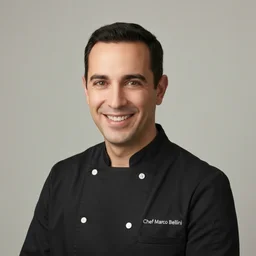
Executive Chef & Culinary Arts Certification Educator
Culinary Institute of AmericaChef Marco Bellini is a Certified Executive Chef and graduate of the Culinary Institute of America with over 20 years of professional kitchen experience in Michelin-recognized restaurants. He teaches culinary arts certification, food safety, and hospitality exam preparation, having guided thousands of culinary students through their ServSafe, ProStart, and professional chef certifications.
Join the Discussion
Connect with other students preparing for this exam. Share tips, ask questions, and get advice from people who have been there.
View discussion (7 replies)