
Bartending Tricks: The Complete Guide to Showmanship, Speed, and Skill Behind the Bar
Learn bartending tricks that impress guests and boost tips. Covers flair, speed pouring, layering, and certification prep. 🎯

Bartending tricks are far more than flashy showmanship — they represent a deep combination of technical precision, muscle memory, and genuine hospitality that separates a good bartender from a great one. Whether you are just starting out behind the stick or preparing for your bartender certification exam, mastering these skills will elevate your career, increase your tips, and make every shift more engaging.
From flair bottle flips to the art of the perfect pour, every trick you learn translates directly into confidence at the bar. If you want to explore the full breadth of hands-on training, searching for bartending tricks classes in your area is one of the best first steps you can take.
The history of bartending showmanship traces back to the 1980s when Tom Cruise's film "Cocktail" brought flair bartending into the mainstream consciousness of American bar culture. Before that movie, most bar tricks were informal and passed down from mentor to apprentice. Today, flair bartending is a recognized competitive discipline with international tournaments, dedicated training academies, and a vibrant online community of practitioners who share techniques via social media. The skills range from beginner-friendly bottle spins to advanced juggling sequences that take months of daily practice to perfect safely and consistently.
Understanding the difference between working flair and exhibition flair is critical for anyone serious about this craft. Working flair refers to tricks incorporated seamlessly into actual drink-making during busy service — quick bottle spins, one-handed pours, tin flips between builds. Exhibition flair, by contrast, is the elaborate choreographed sequences performed at competitions or specialty shows, often with multiple bottles in the air simultaneously. Most professional bartenders focus heavily on working flair because it directly impacts service speed, tip income, and guest entertainment without disrupting bar flow or slowing down ticket times during rush hours.
Speed pouring is arguably the most practical and immediately profitable bartending trick any new bartender can master. The standard pour count in most American bars is a four-count pour equaling approximately 1.5 ounces, though different establishments use three-count or six-count systems depending on their recipe standards and pour cost targets. Training your hand to consistently hit the right volume without measuring every single drink requires daily repetition with water and a jigger to verify accuracy. Experienced bartenders often achieve pour consistency within 0.1 ounces of target volume, which dramatically reduces over-pouring waste that costs bar owners thousands of dollars annually.
Bottle layering is another foundational skill that looks impressive but rests entirely on understanding the specific gravity of different spirits and liqueurs. Heavy, sugar-rich liqueurs like grenadine or coffee liqueur sink to the bottom, while lighter spirits like vodka or white rum float toward the top when poured carefully over a bar spoon. Classic layered drinks like the Pousse-Café demonstrate this principle across five or six distinct colored layers. The key is pouring slowly against the rounded back of a spoon so that liquid disperses gently across the existing layer rather than punching through and mixing with lower density components.
Muddling, rimming, and garnish cutting are often overlooked bartending tricks that experienced professionals treat with the same level of care as any flair move. A properly muddled mojito releases essential oils from fresh mint without bitter chlorophyll from over-crushed leaves — a distinction that separates average cocktails from memorable ones.
Salt and sugar rims applied with even pressure create a professional presentation that guests photograph and share on social media, generating organic marketing for the establishment. Learning to cut citrus twists, wheels, and wedges efficiently with minimal waste is a skill that experienced bar managers look for when evaluating candidates for full-time positions.
Ice management is a frequently underestimated but crucial element in every bartender's skill set. Understanding which ice format — cubed, crushed, cracked, or large format — suits each cocktail affects both dilution rate and visual presentation. A properly diluted shaken cocktail should be cold and slightly opened up by the water introduced during vigorous shaking, while a stirred spirit-forward drink like a Manhattan should achieve a silkier, more integrated texture.
Bartenders who understand ice science consistently produce cocktails that taste more balanced, stay cold longer, and impress guests who notice the difference between a thoughtfully constructed drink and one thrown together carelessly.
Bartending Tricks by the Numbers

How to Learn Bartending Tricks Step by Step
Master the Free Pour Fundamentals
Learn Working Flair Basics
Build Layering and Presentation Skills
Develop Speed and Efficiency
Pursue Certification and Formal Recognition
Flair bartending techniques can be broken down into three progressively challenging categories: singles (one bottle or tin in motion), multiples (two or more objects simultaneously), and catches (aerial moves that require precise timing and spatial awareness). Beginners should spend their first four to six weeks exclusively on singles before introducing any multiple-object work. The most common beginner mistake is rushing to juggle multiple bottles before achieving confident control with a single bottle, which dramatically increases the risk of dropping, breakage, and potential injury to coworkers and guests during actual service shifts.
The bottle spin is typically the first flair move taught in any professional program, and it remains one of the most visually effective tricks in a working bartender's repertoire. To execute a clean bottle spin, grip the bottle at its midpoint, apply lateral rotational force with the wrist, and release briefly before recapturing the neck with the same or opposite hand.
The key variables are the weight of the bottle — heavier when full, lighter when empty — and the surface friction of your grip. Practicing with both full and empty bottles builds the muscle memory needed to adapt on the fly during real service where bottle fill levels constantly change throughout a shift.
The shaker tin flip is another foundational move that combines utility with visual appeal. Unlike purely decorative flair, the tin flip serves a functional purpose: it allows a bartender to dramatically separate a Boston shaker's two tins with one hand while the other hand is occupied pouring an ingredient. To perform it safely, practice over a rubber bar mat using an empty tin.
Apply upward pressure with the thumb while simultaneously rotating the wrist inward so the tin arcs in a controlled half-circle before landing open-side up on the bar surface. This move impresses guests enormously while adding zero additional time to the cocktail build when executed proficiently.
Bottle pouring tricks go well beyond simple speed — they include behind-the-back pours, over-the-shoulder fills, and dual simultaneous pours from two bottles held in one hand. Each of these moves requires months of deliberate practice before they should be attempted during actual service. The behind-the-back pour in particular demands strong spatial awareness and confident motor control, since the bartender cannot see the glass during the pour itself. Professionals who perform these moves during service typically practice them for three to six months with water before transitioning to actual spirits, protecting both inventory and guest safety throughout the learning process.
Tin and glass stacking tricks are a subset of flair that adds visual drama during the garnish and finish stages of cocktail presentation. A double stack — placing a rocks glass on top of a shaker tin while building a second drink — signals to guests that a bartender is both confident and in control of the chaos of a busy bar.
These presentation skills matter significantly during job auditions, where bar managers often watch candidates execute tricks under observation to assess composure and crowd awareness. Practicing in front of a mirror helps develop the performance awareness needed to engage guests visually while your hands continue working through the drink-building sequence automatically.
Fire tricks are a specialized and high-risk subset of bartending showmanship that require formal training, venue permission, appropriate safety equipment, and strict protocols before they are ever performed in front of guests. Flaming citrus twists, flambéed spirits, and the famous flaming Sambuca are examples of fire-adjacent presentation techniques that add dramatic visual appeal to certain cocktail services.
Venues that permit fire tricks typically require bartenders to complete dedicated safety training, maintain fire extinguishers behind the bar, and notify management before any flame is introduced. Attempting fire tricks without proper training and venue authorization is both dangerous and potentially a violation of local fire codes and liquor license conditions.
Ice presentation is an underappreciated performance skill that impressive bartenders use constantly without it being recognized as a trick by most guests. Hand-chipping a large format ice cube to fit a rocks glass perfectly, cracking a large ice ball with a single precise tap, or pressing crushed ice into a mint julep cup in a specific way that creates a beautiful frosted exterior — each of these is a repeatable technique that elevates the perceived quality of a bar program and makes guests feel they are receiving something genuinely special.
Bars that invest in large-format ice programs and train their staff in proper ice presentation typically command premium pricing for their cocktails and generate significantly stronger social media content from impressed guests.
Bartending Tricks by Skill Category
Flair bartending encompasses bottle spinning, tin flipping, multi-object juggling, and aerial catches performed during drink service. Working flair is integrated into normal cocktail builds without slowing service, while exhibition flair is choreographed for competitions and special events. Most venues prefer working flair because it entertains guests without extending ticket times. Beginners should start with bottle spins and shaker cuts, spending at least six weeks on each move before progressing to more complex multi-object techniques to build safe, consistent muscle memory.
The competitive flair scene in the United States includes major events like the Roadhouse Flair Competition and the World Flair Association tournaments. Competitors are judged on creativity, difficulty, execution, timing, and guest interaction. Participation in competitions accelerates skill development significantly because the pressure of performance under judges pushes bartenders to achieve a higher consistency standard than daily practice alone typically produces. Many top flair bartenders recommend entering at least one local competition within your first year of dedicated training, even if your skill level feels insufficient, because the feedback and community connection are invaluable for long-term development.

Is Learning Bartending Tricks Worth the Investment?
- +Flair and showmanship consistently increase tip percentages by 18–22% according to industry surveys
- +Distinguishes you from other candidates during job auditions at competitive high-volume venues
- +Builds genuine confidence and stage presence that improves overall guest interaction quality
- +Speed pouring skills directly reduce ticket times and allow more drinks served per shift
- +Certification combined with trick mastery opens doors to premium cocktail bars and resort properties
- +Performance skills translate to entertainment and brand ambassador opportunities beyond traditional bartending
- −Flair practice requires significant time investment — expect 30+ minutes daily for months before working-flair proficiency
- −Broken bottles and dropped equipment during practice represent a real supply cost for self-training bartenders
- −Not all venues value or allow flair, making some skills irrelevant in certain bar environments
- −Over-focusing on showmanship can distract from mastering foundational cocktail craft and flavor knowledge
- −Fire tricks and advanced aerial moves carry genuine injury risk without proper formal training and supervision
- −Some guests find heavy flair distracting or pretentious, particularly in upscale fine-dining cocktail environments
Bartending Tricks Mastery Checklist
- ✓Practice free pour accuracy daily with water until both hands hit 1.5 oz within 0.1 oz consistently.
- ✓Master the bottle spin with both full and empty bottles before moving to any other flair move.
- ✓Learn to flip a Boston shaker tin cleanly with one hand over a padded practice surface.
- ✓Memorize specific gravity values for your bar's top 20 spirits and liqueurs to enable layered builds.
- ✓Time your ten most common cocktail builds and identify the three slowest to focus speed improvement efforts.
- ✓Practice expressing citrus peels over a glass until you can see the essential oil mist every time.
- ✓Develop a clean salt and sugar rimming technique that creates an even, professional presentation consistently.
- ✓Learn to crack and chip large-format ice cubes safely using proper bar tools and controlled force.
- ✓Study ice dilution rates for shaking vs. stirring to produce correctly balanced cocktails every build.
- ✓Complete a recognized bartender certification program covering responsible service, bar law, and cocktail fundamentals.
The Trick That Pays the Most: Free Pour Accuracy
Industry research consistently shows that free pour accuracy — not flair juggling — delivers the fastest return on practice investment for working bartenders. A bartender who eliminates over-pouring saves their employer 8–12% in liquor costs while simultaneously increasing their own value and job security. Master the four-count pour before any other trick and you will be ahead of 70% of entry-level bartenders competing for the same positions.
Advanced bartenders who have moved beyond basic tricks often discover that the most impressive skill they can demonstrate is not a bottle flip or fire trick — it is the ability to taste a cocktail mid-build and diagnose exactly what it needs.
This palate calibration, developed through years of tasting hundreds of spirits and studying the flavor interactions between ingredients, is what separates journeyman bartenders from genuine craft professionals. A bartender who can identify that a Negroni is slightly over-bitter and add a half-barspoon of simple syrup to bring it into perfect balance impresses connoisseurs far more than any visual trick ever could.
Developing a signature cocktail is a career-advancing trick that many bartenders overlook because it requires a different kind of creativity than flair performance. A well-constructed original recipe that balances a novel ingredient combination with approachable flavor and visual appeal can define a bartender's reputation within a local bar community.
Bars frequently use their best original cocktails as marketing assets, crediting the creating bartender and building their profile. Some of the most successful bartending careers in American cocktail culture have been launched by a single exceptional original recipe that spread through social media and earned the creator national recognition in trade publications.
Batching cocktails for high-volume service is an operational trick that distinguishes professional bar programs from amateur ones. Pre-batching frequently ordered cocktails — particularly sour-style drinks, spritzes, and multi-ingredient stirred cocktails — allows bars to serve complex drinks in seconds during peak periods. The technical challenge is calculating dilution accurately so that a batched cocktail, served over ice from a refrigerated container, achieves the same balance as a freshly shaken or stirred version. Professionals use dilution calculation formulas that account for the water introduced during mixing, adjusting batch recipes to hit target ABV and flavor balance consistently across hundreds of servings.
Reading the room is perhaps the most underestimated trick a bartender can master. Experienced bartenders develop an almost intuitive sense for which guests want engagement and which want space, which table is ready for another round before they signal for it, and which guest at the bar is celebrating versus processing a difficult day.
This emotional intelligence translates directly into tips because guests feel seen and understood rather than processed. Bartenders who can code-switch seamlessly between playful flair performance for a bachelorette party and quiet, attentive service for a couple on a first date earn significantly more than those who apply the same energy to every guest interaction.
Upselling is a legitimate bartending trick that benefits both the bartender and the establishment when executed honestly. A bartender who can articulate the difference between well vodka and a premium craft distillery product in two sentences — and whose genuine enthusiasm for the upgrade comes through — will convert a meaningful percentage of well orders to premium pours.
At a $4 upcharge per drink across 50 drinks on a Saturday night, that skill generates $200 in additional revenue per shift. Bars notice this impact and reward it with prime shift assignments, section upgrades, and faster advancement into lead bartender or bar manager roles that carry significantly higher base compensation.
Memorization is a classic bartending trick that never loses its power to impress. A bartender who remembers a returning guest's preferred drink after a single visit creates a moment of genuine recognition that generates loyalty and word-of-mouth referrals. Beyond individual preferences, memorizing the full menu of cocktails, spirits, beers, and wines — including flavor profiles and food pairings — allows a bartender to make confident recommendations without hesitation. Guests who receive specific, personalized recommendations from knowledgeable bartenders consistently tip above the standard rate because they feel they received expert consultation alongside their drink service, adding real value to their evening.
Documentation habits separate professional bartenders who grow from those who plateau. Keeping a personal recipe notebook with notes on successful builds, guest feedback, ingredient ratios tried during development, and ideas for new cocktails creates an invaluable personal reference that grows more valuable with each passing year. Top bartenders also document their training progress — tracking weekly pour accuracy numbers, timing benchmarks, and new tricks successfully incorporated into working service. This data-driven approach to self-improvement accelerates skill development and provides concrete talking points when negotiating raises or applying for positions at higher-caliber establishments that expect candidates to demonstrate systematic professional development.

Fire tricks and advanced aerial flair moves must never be attempted without formal training, explicit venue authorization, and proper safety equipment on hand. Performing unauthorized fire tricks in a licensed bar can result in liquor license suspension, personal liability for injuries, and immediate termination. Always obtain written permission from management and complete a recognized fire safety course before introducing any flame-based presentation technique behind your bar.
Building your personal brand as a bartender in 2026 requires a deliberate social media strategy that showcases your tricks, personality, and cocktail philosophy to a wider audience than any single bar could provide. Platforms like Instagram and TikTok have launched the careers of dozens of American bartenders who gained national followings by consistently posting short-form videos of impressive technique, original cocktail builds, and authentic behind-the-scenes bar life content.
The bartenders who succeed in this space are not necessarily the most technically skilled — they are the ones who communicate their passion most clearly and make viewers feel the joy and craft behind every drink they build on screen.
Photography skills are a genuine career-advancing trick for modern bartenders. A cocktail that photographs beautifully generates immediate social media engagement, which in turn drives foot traffic to the bar and increases the perceived premium of its drinks program.
Learning basic composition principles — rule of thirds, backlit glassware, complementary color backgrounds — and practicing with a smartphone camera during slower service periods costs nothing but time and delivers measurable marketing value. Bartenders who develop strong photography instincts often find themselves contributing to their bar's official social media accounts, which builds their profile within the establishment and beyond it to a wider industry audience.
Networking within the bartending community is an often-overlooked trick for career acceleration. Attending industry events, brand ambassador tastings, competition circuits, and bar industry trade shows connects bartenders with distributors, brand representatives, and other professionals who share knowledge freely and open doors to opportunities that never appear on job listing boards. The bartending industry in the United States is relationship-driven at every level above entry, and bartenders who invest in community participation consistently access better positions, higher earnings, and more interesting professional opportunities than equally skilled bartenders who remain isolated within a single venue.
Continuous education is a career trick that compounds in value over time. Pursuing spirits education certifications like WSET (Wine and Spirit Education Trust) or CMS (Court of Master Sommeliers) bartending certificates demonstrates commitment to professional growth and opens doors to positions at hotel bars, high-end restaurants, and specialty cocktail bars that specifically seek educated staff.
Many of these establishments offer higher base wages, better working conditions, and access to premium spirits that accelerate a bartender's flavor education. Pairing formal spirits education with hands-on trick development creates a complete professional profile that appeals to the widest range of high-quality bartending opportunities available in the current market.
Guest education is a powerful trick that transforms a bartender's role from order-taker to experience curator. When a bartender takes thirty seconds to explain the provenance of an unusual agave spirit, the distillation process behind a craft whiskey, or the history of a classic cocktail, guests shift from passive consumers to active participants in a shared experience.
This engagement deepens their satisfaction with the visit, extends their time at the bar, and dramatically increases the likelihood of ordering additional rounds and leaving generous tips. The best bartender educators make this feel spontaneous and conversational rather than rehearsed, reading each guest's level of interest and calibrating the depth of their explanation accordingly.
Mentorship participation — both as a mentee early in your career and as a mentor once established — is a career-defining trick that many bartenders skip because it requires time without immediate financial return. Learning from an experienced bartender who is willing to share their knowledge accelerates skill development by years compared to self-teaching alone.
As your own career advances, mentoring newer bartenders builds leadership skills, deepens your own understanding by forcing you to articulate techniques you have internalized automatically, and builds the kind of professional reputation that results in bar manager and bar director opportunities at the next stage of your career trajectory.
Ultimately, the greatest bartending trick of all is making every guest feel like the most important person in the room during their visit. Technical skills, flair moves, and cocktail knowledge are all tools in service of this fundamental hospitality goal. The bartenders who earn the highest tips, receive the best promotions, and build the most durable careers are those who combine genuine technical excellence with authentic human warmth. Every trick you learn is only as valuable as the human connection it helps you create with the guest sitting across the bar from you on any given night.
Preparing for a bartender certification exam requires applying the same disciplined practice approach you use for physical tricks to academic subject matter. Bar law, liquor regulations, responsible alcohol service, and inventory management are the core knowledge domains tested by most major certification programs, and they reward systematic study over cramming. Creating a weekly study schedule that dedicates specific sessions to each subject area — rather than reviewing everything randomly — builds the organized knowledge structure that allows you to answer exam questions quickly and confidently under time pressure on test day.
Practice tests are one of the most effective certification preparation tools available, and using them strategically rather than simply as assessment tools maximizes their value. After completing a practice test, spend at least twice as long reviewing the questions you missed as you spent answering the test itself.
Each missed question reveals a specific knowledge gap — a regulation you misunderstood, a formula you misapplied, or a concept you only partially grasped. Targeting these gaps with focused review sessions closes them systematically and prevents the same gaps from causing errors on the actual certification exam when the stakes are real and the score is permanent.
Responsible alcohol service knowledge is tested heavily on most US bartender certification exams because it directly relates to legal liability for both the individual bartender and the establishment. Understanding dram shop laws — which hold servers legally liable for injuries caused by guests they over-served — is particularly critical because violations can result in criminal charges, civil lawsuits, and permanent loss of the right to work in licensed establishments.
Study the specific dram shop statutes for your state, learn the behavioral signs of intoxication that trigger a legal duty to refuse service, and memorize the proper documentation procedures for incidents involving potentially intoxicated guests.
Inventory management and cost control questions on bartender certification exams test mathematical skills alongside conceptual understanding. Be comfortable calculating pour cost percentage (spirit cost divided by drink selling price, multiplied by 100), variance between beginning and ending inventory, and theoretical versus actual usage comparisons. These calculations are straightforward when practiced regularly but can trip up candidates who have not reviewed basic percentage arithmetic recently. Creating a set of ten to fifteen practice calculation problems and working through them from memory until the formulas are completely automatic is the most efficient way to lock in this exam domain.
Time management during the certification exam itself is a practical skill worth preparing for specifically. Many candidates run out of time on their first attempt because they spend too long on difficult questions early in the exam, leaving insufficient time for easier questions later. Practice working through a full-length practice exam under strict timed conditions before your actual test date. Develop a personal strategy for flagging difficult questions to return to later so that easier questions get answered first and your point total is maximized regardless of how the difficult ones ultimately resolve within the remaining time available.
Study group participation can dramatically accelerate certification preparation, particularly for candidates who find self-study motivation challenging. Explaining concepts to study partners reinforces your own understanding, while hearing different explanations of the same material from peers often fills gaps that self-study alone misses. Many bartending schools and trade associations in major US cities organize study groups around upcoming certification exam dates — checking with local bartending organizations, union halls, and bar industry social media groups is the fastest way to find or organize one in your area before your scheduled exam date.
On the day of your certification exam, the preparation tricks are simple but worth stating explicitly: arrive early enough to find parking and settle your nerves before check-in, bring appropriate identification as specified in your exam confirmation, read every question fully before answering rather than responding to the first familiar phrase you see, and trust the preparation you have completed rather than second-guessing answers you felt confident about during your review. Certification success is the product of consistent preparation over weeks, not anything you can manufacture in the hours before the exam itself begins.
Bartender Bartender Questions and Answers
Bartending Classes Near Me: How to Find, Compare, and Choose the Right Local Training Program in 2026
How to Become a Bartender by State: Complete Requirements Guide for All 50 States
Bartender Age Requirements by State: Can You Be a Bartender at 18 in Georgia and Beyond?

Did Ed Gein Really Kill the Bartender? The True Crime Myth vs. Bartending Reality
Mobile Bartending Names: 200+ Ideas to Brand Your Cocktail Business in 2026
About the Author
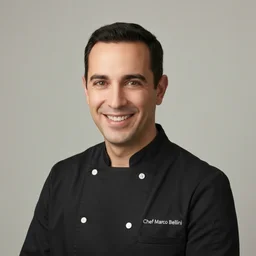
Executive Chef & Culinary Arts Certification Educator
Culinary Institute of AmericaChef Marco Bellini is a Certified Executive Chef and graduate of the Culinary Institute of America with over 20 years of professional kitchen experience in Michelin-recognized restaurants. He teaches culinary arts certification, food safety, and hospitality exam preparation, having guided thousands of culinary students through their ServSafe, ProStart, and professional chef certifications.
Join the Discussion
Connect with other students preparing for this exam. Share tips, ask questions, and get advice from people who have been there.
View discussion (7 replies)