
Tips for Bartending: The Complete Guide to Skills, Service, and Success Behind the Bar
Master tips for bartending with proven techniques for speed, service, and certification success. Build a career behind the bar. 🎯

Whether you are just stepping behind the stick for the first time or you have been slinging cocktails for years, mastering the right tips for bartending can be the difference between an average shift and an exceptional career. The bar industry in the United States employs more than half a million people, and competition for the best positions — at upscale hotels, craft cocktail lounges, and high-volume nightclubs — is fierce. Learning foundational skills early sets you apart from applicants who simply know how to pour a drink.
Speed and accuracy are the twin pillars of professional bartending. During a Friday night rush, a skilled bartender might serve 200 or more guests in a single shift. Every wasted motion — a misplaced jigger, an unlabeled bottle, a forgotten garnish station — costs precious seconds that compound into minutes of lost tips and frustrated customers. Experienced professionals develop routines that eliminate unnecessary movement and keep every tool within arm's reach at all times.
Customer service is equally critical and often undervalued by new bartenders who focus entirely on drink recipes. Regulars return not just for great cocktails but for the feeling that a knowledgeable, friendly professional remembers their name and their usual order. Building genuine rapport with guests increases tips, earns referrals, and creates the loyal base that gives a bartender leverage when negotiating shifts or positions at better establishments.
Knowledge of the law is non-negotiable in this profession. Every state has rules governing alcohol service, and bartenders are personally liable if they serve an intoxicated guest who later causes harm. Responsible beverage service training — such as TIPS, ServSafe Alcohol, or state-specific programs — is required by many employers and strongly recommended by all industry experts. Understanding these regulations protects both the bartender and the establishment.
Financial literacy behind the bar is another skill that separates hobbyists from professionals. Knowing how to count a till, track pour costs, calculate variance, and flag potential theft makes you an asset to any owner or manager. Bartenders who demonstrate that they understand the business side of bar operations are far more likely to be promoted into lead or bar manager roles, which come with significantly higher compensation and creative control.
If you want to accelerate your growth, exploring structured bartending tips through formal education programs can give you hands-on experience with real equipment, supervised practice behind a working bar, and connections to local industry professionals who can open doors to your first or next job. Certification programs also signal to employers that you take the craft seriously and are committed to professional standards.
This guide covers the full spectrum of what it takes to thrive in the bartending profession — from your first night on the floor to the knowledge you need to pass industry certifications. Work through each section, apply the advice consistently, and you will find that both your income and your job satisfaction climb steadily over time.
Bartending in the U.S. by the Numbers

Essential Bartending Skills to Master
Learn Classic Cocktail Recipes
Master Pouring Technique and Jigger Use
Develop Speed and Station Organization
Study Responsible Alcohol Service
Understand Bar Law and Compliance
Practice Inventory and Cost Control
Speed is the metric that separates a competent bartender from a truly exceptional one, and it is built through deliberate practice rather than raw talent. Before every shift, experienced bartenders spend five to ten minutes completing what is called a "pre-shift setup" — stocking the well with the most-called spirits, filling ice bins to capacity, cutting garnishes, and doing a visual check of every bottle in the rail to confirm nothing is running low. This ritual eliminates mid-rush scrambles that break your rhythm and slow down service across the entire bar.
Workflow during a busy service follows a principle borrowed from professional kitchens: batch your actions whenever possible. Rather than making one Margarita at a time, shake two or three simultaneously when you have multiple orders for the same drink. Pre-batch syrups, pre-squeeze citrus juice, and pre-portion garnishes for high-volume cocktails during slower periods so that each build during peak hours takes seconds rather than minutes. Top bartenders think three orders ahead of the one they are currently making.
The layout of your tools matters enormously and is worth obsessing over during setup. Place your jigger on the same side of the shaker tin every single time. Keep bottle openers in the same pocket. Position your speed pours so that the bottles you reach for most often are closest to your dominant hand. When you repeat these arrangements shift after shift, your hands find the tools without conscious thought, which frees your mind to take orders, scan for guests who need attention, and monitor the door simultaneously.
Multitasking at the bar is less about doing several things at once and more about managing attention in smart sequences. While a cocktail is chilling in a shaker, you can be opening a bottle of beer, greeting a new guest, or running a card for a check. The key habit is never standing still — if your hands are not actively building a drink, they should be engaged in something that moves the shift forward. Idle moments at a busy bar are waste, and eliminating waste is how you serve more guests per hour without cutting corners on quality.
Communication with your bar-back is a skill that many new bartenders underestimate. A well-briefed bar-back who knows exactly what you need and when you need it — fresh ice, restocked garnishes, cleared glassware — can effectively double your throughput during a rush. Develop a clear, calm system for communicating needs: specific requests, not vague gestures. Thank your bar-back publicly and tip them generously from your own earnings, because their performance directly impacts yours every single night.
Drink building sequences should be standardized using the industry mnemonic known as "ice, spirits, modifiers, top." Always add ice first to cool the glass, then spirits for accurate measurement, then modifiers like juice or syrups, and finally your top — soda, sparkling wine, or a float. This sequence prevents dilution errors, ensures proper layering when required, and gives you a consistent mental checklist that eliminates the small mistakes — a forgotten modifier, a double-poured spirit — that happen when you build drinks differently each time.
Tracking your ticket in high-volume environments requires a system. Some bartenders use a mental method of remembering orders in groups of three; others write shorthand tickets. Whatever system you choose, be consistent and develop it deliberately during slower shifts so it is automatic when the pace picks up. Making a guest repeat their order because you forgot is a trust-breaking moment that affects your tip and their overall experience of the bar, so invest in your memory systems before you need them most.
Customer Service, Upselling, and Guest Experience Techniques
Great bartenders remember names, usual orders, and small personal details that make guests feel recognized rather than anonymous. A simple "The usual, Mike?" greeting is worth more than any loyalty program and costs nothing. Make deliberate eye contact when guests arrive, acknowledge them even when you are busy, and follow up mid-visit to ensure satisfaction before they ask for their check. These micro-moments of attention build the repeat business that defines a bartender's earning power over time.
Listening actively is a skill that most new bartenders do not prioritize enough. Guests often signal exactly what they want if you pay attention — they mention that they had a bad day, that they are celebrating, or that they are not sure what they feel like drinking. These cues are invitations to personalize the experience. Recommending a drink based on a guest's stated mood or flavor preference turns a transaction into a memorable interaction and almost always results in a larger tip at the end of the night.

Pros and Cons of Pursuing Bartender Certification
- +Formal certification signals professionalism to employers and increases hiring chances at premium venues
- +Structured curriculum covers responsible service, bar law, and cost control that are hard to learn on the job
- +Many states offer reduced liability insurance rates for certified, trained bartenders
- +Certification programs often include hands-on lab time that builds speed and technique faster than trial and error
- +Completing a recognized program can accelerate promotion to lead bartender or bar manager roles
- +Industry credentials open doors to specialized positions such as craft cocktail bars, hotel bars, and event bartending
- −Quality programs range from $300 to $1,500, which is a significant upfront investment for entry-level workers
- −Not all certifications are equally recognized — some employer markets favor on-the-job experience over school credentials
- −Online-only programs may not provide the hands-on equipment practice that in-person programs offer
- −Program schedules may not align with the evening-heavy availability of someone already working in hospitality
- −Certification alone does not guarantee employment — real-world experience and personality still drive most hiring decisions
- −Some state-specific licensing requirements are separate from national certification and require additional time and money
Bartender Certification Preparation Checklist
- ✓Complete an approved responsible beverage service course such as TIPS or ServSafe Alcohol before your first shift.
- ✓Memorize the legal drinking age verification process and acceptable forms of ID in your state.
- ✓Study your state's dram shop liability laws and understand your personal exposure as a server of alcohol.
- ✓Learn to calculate pour cost percentage using the formula: cost ÷ selling price × 100.
- ✓Practice identifying visible signs of intoxication — slurred speech, loss of coordination, bloodshot eyes.
- ✓Memorize the standard pours for spirits (1.5 oz), wine (5 oz), and draft beer (16 oz) used in cost calculations.
- ✓Review bar inventory terminology: variance, theoretical usage, actual usage, and shrinkage.
- ✓Study the most commonly tested liquor regulations: hours of sale, happy hour restrictions, and open container laws.
- ✓Take at least two full-length practice tests covering inventory, cost control, and bar law before exam day.
- ✓Build a study schedule that dedicates at least one hour per day to certification prep in the two weeks before your test.
The 80/20 Rule of Bartending Income
Research consistently shows that approximately 80% of a bartender's tip income comes from roughly 20% of their guests — the regulars. Investing disproportionate effort into building and maintaining relationships with loyal repeat customers is the highest-return activity in the profession. One regular who visits twice a week and tips 25% is worth more over a year than dozens of one-time guests who tip 15%.
Understanding bar costs and inventory is the business literacy that most bartenders acquire too late in their careers — and the ones who learn it early gain an enormous competitive advantage. Pour cost is the most fundamental metric in bar operations.
It is calculated by dividing the cost of the ingredients used to make a drink by the price charged for that drink, then multiplying by 100 to get a percentage. A well-managed craft cocktail bar targets a pour cost between 18% and 22%; a high-volume nightclub may accept pour costs as high as 25% because their volume compensates for the lower margin.
Inventory variance is the gap between what your theoretical usage says you should have consumed and what your physical count shows you actually consumed. Variance can result from over-pouring, spillage, breakage, employee theft, or inaccurate measuring. A variance above 3% is generally considered a problem worth investigating. Bartenders who track their own numbers and flag discrepancies to management demonstrate the kind of financial responsibility that owners reward with more responsibility, better shifts, and eventually, management opportunities.
The mechanics of a physical bar inventory are straightforward once you learn them. Products are counted by weighing open bottles (using a scale and a conversion chart for each spirit to convert weight to ounces), counting sealed bottles by unit, and converting draft beer by tracking keg usage against point-of-sale data. Most modern bars conduct full physical inventories weekly, with a quick spot-check of high-value items like premium spirits nightly. Knowing how to participate accurately in this process makes you a more trusted member of the team.
Cost control extends beyond spirits to every consumable behind the bar. Garnishes, napkins, straws, glassware, and carbonated beverages all have costs that accumulate to significant amounts over the course of a month. Experienced bartenders treat every ice cube and every lime wedge as if it came directly out of their own pocket — because in a real sense, wasteful supply use affects profitability, which affects the establishment's ability to offer competitive wages and maintain the venue quality that drives guest traffic and tips.
Understanding pricing strategy helps bartenders have more informed conversations with management and guests. Cocktail prices are typically set using a formula: ingredient cost divided by target pour cost percentage. If a cocktail costs $3.50 in ingredients and the bar targets a 20% pour cost, the selling price should be $17.50. Menu engineering — the practice of positioning high-margin items prominently and training staff to recommend them — is something bartenders actively participate in when they upsell featured cocktails and specials.
Theft prevention is a sensitive but important topic in bar management. The most common forms include giving away free drinks to friends, over-pouring for larger tips, ringing in a lesser drink while charging for a premium, and simply pocketing cash from transactions. Bartenders who understand audit trails — how point-of-sale voids, comps, and discrepancies are tracked — are less likely to make innocent errors that look like dishonesty and are better positioned to flag genuine problems when they observe them in colleagues.
Connecting your knowledge of inventory and cost control to the formal certification process is a smart investment of your study time. The Bartender Certification examination includes a significant section on these topics precisely because they are so critical to professional bar operations. Practicing with real quiz questions on these concepts builds both your knowledge base and your test-taking confidence simultaneously, making your preparation more efficient and your eventual exam performance more reliable.

In most U.S. states, dram shop laws allow injured third parties to sue not just the establishment but the individual bartender who served an intoxicated guest. Your personal assets — not just your employer's insurance — can be at risk. Always refuse service to visibly intoxicated guests, document refusals, and complete a recognized responsible beverage service certification to demonstrate that you acted in accordance with professional standards.
Building a long-term bartending career requires intentional development rather than simply accumulating years of experience. Many bartenders plateau after their first two or three years because they stop learning — they know enough to get through each shift competently, but they are not expanding their repertoire, deepening their spirits knowledge, or positioning themselves for advancement. The professionals who build truly rewarding 10- and 20-year careers treat bartending as a craft that demands continuous education, much like law or medicine.
Specialization is one of the most effective career growth strategies available to bartenders in the current market. Wine-focused bartenders who pursue WSET or Court of Master Sommeliers certifications can command positions at fine dining establishments that pay significantly higher wages. Spirits specialists who achieve Certified Spirits Educator or whiskey sommelier credentials open doors to brand ambassador roles, consulting work, and media opportunities that extend well beyond the bar. Cocktail competition participation — events like the Bombay Sapphire Most Imaginative Bartender or Tales of the Cocktail's Spirited Awards — builds national visibility in a profession that is increasingly merit-based.
Networking within the industry pays returns that are difficult to quantify but impossible to ignore. The hospitality industry in the United States is deeply relationship-driven, and the majority of top bar positions are filled through personal referrals rather than public job postings. Attending industry events, joining professional associations like the United States Bartenders Guild (USBG), and building genuine friendships with other bartending professionals in your market creates an invisible infrastructure that supports your career even during the inevitable slow seasons and job transitions.
Mentorship — both seeking it and eventually offering it — accelerates professional development in ways that self-study alone cannot replicate. Finding an experienced bartender who is willing to share the institutional knowledge they have accumulated over a decade of work gives you access to hard-won lessons about managing difficult guests, negotiating with ownership, recovering from mistakes, and building the mental resilience that the profession demands. Once you have developed your own expertise, paying that mentorship forward builds your reputation as a leader and attracts talented collaborators who elevate everyone around them.
Personal brand building has become an increasingly important career lever for bartenders in the social media era. Bartenders with Instagram and TikTok followings built around cocktail education, behind-the-scenes content, and spirits exploration attract partnership opportunities with liquor brands, opportunities to consult on bar program development, and the kind of public profile that makes venue owners want to hire them specifically. You do not need a massive following — even a local reputation as a thoughtful, knowledgeable professional opens doors that raw bartending skill alone cannot.
Health and longevity in the profession deserve more attention than they typically receive in bartending education. The physical demands of the job — standing for eight or more hours, lifting kegs, working in loud environments until 4 a.m. — take a cumulative toll on the body. Investing in supportive footwear, maintaining core strength through regular exercise, protecting your hearing with earplugs during particularly loud events, and developing a consistent sleep schedule that accounts for your late-night schedule all contribute to a career that remains physically sustainable for decades rather than burning out in five years.
Financial planning is the final dimension of long-term career success that bartenders must prioritize deliberately. Because income is irregular — high-tip weekends followed by slow midweek shifts, seasonal fluctuations, slow seasons when regular guests are traveling — many bartenders find budgeting challenging. Opening a high-yield savings account and automatically depositing a fixed percentage of every shift's earnings before spending the rest is a simple system that builds an emergency fund over time. Consult a financial advisor familiar with tip-based income to understand how to optimize your tax situation, as unreported tip income carries significant legal and financial risk.
Practical preparation for your first days behind a real bar should begin before you ever step foot in the venue. Study the menu thoroughly — not just the cocktail list but the food menu, daily specials, and any signature items that servers and bartenders are expected to describe fluently. Know the price of every drink and which items qualify for happy hour pricing. Understand the point-of-sale system layout well enough that you can navigate it under pressure without asking a colleague for help at a critical moment.
Physical setup habits that experienced bartenders develop take time to build, but the investment pays off within your first few months. Create a personal mise en place routine — a French culinary term meaning "everything in its place" — and execute it identically at the start of every shift regardless of how busy the bar already is when you arrive. This discipline means that even on the most chaotic nights, your station is a source of order rather than contributing to the entropy that derails less-prepared bartenders.
Tasting your products is a professional responsibility, not just a perk. Spend time during pre-shift or quiet afternoon hours tasting spirits, wines, and beer so you can describe them accurately to curious guests. Note the dominant flavor notes — whether a bourbon leads with vanilla and caramel or with spice and oak, whether a gin is juniper-forward or botanical-forward — and practice articulating these characteristics in plain language that non-enthusiasts can understand and respond to when making their ordering decisions.
Your physical presentation behind the bar communicates professionalism before you say a word. A clean, pressed uniform, trimmed nails, hair pulled back, and a calm body language that signals confidence without arrogance makes guests feel that they are in capable hands. Conversely, a bartender who appears frazzled, disorganized, or distracted — even on a legitimately difficult night — erodes guest confidence and reduces the likelihood of strong tips and return visits. Managing your visible demeanor is a learnable skill that improves with conscious practice over time.
Learning to read the room is one of the more advanced skills in professional bartending and one that is difficult to teach formally but is often the marker that distinguishes a truly excellent bartender from a merely competent one. Some guests want conversation; others want to be left to their drink and their thoughts.
Some groups are celebrating and want energy from the bar; others are on a first date and need privacy. Reading these social cues accurately and adjusting your energy, volume, and interaction style accordingly is an art form that develops over hundreds of shifts and thousands of interactions.
Handling money accurately and quickly is a mechanical skill that new bartenders often underestimate. Practice counting change without looking at your hands, use the POS consistently for every transaction rather than taking shortcuts that introduce error, and develop the habit of placing bills on the ledge rather than immediately putting them in the drawer so that disputes about denomination can be resolved before the transaction closes. These habits prevent the small cash handling errors that — when they accumulate — can make an otherwise excellent shift end on a frustrating note.
Finally, take your certification preparation as seriously as you take your on-the-job training. The bartender certification examination covers material that directly applies to real working conditions — inventory management, cost control, liquor regulations, and responsible service — and passing it demonstrates to employers that your knowledge base extends beyond drink recipes to the full professional landscape of bar operations.
Use practice tests consistently in the weeks before your exam, identify your weak areas early, and review the legal and financial content that many candidates under-prepare for. The effort you invest in formal preparation will show in your performance both on the exam and in every shift you work for the rest of your career.
Bartender Bartender Questions and Answers
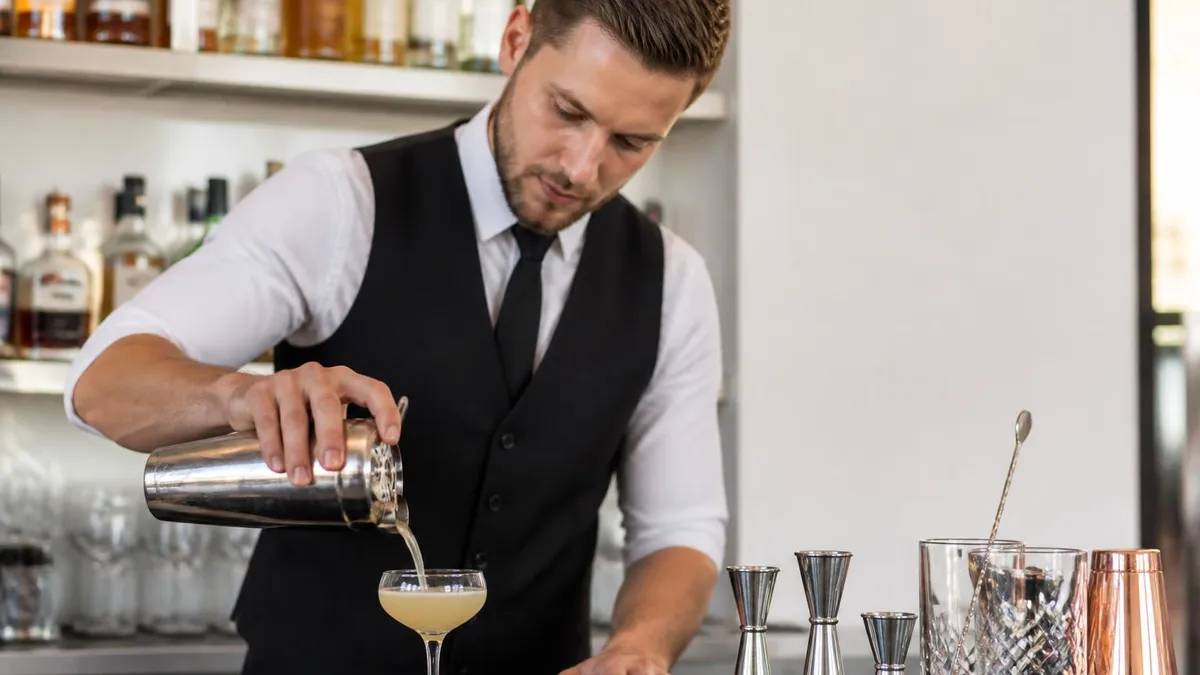
Bartending Classes Near Me: How to Find, Compare, and Choose the Right Local Training Program in 2026
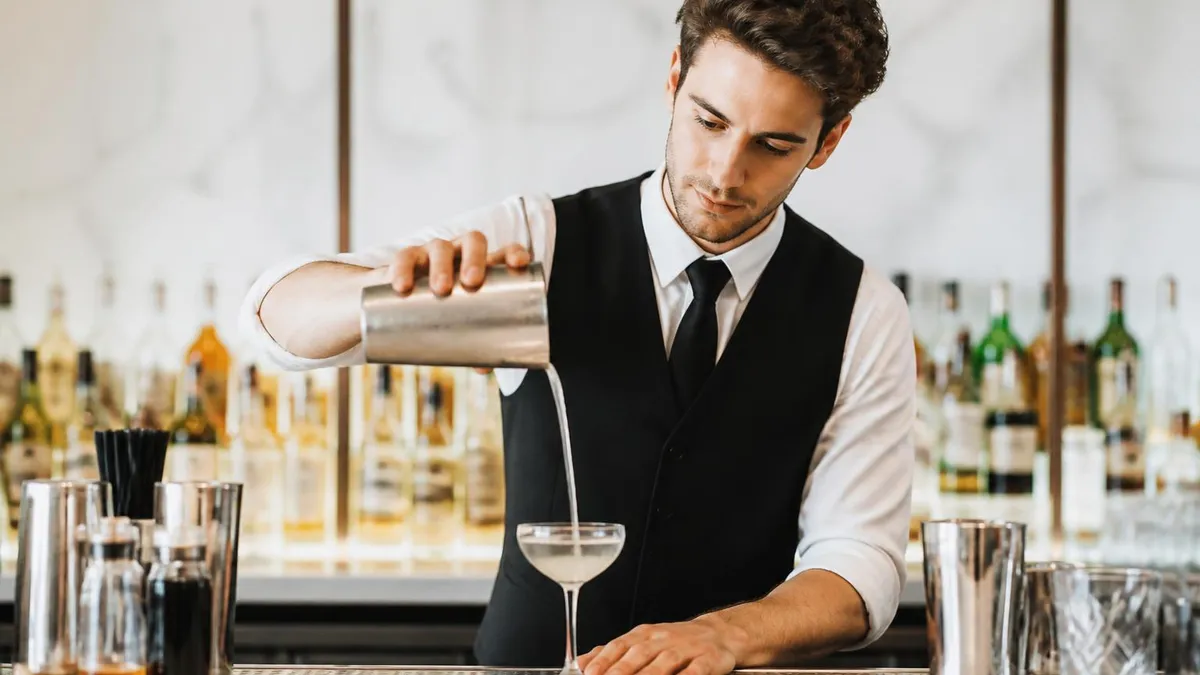
How to Become a Bartender by State: Complete Requirements Guide for All 50 States

Did Ed Gein Really Kill the Bartender? The True Crime Myth vs. Bartending Reality

Mobile Bartending Names: 200+ Ideas to Brand Your Cocktail Business in 2026
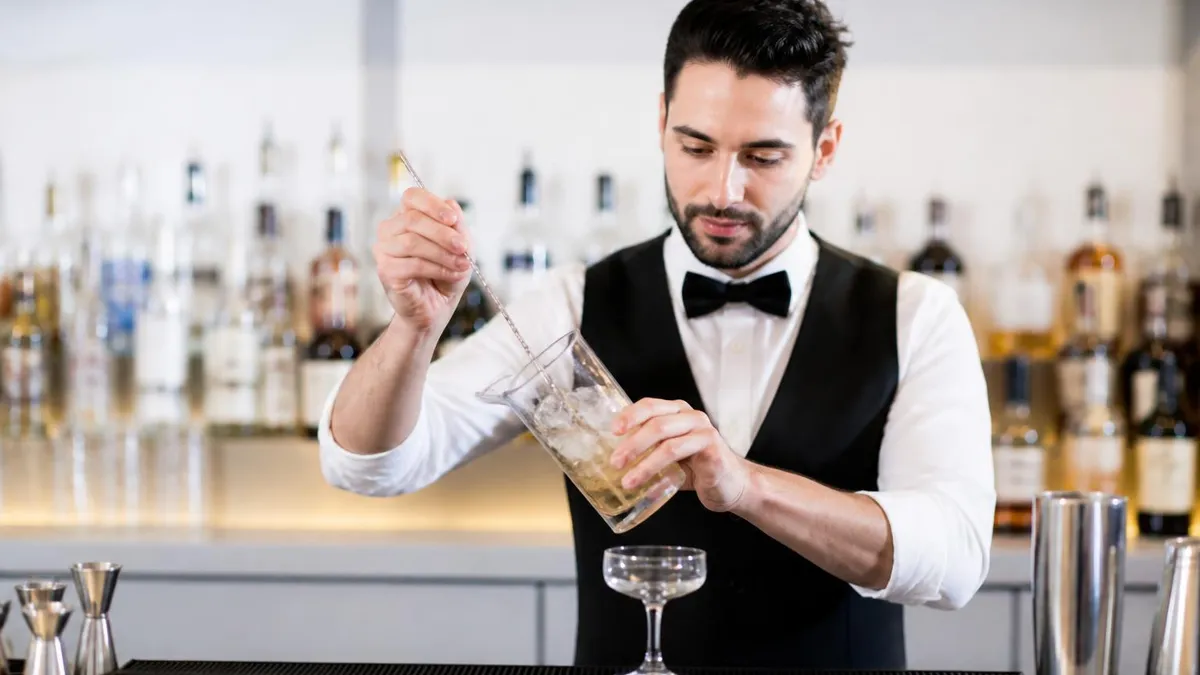
What Does the Term Bruising Mean in Bartending? A Complete Guide to Shaken Cocktail Science
About the Author
Executive Chef & Culinary Arts Certification Educator
Culinary Institute of AmericaChef Marco Bellini is a Certified Executive Chef and graduate of the Culinary Institute of America with over 20 years of professional kitchen experience in Michelin-recognized restaurants. He teaches culinary arts certification, food safety, and hospitality exam preparation, having guided thousands of culinary students through their ServSafe, ProStart, and professional chef certifications.
Join the Discussion
Connect with other students preparing for this exam. Share tips, ask questions, and get advice from people who have been there.
View discussion (7 replies)