
Bartender Jobs No Experience Near Me: Your Complete Guide to Breaking Into the Industry
Find bartender jobs no experience near me in 2026 September. Step-by-step guide to landing your first bar job, certifications, and tips. 🎯

If you have been searching for bartender jobs no experience near me, you are far from alone. Thousands of aspiring bartenders across the United States make this exact search every single day, hoping to break into one of the most socially rewarding and financially promising careers in the hospitality industry. The good news is that bartending is one of the few fields where raw enthusiasm, a great attitude, and foundational knowledge can genuinely substitute for years of paid experience on your first application.
The bar and restaurant industry employs more than 750,000 bartenders nationwide according to the Bureau of Labor Statistics, and that number is expected to grow steadily through 2030 as dining and entertainment spending rebounds after years of pandemic-era contraction. This demand means that hiring managers at bars, hotels, restaurants, and event venues are actively looking for trainable candidates — people who show up ready to learn rather than people who show up expecting to already know everything. Entry-level openings genuinely exist, and they are filled every week by candidates with zero prior bar experience.
What separates the candidates who get hired from those who do not is preparation. Employers who take a chance on inexperienced bartenders want to see that you have put in the legwork to understand the basics: responsible alcohol service, common drink recipes, bar inventory principles, and the legal framework that governs alcohol sales in your state. Walking into an interview with a recognized certification — even a basic one — signals professionalism and signals that you are serious about the craft rather than just looking for a quick paycheck.
This guide will walk you through every practical step you need to take to land your first bartending position in 2026. We will cover where to look for entry-level openings, how to build a competitive application without a resume full of bar experience, which certifications carry the most weight with hiring managers, and what to expect during your first weeks behind the bar. Whether you live in a major metropolitan area or a smaller market, the strategies here apply broadly across US states and local hiring cultures.
One of the smartest early moves you can make is enrolling in a structured training program. Searching for bartender jobs no experience alongside local class options often surfaces community college programs, bartending schools, and employer-sponsored training that can accelerate your path to your first paid shift dramatically. Many programs wrap up in just a few weeks and connect graduates directly to hiring partners, turning what might feel like an impossible job search into a straightforward pipeline.
Throughout this article you will also find practice resources tied to the bartender certification exam, which tests your knowledge of bar inventory, cost control, liquor regulations, and responsible service. Even if the specific venue you are targeting does not require certification, demonstrating exam-level knowledge during an interview consistently impresses hiring managers and separates your application from the stack of generic resumes sitting on their desk. Think of certification prep not just as test prep, but as genuine professional development.
By the time you finish reading, you will have a clear, actionable roadmap for going from zero bar experience to confidently stepping behind the bar for your first shift. The industry rewards those who are prepared and persistent, and the combination of real knowledge, smart networking, and the right credentials can compress what might feel like a long journey into a matter of weeks rather than months.
Bartending Without Experience: By the Numbers

Your Step-by-Step Path to Landing a Bartending Job With No Experience
Complete a Responsible Alcohol Service Certification
Study Bar Inventory, Cost Control, and Liquor Regulations
Enroll in a Local Bartending School or Community Class
Build a Targeted Application and Resume
Network Locally and Apply Strategically
Nail the Tasting Interview or Trial Shift
Building your credentials from scratch is genuinely achievable in a short timeline, and the investment you make in the first few weeks pays dividends for the entire duration of your bartending career. The most important credential for a first-time bartender is a state-approved responsible alcohol service certificate.
Programs like TIPS (Training for Intervention ProcedureS), ServSafe Alcohol, and state-specific alternatives such as Texas TABC or California's RBS program teach you how to recognize signs of intoxication, understand dram shop liability, and handle difficult service situations safely. In states where certification is mandatory — and there are more than 18 of them — you legally cannot pour your first drink without it.
Beyond the basic service certification, candidates who also pursue a more comprehensive bartender certification gain a significant edge over the competition. The bartender certification exam covers bar inventory management, cost control principles, recipe standardization, and the legal landscape of liquor licensing and regulations. Even if your target employer does not explicitly require this certification, arriving at an interview and mentioning that you have been studying pour costs and inventory variance will immediately signal that you understand the business side of bartending — something most inexperienced candidates completely overlook and that hiring managers genuinely value.
Practical skills matter enormously, and no amount of book study fully substitutes for time spent actually building drinks. Bartending schools, which typically run two to six weeks in most major US cities, provide exactly this hands-on training environment. You will learn to free-pour accurately, execute classic cocktail recipes with speed and consistency, operate POS systems, and manage a busy service station under simulated rush conditions.
The best programs partner with local bar groups and restaurants and actively facilitate job placement for graduates. Even in smaller markets, community colleges increasingly offer hospitality programs that include bartending modules at a fraction of the cost of dedicated bartending schools.
If formal school enrollment is not immediately feasible due to cost or scheduling constraints, there are excellent self-directed paths available. Many aspiring bartenders begin by purchasing a full-size home bar kit and working through a cocktail recipe book systematically, making every drink repeatedly until they can execute it from memory. Online resources, YouTube channels run by working bartenders, and digital flash card decks covering classic recipes and liquor knowledge all provide meaningful supplemental training. The key is structured repetition — the same mindset you bring to passing a certification exam translates directly to building muscle memory behind the bar.
Customer service experience from any industry is genuinely transferable and should be highlighted prominently on your bartending resume. Former retail workers, servers, coffee shop baristas, and call center representatives all bring communication, conflict resolution, multitasking, and cash handling skills that directly apply to bar work. When writing your resume, frame your prior experience in terms of the outcomes relevant to bartending: the volume of customers served per shift, your accuracy with cash transactions, your ability to handle high-pressure situations calmly, and any experience you have upselling or recommending products to customers.
References matter more in the bar and restaurant industry than in most fields, because hospitality hiring is deeply relationship-driven. Former managers from any service industry role, instructors from your bartending school or certification program, and even volunteer coordinators from events where you helped manage food and beverage service can all serve as meaningful references. The industry is smaller and more interconnected than it appears from the outside, and a single enthusiastic reference from someone who knows your target hiring manager personally can move your application from the bottom of the pile to the top overnight.
Finally, do not underestimate the power of social proof. Creating a simple social media presence — even a basic Instagram account — where you document drinks you are making at home, certifications you have earned, and your learning journey through bartending school shows prospective employers genuine passion and initiative. Some venues actively scout social media for candidates, and others will check your profiles after receiving your application. A professional, enthusiastic online presence reinforces the story your resume tells and helps you stand out in a competitive entry-level applicant pool.
Types of Bartending Environments for No-Experience Candidates
Casual bars and restaurant bar programs are consistently the most welcoming environments for first-time bartenders. These venues deal with high staff turnover, have strong training infrastructure already in place, and prioritize attitude and reliability over polished technique. Chain restaurants in particular frequently hire entry-level bar staff and provide structured training programs that cover both their proprietary drink menus and general bartending fundamentals over the first several weeks of employment.
The trade-off at casual venues is that the earning potential per shift, while still meaningful, tends to be lower than at upscale or craft cocktail bars. However, the experience and confidence you build in a high-volume, fast-paced casual environment is genuinely excellent preparation for more specialized roles. Many successful craft bartenders spent their first one to three years working at casual chains before transitioning to higher-end venues with deeper menus and higher tip averages.

Is Bartending Without Experience the Right Move for You?
- +High earning potential through tips even in entry-level positions, often exceeding $20-30 per hour all-in
- +Flexible scheduling with evening and weekend shifts that accommodate day jobs, school, or other commitments
- +No degree required — skills and certifications carry more weight than formal academic credentials
- +Strong job market with consistent demand across the country in virtually every geographic market
- +Clear skill progression path from barback to bartender to head bartender to bar manager
- +Social, high-energy work environment that many people find genuinely enjoyable and energizing
- −Income variability — tips fluctuate based on season, shift, venue type, and economic conditions
- −Physically demanding work with long periods of standing, heavy lifting, and late-night hours
- −Exposure to difficult customers and occasional confrontational situations requiring conflict management
- −Initial investment in certifications, training programs, and equipment before earning your first paycheck
- −Highly competitive entry-level market in desirable urban areas where many candidates have more experience
- −Irregular scheduling and unpredictable hours can create challenges for work-life balance and personal planning
No-Experience Bartender Application Checklist
- ✓Complete a state-approved responsible alcohol service certification such as TIPS or ServSafe Alcohol.
- ✓Research your specific state's mandatory alcohol service training requirements before applying anywhere.
- ✓Enroll in a local bartending school or community college hospitality program for hands-on practice.
- ✓Build a targeted resume that leads with certifications and highlights transferable customer service experience.
- ✓Practice the 50 most common classic cocktail recipes from memory until you can make them consistently.
- ✓Learn to free-pour accurately using a standard 1.5-ounce target and practice with water at home.
- ✓Identify at least 10 local venues actively hiring entry-level or barback positions and apply to each.
- ✓Visit target venues in person during off-peak hours and introduce yourself professionally to the manager.
- ✓Prepare three strong professional references including former managers, instructors, or volunteer coordinators.
- ✓Study bar law and liquor regulations for your state so you can answer compliance questions confidently in interviews.
Certification Knowledge Wins Interviews Even When Experience Cannot
Hiring managers consistently report that entry-level candidates who demonstrate knowledge of bar inventory, pour costs, and liquor regulations during interviews receive job offers at significantly higher rates than candidates who rely solely on personality. Completing even a single practice exam before your interview can expose you to vocabulary and concepts that will make you sound like a seasoned professional, even if you have never worked a single paid shift behind a bar.
Acing the bartending interview when you lack direct experience requires a strategic approach that redirects the conversation toward your knowledge, your preparation, and your transferable skills. The moment a hiring manager asks you about your experience level, your answer should pivot immediately to what you have done to prepare: the certification you earned, the classes you completed, the recipes you have been practicing, and the research you have done on the venue's specific style of service. This reframing transforms your lack of experience from a liability into an opportunity to demonstrate initiative.
Before any interview, spend significant time researching the specific bar or restaurant where you are applying. Study their menu online, identify their top-selling drinks, understand whether they emphasize craft cocktails, classic recipes, or high-volume service, and know a few things about their ownership or reputation in the local market. Walking into an interview and saying "I noticed your menu focuses heavily on agave-forward cocktails and I have been practicing tequila and mezcal drinks specifically because of that" will immediately impress even the most skeptical hiring manager and signals that you see bartending as a craft rather than just a job.
The bar audition — also called a working interview or trial shift — is increasingly common as a final hiring step at higher-end venues. During an audition, you will typically be asked to make several drinks from the venue's menu, demonstrate your speed and accuracy with basic tasks, and interact with the existing staff in a naturalistic way.
Preparation is everything here. Memorize the venue's menu thoroughly in advance, practice any drink you might be asked to make until you can execute it confidently without consulting a recipe, and arrive understanding the venue's service philosophy so you can align your style accordingly.
Body language and energy matter enormously during both formal interviews and trial shifts. Bartending is fundamentally a performance art — you are the focal point of the guest experience at the bar, and every movement you make sends a signal about your competence and your character. Walk into the interview with confident posture, make genuine eye contact, and smile authentically. During a trial shift, move with purpose even when the bar is slow, find ways to be useful to the existing staff without getting in the way, and ask thoughtful questions that demonstrate you are absorbing everything happening around you.
One underappreciated element of the bartending interview is the conversation around responsible service. Interviewers at reputable establishments will almost always ask situational questions about handling intoxicated guests, verifying identification, managing large groups, or responding to a guest who becomes aggressive. Having genuine, detailed answers to these questions — drawn from your certification training and your own thinking about real scenarios — marks you as a safe hire from a liability standpoint. Venue owners and managers worry about lawsuits, licensing violations, and staff safety, and demonstrating that you take these responsibilities seriously is often more influential than demonstrating cocktail knowledge.
Salary negotiation at the entry level of bartending looks different from most industries because the bulk of compensation comes from tips rather than hourly wages. In most markets, entry-level bartenders start at a tipped minimum wage — which varies dramatically by state — with the expectation that tips will bring total compensation into the $20–30 per hour range on average shifts.
Understanding this compensation structure before your interview lets you ask intelligent questions about shift scheduling, typical volume, and tip pool arrangements rather than focusing narrowly on the posted hourly rate, which often tells only a small part of the compensation story.
After the interview or trial shift, always send a brief thank-you note — email is standard, handwritten notes are memorable — within 24 hours. Reference something specific from the conversation or shift to show that you were genuinely paying attention and that your interest in the position is authentic rather than generic. In an industry where most candidates never follow up, this simple professional courtesy can be the tipping point that earns you the callback in a close hiring decision between two otherwise equivalent applicants.

More than 18 US states require bartenders and alcohol servers to complete a state-approved responsible alcohol service training program before working their first shift. In Texas, California, Oregon, Utah, and several other states, serving alcohol without this certification is not just a competitive disadvantage — it is illegal and can expose both you and your employer to significant fines and license suspension. Verify your state's specific requirements before submitting a single application so you are never disqualified on a technicality.
Advancing beyond your first bartending role is something you should be thinking about from day one, even while you are still focused on simply landing that initial position. The most successful bartenders treat their first job not as a destination but as a foundation — a place to build speed, consistency, palate knowledge, and professional relationships that will open doors to progressively better opportunities over the following months and years. The bar industry rewards visible ambition and punishes complacency, so establishing yourself as a dedicated professional from the very beginning sets you on an accelerated trajectory.
The barback position is often the best first step for candidates with absolutely no bar experience, and it deserves serious consideration as a strategic choice rather than a consolation prize. Barbacking — stocking the bar, washing glassware, restocking ice and garnishes, and supporting the working bartenders — gives you an insider view of how a bar operates at full speed. You will absorb drink recipes, service rhythms, customer interaction patterns, and operational logistics through direct observation of experienced bartenders working in a real environment. Many professional bartenders credit their barback years as the most educational period of their careers.
Once you have your first bartending or barback position, pursue continued education aggressively. The bar industry has experienced a genuine craft renaissance over the past decade, with depth of knowledge around spirits, cocktail history, fermentation science, and flavor theory becoming increasingly valued even at casual venues. Organizations like the United States Bartenders Guild offer professional membership, continuing education events, competitions, and networking opportunities that accelerate career development beyond what any single employer can provide. Attending local spirits tastings, brand ambassador events, and industry education seminars keeps your knowledge current and expands your professional network simultaneously.
Specialty certifications are worth pursuing as you gain experience, because they signal expertise in specific product categories and open doors to higher-earning roles. The WSET (Wine and Spirit Education Trust) certification program runs from introductory to diploma level and covers wine, spirits, and sake in serious depth. The Certified Specialist of Spirits (CSS) designation from the Society of Wine Educators is another well-regarded credential that demonstrates advanced product knowledge. Some spirits brands also offer their own brand ambassador certification programs that combine product knowledge with sales and marketing skills relevant to careers beyond traditional bar work.
The path from entry-level bartender to head bartender or bar manager typically unfolds over two to five years depending on the venue and the individual's initiative. Head bartenders are responsible for menu development, staff training, scheduling, and inventory management in addition to their own service work. Bar managers take on broader operational responsibility including vendor relationships, cost control, staffing, and compliance. Each of these roles requires demonstrating not just excellent service skills but also business acumen — exactly the kind of knowledge tested on the bartender certification exam and covered in bar inventory and cost control courses.
Financial planning is a skill that many bartenders develop late and wish they had prioritized earlier. Because bartending income is tip-dependent and therefore variable, building smart savings habits from your first paycheck is critical for long-term financial stability.
Industry veterans recommend setting aside 20–25 percent of tip income in a dedicated savings account to cover taxes (which bartenders must manage themselves on cash tips), to build an emergency fund for slow seasons, and to eventually fund career transitions or investments. Understanding your true effective hourly rate across different shifts and venues also helps you make intelligent decisions about which opportunities are genuinely worth pursuing.
Networking remains the most powerful career accelerator at every stage of a bartending career. The industry is famously incestuous in the best possible way — bartenders know other bartenders, managers move between venues, and a reputation for reliability, skill, and professionalism travels fast in local markets.
Maintaining genuine relationships with colleagues, being a gracious and helpful co-worker, mentoring newer staff once you have some experience behind you, and showing up consistently and professionally every single shift builds the kind of professional reputation that results in being recruited for better opportunities rather than having to apply for them. The best bartending jobs are rarely listed publicly — they are offered quietly to people whose work is already known and trusted in the local market.
Practical preparation for your first bartending job extends well beyond memorizing recipes and obtaining certifications — it encompasses the physical, mental, and organizational habits that allow you to perform consistently at a high level across long, demanding shifts.
One of the most underestimated physical requirements of bartending is simple endurance: a typical bartending shift involves six to ten hours of continuous standing, frequent heavy lifting (full kegs weigh approximately 160 pounds), and rapid movement between stations. Beginning a basic fitness routine — particularly one that builds lower back strength and improves standing endurance — before you start working will meaningfully reduce the physical fatigue you experience during those first challenging weeks.
Mental preparation involves developing what experienced bartenders call situational awareness: the ability to simultaneously track multiple conversations, monitor multiple drink orders at different stages of completion, observe the emotional states of guests throughout the bar, and anticipate needs before they are verbalized.
This kind of multi-threaded attention is a cognitive skill that improves with practice, and you can begin developing it in everyday life by consciously practicing awareness in busy environments like coffee shops, retail stores, or crowded public spaces. Some bartenders describe the mental state of peak service as similar to athletic flow — a high-focus, low-anxiety state where everything happens intuitively and effortlessly.
Organization is the hidden superpower of great bartenders, and it manifests in how you set up your station before service begins. Learning to mise en place — the culinary concept of having everything in its place before you need it — is as important behind the bar as it is in a professional kitchen.
Knowing exactly where every tool, ingredient, garnish, and piece of equipment lives before service begins means that you never have to search for anything under pressure, and your movements become efficient and automatic rather than frantic and error-prone. During your first weeks on the job, arrive early specifically to observe how experienced bartenders set up their stations and replicate their systems precisely.
Speed is the skill that most dramatically separates competent bartenders from exceptional ones, and it develops through specific deliberate practice rather than simply through time on the job. Pour speed, recipe memorization, and ticket management all contribute to your effective capacity per shift, and each can be improved through targeted exercises.
Practice building drinks in the most efficient sequence — spirits first, then mixers, then garnishes — so that your movements become habitual and require minimal conscious thought during busy service periods. Time yourself making your ten most common drinks and set weekly improvement goals so that your speed development feels tangible and measurable.
Financial awareness on the job protects both you and your employer. Understanding pour cost — the ratio of the cost of spirits to the revenue generated by the drinks that use them — helps you understand why accurate pouring matters so much from a business perspective.
A bartender who consistently over-pours by just 20 percent can cost a mid-volume bar tens of thousands of dollars per year in lost revenue. Demonstrating awareness of this during your interview, and demonstrating consistent accuracy during your trial shift, marks you as someone who understands the business context of their role rather than just the service component.
Managing difficult situations — intoxicated guests, fake IDs, large groups that arrive without reservations, or short-staffed shifts during peak hours — is a reality of bar work that every new bartender needs to prepare for mentally before encountering it in practice. Your responsible alcohol service training covers the legal and safety dimensions of these situations, but the interpersonal dimension requires confident, practiced communication skills.
Rehearsing common difficult conversations — how to decline to serve a guest who appears intoxicated, how to request identification politely but firmly, how to manage a guest complaint about wait times — makes these interactions feel manageable rather than threatening when they inevitably arise.
Finally, approach your first several months behind the bar with genuine humility and an explicit commitment to learning from every person you work with. The most experienced bartender on any shift knows things that cannot be found in any book or practice exam, and the willingness to ask questions, accept feedback, and observe carefully is what separates the candidates who build lasting, successful careers in the industry from those who wash out after a few months.
The bar industry is enormous, the opportunities are genuinely exciting, and the career rewards — financial, social, and creative — are real and meaningful for those who approach the work with the professionalism and dedication it deserves.
Bartender Bartender Questions and Answers

Bartending Classes Near Me: How to Find, Compare, and Choose the Right Local Training Program in 2026

How to Become a Bartender by State: Complete Requirements Guide for All 50 States

Did Ed Gein Really Kill the Bartender? The True Crime Myth vs. Bartending Reality

Mobile Bartending Names: 200+ Ideas to Brand Your Cocktail Business in 2026

What Does the Term Bruising Mean in Bartending? A Complete Guide to Shaken Cocktail Science
About the Author
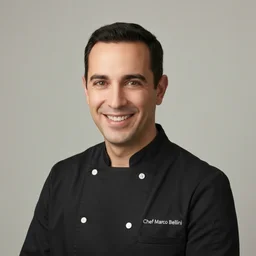
Executive Chef & Culinary Arts Certification Educator
Culinary Institute of AmericaChef Marco Bellini is a Certified Executive Chef and graduate of the Culinary Institute of America with over 20 years of professional kitchen experience in Michelin-recognized restaurants. He teaches culinary arts certification, food safety, and hospitality exam preparation, having guided thousands of culinary students through their ServSafe, ProStart, and professional chef certifications.
Join the Discussion
Connect with other students preparing for this exam. Share tips, ask questions, and get advice from people who have been there.
View discussion (7 replies)