
Barbicide Certification Course: 7 Tips to Know 2026 September
🎯 Free Barbicide Certification practice test with instant feedback and detailed answer explanations. Prepare for your exam.
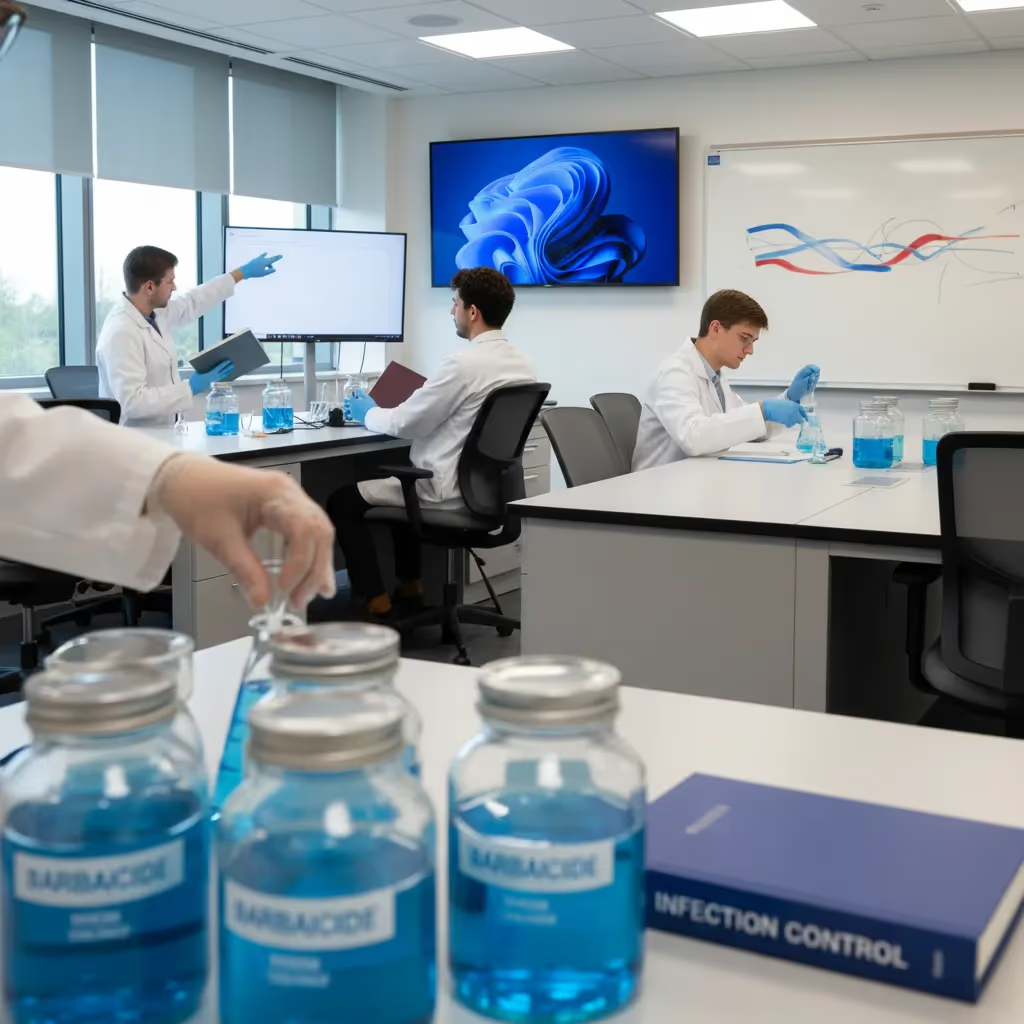
In the professional beauty, barber, and spa industries, the iconic blue fluid of Barbicide is more than just a disinfectant—it is a symbol of trust, professionalism, and unwavering dedication to client safety. However, owning the recognizable glass jar is only the first step. True mastery of infection control requires formal education, which is precisely where the Barbicide Certification Course comes into play. This free, online training program provides professionals with the gold standard knowledge needed to meet and exceed regulatory hygiene standards, reassuring clients and employers that safety is paramount.
The course covers everything from basic microbiology to complex state board regulations, ensuring you understand not just how to use the product, but why specific protocols are critical. Achieving certification marks you as a leader in sanitation, boosting your professional credentials and distinguishing your practice in a competitive market. We’ve compiled the seven most crucial tips derived from the course and industry best practices to help you navigate the material and implement flawless disinfection routines every day. Getting these protocols right is non-negotiable for maintaining a healthy, sterile, and successful business.
Barbicide Practice Test Questions
Prepare for the Barbicide Test exam with our free practice test modules. Each quiz covers key topics to help you pass on your first try.
Barbicide Test Allergen Management
Barbicide Exam Questions covering Test Allergen Management. Master Barbicide Test concepts for certification prep.
Barbicide Test Barbicide Test Chemical Saf...
Free Barbicide Practice Test featuring Test Barbicide Test Chemical Safety and Handling. Improve your Barbicide Exam score with mock test prep.
Barbicide Test Barbicide Test Disinfection...
Barbicide Mock Exam on Test Barbicide Test Disinfection Levels and Methods. Barbicide Study Guide questions to pass on your first try.
Barbicide Test Cleaning and Sanitizing
Barbicide Test Prep for Test Cleaning and Sanitizing. Practice Barbicide Quiz questions and boost your score.
Barbicide Test Cross-Contamination Prevention
Barbicide Questions and Answers on Test Cross-Contamination Prevention. Free Barbicide practice for exam readiness.
Barbicide Test HACCP Principles
Barbicide Mock Test covering Test HACCP Principles. Online Barbicide Test practice with instant feedback.
Barbicide Test Personal Hygiene
Free Barbicide Quiz on Test Personal Hygiene. Barbicide Exam prep questions with detailed explanations.
Barbicide Test Pest Control
Barbicide Practice Questions for Test Pest Control. Build confidence for your Barbicide certification exam.
Barbicide Test Regulatory Compliance
Barbicide Test Online for Test Regulatory Compliance. Free practice with instant results and feedback.
Barbicide Test Temperature Control
Barbicide Study Material on Test Temperature Control. Prepare effectively with real exam-style questions.
Barbicide Infection Control
Free Barbicide Test covering Infection Control. Practice and track your Barbicide exam readiness.
Barbicide Proper Use of Barbicide
Barbicide Exam Questions covering Proper Use of Barbicide. Master Barbicide Test concepts for certification prep.
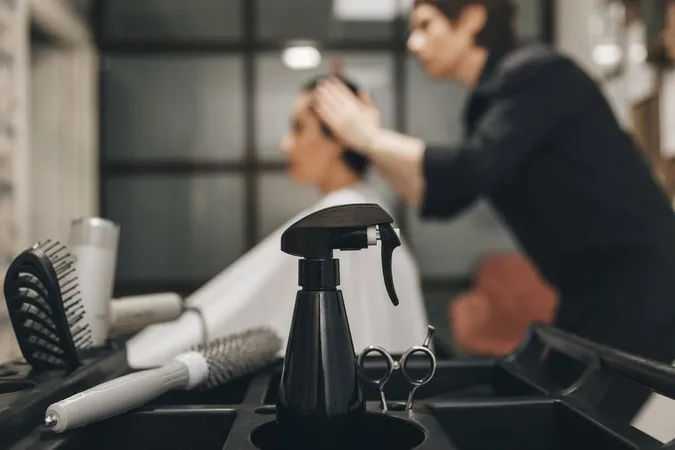
3. The Critical Barbicide Ratio for Effective Disinfection
Perhaps the most common error in using Barbicide is incorrect dilution. Mixing the Barbicide concentrate solution is a precise chemical process, not an estimation exercise. If the solution is too weak (too much water), it will not be effective against the targeted pathogens. If it is too strong (too much concentrate), it can corrode your expensive tools over time and is unnecessarily wasteful.
The golden rule for Barbicide Concentrate is a 2:32 ratio. This translates to:
2 ounces (oz) of Barbicide Concentrate
32 ounces (oz) of cold water (which is equivalent to 1 quart or 4 cups)
Always use a graduated measuring cup to ensure precision. Do not rely on visual cues or simply pouring a 'splash' of the concentrate. The difference between disinfection and mere ineffective blue water comes down to this precise measurement. For smaller containers, you must adjust the ratio proportionally (e.g., 1 oz of concentrate to 16 oz of water). Furthermore, the prepared Barbicide solution must be made fresh daily, or sooner if it becomes visibly contaminated with hair, debris, or cloudiness. A dedicated professional knows that adhering to the correct ratio is critical to ensuring the product performs as promised, offering a safe environment for every client. The knowledge contained in the barbicide certificate study materials often stresses the importance of understanding these chemical balances.
Barbicide Test: Pros and Cons
- +Barbicide Test certification validates expertise recognized by employers nationwide
- +Certified professionals typically earn 15-20% higher salaries
- +Opens doors to advanced positions and leadership roles
- +Demonstrates commitment to professional standards and ethics
- +Builds a strong professional network through certification communities
- −Exam preparation typically requires 2-4 months of dedicated study
- −Certification and exam fees can range from $150-$500+
- −Must complete continuing education to maintain active certification
- −Pass rates vary — thorough preparation is essential for success
- −Some certifications require prerequisite experience or education
(Barbicide) Barbicide Certification Questions and Answers
Conclusion
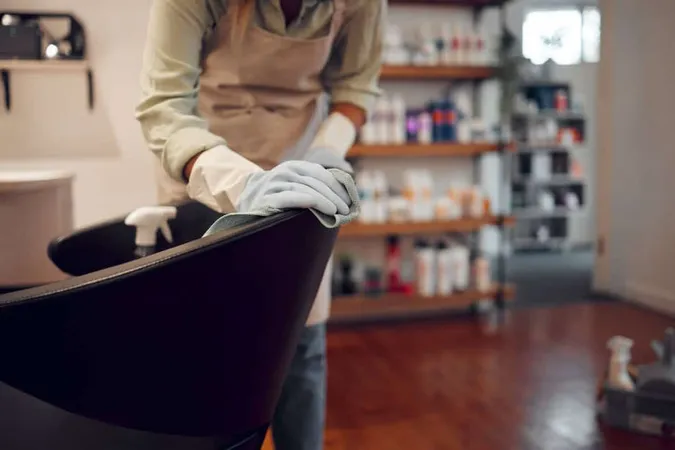
The Barbicide Certification Course is an indispensable educational tool that anchors the professional beauty industry's commitment to safety and public health. By mastering the seven tips outlined above—from understanding the certification's value and strictly adhering to the 2:32 ratio, to executing flawless immersion and contact time protocols—you transcend simple cleaning. You establish a standard of hygiene that protects both your clients and your professional reputation. The course demystifies the science of disinfection, turning the routine task of tool sanitation into a practiced, confident skill. Continuing education and a constant focus on meticulous protocol ensure that the iconic blue jar remains the most reliable symbol of cleanliness in your salon, securing client loyalty and regulatory compliance for years to come.
- ✓Review the official Barbicide Test exam content outline
- ✓Take a diagnostic practice test to identify weak areas
- ✓Create a study schedule (4-8 weeks recommended)
- ✓Focus on your weakest domains first
- ✓Complete at least 3 full-length practice exams
- ✓Review all incorrect answers with detailed explanations
- ✓Take a final practice test 1 week before exam day

About the Author

Certified Professional Development Expert & Niche Certification Advisor
University of Pennsylvania Graduate School of EducationDr. Alexandra Kim holds a PhD in Professional Studies from the University of Pennsylvania and is a Certified Professional in Learning and Performance (CPLP) and Certified Professional in Talent Development (CPTD). With 17 years of corporate training and professional certification advisory experience, she helps professionals navigate specialized, emerging, and cross-industry certification programs.