
Bar Exam & Patent Bar Exam Prep: The Complete Study Guide for 2026 October
Master the bar exam with our complete prep guide. PLI patent bar exam strategies, practice questions, pass rates & study schedules. 🏆 Start free today.
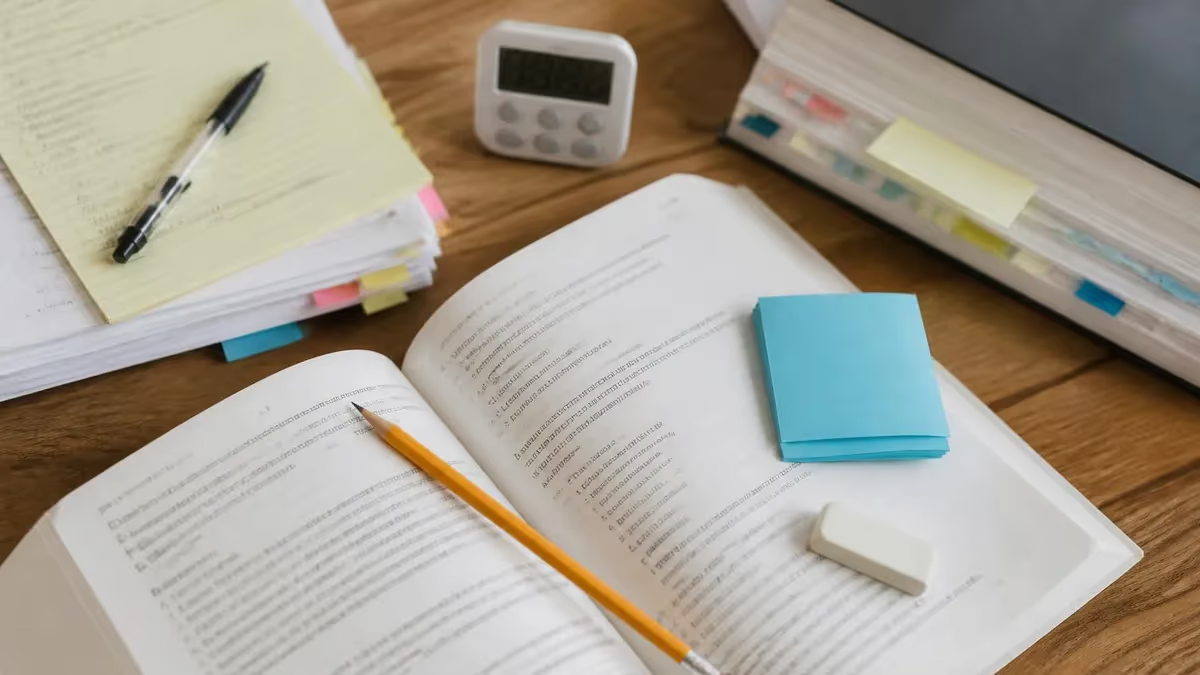
The bar exam is one of the most demanding licensing tests in the United States, and for aspiring patent attorneys, the PLI patent bar exam adds another formidable layer of preparation. Whether you are sitting for a traditional state bar, the Uniform Bar Examination (UBE), or the United States Patent and Trademark Office (USPTO) registration exam, understanding what each test requires — and how to study efficiently — can be the difference between passing on your first attempt and repeating a grueling cycle of preparation. This guide consolidates everything you need to know about bar exam prep in one place.
The bar exam tests a candidate's mastery of substantive law across multiple subjects, including contracts, torts, constitutional law, criminal law, property, and evidence. Most states administer the Multistate Bar Examination (MBE), which consists of 200 multiple-choice questions covering these core subjects. In states that have adopted the UBE, scores are transferable across jurisdictions, giving candidates more flexibility when choosing where to practice. Understanding the scope and structure of the exam before you begin studying is a critical first step that many candidates overlook, often to their detriment.
For candidates pursuing careers in intellectual property law, the PLI patent bar exam — formally known as the USPTO registration examination — is an additional credential that unlocks the ability to represent clients before the USPTO in patent prosecution matters. The Practising Law Institute (PLI) offers one of the most comprehensive and widely recognized preparation programs for this exam, covering all topics tested in the USPTO's 170-question multiple-choice format. Thousands of candidates each year turn to PLI's courses, outlines, and practice questions to build the foundational knowledge needed to pass.
One of the most common questions new law students and recent graduates ask on reddit bar exam communities is simply: where do I start? The answer depends on your jurisdiction, your timeline, and whether you are sitting for a state bar, the UBE, or the patent bar. Understanding the differences early prevents wasted study time and helps you allocate your energy toward the material that will actually appear on your specific exam. This guide breaks down each pathway clearly so you can build a targeted, efficient study plan.
Pass rates for the bar exam vary considerably by state and by examination cycle. The national MBE pass rate has historically hovered around 50 to 55 percent for first-time takers, but some jurisdictions like California post pass rates below 40 percent, making preparation especially critical. For the patent bar, historical pass rates have ranged between 40 and 60 percent depending on the exam cycle, with many candidates requiring two or more attempts before achieving a passing score. These numbers underscore the importance of a structured, disciplined approach to preparation rather than relying on ad hoc studying.
This article provides a thorough walkthrough of the bar exam landscape in 2026, with particular attention to patent bar exam prep, PLI study strategies, MBE question tactics, and the practical steps you need to take in the weeks and months before your exam date. You will find study schedules, format breakdowns, cost breakdowns, expert tips, and a comprehensive FAQ section that answers the questions most commonly raised by bar candidates at every stage of their preparation journey. Use the table of contents to jump to the sections most relevant to your situation.
No matter where you are in your legal education or career, the tools and strategies in this guide can help you approach your bar exam or patent bar exam with confidence. Consistent daily practice using realistic exam questions, disciplined review of your weak subject areas, and a realistic understanding of the time and resources required are the three pillars that support every successful bar candidate. Start early, stay consistent, and use the free practice resources available throughout this page to benchmark your progress before exam day arrives.
Bar Exam by the Numbers
Key Facts at a Glance
| Item | Value | Details |
|---|---|---|
| Typical Bar Exam Duration | 2 Days | Most UBE states |
| Hours of Recommended Study | 400+ | Average for bar prep |
| Questions on Patent Bar | 170 | USPTO registration exam |

Bar Exam Format & Structure
| Section | Questions | Time | Weight | Notes |
|---|---|---|---|---|
| Multistate Bar Examination (MBE) | 200 | 6 hrs | 50% | Multiple choice; 7 core subjects |
| Multistate Essay Examination (MEE) | 6 | 3 hrs | 30% | 6 essays; 30 min each |
| Multistate Performance Test (MPT) | 2 | 3 hrs | 20% | 2 tasks; 90 min each |
| USPTO Patent Bar (separate exam) | 170 | 6 hrs | Pass/Fail | Split into two 3-hr sessions |
| Total | 400 | 12 hours (2 days) | 100% |
Building a winning bar exam study strategy begins with an honest assessment of your baseline knowledge across all tested subjects. Most commercial bar prep programs, including Barbri, Themis, and Kaplan, recommend beginning your intensive study period at least ten weeks before your exam date. For the PLI patent bar exam specifically, candidates with a science or engineering undergraduate background often need eight to twelve weeks of focused preparation to internalize the nuances of patent prosecution rules under 35 U.S.C. and the Manual of Patent Examining Procedure (MPEP). Starting earlier is almost never a disadvantage.
The single most effective study technique validated by bar exam researchers and high-scoring candidates is active recall through practice questions. Passive review of outlines and lecture notes creates a false sense of familiarity with material — you recognize concepts when you read them but cannot generate answers under timed exam conditions. Practicing a minimum of 50 to 100 MBE-style questions per day, reviewing every wrong answer carefully, and tracking your performance by subject area over time produces measurably better outcomes than reading alone. This approach works equally well for bar exam questions and for USPTO patent bar question banks.
Time management during the exam itself is a skill that requires dedicated practice. On the MBE, you have approximately 1.8 minutes per question across two three-hour sessions of 100 questions each. Many candidates run out of time not because they lack knowledge but because they spend too long on difficult questions early in the session. A proven strategy is to answer every question you can confidently handle first, mark uncertain ones, and return to them with remaining time. Simulating this discipline during timed practice sessions trains your brain to work efficiently under pressure.
Essay writing for the MEE portion of the bar exam requires a structured IRAC approach — Issue, Rule, Application, Conclusion. Bar examiners consistently report that well-organized, clearly reasoned answers score higher than longer, disorganized responses that contain correct information buried in vague prose. Practice writing full essay answers under timed conditions at least twice per week during your prep period. Review model answers published by the National Conference of Bar Examiners (NCBE) to calibrate the level of analysis expected. The gap between knowing the law and expressing it clearly under time pressure is significant and must be practiced explicitly.
For the patent bar, the MPEP is the authoritative source document, and the exam is essentially an open-book test conducted on a computer with access to a searchable PDF of the MPEP. This means raw memorization is less critical than knowing how to navigate the MPEP quickly to find relevant rules and exceptions.
PLI's preparation program teaches candidates to use the MPEP strategically — identifying the key chapters and sections most frequently tested and building familiarity with the document's structure so they can locate answers within seconds rather than minutes. This navigation skill is what separates passing candidates from those who run out of time.
Reviewing the new york bar exam structure alongside the UBE can help you understand how jurisdiction-specific components differ from the uniform portions. New York, for instance, supplements the standard UBE with a New York Law Course and New York Law Exam (NYLE) that tests state-specific rules. Understanding these jurisdictional overlays is essential for candidates planning to practice in a specific state. Always verify the exact requirements with your state's board of bar examiners, as rules can change between exam cycles and relying on outdated information is a common and costly mistake.
Mental health and physical wellbeing are genuine strategic considerations during bar prep, not soft afterthoughts. The ten to fourteen weeks of intensive study before the bar exam place enormous psychological pressure on candidates. Building regular exercise, adequate sleep, and planned social time into your study schedule is not a luxury — research consistently shows that sleep-deprived and highly stressed candidates perform below their knowledge level on high-stakes exams.
Structure your schedule so that the final week before the exam is spent on light review and rest rather than cramming new material. Your performance on exam day depends as much on your state of mind as on your accumulated knowledge.
Bar Exam Questions: What to Expect by Subject
The Multistate Bar Examination tests seven core subjects: Civil Procedure, Constitutional Law, Contracts, Criminal Law and Procedure, Evidence, Real Property, and Torts. Each subject appears on roughly 25 to 27 questions per session, though the NCBE does not publish exact allocations. Bar exam questions in the MBE format present a detailed fact pattern followed by four answer choices, one of which is definitively correct according to the majority rule or the rule most commonly applied in American jurisprudence. Knowing minority rules is helpful for elimination but should not be your primary framework.
Effective MBE preparation focuses on identifying the legal issue embedded in each fact pattern before reading the answer choices. Candidates who read the answers first often get anchored to plausible-sounding but incorrect options. Instead, read the question stem first, identify the controlling legal rule, predict the correct answer in your own words, and then select the answer choice that most closely matches your prediction. This technique, taught by most commercial bar prep programs, significantly reduces the rate at which candidates are misled by cleverly worded distractors.

Commercial Bar Prep Course vs. Self-Study: Which Is Right for You?
- +Structured curriculum eliminates the guesswork of deciding what to study
- +Thousands of practice questions with detailed answer explanations
- +Simulated full-length exams help you build exam-day stamina and time management
- +Expert essay graders provide personalized feedback on your written answers
- +Adaptive question technology targets your weakest subjects automatically
- +Accountability and progress tracking keep you on schedule throughout prep
- −Commercial bar prep courses typically cost $1,500 to $4,000 or more
- −Rigid schedules may not fit candidates with work or family obligations
- −Some courses provide more material than a focused candidate actually needs
- −Self-motivated candidates may do equally well with free or low-cost resources
- −Course content does not always align perfectly with jurisdiction-specific nuances
- −Subscription models can create anxiety if you fall behind the recommended pace
Bar Exam Prep Checklist: 10 Steps Before Exam Day
- ✓Register for your bar exam through your state's board of bar examiners at least 90 days before your target date.
- ✓Verify your eligibility requirements, including law school graduation, character and fitness clearance, and any jurisdiction-specific prerequisites.
- ✓Choose a primary study program — commercial course or self-study — and commit to a consistent daily schedule of at least 8 hours.
- ✓Complete at least 1,500 MBE-style practice questions, tracking your accuracy by subject to identify weak areas requiring extra attention.
- ✓Write and review at least 20 full-length MEE essays under timed conditions before the exam.
- ✓Complete two full-length MPT simulations using released NCBE materials to build drafting speed and accuracy.
- ✓For the patent bar, read and outline MPEP Chapters 700, 1200, 1800, and 2100 before taking any full-length practice exams.
- ✓Schedule your Prometric appointment for the patent bar at least 60 days in advance to secure your preferred test date and location.
- ✓Confirm your exam location, required identification documents, and prohibited items at least one week before your test date.
- ✓Spend the final 72 hours before the exam resting, lightly reviewing outlines, and avoiding any new material that could create last-minute confusion.
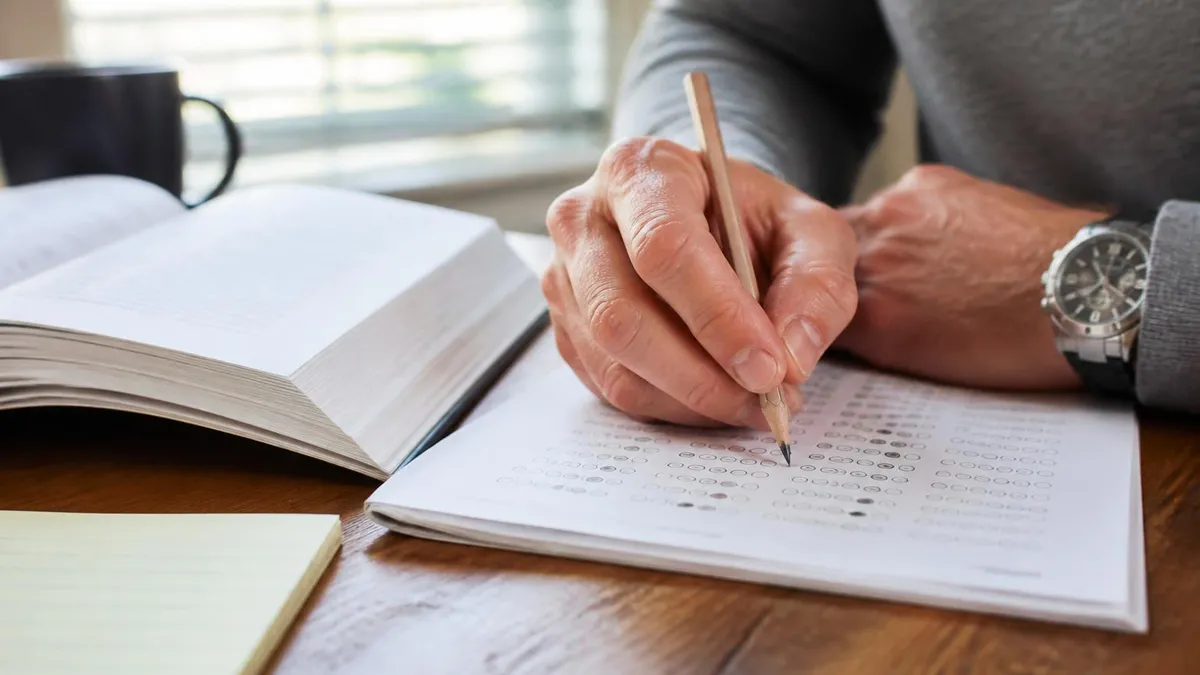
The Patent Bar Is Open-Book — But Navigation Speed Is Everything
The USPTO patent bar exam allows access to a searchable MPEP during the test, which means you do not need to memorize every rule verbatim. However, candidates who have not practiced navigating the MPEP under time pressure frequently run out of time searching for answers. Build your MPEP navigation speed during prep so you can locate any answer within 60 to 90 seconds on exam day.
Understanding the full cost landscape of bar exam preparation helps candidates plan financially and avoid surprises. The bar exam itself carries a filing fee that varies significantly by state — ranging from roughly $150 in some jurisdictions to over $750 in others, with California among the most expensive.
On top of the filing fee, most candidates invest in a commercial bar prep course, which can cost between $1,500 and $4,000 depending on the provider and the features included. The PLI patent bar exam preparation course is similarly priced, with options ranging from self-study packages to live review programs with instructor access.
Many candidates also purchase supplemental materials such as MBE question books, essay compilations, and flashcard systems. While these resources can be valuable, it is important not to spread your preparation across too many sources. Candidates who use a single, comprehensive program and master it thoroughly consistently outperform those who sample widely from multiple providers without going deep on any single resource. Focus and repetition with quality materials beat breadth and novelty every time when it comes to standardized exam performance.
For candidates who face financial barriers, several low-cost and free options exist. The NCBE publishes released MBE questions for purchase at a reasonable price, and many state bar associations offer reduced-fee bar prep resources for candidates who demonstrate financial need. Law school academic support offices frequently provide free outlines, practice questions, and tutoring services that can meaningfully supplement or even replace commercial programs for well-organized self-studiers. Free online communities where candidates share notes, outlines, and encouragement can also be valuable, though the quality of crowd-sourced advice varies and should be verified against authoritative sources.
The question of did kim kardashian pass the bar exam has generated enormous public interest and cultural conversation about what the bar exam actually tests and whether the traditional law school pathway is the only legitimate route to legal practice. Kim Kardashian pursued the baby bar under California's Law Reader program, which allows aspiring attorneys to apprentice under a licensed attorney rather than attending law school.
Her journey — which included multiple attempts and extensive public discussion of her study process — brought renewed attention to the baby bar, to alternative legal pathways, and to the genuine difficulty of bar exam preparation regardless of one's resources or determination.
The California bar exam specifically deserves attention because it remains among the most difficult bar examinations in the country. In recent administrations, California's overall pass rate has fallen below 40 percent, compared to national averages of 50 to 55 percent. California administers its own additional performance test components and essays beyond the standard UBE format, and the state has historically maintained higher cut scores than most other jurisdictions. Candidates planning to practice in California should budget additional preparation time and strongly consider California-specific study materials that address the state's unique essay subjects and performance test expectations.
Supreme Court bar exam results and state court admission ceremonies mark the formal conclusion of a candidate's bar journey. Once you pass your state bar exam and complete the character and fitness review process, you are typically sworn in at a formal admission ceremony.
Admission to the Supreme Court bar is a separate process that requires a sponsor who is already admitted to practice before the Court, along with a filing fee and the submission of an application. While Supreme Court bar admission carries prestige, it is primarily symbolic for most attorneys and does not change the scope of work they can perform in their day-to-day practice.
The patent bar presents a different cost and logistics profile than the state bar. USPTO registration exam fees are set by the USPTO and are currently $200 for the examination itself, with additional costs for preparation materials. Candidates who pass the patent bar become registered patent agents or, if they also hold a law degree and pass a state bar, registered patent attorneys.
Patent agents can represent clients in USPTO proceedings but cannot provide legal advice on matters outside patent prosecution. The distinction between patent agent and patent attorney is an important one that affects the scope of practice and earning potential in intellectual property law.
Most state boards of bar examiners enforce strict application deadlines, and late applications are either rejected outright or subject to substantial additional fees. Missing the deadline by even a single day can push you back an entire exam cycle — typically six months. Check your target state's board website directly for the current filing deadline and character and fitness submission timeline, and submit your application at least two weeks before the cutoff to allow time to resolve any administrative issues.
Candidates who have been barred from exam sitting — whether due to character and fitness issues, academic disqualification, or failure to meet eligibility requirements — face a distinct set of challenges that require careful legal and procedural navigation. Being barred from exam eligibility does not necessarily mean permanent exclusion from the practice of law, but it does require proactive engagement with the board of bar examiners, honest disclosure of the relevant circumstances, and in many cases the assistance of an attorney who specializes in bar admission matters. The specific rules governing eligibility and reinstatement vary substantially by jurisdiction.
Character and fitness reviews are conducted by every state board of bar examiners as part of the bar admission process. These reviews examine an applicant's history of criminal conduct, financial responsibility, academic integrity violations, mental health treatment, and substance use.
Contrary to common belief, a history of mental health treatment or past legal issues does not automatically disqualify a candidate — the boards are looking for candor, rehabilitation, and evidence that the candidate has the character to uphold the ethical duties of an attorney. Failure to disclose relevant information, however, is treated far more seriously than the underlying issue itself and can result in permanent bar of admission.
For candidates retaking the bar exam after a failed attempt, the psychological dimension of preparation is particularly important. Failed bar candidates often experience significant shame, anxiety, and self-doubt that can interfere with their ability to study effectively for a second attempt. Research on retakers suggests that the most important factor distinguishing successful second-attempt candidates is not additional study hours but a targeted diagnosis of why the first attempt failed — whether the issue was substantive knowledge gaps, time management failures, essay writing weaknesses, or exam-day anxiety — followed by a preparation strategy specifically designed to address those root causes.
The role of peer support and community in bar preparation has grown significantly with the expansion of online forums and social media communities. The results of new york bar exam cycles generate enormous activity in these communities, with candidates sharing score reports, analyzing curve adjustments, and providing emotional support to one another through the anxious waiting period between the exam and results release. While these communities can be tremendously valuable for motivation and information sharing, candidates should be cautious about relying on anecdotal study advice from community members whose credentials and actual exam performance are unknown.
Multistate Performance Test preparation is frequently neglected by bar candidates who focus almost exclusively on the MBE and MEE components. The MPT requires candidates to complete a realistic lawyering task — drafting a memo, a brief, a client letter, or a contract provision — using a closed file of provided materials.
No outside knowledge is required or permitted. The MPT rewards candidates who can read and synthesize a body of materials quickly, organize their response logically, and write in a professional legal register. These are skills that benefit from dedicated practice with released MPT items rather than general bar exam studying.
Score release timelines vary by jurisdiction and by exam cycle. Most UBE jurisdictions release scores within eight to ten weeks after the exam. California typically releases scores in mid-November for July sitters and in mid-May for February sitters. The patent bar produces score results immediately upon completion of the computer-based exam, which is one of the logistical advantages of the USPTO format over traditional bar examinations. Knowing your result immediately allows you to move forward with career planning without the extended anxiety of a multi-week waiting period that many bar candidates find almost as stressful as the exam itself.
Post-pass requirements vary by jurisdiction and should not be overlooked. Most states require newly admitted attorneys to complete a mandatory Continuing Legal Education (CLE) course on ethics and professional responsibility within the first year of admission. Some states also require participation in a mentorship program or a mandatory transition-to-practice course. Registered patent agents and patent attorneys are subject to continuing education requirements set by USPTO regulations as well. Building awareness of these post-admission obligations before you pass helps you plan your first year of practice more effectively and avoids inadvertent compliance failures during the busy transition period following admission.
Final-week bar exam strategy is a topic that generates significant debate among candidates and prep programs, but the research consistently supports a light-review approach rather than intensive cramming. During the last five to seven days before the exam, limit your active studying to reviewing your own summary outlines, completing no more than 50 practice questions per day at a relaxed pace, and ensuring you are sleeping at least seven to eight hours per night. Sleep consolidates memory and enhances the retrieval processes that are critical for performing well on a high-stakes multiple-choice examination under time pressure.
On the day before the exam, complete only a brief review of your most commonly missed subjects, prepare your exam materials (acceptable identification, snacks, water, approved earplugs), and visit the testing center to confirm the location and parking situation if you have not been there before. Logistical surprises on exam morning — wrong location, parking problems, unexpected construction — create acute stress that impairs cognitive performance. Eliminating these variables through advance preparation is a free and effective performance-enhancement strategy that too many candidates overlook in their focus on substantive law.
Nutrition and hydration during a two-day bar exam matter more than most candidates realize. The brain runs primarily on glucose, and sustained cognitive work over six-hour exam sessions depletes blood sugar more rapidly than sedentary activity. Bring approved snacks that provide sustained energy — nuts, protein bars, fruit — rather than high-sugar options that produce energy spikes followed by crashes.
Stay hydrated throughout the day without overdoing it to the point of frequent bathroom breaks. A consistent physical routine during prep weeks that you replicate on exam days reduces performance variability and helps your brain operate in a familiar, optimized state.
For patent bar candidates specifically, the final two weeks of preparation should focus on full-length practice exam simulations rather than targeted topic review. By this point, your MPEP navigation skills should be solid, and your priority is building the mental endurance to sustain focused attention across two three-hour sessions with only a short break in between. Complete at least two full practice exams under test-center conditions — no interruptions, no extra time, no access to materials beyond the MPEP — and review every wrong answer thoroughly in the days immediately following each simulation.
Mindset going into the bar exam matters enormously. Candidates who approach the exam with the belief that they have prepared adequately and are capable of passing consistently outperform candidates with equivalent knowledge who approach the exam with significant anxiety and self-doubt. This is not merely motivational advice — it reflects the well-documented impact of test anxiety and performance expectation on retrieval efficiency and decision-making speed.
Develop a brief pre-exam mental routine — a few minutes of controlled breathing, a reminder of your preparation accomplishments, a focus on one section at a time rather than the exam as a whole — and practice it during your final weeks of preparation so it feels natural on exam day.
The path from bar exam preparation to bar admission is a marathon, not a sprint, and the candidates who succeed are not always those who study the most hours but those who study most strategically, maintain their physical and mental health throughout the process, and approach the exam with a clear plan and realistic confidence. Whether you are preparing for the UBE, the California bar, or the PLI patent bar exam, the principles of consistent daily practice, targeted weakness remediation, and disciplined exam-day strategy apply universally and form the foundation of every successful bar admission story.
Use the free practice resources available throughout this site to benchmark your performance, identify your weak areas, and build the kind of repeated, low-stakes testing practice that research consistently shows produces the strongest outcomes on high-stakes examinations. Start today, stay consistent, and remember that every question you practice — even the ones you answer incorrectly — brings you measurably closer to the passing score that launches your legal career.
Sample Bar Exam Practice Questions
Try these questions from our free Bar Exam practice tests. The correct answer and an explanation follow each question.
A law that restricts the right to vote based on race, color, or previous condition of servitude violates which Constitutional Amendment?
- A. First amendment
- B. Tenth amendment
- C. Thirteen amendment
- D. Fifteenth amendment
Answer: D. Fifteenth amendment
The Fifteenth Amendment to the United States Constitution explicitly prohibits states from denying or abridging a citizen's right to vote 'on account of race, color, or previous condition of servitude.' It was ratified after the Civil War to ensure voting rights for African American men, addressing historical disenfranchisement and promoting equality in political participation.
Which tort involves the unauthorized intrusion or encroachment upon another person's property, whether physical or through invasion of privacy?
- A. Nuisance
- B. Trespass
- C. Defamation
- D. Conversion
Answer: B. Trespass
Trespass, specifically trespass to land, is an intentional tort that occurs when someone intentionally enters or remains on the land of another without permission or privilege. It protects a landowner's right to exclusive possession of their property. The act of intrusion itself, whether by a person or an object, is sufficient for liability, even if no actual damage occurs.
What is the purpose of a contract in business transactions?
- A. To create an informal agreement.
- B. To legally bind parties to their agreed terms.
- C. To allow one party to benefit more than the other.
- D. To enforce unethical business practices.
Answer: B. To legally bind parties to their agreed terms.
A contract is used to legally formalize an agreement between two or more parties and ensure that terms are clearly defined and enforceable.
Which Constitutional amendment protects individuals from cruel and unusual punishment?
- A. First amendment
- B. Eight amendment
- C. Tenth amendment
- D. Fourteenth amendment
Answer: B. Eight amendment
The Eighth Amendment to the U.S. Constitution explicitly states, "Excessive bail shall not be required, nor excessive fines imposed, nor cruel and unusual punishments inflicted." This amendment protects individuals from punishments that are considered inhumane or disproportionate to the crime committed. The Supreme Court has applied this clause to various aspects of criminal justice, including sentencing and prison conditions.
Bar Questions and Answers

TN Bar Exam Results: Everything You Need to Know About Tennessee's Bar Exam

Ohio Bar Exam: Complete Guide to Requirements, Format, and How to Pass
Bar Exam Practice Test PDF (Free Printable 2026)

UBE Bar Exam: Structure, Scores, States, and How to Pass

Hardest Bar Exams in the US: Which States Are the Toughest to Pass?
About the Author
Attorney & Bar Exam Preparation Specialist
Yale Law SchoolJames R. Hargrove is a practicing attorney and legal educator with a Juris Doctor from Yale Law School and an LLM in Constitutional Law. With over a decade of experience coaching bar exam candidates across multiple jurisdictions, he specializes in MBE strategy, state-specific essay preparation, and multistate performance test techniques.