
Did Craig Conover Pass the Bar Exam? His Full Legal Journey Explained
Did Craig Conover ever pass the bar exam? 🎓 Explore his legal journey, what the bar exam requires, and how celebrities tackle this grueling test.

The bar exam is one of the most demanding professional licensing tests in the United States, and the question of whether did Craig Conover ever pass the bar exam became a surprising pop culture talking point after the Southern Charm star's legal struggles played out publicly on Bravo television.
Craig Conover, a cast member known for his charming personality and recurring storylines involving his law school journey, graduated from Charleston School of Law but faced repeated difficulty clearing the final hurdle required to practice law in South Carolina. His on-screen story resonated with thousands of aspiring attorneys who understand firsthand how brutal this exam can be.
Craig Conover's bar exam saga began attracting attention because it mirrored the real, high-stakes anxiety that law graduates experience across the country every year. The bar exam is not simply a formality after law school — it is a rigorous multi-day assessment covering dozens of legal subjects, from constitutional law and contracts to evidence and civil procedure. Many law school graduates, even those with strong academic records, require multiple attempts before they pass. Craig's situation was unusual primarily because it was filmed and broadcast to millions of viewers who followed every twist of his licensing journey season after season.
According to what was documented on Southern Charm and discussed in various interviews over the years, Craig Conover did not pass the bar exam during the early seasons of the show. Producers highlighted his difficulty with the exam as a central storyline, and Craig himself was candid about the emotional toll of repeated failures. In later seasons and in subsequent public statements, Craig indicated that he had passed the exam and obtained his law license, though he ultimately chose not to pursue a traditional legal career, pivoting instead toward entrepreneurship with his sewing and lifestyle brand, Sewing Down South.
For viewers who found Craig's journey relatable, his story raises important questions about what it actually takes to pass the bar exam in any state. The exam demands months of dedicated preparation, mastery of both multistate and state-specific law, strong essay writing skills, and the ability to perform under significant time pressure. Even highly intelligent and well-prepared candidates sometimes fall short on their first attempt, and the stigma around failing is something the legal community has increasingly worked to address. Craig's public struggle helped normalize a conversation that many law graduates previously kept private.
The bar exam landscape has also changed somewhat in recent years, with the introduction of the Next Generation Bar Exam (NextGen), scheduled for full rollout in 2026, which restructures how legal competency is assessed. States are adopting updated formats that better reflect real-world lawyering skills. Understanding the exam's structure, requirements, and strategies for success is more important than ever, whether you are a first-time taker or someone who has faced setbacks and is preparing for another attempt. You can explore reddit bar exam discussions to see how real test-takers approach preparation and share results.
Craig Conover's story is also part of a broader cultural moment where celebrities and public figures have drawn attention to the difficulty of professional licensing exams. Kim Kardashian's highly publicized bar exam studies brought similar attention to the California bar exam, one of the most notoriously difficult in the nation. These stories, whether inspiring or cautionary, serve a useful purpose: they remind the general public that passing the bar exam is genuinely hard, that failure does not define someone's intelligence or worth, and that persistence matters enormously in the pursuit of a legal career.
Whether you are curious about Craig Conover's outcome, preparing for your own bar exam attempt, or simply trying to understand what the test entails, this article covers everything you need to know — from the exam's structure and pass rates to study strategies and what happens if you need to retake it. The path to becoming a licensed attorney is challenging, but millions of lawyers have walked it successfully, and with the right preparation, you can too.
Bar Exam by the Numbers
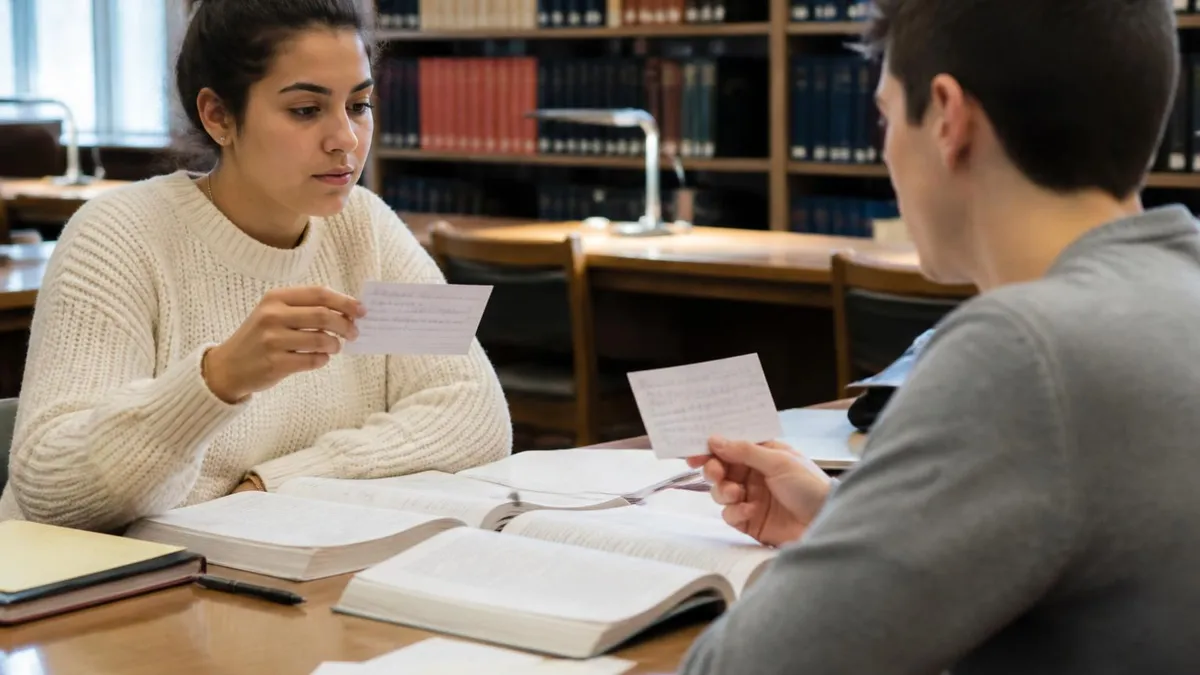
Bar Exam Format Overview
| Section | Questions | Time | Weight | Notes |
|---|---|---|---|---|
| Multistate Bar Examination (MBE) | 200 | 6 hrs | 50% | Multiple-choice; civil procedure, contracts, constitutional law, criminal law, evidence, real property, torts |
| Multistate Essay Examination (MEE) | 6 | 3 hrs | 30% | Essay questions on a broad range of subjects including family law, UCC, and conflict of laws |
| Multistate Performance Test (MPT) | 2 | 3 hrs | 20% | Practical lawyering tasks such as drafting memos, briefs, or client letters from provided materials |
| Total | 370 | ~18 hours | 100% |
Craig Conover's bar exam journey became one of the more memorable storylines in reality television's unlikely intersection with the legal profession. When Southern Charm premiered in 2014, Craig was introduced as a law school graduate who had yet to obtain his license, a fact that became a recurring source of tension between him and his co-stars, particularly his then-girlfriend Naomie Olindo and castmate Thomas Ravenel. Viewers watched Craig struggle not just with the exam itself but with motivation, personal accountability, and the distractions that came with newfound television celebrity.
In the early seasons of the show, Craig admitted on camera that he had not yet sat for the bar exam, and later revealed he had been asked to leave his law firm position as a result. This was a significant professional setback that played out uncomfortably in front of millions of viewers.
What made Craig's situation particularly complicated was that he had already graduated from law school — the foundational academic work was done — but the licensing step remained incomplete. For law graduates who have experienced similar situations, this narrative hit close to home in ways that pure viewers might not have fully appreciated.
By Season 4 of Southern Charm, Craig disclosed to castmates and viewers that he had passed the South Carolina bar exam. The announcement was treated as a major moment of personal redemption on the show, and Craig expressed genuine relief and pride in the accomplishment. However, he also made clear during subsequent seasons that he had no strong desire to practice law in a traditional sense. Instead, he was increasingly drawn to creative entrepreneurship, ultimately launching Sewing Down South, a brand centered on monogrammed pillows and home goods that grew into a legitimate business success.
Craig's trajectory after passing the bar exam raises interesting questions about why people pursue law degrees and legal licenses in the first place. Not everyone who passes the bar exam goes on to practice law in a courtroom or a law firm. Some use their legal education in business, compliance, policy, or entertainment. Craig's pivot to entrepreneurship is consistent with how many JD holders apply their legal training in non-traditional settings. The analytical thinking, research skills, and understanding of contracts that law school provides can be valuable in almost any field.
It is worth noting that the South Carolina bar exam, like most state bar exams, is a serious undertaking. South Carolina uses the Uniform Bar Examination (UBE), which includes the MBE, MEE, and MPT components. The UBE is scored on a 400-point scale, and South Carolina requires a minimum score of 266 to pass — a threshold that is right in line with the national median. Achieving that score requires comprehensive knowledge of both uniform multistate law and South Carolina-specific procedural rules covered in the MPRE and the state's own character and fitness evaluation.
For aspiring attorneys watching Craig's journey from the couch, his story offers several genuine lessons. First, passing the bar exam is possible even after setbacks and delays — there is no universal deadline that permanently bars someone from licensure, though jurisdictions do have rules about how long a law school diploma remains valid and how many times can you take the bar exam in a given period.
Second, external accountability — whether from a television audience, a mentor, or a study group — can be a powerful motivator. Third, defining success on your own terms after licensure is entirely legitimate; becoming a lawyer does not obligate you to practice law in a traditional setting.
Craig's public bar exam narrative also helped destigmatize failure in a profession that often prizes academic perfection. Law schools, bar prep companies, and state bar associations have increasingly recognized that the pass/fail binary obscures a great deal of nuance about individual circumstances, mental health challenges, personal crises, and learning differences that can affect exam performance. The conversation Craig's story sparked — even if unintentionally — contributed to a broader cultural shift toward more compassionate discourse around licensing exam failure and persistence.
What Is the Bar Exam — And Why Is It So Hard?
The bar exam is a multi-component licensing test administered by each state's board of bar examiners. Most states now use the Uniform Bar Examination, which consists of the 200-question Multistate Bar Examination covering seven core subjects, the six-question Multistate Essay Examination testing a broader range of topics, and the two-task Multistate Performance Test evaluating practical lawyering skills. The total testing window spans two full days, and candidates must demonstrate competency across all three sections simultaneously to achieve a passing score.
What makes the bar exam particularly grueling is its breadth rather than depth. Unlike law school exams that test one subject at a time, the bar exam requires candidates to hold a working knowledge of up to 20 or more legal subjects simultaneously, switching rapidly between topics under strict time pressure. Bar exam questions are deliberately designed to test the application of legal rules to novel fact patterns, not mere memorization. This means understanding not just what the law says but how it operates in context — a skill that takes months of focused preparation to develop adequately.

Pros and Cons of Taking the Bar Exam Multiple Times
- +Each attempt builds familiarity with the exam format and reduces test-day anxiety
- +Repeat takers can identify specific subject weaknesses and study more strategically
- +Many successful attorneys passed on their second or third attempt with no career impact
- +Most states allow multiple retakes with no permanent cap on total attempts
- +Commercial bar prep courses offer repeat-taker discounts and targeted support programs
- +Persistence through multiple attempts demonstrates resilience valued by some employers
- −Each failed attempt delays bar admission and the ability to practice law independently
- −Repeated exam fees, bar prep costs, and living expenses add up to significant financial strain
- −The emotional toll of repeated failure can damage confidence and mental health
- −Some employers view multiple failures negatively, particularly in competitive markets
- −Gaps in legal employment during re-study periods can be difficult to explain to future employers
- −Character and fitness reviews may scrutinize patterns of failure combined with other issues
Bar Exam Preparation Checklist
- ✓Register for your state's bar exam at least 90 days before the administration date to avoid late fees
- ✓Submit your character and fitness application early — background checks can take months to process
- ✓Enroll in a structured bar prep course (Barbri, Themis, or Kaplan) and commit to the full schedule
- ✓Complete at least 1,500 MBE practice questions with thorough answer review before exam day
- ✓Write and self-grade at least two full-length practice essays per week throughout your study period
- ✓Practice the MPT under timed conditions at least four times using released NCBE practice materials
- ✓Create a subject outline for each of the seven MBE topics and review it weekly to reinforce retention
- ✓Simulate full exam days at least twice in the final two weeks to build stamina and timing instincts
- ✓Register for the MPRE separately if you have not already passed it — it is required in most states
- ✓Build in mental health rest days and maintain sleep, nutrition, and exercise throughout bar prep

Passing Rate for First-Time ABA Grads Is 78% — But Preparation Quality Is the Differentiator
First-time takers from ABA-accredited law schools pass at roughly 78% nationally, but that figure masks enormous variation based on preparation quality and study hours. Candidates who complete full commercial bar prep programs and log 400+ study hours significantly outperform those who study inconsistently. The bar exam rewards structured, disciplined preparation above all else — not raw intelligence or law school GPA.
The broader cultural conversation about celebrity bar exam attempts — from Craig Conover to Kim Kardashian — reflects a genuine public fascination with one of the legal profession's most formidable gatekeeping mechanisms. Kim Kardashian famously began studying law through California's Law Reader program, an alternative pathway that does not require law school enrollment, and publicly documented her bar exam struggles.
Her first attempt at the baby bar exam (the First-Year Law Students' Examination required by California for law reader candidates) resulted in failure before she passed on a subsequent attempt. You can read more about did kim kardashian pass the bar exam and how her experience compares to traditional licensure paths.
What these celebrity stories illuminate is that the bar exam does not discriminate based on fame, resources, or public profile. Even with access to the best tutors and study materials, the exam demands a specific kind of focused, sustained mental effort that no amount of money can substitute for.
The California bar exam in particular has a national reputation as one of the most rigorous state bar exams, with a passing score threshold of 1440 out of 2000 and a July 2024 overall pass rate of approximately 47%. For comparison, states like Missouri and Kansas see first-time pass rates exceeding 85%, illustrating just how much jurisdiction matters in this landscape.
The bar exam also intersects with issues of equity and access in ways that deserve serious attention. Studies by the Law School Admission Council and NCBE have documented persistent pass rate disparities across racial and socioeconomic lines.
Candidates who can afford to take unpaid time off from work to study full-time, pay for comprehensive bar prep courses, and access tutoring and mental health support pass at significantly higher rates than those who must balance employment and family obligations during the study period. These structural inequities have prompted ongoing debates about bar exam reform, alternative pathways to licensure, and whether the current exam adequately measures the competencies needed to serve clients effectively.
State bar associations and the NCBE have responded to these concerns through several initiatives. The NextGen Bar Exam, which will replace the current UBE format when fully implemented, is designed to test practical lawyering skills more directly and reduce the premium placed on rote memorization. Early pilots suggest the new format will include more integrated problem-solving tasks and fewer isolated subject-matter questions. Whether NextGen will meaningfully improve equity in bar passage is a question researchers and advocates will be watching closely over the coming years as states transition to the new exam format.
For candidates who have failed the bar exam one or more times, the path forward requires both strategic adjustment and emotional resilience. Diagnostic tools provided by NCBE allow repeat takers to identify whether their weaknesses are concentrated in particular MBE subjects, in essay writing skills, or in performance test execution.
Targeted remediation — not simply repeating the same study approach that produced a failing score — is the key to improvement. Many repeat takers benefit from working with a private bar exam tutor who can review their essays and MPT responses and provide personalized feedback that commercial courses cannot offer at scale.
The question of how many attempts are too many is one that candidates, law schools, and employers grapple with differently. Most states impose no absolute cap on the number of attempts permitted, though some require a waiting period between sittings or mandate additional coursework after a certain number of failures.
A few states, like California, require candidates to reapply and demonstrate continued fitness after extended gaps in testing. The emotional reality is that most candidates who eventually pass do so within three attempts, but there are documented cases of attorneys who passed on their fifth, sixth, or even later attempts and went on to distinguished legal careers.
Understanding pass rates by jurisdiction is critical for candidates who have the flexibility to choose where they take the bar exam.
A UBE score earned in one state can be transferred to another UBE jurisdiction, provided the score meets the transferring state's minimum threshold and is submitted within the jurisdiction's score portability window (typically three to five years). This means a candidate who passes in a state with a lower cut score could potentially transfer that score to practice in a higher-threshold state — an option worth exploring for candidates who have ties to multiple jurisdictions or whose career plans are not yet fixed geographically.
Most state bar examiners impose hard application deadlines months before each exam administration, and late applications are either rejected outright or assessed steep late fees. Missing the deadline for the July sitting typically means waiting until February — a six-month delay that can significantly affect employment timelines. Always confirm your specific jurisdiction's deadline dates directly with the state board of bar examiners, as they differ by state and change periodically.
For candidates approaching the bar exam for the first time, or for those who have experienced failure and are preparing to retake, one of the most valuable resources available is the community of current and recent test-takers who share experiences, study strategies, and moral support online.
Forums dedicated to the bar exam experience — including new york bar exam specific discussions — offer candid perspectives on what worked, what did not, and how candidates emotionally processed both passing and failing results. These communities can be valuable supplements to formal bar prep, especially for candidates who are studying in isolation without classmates or study partners.
The structure of effective bar exam study has been researched and refined over decades of commercial bar prep development. The consensus among bar prep experts is that passive review — re-reading outlines, watching lecture videos without active engagement — is far less effective than active recall practice.
Writing out legal rules from memory, answering practice questions before reviewing the law (not after), and explaining concepts aloud as if teaching them to someone else are all techniques that accelerate retention and build the kind of flexible knowledge application the bar exam demands. This approach, sometimes called retrieval practice or active recall, is supported by cognitive science research and is now taught explicitly in many bar prep programs.
Time management on bar exam day is another dimension that separates prepared candidates from unprepared ones. The MBE portion allocates exactly 1.8 minutes per question — tight enough that candidates who pause too long on difficult questions will run out of time before finishing the section. Experienced bar takers develop a disciplined pacing strategy: answer each question with your best judgment within the allotted time, mark uncertain questions for review, and return to them only if time remains. Practicing under strict timed conditions during bar prep is the only reliable way to internalize this pacing instinct before exam day.
Essay writing on the MEE requires a different skill set entirely. Bar exam essays reward candidates who can quickly identify the relevant legal issues in a fact pattern, state the applicable rule clearly and precisely, apply the rule to the specific facts provided, and reach a conclusion — the classic IRAC framework.
Graders are not looking for perfect answers; they are awarding points for each correct issue spotted, each accurate rule statement, and each relevant application. Candidates who write clear, organized essays that address all the major issues — even imperfectly — typically outperform those who write exhaustive analyses of one or two issues while missing others entirely.
The Multistate Performance Test, often called the most underrated component of the bar exam, tests skills that are actually central to daily law practice: reading a file of client documents and a library of legal materials, then producing a specified written work product within a 90-minute window. There is no memorized law required for the MPT — everything you need is in the materials provided.
But success on the MPT requires speed, organizational clarity, and the ability to distinguish relevant from irrelevant information quickly. Candidates who practice the MPT regularly during bar prep often find it becomes their strongest section, since it is entirely trainable regardless of prior legal knowledge.
Character and fitness review is a component of bar admission that candidates sometimes overlook during their focus on the written exam. Every state bar requires applicants to demonstrate good moral character and fitness to practice law, assessed through a detailed application covering criminal history, academic discipline, financial responsibility, and mental health treatment. Disclosure is critical — bar examiners view failure to disclose far more harshly than the underlying issue itself. Candidates with complicated histories should consult with a lawyer who specializes in bar admissions early in the process to ensure their applications are handled correctly and completely.
Ultimately, the bar exam is a test that can be passed with proper preparation, realistic expectations, and emotional resilience. Craig Conover's journey from law school graduate to licensed attorney — even if that license never led to a traditional legal career — is a reminder that the path is rarely straight and that persistence matters as much as raw ability.
For the hundreds of thousands of law graduates who sit for the bar exam each year, his story and the stories of countless others who struggled before ultimately succeeding offer genuine encouragement. The exam is hard, but it is not impossible, and the preparation strategies and resources available today are better than they have ever been.
Practical bar exam preparation goes beyond simply logging study hours — it requires deliberate strategy, honest self-assessment, and consistent adjustment based on practice performance. One of the most important early steps any bar candidate can take is completing a full diagnostic practice exam under timed conditions and then carefully analyzing the results.
Which MBE subjects produced the most wrong answers? Were essay scores low because of missing issues, inaccurate rule statements, or poor organization? Did the MPT practice task feel rushed and incomplete? The answers to these questions should directly shape how you allocate study time across the remaining weeks of preparation.
Subject prioritization is critical because the bar exam tests too much material for any candidate to achieve equal mastery across every topic. On the MBE, the seven core subjects are weighted roughly equally, so severe weakness in any one of them can drag down an otherwise competitive score. Torts and contracts together account for a large share of MBE questions, and candidates who consistently underperform in these subjects should allocate disproportionate study time to them. Civil procedure was added to the MBE in 2015 and remains an area where many candidates underinvest in preparation relative to its actual tested frequency.
Essay preparation requires a different cadence than MBE preparation. Writing one or two full essays per week from the beginning of bar prep — rather than saving essay practice for the final two weeks — builds the writing speed and organizational habits that the MEE demands.
Model answers published by the NCBE are the gold standard for calibrating your own essay quality, since they represent what graders consider sufficient for a passing response. Most candidates are surprised by how spare and direct model answers are — they do not need to be comprehensive law review articles, just accurate, organized, and complete enough to hit the major scoring points.
Physical and mental wellness during bar prep is not a luxury — it is a performance variable. Research consistently shows that sleep deprivation impairs both memory consolidation and cognitive flexibility, two capacities that are directly tested by the bar exam. Candidates who sacrifice sleep to squeeze in more study hours typically perform worse than those who maintain a regular sleep schedule and use their waking study hours more efficiently. Exercise, social connection, and brief daily breaks from study also support the kind of sustained mental performance that bar prep demands over a period of months.
The financial reality of bar prep is also worth confronting directly. Commercial bar prep courses range from roughly $1,500 to $4,000. Application fees, MPRE registration, bar review materials, and living expenses during a full-time study period can push total costs well above $5,000 for many candidates.
For candidates with limited financial resources, free and low-cost options exist: NCBE releases official practice MBE questions, free MEE and MPT materials are available on the NCBE website, and many law school libraries maintain bar prep resources for graduates. Some states also offer bar prep grants or subsidized courses for candidates who demonstrate financial need.
Mentorship from attorneys who have passed the bar exam — particularly those who needed more than one attempt — can be invaluable both practically and emotionally. Hearing from a successful lawyer that they failed the bar exam twice, adjusted their approach, and eventually passed is a form of evidence that cannot be replicated by any study guide. Many state bar associations and law school alumni networks offer formal mentorship programs connecting bar candidates with licensed attorneys. If your institution does not, consider reaching out directly to attorneys in your network who you know and trust.
Finally, exam day logistics deserve serious attention. Knowing your testing center location, understanding what identification and materials are permitted, arriving with time to spare, and having a plan for managing test-day anxiety are all factors that candidates sometimes underestimate. The bar exam is long, physically tiring, and emotionally intense even for candidates who are well-prepared. Developing a game-day routine — consistent breakfast, brief physical activity, a clear mental cue to shift into focused exam mode — can meaningfully reduce the anxiety that derails otherwise-prepared candidates on the actual testing day.
Bar Questions and Answers

TN Bar Exam Results: Everything You Need to Know About Tennessee's Bar Exam

Ohio Bar Exam: Complete Guide to Requirements, Format, and How to Pass
Bar Exam Practice Test PDF (Free Printable 2026)

UBE Bar Exam: Structure, Scores, States, and How to Pass

Hardest Bar Exams in the US: Which States Are the Toughest to Pass?
About the Author
Attorney & Bar Exam Preparation Specialist
Yale Law SchoolJames R. Hargrove is a practicing attorney and legal educator with a Juris Doctor from Yale Law School and an LLM in Constitutional Law. With over a decade of experience coaching bar exam candidates across multiple jurisdictions, he specializes in MBE strategy, state-specific essay preparation, and multistate performance test techniques.