

ASPT Practice Test
Updated October 2026Facts verified Oct 25, 2026 against American Society of Phlebotomy Technicians
The field of phlebotomy is critical in the healthcare industry, as it plays a significant role in diagnostic testing and patient care. The American Society of Phlebotomy Technicians (ASPT) offers certification to individuals aspiring to work as phlebotomists. Becoming certified through the ASPT can enhance a technician’s career prospects by demonstrating their skills and knowledge in blood collection and patient interaction. This article provides a comprehensive overview of the American Society of Phlebotomy Technicians, including how to become certified, job responsibilities, salary expectations, and exam costs. Practice with the free American Society of Phlebotomy Technicians practice test on PracticeTestGeeks (9 questions with answer explanations).
- The ASPT international exam costs $400.[1]
- The ASPT Phlebotomy Technician Certification application and exam fee is $110.00 if received by the posted deadline (30 days before the exam) and $135.00 after it.[2]
- The ASPT international exam retake fee is $200.[1]
- ASPT certifications expire December 31st of each year and must be renewed annually.[3]
- ASPT offers its phlebotomy and EKG exams online as well as at scheduled in-person exam sites.[4]
- ASPT Phlebotomy Technician applicants must submit verifiable documentation of 75 venipunctures and 5 skin punctures in the test packet.[2]
- ASPT asks candidates to email the office if they have not received their test scores within 6 weeks of the exam.[1]
Numbers in brackets link to the official sources listed under Sources & last verified. Dates that have passed are removed automatically.
ASPT Exam at a Glance
| Item | Detail | Source · Verified |
|---|---|---|
| Exam fee (International) | $400 international exam[1] | American Society of Phlebotomy Technicians · Oct 25, 2026 |
| Exam fee (Phlebotomy) | $110 application + exam (on time); $135 late[2] | American Society of Phlebotomy Technicians · Oct 25, 2026 |
| Retake fee (International) | $200 retake[1] | American Society of Phlebotomy Technicians · Oct 25, 2026 |
| Validity | 1 year; expires December 31[3] | American Society of Phlebotomy Technicians · Oct 25, 2026 |
| Delivery | In person or online[4] | American Society of Phlebotomy Technicians · Oct 25, 2026 |
| Eligibility (Phlebotomy) | 75 venipunctures + 5 skin punctures documented[2] | American Society of Phlebotomy Technicians · Oct 25, 2026 |
| Score release | Contact ASPT if no scores after 6 weeks[1] | American Society of Phlebotomy Technicians · Oct 25, 2026 |
| Registration deadline | 30 days before the exam date[1] | American Society of Phlebotomy Technicians · Oct 25, 2026 |
Free American Society of Phlebotomy Technicians Study Tools
Interactive American Society of Phlebotomy Technicians resources on PracticeTestGeeks, free to start:
- American Society of Phlebotomy Technicians flashcards — review key terms and concepts card by card
- American Society of Phlebotomy Technicians study guide — topic-by-topic overview of what the exam covers
- American Society of Phlebotomy Technicians cheat sheet — one-page printable summary for last-minute review
According to American Society of Phlebotomy Technicians, “Students are responsible for submitting verifiable documentation of 75 venipunctures and 5 skin punctures in the test packet.”[2]
ASPT Practice Test Questions
Prepare for the ASPT - American Society of Phlebotomy Technicians exam with our free practice test modules. Each quiz covers key topics to help you pass on your first try.
ASPT Anatomy & Physiology for Phlebotomy
ASPT Exam Questions covering ASPT Anatomy & Physiology for Phlebotomy. Master ASPT Test concepts for certification prep.
ASPT Quality Assurance & Laboratory Operat...
Free ASPT Practice Test featuring ASPT Quality Assurance & Laboratory Operations. Improve your ASPT Exam score with mock test prep.
ASPT Blood Collection Equipment & Supplies
ASPT Mock Exam on Blood Collection Equipment & Supplies. ASPT Study Guide questions to pass on your first try.
ASPT Clinical Procedures & Techniques
ASPT Test Prep for Clinical Procedures & Techniques. Practice ASPT Quiz questions and boost your score.
ASPT Documentation & Legal Standards
ASPT Questions and Answers on Documentation & Legal Standards. Free ASPT practice for exam readiness.
ASPT Patient Assessment & Care Planning
ASPT Mock Test covering Patient Assessment & Care Planning. Online ASPT Test practice with instant feedback.
ASPT Patient Preparation
Free ASPT Quiz on Patient Preparation. ASPT Exam prep questions with detailed explanations.
ASPT Safety & Infection Control
ASPT Test Online for Safety & Infection Control. Free practice with instant results and feedback.
Worked examples: how to reason through ASPT questions
These are practice questions written for this site, not questions from the real exam. Each explanation shows why the right answer is right and why the others are wrong.
Example 1
Question: What is the MOST important factor to consider when selecting assessment tools for ASPT certification work?
- The cost of the assessment tool
- Validity, reliability, and appropriateness for the specific context
- How quickly the tool can be administered
- Personal familiarity with the tool
Answer: B. Validity, reliability, and appropriateness for the specific context
Explanation:
The correct answer is that the tool should have validity, reliability and appropriateness for the specific context. Validity means the tool measures what it claims to measure. Reliability means it gives consistent results when used again. Appropriateness means it fits the people and setting where you use it.
Cost is a practical concern, but a cheap tool that measures the wrong thing gives you bad information. Speed has the same problem: a fast tool that is inconsistent is not useful. Personal familiarity is about your comfort, not about the quality of the result, so it is a weak reason to choose a tool.
The rule to remember: choose tools for the quality of the evidence they produce, then consider cost, speed and convenience.
Example 2
Question: How should American Society of Phlebotomy Technicians professionals handle technical procedures that have been updated or revised?
- Continue using the original method if it still works
- Review the updates, complete any required training, and implement the revised procedures
- Wait for mandatory enforcement before changing
- Only apply updates to new cases or projects
Answer: B. Review the updates, complete any required training, and implement the revised procedures
Explanation:
The correct answer is to review the updates, complete any required training, and implement the revised procedures. Procedures are revised for a reason, such as safety, accuracy or compliance, and you cannot follow a change you have not read or been trained on.
Continuing the original method because it still works ignores the reason for the revision, and a method that appears to work can still be out of date. Waiting for mandatory enforcement leaves you non-compliant in the meantime. Applying updates only to new cases creates inconsistent practice, which makes errors and gaps in documentation more likely.
The rule to remember: when a procedure changes, learn it, get trained, and switch over promptly and consistently.
Example 3
Question: Which risk management approach is MOST effective for ASPT professionals when evaluating potential workplace hazards?
- Reactive analysis after incidents occur
- Proactive hazard identification and assessment
- Relying solely on historical accident data
- Delegating all safety decisions to management
Answer: B. Proactive hazard identification and assessment
Explanation:
The correct answer is proactive hazard identification and assessment. Looking for hazards before anyone is hurt lets you fix or control them while the cost is still low.
Reactive analysis after incidents occur means someone has already been harmed or exposed before action starts. Relying solely on historical accident data misses new hazards, changed equipment and changed routines that have not caused an incident yet. Delegating all safety decisions to management removes the people who actually see the hazards in daily work, and safety works best when everyone reports and acts on what they see.
The rule to remember: prevent first, using regular assessment and reporting, and use past incidents as a supplement, not as your only source.
How to use these practice tests
Start with the official material. Read the current ASPT exam information and your application packet so you know the format, the documentation you must submit, and the deadline. Work backward from the application deadline to set your study dates.
Next, take a practice set on the main ASPT practice test without notes. Treat the result as a diagnostic, not a grade. Note which topics felt slow or uncertain.
Then study by topic. If your weak areas involve drawing blood, work through Clinical Procedures and Techniques and Specimen Collection Techniques. If they involve handling after the draw, use Specimen Handling and Processing. Cover Safety and Infection Control and Documentation and Legal Standards as well, since they apply to every draw.
After each set, read every explanation, including those for questions you got right. Write down the general rule behind each miss and check it against your course notes or the official material.
In the last days before the exam, retake the sets where you struggled and stop adding new material. Our questions are not real exam questions, so use them to find gaps in your understanding, not to predict what you will see.
Key Takeaways
Free ASPT Practice Test Online
The American Society of Phlebotomy Technicians (ASPT) provides certification for phlebotomists, helping to validate their expertise in blood collection and patient care.
To become certified, candidates must complete an accredited phlebotomy training program, gain hands-on experience, and pass the ASPT certification exam.
Phlebotomists are responsible for tasks such as blood collection, patient care, lab procedures, and maintaining safety protocols.
The average salary for phlebotomists ranges from $30,000 to $50,000, with higher salaries available in certain areas or for those with more experience.
The exam cost for the ASPT certification typically ranges from $100 to $150, with additional costs for training materials and continuing education.
What Is the American Society of Phlebotomy Technicians?
The American Society of Phlebotomy Technicians (ASPT) is a professional organization dedicated to supporting phlebotomists and advancing the field of phlebotomy. The ASPT provides certification exams that validate a technician’s proficiency in phlebotomy techniques, patient interaction, and laboratory procedures. The certification through the ASPT is recognized in many healthcare settings, including hospitals, clinics, and laboratories.
By joining the ASPT, phlebotomists gain access to a network of professionals, continuing education resources, and the credibility that comes with certification. The certification process ensures that phlebotomists meet industry standards and are well-equipped to handle the demands of the job.
- ✓Review the official ASPT exam content outline
- ✓Take a diagnostic practice test to identify weak areas
- ✓Create a study schedule (4-8 weeks recommended)
- ✓Focus on your weakest domains first
- ✓Complete at least 3 full-length practice exams
- ✓Review all incorrect answers with detailed explanations
- ✓Take a final practice test 1 week before exam day

How to Become an American Society of Phlebotomy Technician
Becoming a certified phlebotomist through the American Society of Phlebotomy Technicians (ASPT) requires meeting specific educational and professional criteria. Here is a step-by-step guide to becoming certified:
Step 1: Obtain Required Education
Aspiring phlebotomists typically need a high school diploma or GED. Many also pursue formal education programs in phlebotomy, which are available through community colleges, vocational schools, and healthcare training institutions. These programs typically last a few months and include both theoretical coursework and hands-on clinical training.Step 2: Gain Practical Experience
In addition to formal education, candidates are usually required to gain practical experience. This often involves completing a certain number of blood draws as part of their training program. This hands-on experience is crucial to becoming proficient in phlebotomy techniques.
Step 3: Complete the ASPT Certification Exam
After meeting educational and experience requirements, candidates must pass the ASPT certification exam. The exam evaluates knowledge and skills related to blood collection procedures, patient care, safety protocols, and laboratory techniques.
Step 4: Maintain Certification
Once certified, phlebotomists may be required to complete continuing education courses or re-certify after a specified period, ensuring they stay up-to-date with the latest techniques and standards in the field.
Job Description of an American Society of Phlebotomy Technician
Phlebotomists are healthcare professionals responsible for collecting blood samples from patients for diagnostic testing. Their job involves several essential duties, including:
Blood Collection: Drawing blood from patients using needles, syringes, or other specialized equipment.
Patient Interaction: Explaining procedures to patients, easing their anxiety, and ensuring they are comfortable during the blood collection process.
Lab Procedures: Preparing and labeling blood samples for laboratory testing, ensuring accuracy in all steps.
Record Keeping: Maintaining proper records of blood collection and ensuring that patient data is kept confidential.
Safety Compliance: Following strict health and safety protocols, including the proper disposal of needles and other potentially hazardous materials.
Quality Control: Ensuring that blood samples are collected correctly and that all equipment is sanitized and functioning properly.
Phlebotomists play a crucial role in the healthcare system, working alongside other medical professionals to help diagnose and monitor various health conditions.
Salary of an American Society of Phlebotomy Technician
The salary of a certified phlebotomist varies based on factors such as location, experience, and the healthcare facility they work in. On average, phlebotomists in the United States earn between $30,000 and $50,000 annually. In some cases, experienced phlebotomists or those working in high-demand areas may earn more, with salaries approaching $60,000 or higher.
Phlebotomists in metropolitan areas or those employed in hospitals and specialized clinics often receive higher pay. Additionally, those with advanced certifications or additional skills may have the opportunity to earn more or advance to supervisory roles.
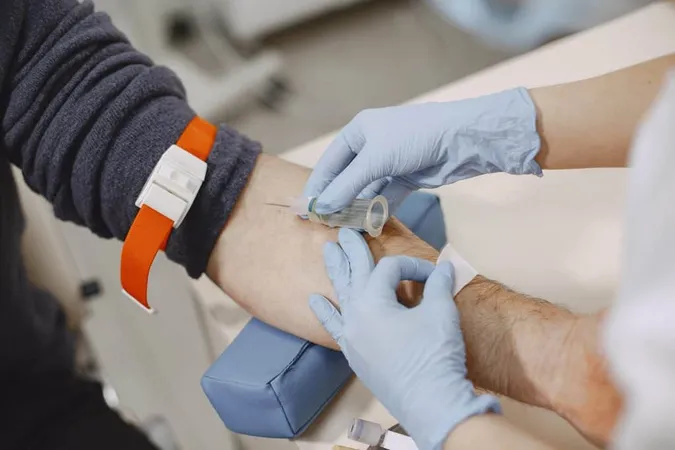
Exam Cost of the American Society of Phlebotomy Technician
The ASPT certification exam requires a fee, which typically ranges from $100 to $150, depending on the specific exam type. The cost covers the exam and administrative expenses, ensuring the certification process is properly managed.
Additional costs may include study materials, practice tests, and any continuing education fees required to maintain certification. Phlebotomists should also consider other expenses such as the cost of formal training programs and ongoing professional development.
Conclusions
Becoming a certified phlebotomy technician through the American Society of Phlebotomy Technicians (ASPT) offers numerous benefits, including increased job opportunities, higher earning potential, and professional credibility. The process involves completing a training program, gaining hands-on experience, and passing the ASPT certification exam. With a growing demand for healthcare professionals in the United States, obtaining ASPT certification can be a significant step in advancing one’s career in the medical field. Phlebotomists play a vital role in patient care, and with certification, they are equipped to meet the highest standards of practice.
FAQs
What is the American Society of Phlebotomy Technicians (ASPT)?
The ASPT is a professional organization that offers certification for phlebotomists, ensuring they meet the standards required for blood collection and patient care in the healthcare industry.
How do I become a certified phlebotomist?
To become a certified phlebotomist, you must complete a training program, gain hands-on experience, and pass the ASPT certification exam.
- +Industry-recognized credential boosts your resume
- +Higher earning potential (10-20% salary increase on average)
- +Demonstrates commitment to professional development
- +Opens doors to advanced career opportunities
- −Exam preparation requires significant time investment (4-8 weeks)
- −Certification fees can be $100-$400+
- −May require continuing education to maintain
- −Some employers may not require certification
What is the average salary of a phlebotomist?
Phlebotomists in the U.S. earn an average salary between $30,000 and $50,000 annually, with potential for higher earnings in certain locations or with advanced experience.
How much does the ASPT exam cost?
The cost of the ASPT certification exam typically ranges from $100 to $150, with additional costs for study materials and continuing education.
Sample American Society of Phlebotomy Technicians Practice Questions
Try these questions from our free American Society of Phlebotomy Technicians practice tests. The correct answer and an explanation follow each question.
What documentation is MOST critical to maintain for safety compliance in the American Society of Phlebotomy Technicians field?
- A. Employee vacation schedules
- B. Incident reports, training records, and inspection logs
- C. Client marketing preferences
- D. Annual revenue reports
Answer: B. Incident reports, training records, and inspection logs
Incident reports, training records, and inspection logs are essential safety documentation. They demonstrate compliance with safety regulations, track training completion, and provide evidence of systematic hazard management.
What role does calibration play in maintaining technical accuracy for American Society of Phlebotomy Technicians professionals?
- A. It is only necessary for new equipment
- B. It ensures instruments and methods produce accurate, consistent results over time
- C. It is an optional best practice for advanced professionals
- D. It only matters during formal inspections
Answer: B. It ensures instruments and methods produce accurate, consistent results over time
Regular calibration ensures that instruments, tools, and methods continue to produce accurate and consistent results over time. Without calibration, measurement drift and equipment wear can lead to unreliable outcomes.
In American Society of Phlebotomy Technicians practice, what is the CORRECT sequence when performing a technical procedure?
- A. Execute, then plan and review
- B. Plan, prepare, execute, verify, and document
- C. Document, execute, then plan
- D. Execute immediately and document only if issues arise
Answer: B. Plan, prepare, execute, verify, and document
The correct sequence follows a systematic approach: plan the procedure, prepare necessary resources, execute according to standards, verify results meet specifications, and document the process and outcomes. This ensures quality and accountability.
What is the BEST way for a American Society of Phlebotomy Technicians professional to stay current with regulatory changes?
- A. Rely solely on employer notifications
- B. Actively monitor regulatory bodies, attend continuing education, and participate in professional associations
- C. Check regulations only during certification renewal
- D. Depend on colleagues to share updates informally
Answer: B. Actively monitor regulatory bodies, attend continuing education, and participate in professional associations
Staying current requires a multi-faceted approach: monitoring regulatory agencies directly, attending relevant continuing education programs, and participating in professional associations that disseminate regulatory updates.
Take the full American Society of Phlebotomy Technicians practice test
Sources & last verified
- American Society of Phlebotomy Technicians — exam fee, retake fee, score release, registration deadline (official source). “International Exams available for $400 - Retake fee $200” Verified Oct 25, 2026.
- American Society of Phlebotomy Technicians — exam fee, eligibility (official source). “Application and Exam fee is $110.00 when received by Thursday, September 24, 2026” Verified Oct 25, 2026.
- American Society of Phlebotomy Technicians — validity (official source). “Certifications expire December 31st of each year.” Verified Oct 25, 2026.
- American Society of Phlebotomy Technicians — delivery (official source). “Phlebotomy and EKG online exams are available” Verified Oct 25, 2026.
How we verify: editorial & fact-checking policy. Report an error: contact us.
How this page was made: written with AI tools and published by Nathan Beja, founder of Practice Test Geeks, who is responsible for its content. Exam facts are checked against the official sources listed below. Not reviewed by a subject-matter expert. Editorial policy
Sources & references
Exam facts on this page (fees, format, dates, passing scores) are checked against these official sources; the date is our last check. Editorial policy
- aspt.org — Test delivery, score validity, fees, registration deadline, retake fee, score release, eligibility · verified Oct 2026