
How Long to Get ARRT Certification: Complete Timeline & Study Guide 2026 October
How long to get ARRT certification? Typically 2–4 years. Full timeline, exam prep tips, and study schedule inside. 🎓
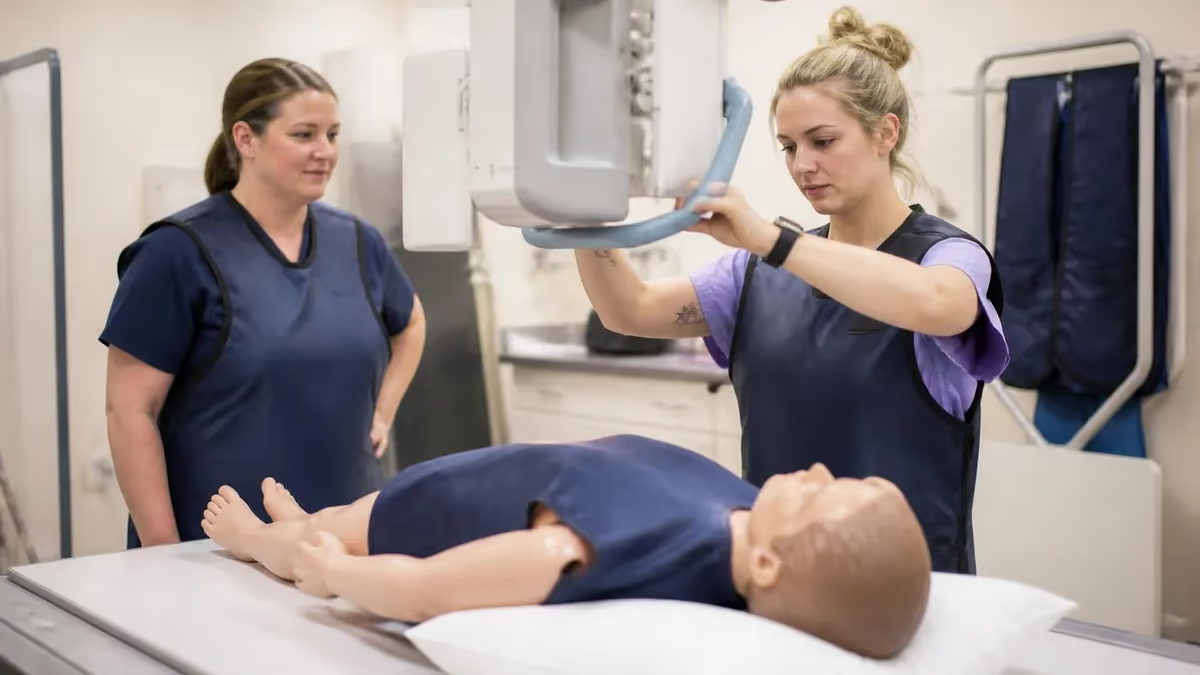
If you are researching how long to get ARRT certification, the honest answer is that the full journey typically takes between two and four years from the moment you begin a formal radiologic technology education program to the day you hold your credential in hand. That window includes completing an accredited degree or certificate program, accumulating the required clinical hours, submitting your ARRT application, and finally sitting for and passing the computer-based examination. Understanding each phase helps you build a realistic plan and avoid surprises along the way.
The American Registry of Radiologic Technologists is the national credentialing body recognized by employers, state licensure boards, and healthcare accreditors across the country. Earning the R.T. credential — followed by a discipline designator such as (R) for Radiography, (N) for Nuclear Medicine, or (MR) for Magnetic Resonance Imaging — signals to employers that you have met rigorous educational, clinical, and ethical standards. Because the credential carries such weight, the certification process is deliberately thorough and multi-step.
Most candidates enter through a two-year Associate of Applied Science program in Radiologic Technology at a community college or hospital-based school. These programs combine classroom instruction in anatomy, radiation physics, patient care, and imaging procedures with hands-on clinical rotations in real healthcare settings. Some candidates pursue a four-year Bachelor of Science degree, which extends the timeline but strengthens career advancement potential and may be required for certain specialty credentials down the line.
After graduating, candidates must submit a formal application to the ARRT that includes official transcripts, clinical competency documentation, and attestation of compliance with the ARRT's Standards of Ethics. Processing this application typically takes two to four weeks, after which approved candidates receive an Authorization to Test (ATT) letter that allows them to schedule their exam at a Prometric testing center. Candidates generally have 90 days from ATT issuance to sit for the exam.
Preparation time between receiving your ATT and sitting for the exam varies widely among candidates. Those who studied rigorously throughout their program and used high-quality practice resources often feel ready within four to eight weeks. Candidates who need more targeted review of weak content areas may spend 10 to 14 weeks building confidence before test day. Either way, structured study using realistic practice questions is the single most effective preparation strategy available.
It is worth noting that some states require separate state licensure in addition to ARRT certification, and state processing timelines can add another two to six weeks before you are cleared to work independently. Checking your state's specific requirements early in the process helps you avoid delays between passing the exam and starting your career. Resources like our guide on how long to get arrt certification can help you map out your complete preparation strategy well before exam day.
The good news is that with deliberate planning and consistent effort, the ARRT certification process is very achievable. Thousands of candidates successfully earn their credentials every year by following clear timelines, using evidence-based study methods, and taking advantage of the many free and paid preparation resources available today. The sections below break down each phase in detail so you can build your own personalized roadmap to certification success.
ARRT Certification by the Numbers
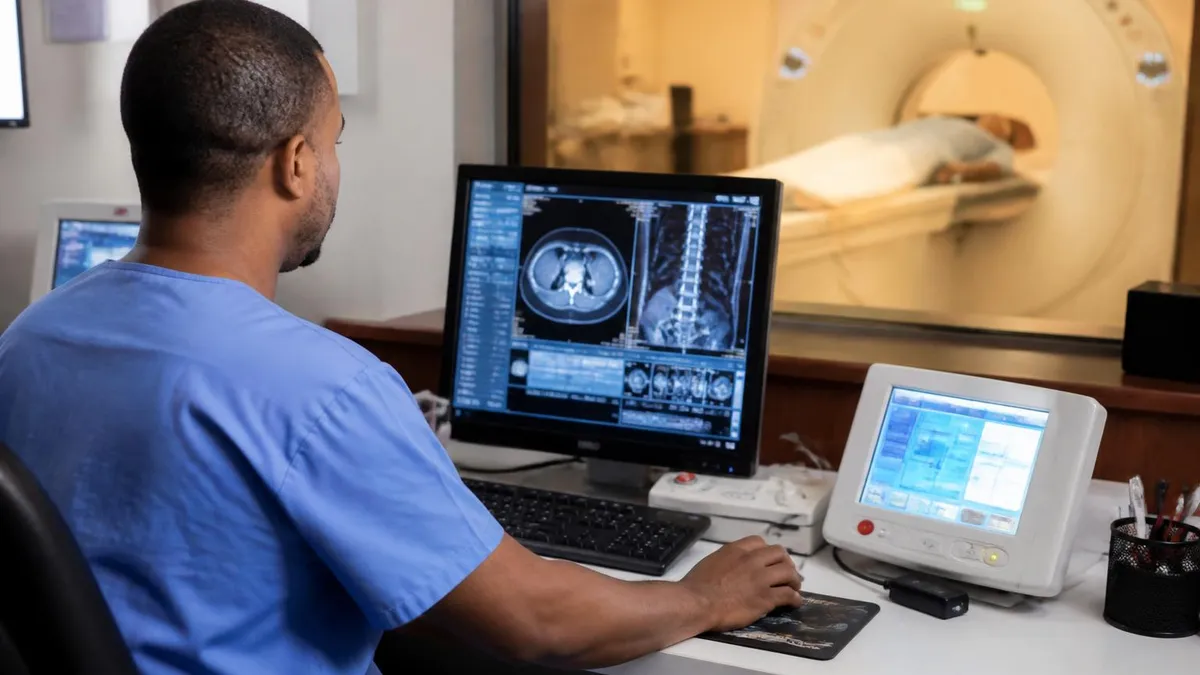
ARRT Certification Timeline: Step by Step
Enroll in an Accredited Program
Complete Didactic Coursework
Fulfill Clinical Competency Requirements
Submit ARRT Application
Prepare and Schedule the Exam
Pass and Receive Your Credential
The educational phase is the longest and most demanding portion of the ARRT certification journey. Accredited programs must be approved by the Joint Review Committee on Education in Radiologic Technology (JRCERT), and every course in the curriculum is designed to align with the ARRT content specifications for the primary certification examination. This alignment means that students who engage fully with their coursework are simultaneously building the exact knowledge base they will be tested on — making classroom engagement the most time-efficient study strategy available.
Associate degree programs in radiologic technology are structured as full-time, two-year programs. Most do not allow students to take semesters off and then resume, because clinical rotations are sequenced carefully to build skills progressively. The first year is typically heavier on didactic content — physics, anatomy, radiation protection, and image evaluation — while the second year shifts emphasis toward advanced positioning, specialty procedures, and supervised clinical practice. Some programs offer accelerated formats for students who already hold healthcare credentials such as LPN or paramedic certification, compressing the timeline somewhat.
Bachelor of Science programs in radiologic technology typically span four years and include additional coursework in healthcare administration, research methods, cross-sectional anatomy, and electives in specialty modalities such as CT and MRI. While the longer timeline may feel discouraging, the BS degree opens doors to supervisory roles, teaching positions, and advanced specialty credentials that are not available to AAS-only graduates. Many employers at large academic medical centers prefer or require a bachelor's degree for senior technologist positions.
Clinical competency requirements are defined in the ARRT Clinical Competency Requirements document specific to each primary pathway. For Radiography, candidates must demonstrate competency in a set of required procedures and a subset of elective procedures, covering body regions from chest and abdomen to extremities, spine, and skull. Each competency must be performed under direct supervision initially and then independently under indirect supervision before a supervising technologist can sign off on it.
In addition to procedure competencies, candidates must demonstrate patient care competencies including venipuncture, contrast media administration monitoring, and emergency response procedures. These patient care requirements reflect the ARRT's recognition that radiologic technologists are clinical healthcare professionals responsible for patient safety, not just equipment operators. Failing to complete all required competencies before graduation prevents application submission and delays the entire certification timeline significantly.
Program directors at accredited schools typically verify competency completion and sign off on the clinical section of the ARRT application, so maintaining good communication with your clinical coordinator throughout your program is essential. Keep personal records of your completed competencies rather than relying entirely on your program's administrative systems — documentation gaps discovered at graduation can delay your application by weeks or months while paperwork is reconstructed and re-verified by clinical sites.
Financial planning is also an important dimension of the education phase. Tuition for two-year community college programs often ranges from $8,000 to $25,000 total, while four-year programs at private institutions can exceed $80,000. Factor in the $200 ARRT application fee, Prometric scheduling fees, and study material costs when budgeting for your certification journey. Many hospitals and health systems offer tuition reimbursement or scholarship programs for students who commit to employment after graduation, which can significantly reduce your out-of-pocket costs.
ARRT Exam Prep Strategies by Study Stage
In the first two months of dedicated study, focus on building a comprehensive content map rather than drilling questions intensively. Review the ARRT content specifications document, which outlines every topic area and its approximate weight on the exam. Create a master study schedule that allocates more time to high-weight domains such as Image Production and Patient Care than to lower-weight areas. Use your program textbooks alongside ARRT-aligned content outlines to confirm you have covered every required topic before moving to active recall practice.
During this early stage, diagnostic practice tests are your most valuable tool. Take one full-length timed practice exam in the first week of study — not to score well, but to identify your weakest content areas objectively. Use that baseline score to prioritize your study calendar for the following six to eight weeks. Students who skip the diagnostic phase often spend equal time on topics they already know and topics where they have critical gaps, resulting in inefficient preparation and avoidable exam failures.

ARRT Certification: Benefits and Challenges to Consider
- +Nationally recognized credential accepted by employers in all 50 states
- +Required for state licensure in most US states, making it essential for employment
- +Opens pathways to specialty certifications in CT, MRI, mammography, and more
- +Average salary for ARRT-certified technologists exceeds $64,000 annually
- +Credential demonstrates commitment to ethics and continuing education standards
- +Enhances career advancement opportunities into supervision and education roles
- −Requires completion of a multi-year accredited program before eligibility
- −Exam fees and study materials represent a significant upfront financial investment
- −First-time pass rates mean a substantial percentage of candidates must retake the exam
- −Continuing education requirements of 24 biennially must be maintained after certification
- −State licensure requirements add additional steps, fees, and processing time in many states
- −Clinical competency documentation can be lost or delayed, causing application processing gaps
ARRT Certification Readiness Checklist
- ✓Confirm your program is JRCERT-accredited before enrolling or applying to ARRT.
- ✓Complete all required and elective clinical competency procedures with supervising technologist sign-off.
- ✓Obtain official transcripts from your program and verify they list your degree completion date.
- ✓Review the ARRT Standards of Ethics and resolve any past criminal or disciplinary history disclosures.
- ✓Submit your ARRT primary pathway application through the online portal immediately after graduation.
- ✓Download and thoroughly read the ARRT Radiography Exam Content Specifications document.
- ✓Take a full-length diagnostic practice exam in week one of dedicated study to identify weak areas.
- ✓Build a day-by-day study calendar that allocates time proportionally to each content area's exam weight.
- ✓Complete at least three full-length timed practice exams under realistic testing conditions.
- ✓Schedule your Prometric exam appointment within 60 days of receiving your Authorization to Test letter.
Schedule 4–6 Weeks Out — Not Immediately
Many candidates make the mistake of scheduling their Prometric appointment immediately after receiving their ATT, giving themselves only one or two weeks to prepare. Research consistently shows that candidates who allow four to six weeks of structured, focused study between ATT receipt and exam day achieve significantly higher first-attempt pass rates. Your ATT is valid for 90 days — use that window strategically.
The ARRT Radiography examination consists of 220 questions delivered via computer at a Prometric testing center, with 200 questions scored and 20 unscored pilot questions distributed randomly throughout the exam. You will not know which questions are pilot items, so treat every question with equal seriousness. The total testing time is 3.5 hours, which works out to approximately 95 seconds per question — a pace that feels comfortable for well-prepared candidates but can create time pressure for those who spend too long on difficult items.
The exam is organized into three primary content areas according to the ARRT content specifications. Radiation Protection accounts for roughly 17% of the exam, covering ALARA principles, protective shielding, dose monitoring, and radiation biology fundamentals. Equipment Operation and Quality Control represents about 13% of scored questions, testing knowledge of X-ray tube construction, generator types, beam quality, and image receptor systems. The largest content area, Image Acquisition and Evaluation, comprises approximately 30% of the exam and covers exposure factor selection, image quality assessment, artifact identification, and digital imaging systems.
Patient Care and Education accounts for around 14% of the exam, covering patient assessment, contrast media administration, emergency procedures, sterile and aseptic technique, and patient communication. Radiographic Procedures, the most procedure-specific content area, comprises approximately 26% of the exam and tests knowledge of proper positioning, central ray angles, image evaluation criteria, and anatomy visualization for all body regions. Understanding the relative weight of each content area is essential for efficient study prioritization — spending equal time on all areas regardless of their exam weight is one of the most common and costly preparation mistakes.
Scoring on the ARRT exam is criterion-referenced, not norm-referenced. This means your score is compared against a predetermined standard of competency, not against the scores of other test-takers. The passing score is set through a formal standard-setting process conducted by panels of subject-matter experts and is expressed as a scaled score of 75 on a scale of 1 to 99. If you score 75 or above, you pass — regardless of how other candidates performed on the same exam form.
Candidates who do not pass on their first attempt may retake the exam up to three times within a two-year eligibility period, after waiting at least 90 days between attempts. If a candidate does not pass within three attempts or within the two-year window, they must demonstrate additional education before reapplying. The retake fee is the same as the initial application fee. Most candidates who fail their first attempt identify specific content weaknesses and address them systematically, improving their scores meaningfully on subsequent attempts.
The pass/fail result is displayed on your testing center screen immediately after you submit your exam. This immediate feedback is one of the most anxiety-inducing moments in the certification process, but it is also one of the most rewarding when the screen reads PASS. For candidates who receive a FAIL result, the score report mailed within two to four weeks includes a performance profile showing relative strengths and weaknesses across content areas — invaluable data for planning your retake preparation strategy.
Many candidates underestimate the importance of physical and mental readiness on exam day. The ARRT exam is a cognitively demanding four-hour experience that requires sustained focus across hundreds of questions covering a very broad knowledge domain. Adequate sleep in the 48 hours before the exam, proper nutrition on exam morning, and arriving at the testing center with time to spare all contribute measurably to performance. Treat exam day preparation with the same seriousness you give to content review — both dimensions matter for your final result.
ARRT requires all candidates to disclose certain criminal history, honor code violations, and disciplinary actions as part of the application process. Failure to disclose required information — even for minor past incidents — is treated as a violation of ARRT's Standards of Ethics and can result in denial or revocation of certification. If you have any history you are uncertain about, consult the ARRT's pre-application ethics review process before submitting your application to avoid eligibility complications.
After you pass the ARRT examination and receive your official credential, the next immediate step for most candidates is applying for state licensure or certification in the state where they plan to work. While ARRT certification is a national credential, radiologic technology practice is regulated at the state level, and 38 states plus Puerto Rico currently require separate state licensure. The requirements, fees, and processing timelines vary significantly by state, ranging from straightforward endorsement applications that take two to three weeks to more complex processes requiring additional documentation or background checks that can take two to three months.
It is important to research your state's specific requirements well before you sit for the ARRT exam so you can begin assembling required documentation immediately after receiving your credential. Some states accept ARRT certification as the primary evidence of competency and issue licenses quickly; others require separate state examinations or background check clearance through the state's criminal history repository. Starting this research early — ideally during your final semester of school — prevents the frustrating situation of passing the ARRT exam but being unable to start work for weeks while your state application processes.
Many new graduates are surprised to discover that they can work under provisional or temporary licensure in some states while their full license application is being processed, allowing them to begin employment sooner. Confirm with your state's radiation control program or health department whether provisional work authorization is available and what conditions apply. Employers who regularly hire new graduates are typically familiar with this process and can guide you through the paperwork required to begin working under provisional authorization.
Continuing education is a permanent feature of ARRT certification that begins immediately after you earn your credential. ARRT requires all R.T. credential holders to complete 24 continuing education credits in every two-year renewal period to maintain their certification. CE credits can be earned through professional conferences, online courses, employer-provided training, college coursework, and self-directed learning activities that meet ARRT's CE guidelines. Failing to meet CE requirements results in certification lapse, which requires additional fees and documentation to restore — so building CE tracking habits from your first renewal cycle is strongly advisable.
Specialty certifications are another exciting dimension of post-primary-certification career development. After earning your primary credential, you become eligible to pursue post-primary pathway certifications in specialties such as Computed Tomography (CT), Magnetic Resonance Imaging (MRI), Mammography (M), Fluoroscopy, Quality Management, Vascular-Interventional Radiography, and several others. Each post-primary pathway has its own eligibility requirements — typically a combination of documented clinical experience in the specialty and passing a specialty-specific examination. CT certification, for example, requires candidates to demonstrate at least 1,000 hours of CT clinical experience.
Salary progression for ARRT-certified technologists is strongly correlated with years of experience, geographic location, specialty certifications, and level of education. Entry-level radiographers in smaller markets may start around $52,000 to $58,000 annually, while experienced technologists with multiple specialty certifications in high-cost-of-living markets such as California, New York, and Massachusetts can earn $85,000 to $100,000 or more. Travel radiography positions, which involve short-term contract assignments at facilities experiencing staffing shortages, frequently offer significantly higher hourly rates than permanent positions — making them an attractive option for newly certified technologists looking to accelerate earnings early in their careers.
The long-term career outlook for ARRT-certified radiologic technologists is strong. The Bureau of Labor Statistics projects employment of radiologic and MRI technologists to grow 6% between 2022 and 2032, faster than the average for all occupations. Aging population demographics, increasing utilization of diagnostic imaging in disease detection and treatment monitoring, and expansion of outpatient imaging centers all support sustained demand for credentialed radiologic technologists well into the coming decade.
Effective ARRT exam preparation is built on active recall rather than passive review. The single most evidence-supported study technique available to you is retrieval practice — forcing yourself to answer questions from memory rather than re-reading textbook chapters or reviewing lecture notes. Every time you successfully retrieve an answer from memory, you strengthen the neural pathway that stores that information, making it faster and more reliable to access under exam-day pressure. This is why high-quality practice questions are the cornerstone of every successful ARRT study plan.
Spaced repetition is the second most powerful technique at your disposal. Rather than studying the same material in concentrated blocks, spaced repetition distributes review of each topic across multiple sessions separated by increasing time intervals. The first review might happen one day after initial learning, the second review three days later, the next a week later, and so on. This spacing schedule exploits the well-documented psychological principle that memories are strengthened more by review just before forgetting than by review immediately after learning. Many popular flashcard applications incorporate spaced repetition algorithms automatically.
Content area rotation is a practical implementation of these principles for ARRT study. Build your weekly study schedule so that each content area appears multiple times per week, with question sets drawn from different areas on different days. Monday might focus on Radiation Protection and Patient Care questions, Tuesday on Equipment Operation and Radiographic Procedures, Wednesday on Image Acquisition and Evaluation, followed by a mixed-content timed simulation on Thursday. This rotation prevents the common trap of spending three consecutive days on anatomy and then forgetting radiation physics fundamentals by exam day.
Practice exams with timed simulations deserve special emphasis. Candidates frequently study individual content areas in isolation without ever practicing the full examination experience — answering 220 questions continuously under time pressure across all content domains simultaneously. The first time you attempt a full timed simulation should not be your actual ARRT exam. Complete at least two or three full-length simulated exams under realistic conditions during your preparation period to calibrate your pacing, identify late-exam fatigue patterns, and build the psychological stamina required for success on test day.
Peer study groups can accelerate learning when structured correctly. The most effective study groups focus on explanation-based learning, where members take turns explaining concepts to each other rather than simply discussing answers. The act of explaining a concept forces the speaker to organize their knowledge coherently and exposes gaps in understanding that passive study conceals. If you choose to study with peers, structure sessions around teaching and explanation exercises rather than collaborative question answering, which can allow less-prepared members to free-ride on stronger members' knowledge.
Commercial study guides and question banks vary significantly in quality. Prioritize resources that are explicitly aligned with the current ARRT content specifications and that provide detailed rationales — not just correct answers — for every question. A rationale that explains why the correct answer is right and why each incorrect answer is wrong is far more valuable than a rationale that simply restates the correct answer. ARRT also publishes official practice examinations through their website, which are the most content-valid practice resource available because they are developed by the same organization that creates the actual examination.
Finally, manage exam anxiety proactively rather than reactively. Anxiety about a high-stakes examination is normal and expected, but unmanaged test anxiety can significantly impair performance even for well-prepared candidates. Techniques that have demonstrated effectiveness in research include systematic relaxation practice in the weeks before the exam, positive self-talk strategies, controlled breathing exercises for use during the exam, and rehearsal of your test-day plan until it feels automatic. Arriving at the Prometric center having already visualized your exam-day routine in detail reduces the cognitive load of managing logistics on the day itself, freeing mental resources for answering questions accurately.
ARRT Questions and Answers

ARRT Practice Test PDF (Free Printable 2026)

ARRT Mock Exam 2026: Free Practice Tests for Radiologic Technologists

ARRT Radiography Exam 2026: Complete Practice Test & Study Guide

How Many CE Credits Do I Need for ARRT? Complete Continuing Education Guide

What Is the ARRT Exam? Complete Guide to Radiologic Technologist Certification
About the Author

Medical Laboratory Scientist & Clinical Certification Expert
Johns Hopkins UniversityDr. Sandra Kim holds a PhD in Clinical Laboratory Science from Johns Hopkins University and is certified as a Medical Technologist (MT) and Medical Laboratory Scientist (MLS) through ASCP. With 16 years of clinical laboratory experience spanning hematology, microbiology, and molecular diagnostics, she prepares candidates for ASCP board exams, MLT, MLS, and specialist certification tests.