
ARRT Conference: What Radiologic Technologists Need to Know 2026 October
Everything about the ARRT conference — CE credits, networking, exam prep, and professional development for radiologic technologists. 🎓
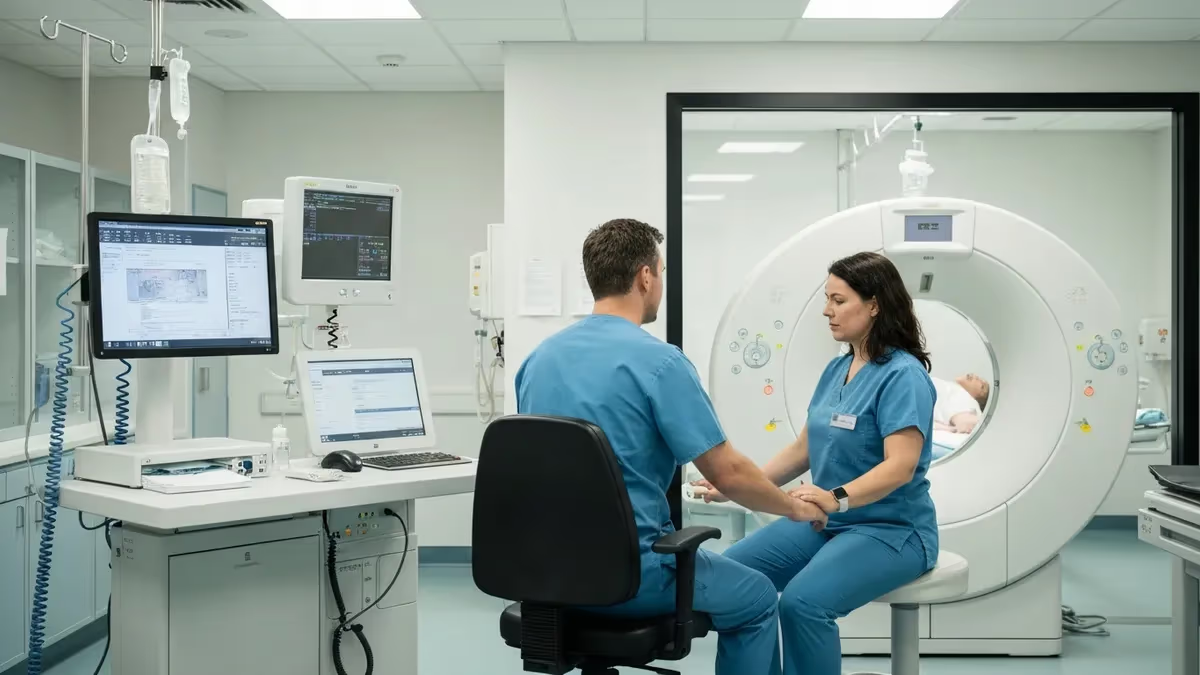
The arrt conference landscape is a vital part of professional life for radiologic technologists across the United States. Whether you are a newly certified technologist attending your first regional symposium or a seasoned professional seeking advanced continuing education credits, understanding how ARRT-recognized conferences work can have a meaningful impact on your career trajectory, your certification maintenance, and your day-to-day clinical practice. These events bring together imaging professionals from radiology, nuclear medicine, magnetic resonance imaging, radiation therapy, and dozens of other disciplines under one roof to share knowledge, build relationships, and advance the field together.
The American Registry of Radiologic Technologists is the credentialing body that sets the standards for radiologic technology in the United States, and it maintains close ties with the professional organizations that host major national and regional conferences. Events organized by groups such as the American Society of Radiologic Technologists, the Society of Nuclear Medicine and Molecular Imaging, and the Association of Educators in Imaging and Radiologic Sciences are recognized by ARRT as legitimate sources of continuing education credits, which every certified technologist must earn to maintain their credentials in good standing over each two-year renewal cycle.
Attending an ARRT-aligned conference is not simply about collecting CE credits and checking a box. These gatherings offer immersive learning experiences that no online course or textbook can fully replicate. Breakout sessions led by respected clinicians, hands-on equipment demonstrations from major manufacturers, and panel discussions on evolving imaging protocols give attendees exposure to real-world problem-solving that translates directly into better patient care. Many technologists report that a single well-chosen conference can accelerate their professional development by months compared to self-directed home study.
For those preparing for ARRT certification examinations, conferences also offer targeted exam-prep workshops and review courses that are structured to align with the ARRT content specifications. Topics such as radiation physics, image acquisition, patient care protocols, and equipment quality assurance are covered in formats designed for adult learners who need efficient, structured review. Attending these sessions alongside professionals who are working through the same material creates a collaborative learning environment that many candidates find highly motivating and effective.
Beyond the educational content, conferences serve as the primary networking hub for the radiologic technology profession. Building connections with colleagues from other states, institutions, and subspecialties opens doors to job opportunities, research collaborations, and mentorship relationships that can sustain a career for decades. Many technologists credit a chance conversation at a conference exhibit hall or social event as the turning point that led to a promotion, a specialty credential, or a transition into imaging administration or education.
This guide covers everything you need to know about navigating the ARRT conference world effectively — from identifying which events earn CE credit, to budgeting for attendance, to maximizing what you learn and who you meet during the event itself. Whether you are planning to attend your first regional symposium this year or you are a repeat attendee looking to get more value from your conference investment, the information ahead will help you approach these opportunities with clarity and purpose.
ARRT Conferences by the Numbers

Major ARRT-Recognized Conferences for Radiologic Technologists
Hosted by the American Society of Radiologic Technologists, this is the largest national gathering for radiologic technology professionals. Held each summer, it offers 10-16 CE credits across imaging, radiation therapy, nuclear medicine, and leadership tracks.
The Radiological Society of North America meeting in Chicago is one of the world's largest radiology conferences. While physician-focused, the technologist track provides excellent CE opportunities in advanced imaging modalities and emerging clinical protocols.
Every U.S. state has an affiliated radiologic technology society that hosts one or more annual symposia. These regional events are more affordable, easier to attend locally, and often earn 6-8 CE credits in a single weekend.
The Society of Nuclear Medicine and Molecular Imaging annual meeting is the premier event for nuclear medicine technologists and those pursuing the N.Nuc.Med.T. credential. CE credits apply directly toward ARRT nuclear medicine maintenance requirements.
The Association of Educators in Imaging and Radiologic Sciences hosts events aimed at program directors, clinical instructors, and technologists transitioning into education roles. Sessions align with ARRT educator recognition and faculty development pathways.
Earning continuing education credits at an ARRT-recognized conference requires more than simply registering and showing up. The ARRT has specific documentation requirements that technologists must satisfy to claim CE credit for any educational activity, including conference sessions. Understanding these requirements before you attend — rather than after — can save you significant frustration and ensure that every hour you invest in conference attendance translates into verifiable, accepted credit on your ARRT renewal record.
The ARRT uses a structured category system for continuing education. Category A credits, which are the most valuable and the most frequently required, must come from ARRT-approved providers. The major professional organizations that host national and regional conferences — including ASRT, SNMMI, and their state affiliates — are pre-approved Category A providers. When you attend a session at one of these events, the credit is automatically Category A as long as the sponsoring organization holds current ARRT provider status, which you should verify at registration.
Documentation is critical. At every conference session you attend for CE credit, you should collect or download a certificate of attendance or completion that includes your full name, the session title, the date and location, the number of CE credits awarded, and the provider's ARRT approval number. Most conferences now issue digital certificates through their event apps or attendee portals within a few days of the event. Store these certificates in a dedicated folder — cloud-based is ideal — because ARRT can audit your CE records at any time during or after your renewal cycle.
The ARRT renewal cycle spans two calendar years, and most certified technologists need 24 CE credits per cycle to maintain their primary credential. If you hold multiple ARRT credentials — for example, Radiography plus CT or MRI — you may be able to apply a single conference session's credit toward multiple credentials simultaneously, depending on the content. Always review the current ARRT continuing education requirements for each of your credentials before attending a conference to ensure the sessions you choose apply toward your specific renewal needs.
Some conferences offer structured learning tracks that make it easy to accumulate credits efficiently. A four-day national conference might include a morning general session worth 1.5 CE credits, then breakout sessions in the afternoon worth 1 credit each, plus an optional hands-on lab worth 2 credits. An attendee who selects sessions strategically across three days could realistically earn 10-14 CE credits from a single conference — a substantial portion of a full two-year renewal cycle completed in less than a week of focused professional development.
Online and hybrid conference formats have expanded access to CE opportunities significantly since 2020. Many conferences now offer recorded session libraries that attendees can access for 30 to 90 days after the live event. These on-demand sessions typically qualify for the same CE credit as live attendance, making it possible for technologists with scheduling conflicts or limited travel budgets to still earn credit from major events. However, not all on-demand sessions carry the same credit value as live attendance — always confirm the credit designation in the conference catalog before assuming equivalence.
If you are in the early stages of building your CE portfolio, attending even one major conference per renewal cycle is a strategic move that can satisfy a large portion of your requirements in a compressed timeframe while also exposing you to professional development content that online modules rarely match in depth or engagement. The combination of structured sessions, expert speakers, and peer discussion improves conference-based CE above most other formats available to radiologic technologists.
Conference Topics: What Radiologic Technologists Learn
Clinical sessions at ARRT-recognized conferences cover the full spectrum of radiologic technology practice, including advanced positioning techniques, radiation dose optimization strategies, contrast administration protocols, and evolving imaging guidelines from professional bodies like the American College of Radiology. Instructors are typically practicing clinicians who bring real-world case studies and institution-specific protocols into their presentations, making the content immediately applicable to daily workflow challenges that attendees encounter on the job.
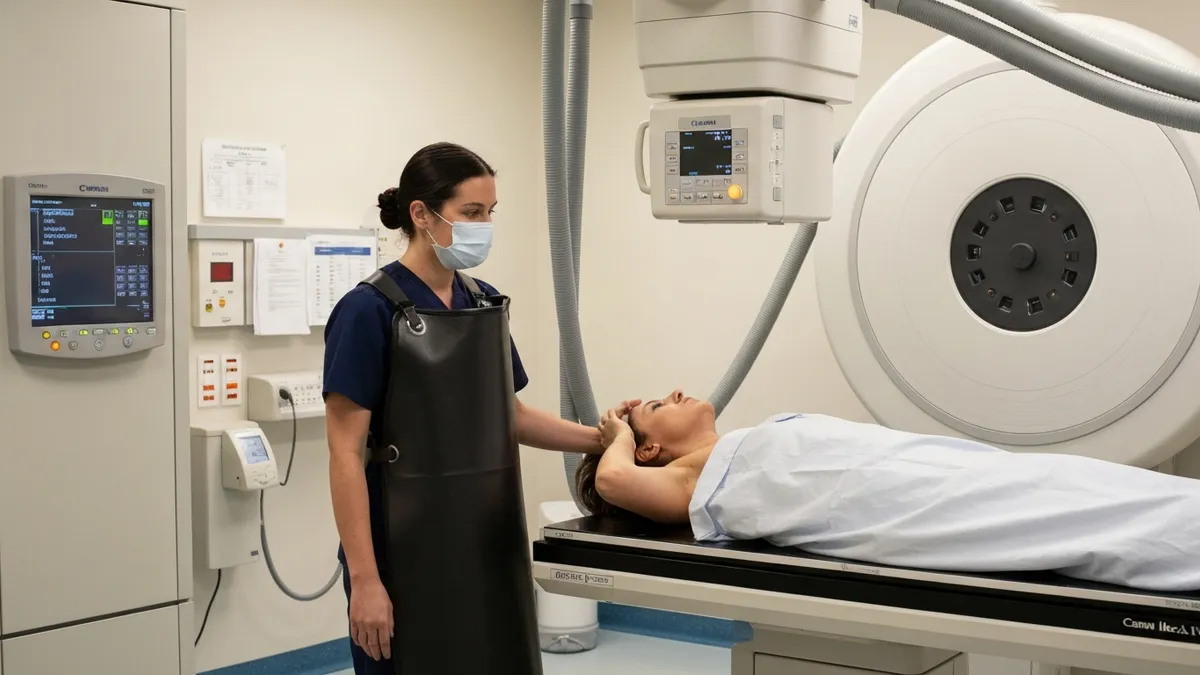
Hands-on labs are among the most popular clinical offerings at major conferences, with equipment manufacturers setting up demonstration stations where technologists can practice using the latest digital radiography systems, fluoroscopy units, and cross-sectional imaging platforms. These labs count toward CE credit and give attendees direct exposure to technology they may not have access to in their home institutions, which is particularly valuable for technologists at smaller community hospitals or outpatient imaging centers with limited equipment budgets.
Attending ARRT Conferences: Benefits and Drawbacks
- +Earn 6-16 Category A CE credits in a single event, covering much of your two-year renewal requirement efficiently
- +Access to the latest clinical protocols, equipment demonstrations, and evidence-based imaging guidelines from leading experts
- +Build a national professional network that can lead to job referrals, mentorship, and research collaboration opportunities
- +Dedicated exam prep sessions aligned with ARRT content specifications give candidates structured, high-yield review
- +Exposure to imaging technology and software not available in your home institution, keeping skills current with industry trends
- +Leadership and career development tracks help technologists build management competencies that support promotion and advancement
- −Registration fees for major national conferences can range from $300 to $800 or more, which is a significant out-of-pocket cost for some technologists
- −Travel, hotel, and meal expenses can add $500-$1,500 to the total cost of attending a conference in another city
- −Time away from work requires scheduling coverage and may not always be supported by employers, especially in understaffed departments
- −Not all conference sessions directly apply to every technologist's specific ARRT credentials, requiring careful pre-planning of your attendance schedule
- −Large national conferences can feel overwhelming, with so many simultaneous sessions that attendees sometimes struggle to choose effectively
- −Virtual and hybrid formats, while more accessible, often lack the networking and hands-on lab opportunities that make in-person attendance most valuable
ARRT Conference Attendance Checklist
- ✓Verify the conference is sponsored by an ARRT-approved CE provider before registering.
- ✓Review your current CE transcript in the ARRT online portal to identify how many credits you still need.
- ✓Check which of your ARRT credentials the conference sessions apply toward and plan your session schedule accordingly.
- ✓Register early to access the best session slots, workshops, and hands-on lab reservations before they fill up.
- ✓Download the conference mobile app to receive real-time schedule updates and access digital CE certificates.
- ✓Bring your ARRT ID number so conference staff can link your attendance records to your credential account.
- ✓Attend the opening session and at least one networking event to meet colleagues outside your institution.
- ✓Collect a certificate of completion or attendance for every session you attend and store them digitally the same day.
- ✓Visit the exhibit hall and speak with at least three vendors about new equipment or software relevant to your practice.
- ✓Log your CE credits in the ARRT online system within 30 days of returning from the conference.
One Conference Can Cover Most of Your Two-Year CE Requirement
Technologists who attend a major four-day national conference and select sessions strategically can earn 10-14 Category A CE credits — more than half of the 24 credits required for a standard ARRT renewal cycle. Combining one national conference with one or two regional symposia per renewal period can cover your entire CE requirement while also advancing your clinical knowledge and professional network.
The networking dimension of radiologic technology conferences deserves as much strategic attention as the educational programming. For many technologists, the professional relationships formed at conferences have longer-lasting career impacts than any single CE session, because they create ongoing channels for mentorship, job referrals, collaborative research, and peer support that sustain a career through multiple role changes and institutional transitions over decades.
Approaching networking at a conference requires some intentionality, especially for technologists who do not naturally find large social gatherings comfortable. One effective strategy is to identify two or three specific types of professionals you want to meet before the conference begins — for example, a radiologic technology program director, a technologist working in a specialty you are interested in pursuing, or a peer from a similarly sized institution who might share useful departmental strategies. Having a clear networking intention makes it much easier to strike up meaningful conversations rather than hoping productive connections happen by chance.
The exhibit hall is one of the best networking spaces at any large conference, because vendors actively want to engage with attendees and the product demonstrations create natural conversation starters. You do not need to be interested in purchasing equipment to visit a vendor booth — asking thoughtful questions about how a new imaging platform addresses workflow challenges you face in your own department positions you as an engaged professional and often leads to substantive conversations with product specialists and clinical application experts who have broad knowledge of what different facilities are doing in the field.
Structured networking events organized by the conference itself — including receptions, mentorship roundtables, and affinity group meetings for technologists in specific subspecialties or career stages — provide lower-pressure environments for making connections than the open exhibit floor or post-session hallway conversations. Many major conferences host early-career technologist meetups specifically designed for professionals in their first five years of practice, where attendees share challenges, exchange advice, and form study groups or peer support communities that persist long after the event ends.
For technologists with leadership aspirations, conferences are also an opportunity to become visible within the professional community rather than simply attending as a passive learner. Submitting an abstract for a poster presentation or a short paper presentation, volunteering to moderate a breakout session, or serving on the conference planning committee for your state affiliate society are all ways to build a professional reputation that extends beyond your home institution. These visible contributions are also strong additions to a CV or job application portfolio, signaling professional engagement and leadership capacity to hiring managers and academic program recruiters.
Social media platforms, particularly LinkedIn and the professional communities hosted by ASRT and state radiologic technology societies, are valuable extensions of the in-person conference networking experience. Following up with new connections on LinkedIn within 48 hours of meeting them — while the conference is still fresh in everyone's memory — dramatically increases the likelihood that the connection will remain active and eventually lead to a substantive professional relationship. A brief, personalized message referencing a specific conversation you had or a session you both attended is far more effective than a generic connection request.
Technologists who attend the same conference repeatedly over multiple years often find that their network compounds in value with each cycle. Reconnecting with colleagues you met at previous events, catching up on how their careers have evolved, and introducing them to new professionals you have met more recently creates a rich, interconnected professional community that provides support, opportunities, and a sense of belonging that is genuinely difficult to replicate through any online substitute. The ARRT conference circuit, understood this way, is not just a CE delivery mechanism — it is the social infrastructure of the radiologic technology profession.
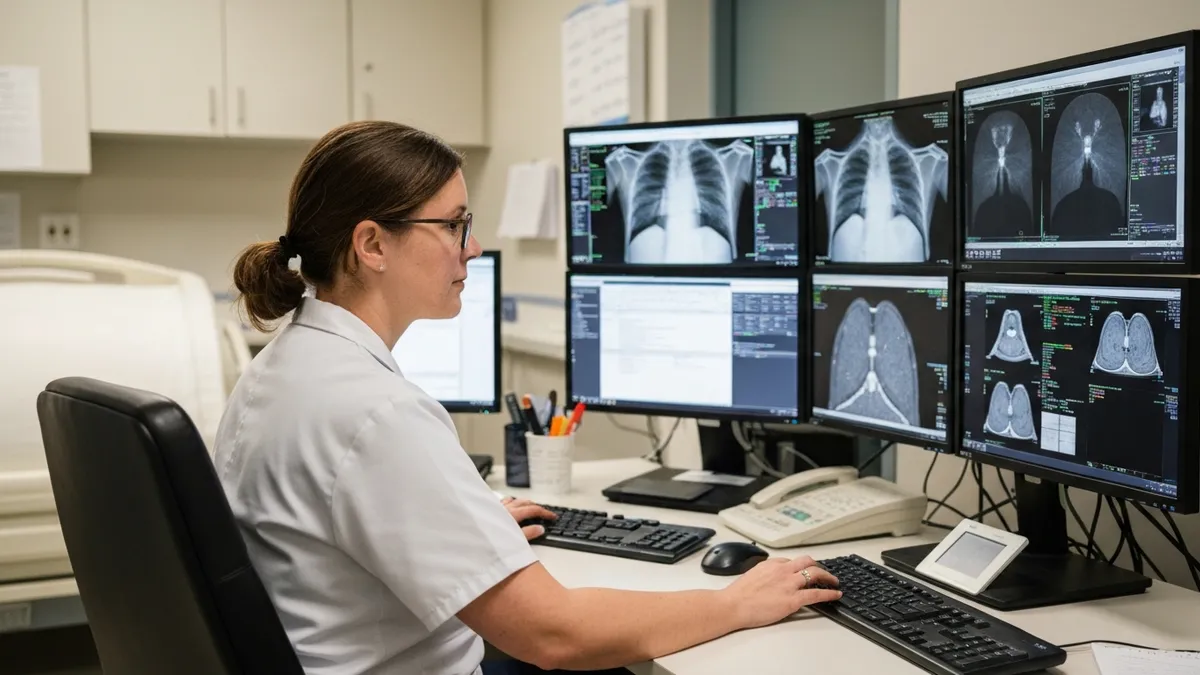
Not every radiology-related conference automatically qualifies for ARRT CE credit. Always confirm that the event sponsor holds current ARRT-approved provider status before registering, especially for events organized by hospital systems, equipment manufacturers, or specialty societies outside the traditional radiologic technology professional organizations. You can verify provider status through the ARRT website or by contacting the conference organizers directly.
Budgeting for ARRT conference attendance is a practical challenge that many radiologic technologists underestimate until they begin adding up all the associated costs. Registration fees, travel, lodging, meals, and incidentals can easily total $1,500 to $3,000 or more for a multi-day national conference in a major city, which represents a meaningful financial commitment for a profession where the median annual salary sits around $64,000. Understanding how to plan and finance conference attendance — including how to access employer support — is an essential career skill that pays dividends over an entire working life.
The most important financial resource available to most radiologic technologists is their employer's continuing education or professional development budget. Many hospitals, outpatient imaging centers, and radiology groups allocate annual funds specifically to support staff attendance at conferences, professional organization memberships, and CE course enrollment.
These budgets vary widely — from a modest $500 per year at smaller facilities to $2,000 or more at academic medical centers — and they are often underutilized simply because employees do not ask for reimbursement or do not know the funds are available. A direct conversation with your supervisor or HR department about the professional development budget that applies to your position is the first step every technologist should take before paying out of pocket.
When making the case to your employer for conference funding, framing the request in terms of institutional benefit rather than personal development significantly increases the likelihood of approval.
Rather than asking for money to attend a conference because you need CE credits, explain specifically which sessions align with current departmental priorities — for example, a workshop on radiation dose optimization that will help your facility meet ACR accreditation requirements, or a panel on electronic health record integration that addresses workflow challenges your imaging department is actively trying to solve. A well-framed proposal shows professional initiative and connects your development to outcomes the organization cares about.
Professional associations offer another avenue for financial support. ASRT, for example, offers scholarships and grant programs for members attending the annual conference and other professional development events. State radiologic technology societies often have their own scholarship programs as well, funded by member dues and donations from industry partners.
Applications for these awards typically require a brief essay and proof of current ARRT certification, and the awards range from partial conference registration fee waivers to full travel and lodging grants. These programs are frequently undersubscribed relative to available funds, making them a realistic option for technologists who take the time to apply.
For technologists who cannot attend an in-person conference due to scheduling, family obligations, or financial constraints, virtual conference access has become a genuinely viable alternative for earning CE credits. Most major conferences now offer livestreamed sessions and on-demand access to recorded content at a fraction of the in-person registration cost — sometimes as little as $99 to $199 for full virtual access to a national conference's entire session library.
While the networking benefits of virtual attendance are more limited, the educational content is often identical, and the flexibility to watch recorded sessions at your own pace across several weeks can actually make the learning more effective for some technologists.
Splitting conference attendance costs with colleagues from the same department or institution is another practical strategy. Sharing a hotel room, carpooling to a regional conference, or coordinating so that different team members attend different conferences and then share what they learned through internal presentations spreads both the cost and the benefit of conference attendance across an entire department. Some department managers formalize this approach into a shared CE plan where staff alternate attending major national events on a rotating basis, ensuring equitable access to conference-based development opportunities across all experience levels and credential types.
Finally, consider the long-term return on investment when evaluating conference attendance costs. Technologists who are consistently engaged in professional development through conference attendance are statistically more likely to pursue and earn specialty credentials, advance into supervisory or leadership roles, and command higher salaries over the course of their careers.
The upfront cost of attending an ARRT-recognized conference is genuinely an investment in earning potential and professional identity, not just a line item in a CE compliance budget. Viewed through that lens, finding creative ways to fund conference attendance consistently throughout your career is among the highest-use professional development decisions a radiologic technologist can make.
Maximizing what you actually learn and retain from a conference requires more preparation than most first-time attendees realize. Arriving at a major conference without a clear learning agenda is one of the most common mistakes radiologic technologists make, and it often results in spending conference days in a reactive, unfocused way — wandering from session to session based on proximity rather than relevance, skipping meals and rest in pursuit of maximum credit hours, and leaving the event exhausted but uncertain whether the time and money were well spent. A small amount of pre-conference planning prevents all of these outcomes.
Before you register for any sessions, download the full conference program and spend thirty to sixty minutes reading through all available session titles and descriptions. Organize the sessions into three categories: must-attend sessions that directly address your current clinical challenges or renewal credit gaps; want-to-attend sessions that cover interesting topics but are lower priority; and low-priority sessions you would attend only if schedule gaps arise. Building your conference schedule from this prioritized list ensures you are using your limited time on the content that matters most to your specific situation rather than defaulting to whatever is most convenient.
Physical preparation for a multi-day conference is also genuinely important. Conferences held in large convention centers involve extensive walking — sometimes several miles per day — and the combination of full-day sessions, evening networking events, and exhibit hall visits is genuinely fatiguing.
Bringing comfortable walking shoes, staying hydrated, building in short breaks between sessions, and protecting at least seven hours of sleep each night are not minor lifestyle tips — they are strategies for maintaining the cognitive capacity you need to process and retain the educational content you came to learn. Many technologists report that the sessions they attended on day three of a conference were largely wasted because they were too tired to engage effectively.
Active note-taking during sessions dramatically improves retention compared to passive listening, even for well-designed presentations. You do not need to transcribe every slide — instead, focus on capturing the specific insights, statistics, clinical protocols, and action items that are most relevant to your practice.
After each session, spend five minutes adding context to your notes while the content is still fresh: what will you do differently in your department as a result of what you just heard? Which colleagues back home should hear about this? What follow-up reading or resources did the speaker recommend? These brief post-session reflections convert conference learning from passive information intake into actionable professional development.
Post-conference follow-through is what separates technologists who get lasting value from conference attendance from those who collect CE certificates and return to exactly the same clinical habits they had before the event. Within one week of returning from a conference, share at least two or three specific insights from the sessions you attended with your colleagues through a department meeting, an email summary, or an informal conversation. Teaching what you learned is one of the most powerful retention strategies available, and it also demonstrates professional leadership and generosity that colleagues and supervisors notice and appreciate over time.
If you presented a poster or gave a talk at the conference, follow up with attendees who asked questions or expressed interest in your work. These individuals are already engaged with your area of expertise and may be interested in collaboration, co-authorship, or simply an ongoing collegial relationship that enriches both of your professional practices. A short email within 48 hours of the conference, referencing the specific conversation you had and suggesting a future connection point, is all it takes to convert a momentary conference encounter into a lasting professional relationship.
Finally, complete your conference evaluation forms honestly and thoroughly before you leave the event. Conference organizers use attendee feedback to improve future programming, and the sessions and speakers that earn high ratings are more likely to return at future events. Your feedback directly shapes the quality of future ARRT-aligned conferences and, by extension, the professional development opportunities available to your colleagues and the next generation of radiologic technologists entering the field. Contributing to that process is a small but meaningful act of professional stewardship that benefits the entire imaging community.
ARRT Questions and Answers

ARRT Practice Test PDF (Free Printable 2026)

ARRT Passing Score: What You Need to Know to Pass the Registry Exam

ARRT Mock Exam 2026: Free Practice Tests for Radiologic Technologists

How Many CE Credits Do I Need for ARRT? Complete Continuing Education Guide

What Is the ARRT Exam? Complete Guide to Radiologic Technologist Certification
About the Author

Medical Laboratory Scientist & Clinical Certification Expert
Johns Hopkins UniversityDr. Sandra Kim holds a PhD in Clinical Laboratory Science from Johns Hopkins University and is certified as a Medical Technologist (MT) and Medical Laboratory Scientist (MLS) through ASCP. With 16 years of clinical laboratory experience spanning hematology, microbiology, and molecular diagnostics, she prepares candidates for ASCP board exams, MLT, MLS, and specialist certification tests.