

ABCS Practice Test
Updated October 2026
The field of cosmetic surgery is one of the fastest-growing sectors in the medical profession, and for those who specialize in enhancing a person’s appearance, the American Board of Cosmetic Surgery (ABCS) certification stands as a symbol of excellence. The ABCS certification is recognized nationally and internationally, validating a surgeon’s expertise in performing cosmetic procedures across a variety of specialties, including facial, breast, and body surgeries.
While becoming board-certified is a rigorous and challenging journey, it is an essential step for those who want to build credibility, trust, and a successful practice in the highly competitive world of cosmetic surgery. The ABCS certification not only offers recognition but also assures patients that they are receiving care from a surgeon who adheres to high standards of medical practice, ethics, and continuing education.
Free ABCS Practice Test Online
FREE ABCS Facial Cosmetic Surgery Questions and Answers FREE ABCS Breast & Body Contouring Surgery Questions and Answers FREE ABCS Non-Surgical Cosmetic Procedures & Aesthetic Medicine Questions and Answers FREE ABCS Ethics, Safety, & Patient Management in Cosmetic Surgery Questions and AnswersKey Takeaways
ABCS certification ensures a surgeon’s competence in cosmetic procedures, covering areas such as facial, breast, and body surgeries.
Certification requires completing rigorous training, clinical practice, and passing written and oral exams.
Board-certified cosmetic surgeons demonstrate expertise, ethics, and commitment to patient care and safety.
Becoming certified provides advantages in career growth, patient trust, and professional recognition.
Continuing education and recertification are required to maintain ABCS certification and stay current with medical advancements.
ABCS certification helps surgeons expand their practices and improve patient outcomes by adhering to high standards of care.
What is ABCS Certification?
The American Board of Cosmetic Surgery (ABCS) is an independent board that certifies surgeons who specialize in cosmetic procedures. The certification is designed to ensure that cosmetic surgeons have the necessary skills, knowledge, and experience to perform surgery safely and effectively.
The ABCS is a non-profit organization that provides certification for surgeons in various specialties, including:
Facial cosmetic surgery (e.g., rhinoplasty, facelifts)
Body contouring procedures (e.g., liposuction, tummy tucks)
Breast enhancement and reduction surgeries
ABCS certification is recognized as a mark of distinction and ensures that patients receive care from surgeons who meet the highest standards in the field.
Can You Pass ABCS Facial Cosmetic Surgery Test? Try Now FREE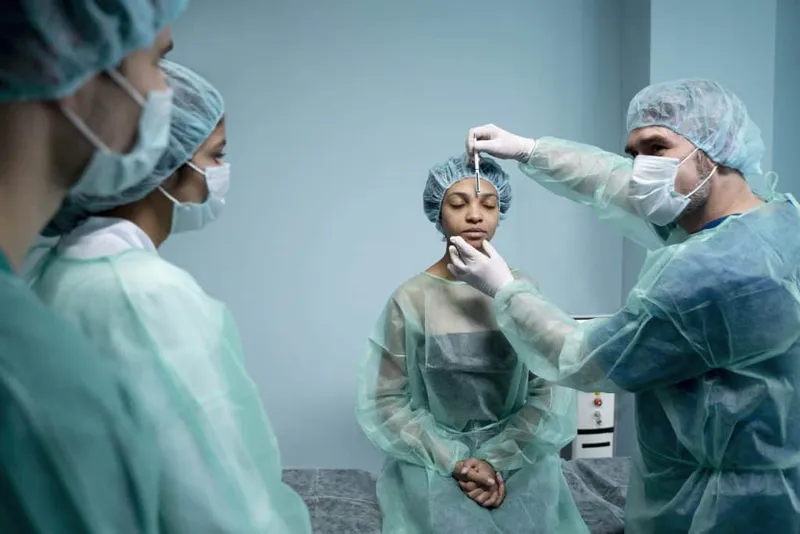
Who is Eligible for ABCS Certification?
To be eligible for ABCS certification, surgeons must meet several specific requirements:
Educational Requirements: Applicants must have completed a recognized residency program in plastic surgery, otolaryngology (ENT), or dermatology. Additionally, they must have completed a fellowship program in cosmetic surgery to acquire the necessary specialized training.
Clinical Experience: Surgeons must have performed a specific number of cosmetic surgeries in order to demonstrate practical expertise. This ensures that the surgeon has hands-on experience with a variety of procedures.
Examinations: The certification process involves both a written exam and an oral exam. The written exam tests general knowledge in cosmetic surgery, while the oral exam assesses the surgeon's ability to make decisions in real-world, clinical situations.
Ethical Standards: Applicants must adhere to a strict code of ethics, including patient care standards, and show a commitment to continuous education.
ABCS Certification Process
The ABCS certification process involves several steps:
Step 1: Education & Residency
Before becoming eligible for certification, surgeons must complete a recognized residency program in a related specialty and undergo further training in cosmetic surgery.Step 2: Clinical Practice & Fellowship
Surgeons must gain clinical experience by performing a variety of cosmetic procedures, followed by a fellowship in cosmetic surgery. This fellowship ensures they are trained to perform advanced cosmetic techniques under the guidance of seasoned professionals.Step 3: Written Examination
The written exam tests the candidate's knowledge of cosmetic surgery techniques, patient safety, and postoperative care. Surgeons must pass this exam to move on to the oral examination.Step 4: Oral Examination
The oral examination involves answering questions based on clinical cases and demonstrating how to handle real-world scenarios. This portion ensures that the surgeon can apply their knowledge and training in decision-making during patient care.Step 5: Certification and Maintenance
Ultimate Guide For ABCS Breast & Body Contouring Surgery Test
Once surgeons pass the written and oral exams, they become board-certified. However, maintaining certification requires ongoing education, professional development, and recertification every 10 years.Benefits of ABCS Certification
Obtaining ABCS certification provides a number of significant advantages for both surgeons and patients:
Professional Credibility: ABCS certification demonstrates a surgeon’s expertise and commitment to the highest standards of cosmetic surgery. Patients can trust that a certified surgeon has undergone comprehensive training and adheres to ethical practices.
Enhanced Career Opportunities: Board certification often leads to better job prospects, higher earnings, and greater opportunities to expand a practice. Patients are more likely to choose a surgeon who is ABCS certified because it provides assurance of quality and safety.
Improved Patient Outcomes: ABCS-certified surgeons are trained to handle a range of complications and ensure that the patient’s safety is always prioritized. By adhering to best practices and maintaining knowledge of the latest techniques, certified surgeons improve their patient outcomes.
Ethical Standards: The ABCS requires surgeons to uphold the highest standards of medical ethics, including patient confidentiality, informed consent, and transparent communication.
FREE ABCS Facial Cosmetic Surgery Test - Click HereHow to Prepare for the ABCS Exam
Preparing for the ABCS certification exam is challenging, but with proper preparation, candidates can increase their chances of success. Here are a few strategies:
Review Study Materials: Surgeons should study textbooks, clinical guidelines, and other materials related to cosmetic surgery. Online resources and prep courses specifically for the ABCS exam can also be helpful.
Join Study Groups: Collaborating with fellow candidates or colleagues in study groups can help reinforce learning and clarify difficult concepts.
Practice Clinical Scenarios: The oral exam is designed to test practical decision-making. Surgeons can prepare by practicing clinical scenarios, discussing cases with mentors, and reviewing complex surgeries.
Attend Workshops and Continuing Education: Continuing education is a key component of maintaining ABCS certification. Attending workshops, conferences, and seminars helps surgeons stay current with evolving cosmetic surgery trends and techniques.
Tips To Pass ABCS Non-Surgical Cosmetic Procedures & Aesthetic Medicine TestCareer Impact of ABCS Certification
ABCS certification not only enhances a surgeon’s qualifications but also positively impacts their career trajectory:
Higher Earning Potential: Board-certified cosmetic surgeons can often charge higher fees for their services, reflecting their advanced qualifications and experience.
Increased Patient Trust: Patients seek surgeons with proven expertise. Certification provides patients with the confidence that they are being cared for by a qualified professional, leading to higher patient satisfaction and increased referrals.
Global Recognition: ABCS certification is recognized not only in the United States but also internationally, allowing surgeons to practice or collaborate with professionals in other countries.
ABCS Ethics, Safety, & Patient Management in Cosmetic Surgery Test - Can You Pass? ABCS Facial Cosmetic Surgery Test Preparation
Conclusion
The American Board of Cosmetic Surgery (ABCS) certification is a valuable credential for surgeons who wish to specialize in cosmetic surgery. It is a comprehensive process that requires rigorous training, clinical experience, and the successful completion of both written and oral exams. Obtaining ABCS certification not only enhances a surgeon’s professional reputation but also improves patient outcomes, increases career opportunities, and ensures that ethical standards are upheld in the practice of cosmetic surgery.
For those who are committed to advancing their expertise in cosmetic procedures, the ABCS certification offers a rewarding path toward greater professional success and recognition in the cosmetic surgery field.
FAQs
What is the ABCS certification?
The ABCS certification is a professional credential that recognizes a surgeon's expertise in performing cosmetic surgery procedures, including facial, breast, and body surgeries.
How long does it take to become ABCS certified?
The certification process can take several years, as it requires completing educational programs, clinical practice, and passing the written and oral exams.
Is the ABCS certification recognized globally?
Yes, the ABCS certification is recognized both nationally and internationally, giving certified surgeons access to broader career opportunities.
Do I need to renew my ABCS certification?
Yes, the ABCS certification requires ongoing education and recertification every 10 years to ensure surgeons stay up-to-date with the latest advancements in the field.
What are the prerequisites for ABCS certification?
Candidates must have completed a recognized residency program in a related specialty, have clinical experience in cosmetic surgery, and pass both written and oral exams.
Military language students can prepare for English proficiency screening with our free ALCPT American Language Course Placement Test — covering listening comprehension and structure.
Our free TAPAS military personality assessment practice helps candidates understand the Tailored Adaptive Personality Assessment System used by the Army for enlistment decisions.
Navy Officer Candidate School applicants can prepare with our free OAR Officer Aptitude Rating practice test — covering math skills, reading comprehension, and mechanical comprehension.
Military enlistment candidates can take our free ASVAB practice test — covering all ten subtests: Arithmetic Reasoning, Word Knowledge, Paragraph Comprehension, Mathematics Knowledge, and more.
ABCS Practice Test Questions
Prepare for the ABCS - American Board of Cosmetic Surgery Certification exam with our free practice test modules. Each quiz covers key topics to help you pass on your first try.
ABCS Anesthesia and Perioperative Care
ABCS Exam Questions covering ABCS Anesthesia and Perioperative Care. Master ABCS Test concepts for certification prep.
ABCS Practice Management and Business Oper...
Free ABCS Practice Test featuring ABCS Practice Management and Business Operations. Improve your ABCS Exam score with mock test prep.
ABCS Breast and Body Contouring Surgery
ABCS Mock Exam on Breast and Body Contouring Surgery. ABCS Study Guide questions to pass on your first try.
ABCS Communication & Stakeholder Relations
ABCS Test Prep for Communication & Stakeholder Relations. Practice ABCS Quiz questions and boost your score.
ABCS Data Analysis & Reporting
ABCS Questions and Answers on Data Analysis & Reporting. Free ABCS practice for exam readiness.
ABCS Ethics, Safety, and Patient Managemen...
ABCS Mock Test covering Ethics, Safety, and Patient Management in Cosmetic Surgery. Online ABCS Test practice with instant feedback.
ABCS Facial Cosmetic Surgery
Free ABCS Quiz on Facial Cosmetic Surgery. ABCS Exam prep questions with detailed explanations.
ABCS Non-Surgical Cosmetic Procedures and ...
ABCS Practice Questions for Non-Surgical Cosmetic Procedures and Aesthetic Medicine. Build confidence for your ABCS certification exam.
ABCS Professional Standards & Ethics
ABCS Test Online for Professional Standards & Ethics. Free practice with instant results and feedback.
ABCS Project Planning & Execution
ABCS Study Material on Project Planning & Execution. Prepare effectively with real exam-style questions.
ABCS Quality Assurance & Improvement
Free ABCS Test covering Quality Assurance & Improvement. Practice and track your ABCS exam readiness.
ABCS Regulatory Compliance & Legal Framework
ABCS Exam Questions covering Regulatory Compliance & Legal Framework. Master ABCS Test concepts for certification prep.
ABCS Risk Assessment & Management
Free ABCS Practice Test featuring Risk Assessment & Management. Improve your ABCS Exam score with mock test prep.
Pro Tip: Focus your ABCS study time on the areas where you score lowest in practice tests. Most exam questions test application of knowledge, not memorization.
- ✓Review the official ABCS exam content outline
- ✓Take a diagnostic practice test to identify weak areas
- ✓Create a study schedule (4-8 weeks recommended)
- ✓Focus on your weakest domains first
- ✓Complete at least 3 full-length practice exams
- ✓Review all incorrect answers with explanations
- ✓Take a final practice test 1 week before exam day
- +Industry-recognized credential boosts your resume
- +Higher earning potential (10-20% salary increase on average)
- +Demonstrates commitment to professional development
- +Opens doors to advanced career opportunities
- −Exam preparation requires significant time investment (4-8 weeks)
- −Certification fees can be $100-$400+
- −May require continuing education to maintain
- −Some employers may not require certification
Sample American Board of Cosmetic Surgery Certification Practice Questions
Try these questions from our free American Board of Cosmetic Surgery Certification practice tests. The correct answer and an explanation follow each question.
What is the importance of continuing education in ABCS professional practice?
- A. To maintain current knowledge, meet certification requirements, and adapt to evolving industry standards
- B. To fill time between client appointments
- C. To justify higher fees
- D. It is only required for new professionals
Answer: A. To maintain current knowledge, meet certification requirements, and adapt to evolving industry standards
Continuing education ensures professionals stay current with new developments, technologies, and best practices in their field while fulfilling certification renewal requirements and providing better service to clients.
An ABCS-certified surgeon is asked to provide expert testimony in a malpractice case against a colleague. What ethical standard governs this role?
- A. Surgeons should always support their colleagues to protect the profession
- B. Expert testimony must be truthful, objective, and based on accepted standards of care
- C. Surgeons should decline all expert witness roles to avoid conflicts
- D. Testimony should favor the defendant to reduce malpractice insurance costs
Answer: B. Expert testimony must be truthful, objective, and based on accepted standards of care
Expert witnesses are ethically obligated to provide honest, evidence-based testimony regardless of their professional relationship with the parties involved.
What is the consequence of non-compliance in ABCS professional practice?
- A. Potential fines, license revocation, legal liability, and reputational damage
- B. A verbal warning only
- C. No consequences if not caught
- D. Automatic contract renewal
Answer: A. Potential fines, license revocation, legal liability, and reputational damage
Non-compliance can result in significant consequences including monetary fines, suspension or revocation of professional licenses, civil or criminal liability, lawsuits, and lasting damage to professional reputation.
In ABCS practice, what is a needs assessment?
- A. A systematic process to identify gaps between current conditions and desired outcomes
- B. A list of office supply requirements
- C. An employee benefits survey
- D. A real estate appraisal
Answer: A. A systematic process to identify gaps between current conditions and desired outcomes
A needs assessment systematically identifies and evaluates the gaps between current performance or conditions and desired outcomes, providing data-driven justification for programs, training, or interventions.
Take the full American Board of Cosmetic Surgery Certification practice test
About the Author
Board-Certified Physician & Medical Licensing Exam Expert
Harvard Medical SchoolDr. Michael Reynolds is a board-certified internist and Fellow of the American College of Physicians with an MD from Harvard Medical School and a Master of Science in Medical Education. With 18 years of clinical and academic medicine experience, he specializes in USMLE Step 1, Step 2, and Step 3 preparation, internal medicine board certification, and medical specialty licensing examinations.