

AQS Practice Test
Updated for September 2026The Air Quality Specialist Certification (AQS) has emerged as an essential credential for professionals dedicated to protecting public health and the environment. As air pollution becomes a growing concern, certified specialists are increasingly in demand to monitor, analyze, and enforce air quality standards. Whether working in government agencies, environmental consulting firms, or industrial sectors, these professionals are the backbone of clean air initiatives. An Air Quality Specialist ensures compliance with federal and local air quality regulations while contributing to the development of pollution control policies. The certification process validates expertise in air monitoring equipment, atmospheric science, data interpretation, and regulatory frameworks. If you're considering a career that blends science, regulation, and environmental protection, becoming a certified Air Quality Specialist could be a highly rewarding path.
Government and public-safety candidates can also sharpen their exam readiness with our FSOT foreign service exam 2026, covering the reading comprehension, situational judgment, and reasoning sections tested in official hiring exams.
AQS Practice Test Questions
Prepare for the AQS - Air Quality Specialist Certification exam with our free practice test modules. Each quiz covers key topics to help you pass on your first try.
AQS Air Dispersion Modeling
AQS Exam Questions covering Air Dispersion Modeling. Master AQS Test concepts for certification prep.
AQS Indoor Air Quality
Free AQS Practice Test featuring AQS Indoor Air Quality. Improve your AQS Exam score with mock test prep.
AQS Meteorology & Atmospheric Science
AQS Mock Exam on AQS Meteorology & Atmospheric Science. AQS Study Guide questions to pass on your first try.
AQS Assessment & Monitoring Methods
AQS Test Prep for Assessment & Monitoring Methods. Practice AQS Quiz questions and boost your score.
AQS Compliance Reporting & Documentation
AQS Questions and Answers on Compliance Reporting & Documentation. Free AQS practice for exam readiness.
AQS Data Collection & Analysis
AQS Mock Test covering Data Collection & Analysis. Online AQS Test practice with instant feedback.
AQS Emergency Response & Preparedness
Free AQS Quiz on Emergency Response & Preparedness. AQS Exam prep questions with detailed explanations.
AQS Environmental Regulations & Policy
AQS Practice Questions for Environmental Regulations & Policy. Build confidence for your AQS certification exam.
AQS Health & Safety Protocols
AQS Test Online for Health & Safety Protocols. Free practice with instant results and feedback.
AQS Mitigation Strategies
AQS Study Material on Mitigation Strategies. Prepare effectively with real exam-style questions.
AQS Monitoring Tools
Free AQS Test covering Monitoring Tools. Practice and track your AQS exam readiness.
AQS Pollution Sources
AQS Exam Questions covering Pollution Sources. Master AQS Test concepts for certification prep.
AQS Regulatory Compliance
Free AQS Practice Test featuring Regulatory Compliance. Improve your AQS Exam score with mock test prep.
Key Takeaways
Free AQS Practice Test Online
Air Quality Specialist Certification is vital for professionals working in air pollution monitoring and regulation.
The certification enhances credibility, professional growth, and job opportunities across government, consulting, and private industry.
Certified professionals help implement and enforce environmental standards that directly affect community health and safety.
The certification process includes meeting education requirements, gaining experience, and passing a certification exam.
The role offers competitive salaries and long-term career stability, especially as environmental regulations tighten.
What Is the Air Quality Specialist Certification?
The Air Quality Specialist Certification is a professional credential designed to validate knowledge and skills in assessing, monitoring, and improving air quality. It serves as a benchmark for employers seeking qualified candidates capable of interpreting emissions data, recommending mitigation strategies, and ensuring compliance with air pollution regulations.
This certification often includes coursework or exams in topics such as:
Atmospheric chemistry
Emissions control technologies
Air quality modeling
Environmental policy and law
Use of monitoring instrumentation and software
It is recognized by both governmental and private sectors as a standard of professional excellence, especially in roles that involve reporting to the Environmental Protection Agency (EPA) or working under Clean Air Act regulations.
AQS Key Concepts
What is the passing score for the AQS exam?
Most AQS exams require 70-75% to pass. Check the official exam guide for exact requirements.
How long is the AQS exam?
The AQS exam typically allows 2-3 hours. Time management is critical for success.
How should I prepare for the AQS exam?
Start with a diagnostic test, create a 4-8 week study plan, and take at least 3 full practice exams.
What topics does the AQS exam cover?
The AQS exam covers multiple domains. Review the official content outline for the complete list.
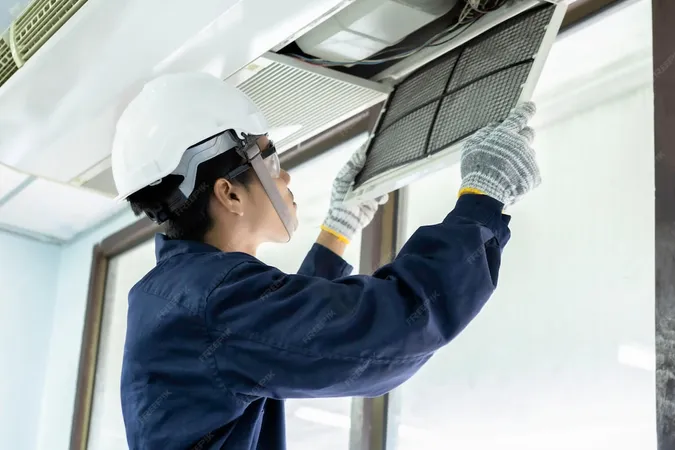
How to Become a Certified Air Quality Specialist
Becoming a certified Air Quality Specialist involves a combination of formal education, field experience, and successful completion of a recognized certification exam. Here's a typical pathway:
Educational Requirements:
A bachelor’s degree in Environmental Science, Chemistry, Atmospheric Science, or a related field is often required.
Advanced degrees (Master’s or Ph.D.) can improve employability and salary prospects, particularly in research or policy roles.
Professional Experience:
Candidates are generally expected to have at least 1–3 years of field experience in air monitoring, emissions testing, or environmental analysis.
Internships and cooperative education programs can provide valuable hands-on training.
Certification Exam:
Certification bodies like the Air & Waste Management Association (awma.org) or state environmental boards often administer exams.
Exams typically cover technical knowledge, regulatory frameworks, equipment use, and data interpretation.
Continuing Education:
Certified professionals must complete periodic training to maintain their credentials and stay updated with evolving technologies and regulations.
Quality professionals preparing for the AQL exam can reinforce their statistical process knowledge with the Certified Quality Engineer (CQE) Practice Test 2026, which covers acceptance sampling, quality systems, and reliability testing.
Job Description for Air Quality Specialists
Air Quality Specialists play a crucial role in managing and protecting air resources. Their responsibilities may include:
Monitoring ambient air conditions using specialized equipment.
Analyzing air pollutant levels and identifying sources of emissions.
Ensuring compliance with local, state, and federal air quality regulations.
Writing technical reports for stakeholders and regulatory agencies.
Advising policymakers on air quality standards and control measures.
Engaging in public outreach to educate communities on air pollution risks.
Specialists often work for governmental agencies such as the EPA, state departments of environmental quality, or environmental consulting firms. Their work settings may include labs, offices, and outdoor monitoring stations.
Salary Outlook for Certified Air Quality Specialists
The salary of an Air Quality Specialist can vary depending on education, experience, location, and employer type. However, certified professionals consistently earn more due to their verified skill set and credibility.
Estimated Salary Ranges:
Entry-level: $50,000 – $65,000 per year
Mid-career: $65,000 – $85,000 per year
Senior-level or specialists in high-demand areas: $90,000 – $120,000+
Professionals working in urban or industrial centers tend to earn more due to higher demand and stricter regulatory oversight. Those with additional certifications or graduate degrees can command premium compensation.
Exam Cost and Related Expenses
The cost of obtaining the Air Quality Specialist Certification varies depending on the certifying body and the region. Here are the general expenses to consider:
Exam Fees: $200 to $500
(Varies based on provider and location)Study Materials or Courses: $100 to $1,000
(Optional but helpful for preparation)Application/Processing Fees: $50 to $150
(May include documentation review and background checks)Continuing Education: $50 to $300 annually
(For maintaining certification)
Organizations like state environmental boards or professional associations may also offer subsidized exam fees or group discounts.
Conclusion
The Air Quality Specialist Certification represents more than just a credential—it is a commitment to environmental responsibility and public health. With growing awareness of the impacts of air pollution and stricter regulations, certified professionals are well-positioned to make a significant impact in this critical field.
Whether you're seeking a meaningful career in environmental science or aiming to expand your qualifications as a professional, obtaining this certification can elevate your prospects and prepare you to address one of today's most pressing challenges: air quality.
- +Industry-recognized credential boosts your resume
- +Higher earning potential (10-20% salary increase on average)
- +Demonstrates commitment to professional development
- +Opens doors to advanced career opportunities
- −Exam preparation requires significant time investment (4-8 weeks)
- −Certification fees can be $100-$400+
- −May require continuing education to maintain
- −Some employers may not require certification
(AQS) Air Quality Specialist Certification Questions and Answers
About the Author

Certified Professional Development Expert & Niche Certification Advisor
University of Pennsylvania Graduate School of EducationDr. Alexandra Kim holds a PhD in Professional Studies from the University of Pennsylvania and is a Certified Professional in Learning and Performance (CPLP) and Certified Professional in Talent Development (CPTD). With 17 years of corporate training and professional certification advisory experience, she helps professionals navigate specialized, emerging, and cross-industry certification programs.
Join the Discussion
Connect with other students preparing for this exam. Share tips, ask questions, and get advice from people who have been there.
View discussion (8 replies)