
ACS Papers: Complete Guide to American Chemical Society Publications and Research
📚 ACS papers explained — journals, peer review, submission tips, and how to use ACS research for exam prep and chemistry careers.

ACS papers represent some of the most influential and rigorously peer-reviewed scientific literature in the world of chemistry. Published by the American Chemical Society, these research articles, reviews, and communications span dozens of specialized journals covering every major subdiscipline of chemistry — from organic synthesis and materials science to environmental chemistry and biochemistry. Whether you are a student preparing for the ACS exam or a professional chemist navigating the academic publishing landscape, understanding how ACS papers work is essential to succeeding in the field.
The American Chemical Society publishes more than 80 peer-reviewed journals, making it one of the largest scientific publishers on the planet. Each year, tens of thousands of manuscripts are submitted to these journals, with acceptance rates that often fall below 30 percent at the most prestigious titles. This competitive environment ensures that the research ultimately published in ACS papers meets exceptionally high standards for scientific rigor, reproducibility, and originality. Researchers around the world rely on the ACS portfolio as a definitive source of new chemical knowledge.
For chemistry students, ACS papers serve a dual purpose. First, they provide primary source material for understanding cutting-edge research in every branch of the discipline. Second, the terminology, concepts, and experimental frameworks that appear in published ACS research often align directly with the content tested on standardized ACS exams. Familiarity with how these papers are structured and what they contain can give students a meaningful advantage when preparing for high-stakes assessments in general chemistry, organic chemistry, physical chemistry, and analytical chemistry.
Understanding the ecosystem of acs papers means recognizing that not all ACS publications carry the same weight. High-impact journals like the Journal of the American Chemical Society (JACS) and ACS Nano command global attention and are heavily cited across disciplines. Meanwhile, more specialized journals like the Journal of Chemical Education serve a pedagogical mission, publishing research on teaching methods and curriculum development that can be especially relevant for educators and advanced students alike.
ACS papers follow a standardized structure that makes them easier to read and extract information from once you understand the format. Most research articles include an abstract, introduction, experimental section, results and discussion, and conclusions, followed by references and supplementary materials. Review articles and perspective pieces take a broader approach, synthesizing findings across many studies to provide an overarching view of a field. Communications, by contrast, are short reports of urgent significance designed to disseminate breaking findings quickly to the scientific community.
One aspect of ACS papers that is often overlooked by students is the role of supplementary materials. These appendices contain raw data, detailed synthetic procedures, spectral data, and computational methods that support the main findings of the paper. For researchers trying to reproduce results or adapt methods for their own work, the supplementary section is frequently as important as the article itself. Students who learn to navigate these materials gain a deeper understanding of experimental chemistry that textbooks alone cannot provide.
Accessing ACS papers has become easier in recent years with the expansion of open-access publishing options. The ACS AuthorChoice and ACS Editors' Choice programs allow authors to make their work freely available, and many university library systems provide institutional access to the full ACS journal portfolio. For students and educators without institutional access, ACS also offers tiered subscription models and a substantial archive of freely available content through ACS Publications. Knowing how to access these resources efficiently is a foundational skill for any aspiring chemist.
ACS Publications by the Numbers

ACS Journal Portfolio Overview
JACS, ACS Central Science, and ACS Nano are the most cited and highest-impact journals in the ACS portfolio. They publish groundbreaking research across broad chemistry subdisciplines and attract submissions from top research groups worldwide.
Journals like Organic Letters, Inorganic Chemistry, and the Journal of Physical Chemistry focus on specific subdisciplines. They offer rigorous peer review within narrower scope, making them ideal publication targets for focused research programs.
ACS Applied Materials & Interfaces, Industrial & Engineering Chemistry Research, and similar titles bridge academic discovery with real-world applications, covering topics from device fabrication to process engineering and sustainable chemistry.
The Journal of Chemical Education and ACS Chemical Health & Safety serve specialized audiences focused on pedagogy, laboratory safety, and science policy. These journals are critical resources for educators, safety officers, and science communicators.
The structure of ACS papers is deliberately standardized to help readers locate information quickly and efficiently. Every research article begins with a title and abstract — the two components that most readers encounter first through search engines and database queries. A strong abstract summarizes the research question, methodology, key findings, and significance in 150 to 250 words, and it must stand alone as a complete summary of the work. Authors spend considerable time crafting abstracts because they function as the primary advertisement for the research contained within the full paper.
Following the abstract, a well-written introduction situates the research within the broader scientific literature. This section typically opens with a broad statement of the problem before narrowing to the specific gap in knowledge that the current work addresses. Authors cite prior ACS papers and other peer-reviewed literature extensively here to demonstrate their command of the field and to justify why their approach is novel. For students learning to read primary literature, the introduction is one of the most valuable sections because it synthesizes background information in a focused, expert-driven way.
The experimental or methods section of an ACS paper describes exactly how the research was conducted. In synthetic chemistry papers, this includes detailed procedures for preparing compounds, characterization data such as NMR spectra and melting points, and yield percentages. In computational papers, it covers software packages, basis sets, and modeling parameters. In analytical chemistry, it describes instrumentation, calibration procedures, and statistical methods. Reproducibility is a core value of ACS publishing, so the methods section must contain enough detail that a trained chemist in another laboratory could replicate the work.
Results and discussion sections in ACS papers are where the scientific contribution comes into focus. Authors present data — often in the form of tables, figures, and spectral analyses — and interpret what those data mean in the context of their hypothesis and the existing literature. The discussion weaves together experimental observations, mechanistic proposals, and comparisons with previously published work to build a coherent scientific argument. Strong results sections in JACS or ACS Nano papers are characterized by careful data curation, honest reporting of failures and limitations, and a clear connection between evidence and conclusion.
The conclusions section of an ACS paper briefly restates the most important findings and often gestures toward future research directions. Unlike the abstract, the conclusion does not simply repeat what was already said; instead, it synthesizes the broader implications of the work and suggests how it advances the field. Some journals, particularly those that publish short communications, integrate conclusions into the results and discussion rather than treating them as a separate section. Knowing these formatting conventions helps readers extract meaning from papers more efficiently.
References in ACS papers follow the ACS citation style, which uses numbered citations in the order they appear in the text. Full reference lists include author names, journal titles (often abbreviated according to standard chemical nomenclature), volume numbers, page numbers, and publication years. The ACS style guide is considered one of the most rigorous in scientific publishing, and mastering it is a practical skill for any chemistry student who plans to write laboratory reports, senior theses, or original research papers.
Supplementary information is a powerful but underutilized part of most ACS papers. This section can include complete synthetic procedures, full spectroscopic characterization data, crystallographic information files (CIFs), computational output files, and additional figures that support the main manuscript without cluttering the primary narrative. For graduate students and researchers learning new techniques, the supplementary section often provides more actionable detail than the main text. Many instructors in advanced chemistry courses now assign supplementary materials alongside main articles to give students a complete view of how professional research is documented and communicated.
Reading, Evaluating, and Using ACS Research
Experienced chemists rarely read an ACS paper from start to finish on the first pass. Instead, they begin with the abstract to determine relevance, then jump to the figures and tables to understand the core data, and finally read the introduction and discussion to understand the context and interpretation. This non-linear approach saves time and helps readers quickly assess whether a paper is worth a full careful read, which is especially important when navigating the hundreds of papers published each week across the ACS journal portfolio.
For students, a more systematic approach is often recommended when first developing primary literature skills. Start with the abstract and introduction to build context, then work through the results section carefully, pausing to interpret each figure or table independently before reading the authors' interpretation. Finally, read the conclusions and ask yourself whether the evidence presented actually supports those conclusions. This critical reading habit — evaluating the gap between data and interpretation — is exactly the analytical thinking that ACS exams and graduate programs aim to develop.
Pros and Cons of Using ACS Papers as Study Resources
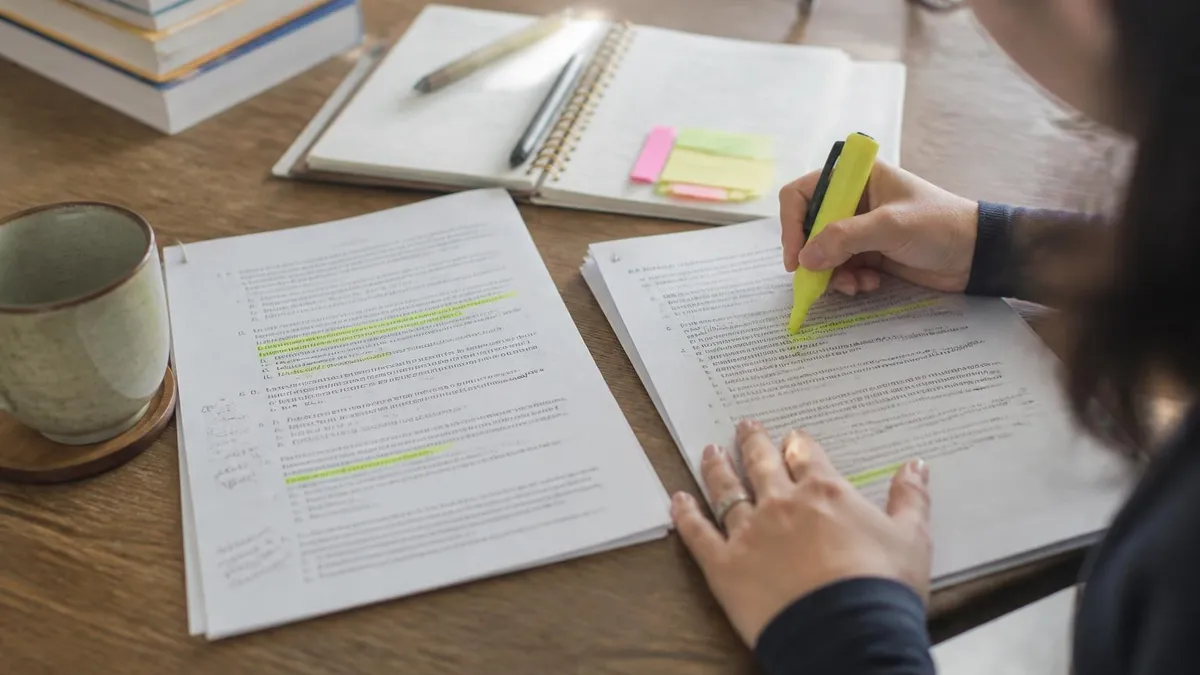
- +Primary source accuracy: information comes directly from original research, not secondhand interpretations
- +Covers cutting-edge content not yet in textbooks, especially for fast-moving fields like materials science
- +Review articles synthesize entire topic areas, ideal for building comprehensive exam knowledge
- +Builds critical reading and data interpretation skills valued in graduate school and industry
- +Supplementary materials provide deep procedural detail unavailable elsewhere for lab technique development
- +Open-access options through ACS AuthorChoice and university libraries make many papers freely accessible
- −Dense technical language can be overwhelming for undergraduate students without guided support
- −Paywalled articles can be inaccessible without institutional library subscriptions
- −Individual papers may contain errors or later-retracted claims that require critical evaluation
- −High volume of publications makes identifying the most relevant papers time-consuming
- −Focus on novel findings means fundamental concepts are often assumed, not explained for beginners
- −Supplementary data can be incomplete or poorly organized, requiring additional verification steps
ACS Paper Research Checklist for Students
- ✓Identify the research question or hypothesis stated in the introduction before reading further.
- ✓Read the abstract completely and write a one-sentence summary in your own words.
- ✓Examine each figure and table independently before reading the authors' interpretation.
- ✓Note the sample size, controls, and statistical methods used to evaluate whether conclusions are supported.
- ✓Check the publication date and identify whether subsequent papers have confirmed, extended, or challenged the findings.
- ✓Search the reference list for two or three foundational papers to build background context on the topic.
- ✓Download the supplementary information and compare the experimental detail with the methods section.
- ✓Identify the ACS journal's scope and impact factor to understand the intended audience and prestige level.
- ✓Note any limitations or caveats that the authors acknowledge in the discussion section.
- ✓Record the ACS citation format for the paper using volume, issue, pages, and DOI for future reference.
Review Articles Are Your Secret Weapon
Chemical Reviews and Accounts of Chemical Research publish comprehensive review articles that synthesize hundreds of primary papers into authoritative topic overviews. These reviews are directly aligned with ACS exam content areas and are written by leading experts. Reading even one relevant review article during your exam prep can replace dozens of hours of fragmented textbook study and provide a level of depth and nuance that no single textbook chapter can match.
ACS papers play a direct and often underappreciated role in the content of ACS standardized exams administered at the undergraduate and graduate levels. The ACS Examinations Institute, which develops and distributes standardized chemistry exams used at hundreds of colleges and universities, draws its question content from the same conceptual framework that governs what gets published in ACS journals. When you understand the types of problems that ACS research addresses — reaction mechanisms, thermodynamic relationships, spectral interpretation, quantitative analysis — you are simultaneously building the knowledge base tested on ACS exams.
Organic chemistry is perhaps the subdiscipline most tightly coupled to ACS publishing conventions. The Journal of Organic Chemistry and Organic Letters are among the most frequently cited journals in undergraduate organic chemistry courses, and the reaction types they feature — cross-coupling reactions, asymmetric synthesis, total synthesis of natural products — appear repeatedly on ACS organic chemistry exams. Students who supplement their textbook study by reading short communications in Organic Letters develop a richer vocabulary of reaction possibilities and a stronger intuition for mechanism that translates directly to exam performance.
Physical chemistry is another area where engagement with ACS papers pays significant dividends for exam preparation. The Journal of Physical Chemistry A, B, and C cover spectroscopy, thermodynamics, kinetics, and quantum chemistry in rigorous detail. When students encounter a question about the interpretation of an IR spectrum or the derivation of a rate law, their understanding is deepened by having seen how these techniques are applied in actual research contexts. Reading even a handful of physical chemistry papers before the exam helps students recognize the practical significance of concepts that might otherwise feel abstract and disconnected from real science.
Analytical chemistry provides yet another connection between ACS papers and exam content. The journal Analytical Chemistry publishes high-impact research on new measurement techniques, sensor development, and data analysis methods. Many ACS analytical chemistry exams include questions on calibration curves, detection limits, selectivity, and figures of merit — all topics that appear routinely in Analytical Chemistry research articles. Students who browse the table of contents of recent issues of Analytical Chemistry during their exam preparation period often report that the vocabulary and conceptual framework of the exam feel more intuitive as a result.
Biochemistry and chemical biology represent a growing portion of ACS exam content, reflecting the increasing interdisciplinarity of modern chemical research. ACS Chemical Biology and Biochemistry publish research at the intersection of chemistry and biology, covering enzyme mechanisms, protein structure, metabolic pathways, and nucleic acid chemistry. As biochemistry content has expanded in ACS standardized exams, students who have engaged with primary literature in this area find themselves better equipped to answer questions about reaction energetics, cofactor function, and metabolic regulation that require both biological context and chemical mechanistic understanding.
Environmental chemistry and green chemistry are increasingly prominent themes in both ACS publications and ACS exam content. Environmental Science and Technology, one of the highest-impact ACS journals in applied chemistry, regularly publishes research on pollutant fate, water treatment, atmospheric chemistry, and sustainability metrics. ACS exams at the general and physical chemistry level increasingly incorporate questions about environmental applications of chemical principles — acid-base equilibria in natural water systems, kinetics of atmospheric reactions, and thermodynamics of remediation processes — making familiarity with environmental chemistry literature an asset for exam preparation.
For students preparing for graduate school qualifying exams or the ACS Certified Chemist credential, engagement with ACS papers is not merely beneficial — it is essentially required. Graduate-level qualifying exams often ask students to interpret data from published papers, propose mechanisms consistent with reported results, or critique experimental design. The ability to read a research paper critically, extract its core scientific contribution, and evaluate the quality of its evidence is a skill that distinguishes successful graduate students and must be developed deliberately through repeated engagement with primary literature throughout the undergraduate years.
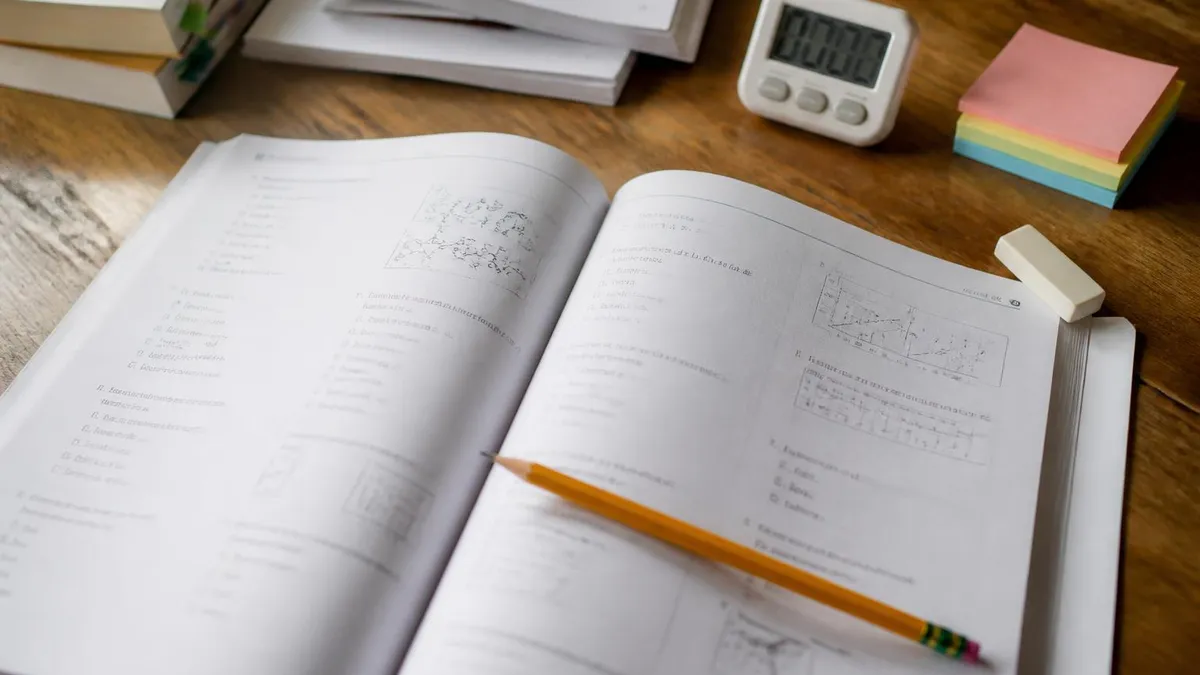
As of 2023, ACS has expanded its open-access publishing agreements with institutions in the United States and internationally, meaning that many new ACS papers are available without a paywall at the time of publication. If you cannot access a specific ACS paper through your library, check whether the authors have posted a preprint version on ChemRxiv, the ACS-affiliated preprint server, which is freely accessible to anyone worldwide.
Citing ACS papers correctly is a foundational skill for every chemistry student, and the ACS citation style is one of the most precise and widely used formats in the natural sciences. Unlike APA or MLA formats, ACS citations use numbered superscripts in the text that correspond to entries in a numbered reference list at the end of the document.
Each entry must include all authors' last names and initials, the abbreviated journal title, the year in bold type, the volume number in italics, and the inclusive page numbers. The digital object identifier (DOI) is now also required for all online-accessible publications, providing a permanent link that survives journal website changes and database migrations.
Proper citation of ACS papers serves multiple important functions beyond mere academic formality. Citations create a traceable chain of evidence that allows readers to verify claims, trace the intellectual history of an idea, and evaluate the strength of the evidence base for a given conclusion. In a field where reproducibility and intellectual honesty are paramount values, thorough citation practices reflect a researcher's commitment to scientific transparency. The ACS Style Guide, published by the American Chemical Society and available through most university libraries, provides definitive guidance on citation formats, abbreviation standards, and usage guidelines for all major publication types.
For students writing laboratory reports and research papers, mastering ACS citation style early prevents costly formatting corrections at the manuscript submission stage. Most ACS journals use automated manuscript submission systems that check citation formatting and flag errors before the paper reaches an editor. While citation management software like Zotero, Mendeley, and EndNote can automate much of the formatting process, understanding the underlying structure of ACS citations helps students catch the errors these tools sometimes introduce, particularly for non-standard publication types like conference proceedings, book chapters, and patents.
The role of ACS papers in patent law and intellectual property is another dimension that chemistry students and professionals should understand. Research published in ACS journals establishes prior art — the publicly known state of knowledge against which patent novelty is evaluated. A compound or process that has been described in an ACS paper cannot subsequently be patented for the same application because the publication itself constitutes prior public disclosure. This intersection between published research and intellectual property rights is a critical consideration for industrial chemists and academic researchers who may be developing commercially significant discoveries.
ACS papers are also central to the process of grant funding that sustains most academic chemistry research. Federal funding agencies such as the National Science Foundation and the National Institutes of Health evaluate grant applications in part based on the applicant's publication record in peer-reviewed journals, with ACS publications carrying particular weight in chemistry-focused review panels. For graduate students and postdoctoral researchers building their academic careers, first-author publications in high-impact ACS journals are among the most important credentials for securing faculty positions, fellowships, and independent research funding.
Understanding the economics of ACS publishing helps students and researchers navigate the system more effectively. ACS charges article processing fees for open-access publications under the ACS AuthorChoice model, which can range from approximately $1,500 to $5,000 depending on the journal and the type of open-access license selected. For research funded by agencies that mandate open access, such as the NIH, these fees are typically covered by grant budgets. The ACS also offers fee waivers for researchers in low-income countries and for members in financial hardship, reflecting the Society's commitment to global scientific access as articulated in its strategic plan.
The future of ACS papers is being shaped by rapid developments in artificial intelligence, data science, and open science infrastructure. ACS is actively developing machine-readable publication formats, structured data deposition requirements, and AI-assisted literature search tools through platforms like ACS SciFindern. These innovations are changing how researchers discover, read, and build upon published chemistry. For today's students, developing both traditional primary literature skills and the digital literacy needed to navigate AI-enhanced research tools will be equally important as they build their careers in a field where the volume and complexity of available knowledge continue to expand at an accelerating pace.
Practical tips for getting the most out of ACS papers begin with developing a consistent reading habit rather than relying on marathon study sessions close to exam time. Setting aside 20 to 30 minutes three to four times per week to read one abstract, one short communication, or one section of a review article builds primary literature fluency gradually and sustainably.
Students who integrate ACS reading into their regular study routines consistently outperform those who treat primary literature as an advanced, post-exam activity. The investment pays compound returns: each paper you read makes the next one easier to understand and more rewarding to engage with.
Learning to use SciFinder, Web of Science, and PubChem effectively makes the process of finding relevant ACS papers far more efficient. SciFinder, in particular, was developed specifically for chemical literature and allows researchers to search by structure, reaction, and spectral data in addition to conventional keyword and author searches. Many university library systems provide free student access to SciFinder and similar tools. Mastering even the basic search and filtering functions in these databases dramatically reduces the time spent sifting through irrelevant results and helps students locate the specific papers most useful for their exam preparation or research projects.
When reading ACS papers for exam preparation, focus first on the figures and schemes rather than the dense prose of the methods and discussion sections. Reaction schemes in organic chemistry papers are particularly valuable study aids because they present complete synthetic sequences with reagents, conditions, and yields in a compact visual format that is easier to process than prose descriptions.
Spectral figures in analytical and physical chemistry papers provide excellent practice for the data interpretation questions that frequently appear on ACS standardized exams. Developing the habit of pausing to interpret each figure independently before reading the caption is one of the most effective active reading strategies for building examination-ready analytical skills.
Joining or forming a journal club with fellow students provides an excellent structured environment for developing ACS paper reading skills. Journal clubs typically meet weekly for one to two hours, with one student presenting a paper and leading discussion while others come prepared with questions and critiques.
This format accelerates learning because it requires participants to engage with papers deeply enough to explain and defend the work to peers, not just read it passively. Many graduate research groups run journal clubs as a core part of their scientific training program, and undergraduate students who participate in similar arrangements arrive at graduate school with a significant head start.
Writing brief summaries of ACS papers after reading them is another high-yield study technique that reinforces comprehension and builds the scientific writing skills essential for laboratory courses, research programs, and graduate school applications. A useful summary format includes the research question, key methods, main findings, and one critical observation about the paper's strengths or limitations.
Maintaining a reading log of such summaries creates a personal reference library that can be invaluable during comprehensive exam preparation or when writing literature review sections for research papers. Even summaries of 100 to 150 words per paper accumulate into a powerful knowledge base over a semester of consistent practice.
Pay attention to the acknowledgments and funding sections of ACS papers, which reveal who sponsored the research and which research groups collaborated. These sections provide insight into the broader research ecosystem and can help students identify leading research groups in areas they might want to pursue for graduate study or postdoctoral work. The acknowledgments also frequently name specific instruments, computing resources, and facilities used in the research, which provides context for understanding why certain techniques were chosen and what resources are typically required to conduct high-impact chemistry research at the professional level.
Finally, consider the retraction and correction notices that ACS publishes periodically across its journal portfolio. Understanding that published science is not infallible — and that the scientific community has formal mechanisms for correcting the record when errors are discovered — is an important part of scientific maturity.
ACS maintains a transparent correction policy, and reviewing how and why papers are corrected or retracted provides valuable lessons in experimental rigor, data integrity, and the long-term accountability that sustains trust in the scientific literature. For students aspiring to research careers, these cautionary examples are as instructive as the exemplary papers that define best practices in the field.
ACS Questions and Answers
Journal Impact Factor Directory for the American Chemical Society
ACS Organic Chemistry Study Guide: Complete 2026 Prep Roadmap for the American Chemical Society Exam

ACS Exam Organic Chemistry Practice Test: Complete 2026 Prep Guide
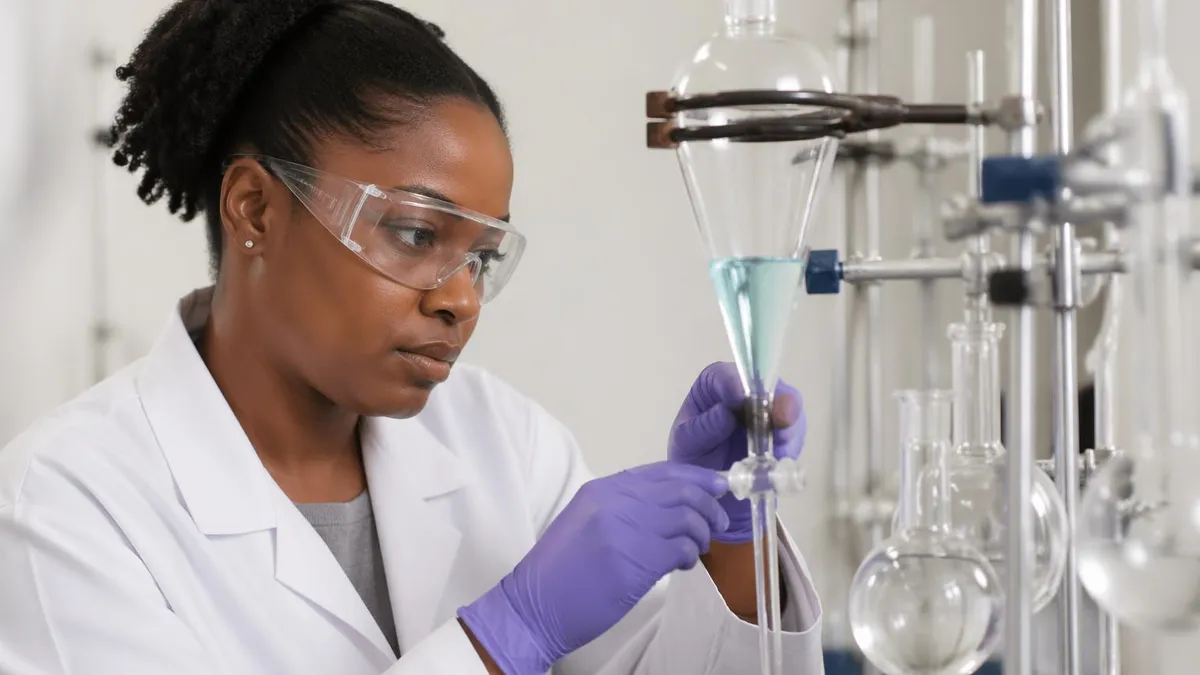
ACS Exam 2026: American Chemical Society Chemistry Exam Guide

ACS Final Exam: Complete Study Guide & Practice Test Prep for 2026
About the Author

Educational Psychologist & Academic Test Preparation Expert
Columbia University Teachers CollegeDr. Lisa Patel holds a Doctorate in Education from Columbia University Teachers College and has spent 17 years researching standardized test design and academic assessment. She has developed preparation programs for SAT, ACT, GRE, LSAT, UCAT, and numerous professional licensing exams, helping students of all backgrounds achieve their target scores.
Join the Discussion
Connect with other students preparing for this exam. Share tips, ask questions, and get advice from people who have been there.
View discussion (8 replies)