
A Comprehensive Overview for Aspiring Treecare Safety Professionals 2026
Get ready for your A Comprehensive Overview for Aspiring certification. Practice questions with step-by-step answer explanations and instant scoring.
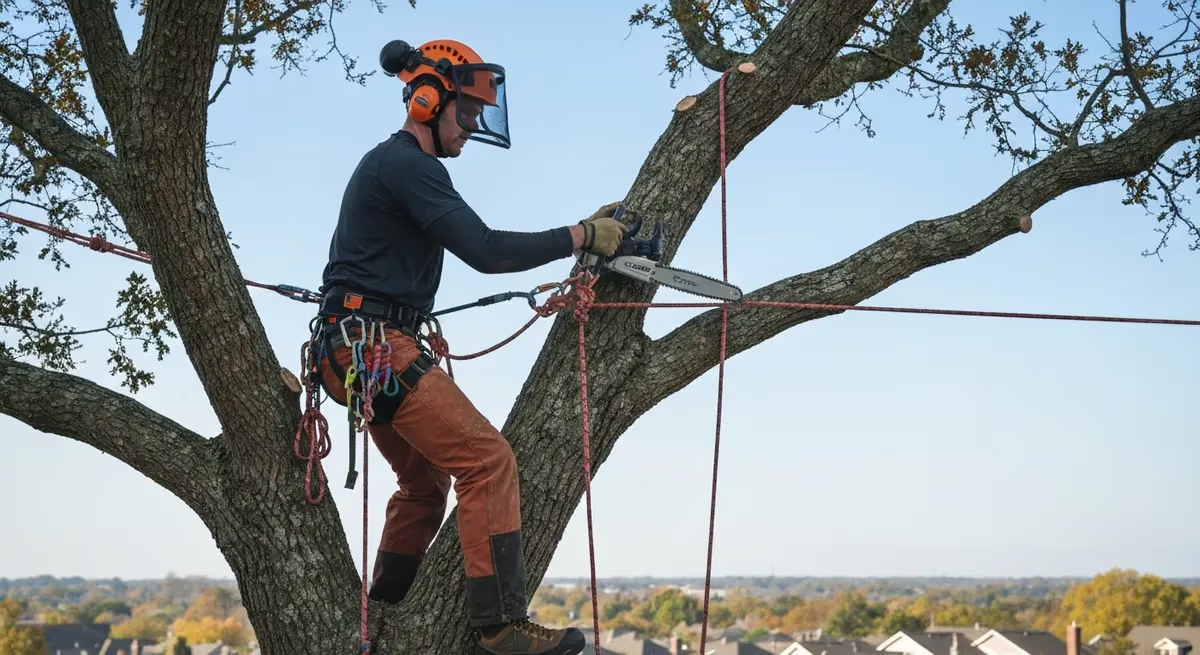
The Certified Treecare Safety Professional (CTSP) certification, issued by the Tree Care Industry Association (TCIA), is designed to promote safety within the tree care industry. This certification is meant for professionals who have the knowledge, skills, and commitment to ensure that tree care work is performed safely and efficiently. The CTSP credential demonstrates your ability to lead, train, and assess safety practices in the field of tree care. Practice with the free CTSP - Certified Treecare Safety Professional practice test on PracticeTestGeeks (11 questions with answer explanations).
The certification focuses on various safety standards, regulations, and industry best practices, ensuring that professionals are equipped to handle the dangers associated with tree care operations. It is a key indicator of your readiness to manage safety within your organization or job site, making it a highly sought-after qualification.
- CTSP candidates have five days to complete the exam, starting the day after their workshop. (Tree Care Industry Association (TCIA), CTSP Council / TCIA Department of Certification)
- Enrolling in TCIA's Certified Treecare Safety Professional (CTSP) program costs $648 for TCIA members and $874 for non-members. The fee covers enrollment, the study guide, the workshop and the exam. (Tree Care Industry Association (TCIA), CTSP Council / TCIA Department of Certification)
- Each retake of the CTSP exam costs $60. (Tree Care Industry Association (TCIA), CTSP Council / TCIA Department of Certification)
- A candidate who fails the CTSP exam may retake it up to two times within 12 months of their program enrollment date. (Tree Care Industry Association (TCIA), CTSP Council / TCIA Department of Certification)
- The CTSP certification is valid for three years. (Tree Care Industry Association (TCIA), CTSP Council / TCIA Department of Certification)
- To renew the CTSP, holders must earn 30 CEUs in each three-year period and pay a renewal fee of $153 (TCIA members) or $305 (non-members). (Tree Care Industry Association (TCIA), CTSP Council / TCIA Department of Certification)
- After a virtual workshop on Adobe Connect, CTSP candidates take an online proctored exam on the ProctorFree platform. (Tree Care Industry Association (TCIA), CTSP Council / TCIA Department of Certification)
- CTSP eligibility requires at least one of three routes. One is three years of tree care field experience that includes at least one year of safety responsibility; the others are a mix of arboriculture and safety-industry experience, or a related degree with a field internship. (Tree Care Industry Association (TCIA), CTSP Council / TCIA Department of Certification)
- CTSP exam results are not released until the candidate has fully completed the online CTSP Core Competencies Study Guide course and received an Award of Completion. (Tree Care Industry Association (TCIA), CTSP Council / TCIA Department of Certification)
Facts verified Oct 22, 2026 against Tree Care Industry Association (TCIA), CTSP Council / TCIA Department of Certification. Dates that have passed are removed automatically.
CTSP Exam at a Glance
Facts verified Oct 22, 2026 against Tree Care Industry Association (TCIA), CTSP Council / TCIA Department of Certification. Dates that have passed are removed automatically.
Free CTSP - Certified Treecare Safety Professional Study Tools
Interactive CTSP - Certified Treecare Safety Professional resources on PracticeTestGeeks, free to start:
- Free CTSP OSHA Questions and Answers — 11 questions with instant scoring and answer explanations
- CTSP - Certified Treecare Safety Professional flashcards — review key terms and concepts card by card
- CTSP - Certified Treecare Safety Professional study guide — topic-by-topic overview of what the exam covers
- CTSP - Certified Treecare Safety Professional cheat sheet — one-page printable summary for last-minute review
What Is the CTSP Test?
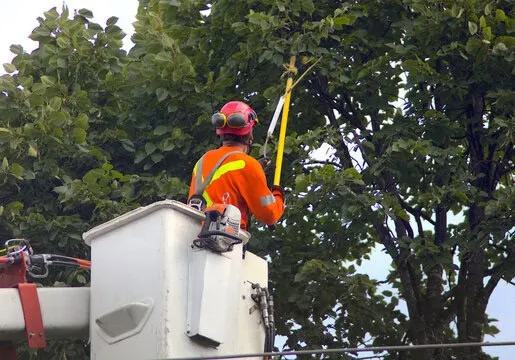
The CTSP test evaluates your knowledge of safety practices specific to the tree care industry. It covers several core areas, including equipment handling, personal protective equipment (PPE), tree risk assessment, and emergency response procedures. As a tree care professional, you will be responsible for ensuring safety at work sites, managing risks associated with various tree care tasks, and complying with OSHA regulations and industry standards.
Taking the CTSP test is an essential step toward advancing in your career as it demonstrates your commitment to safety and professionalism. Whether you're looking to work in tree trimming, removal, or other arboricultural activities, this certification helps ensure that you have the expertise needed to perform these tasks safely and efficiently.
Key Areas Covered in the CTSP Test
To prepare effectively for the CTSP test, it's important to understand the key areas that the exam covers:
Safety Standards and Regulations
The CTSP test evaluates your understanding of safety standards, including OSHA guidelines, and the best practices for managing tree care operations safely. This includes knowledge of regulatory bodies and how their regulations apply to different tree care tasks.Personal Protective Equipment (PPE)
PPE is a critical aspect of tree care safety. The test will cover the types of equipment you need to wear, such as helmets, gloves, eye protection, hearing protection, and chainsaw chaps. Knowing when and how to use each type of PPE correctly is essential for your safety and the safety of your team.
Risk Assessment and Hazard Recognition
A significant portion of the CTSP test is focused on hazard recognition. The ability to identify potential risks at work sites, evaluate them, and take the necessary precautions is a vital skill for any tree care professional. You'll need to demonstrate your understanding of various risk assessment methods and how to mitigate hazards before they turn into dangerous situations.
Worksite Safety and Emergency Response
Understanding emergency protocols and being prepared for potential incidents, such as accidents or falling branches, is critical. The CTSP test will assess your knowledge of emergency response procedures and how to manage hazardous situations effectively, ensuring the safety of all workers on the job site.
Equipment and Tools Safety
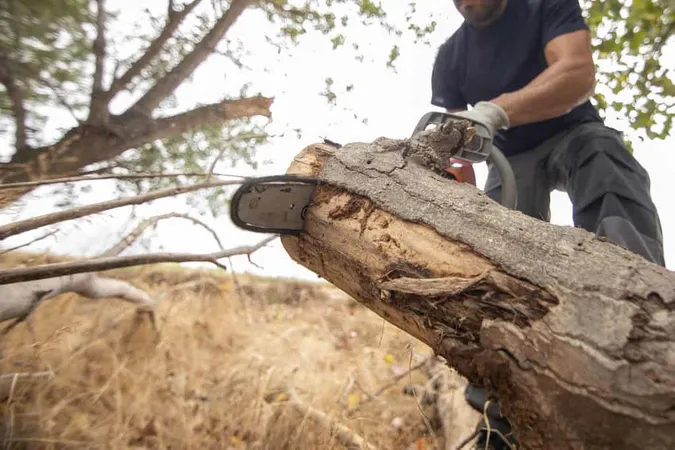
The safe operation of tools such as chainsaws, ropes, and climbing equipment is integral to any tree care operation. The CTSP test will test your knowledge of proper equipment maintenance, inspection procedures, and safe handling practices.
Maritime professionals who hold GMDSS credentials and seek to advance their careers often prepare for the AFOQT Practice Test 2026 to explore aviation and military officer pathways that value their technical communications background.
Cosmetology students who want to reinforce their understanding of health and safety regulations alongside their exam prep often review the First Aid Practice Test 2026, which covers emergency response, sanitation, and basic healthcare protocols required in licensed salon environments.
BOSR candidates often also prepare with our Boating Safety practice test for the watercraft operation and safety regulations both maritime certifications share.
HACCP candidates often also prepare with our Food Safety Manager practice test for the food safety protocols and hazard control skills both certifications require.
How to Prepare for the CTSP Test
Preparation is key to passing the CTSP test with confidence. Here are some strategies to help you succeed:
Study the Official CTSP Handbook
The Tree Care Industry Association provides a CTSP handbook that outlines all the essential topics covered in the test. Studying this material is one of the most effective ways to familiarize yourself with the exam content. The handbook also offers valuable tips and recommendations for maintaining safety on the job.Take a CTSP Practice Test
Practicing with a CTSP practice test is an excellent way to gauge your knowledge and identify areas where you need improvement. A practice test helps familiarize you with the exam format, giving you a better understanding of the types of questions you’ll encounter. You can find practice tests and resources online to help with your preparation. For more information, check out the CTSP practice test.
Attend Training and Workshops
Attending CTSP training workshops or webinars can be a valuable resource to reinforce your understanding of safety protocols. These sessions are often conducted by industry professionals who provide insights based on their real-world experiences.
Join Study Groups
Study groups offer a great way to collaborate with others who are preparing for the CTSP test. Joining a group can help you learn new concepts and reinforce your knowledge through discussions and shared resources.
Benefits of Becoming a CTSP
Obtaining your CTSP certification provides several advantages that can boost your career in tree care:
Improved Safety Practices
As a CTSP, you will have the expertise to implement and enforce industry-standard safety practices. This not only helps protect you but also ensures the well-being of your coworkers.Career Advancement
Having the CTSP certification on your resume can help you stand out to employers. Many companies prioritize hiring professionals who have received formal safety training, especially in a field that involves significant physical risk.Increased Earning Potential
Professionals with certifications such as CTSP often earn higher salaries compared to their non-certified counterparts. The added expertise and specialized skills can make you more competitive in the job market.Industry Recognition
The CTSP certification is widely recognized in the tree care industry. As a certified professional, you will gain respect and recognition from peers, employers, and clients for your dedication to safety and professionalism.
Additional Resources for CTSP Preparation
CATS Test – Another useful resource for understanding test structures and improving your general exam-taking strategies.
Workshops and Seminars: Attend any workshops or seminars offered by certified organizations or tree care schools. These sessions can provide in-depth training and insights directly from industry experts.
Books and Guides: There are several books available that focus on tree care safety and regulations. Consider purchasing guides from reputable sources to help solidify your understanding of the material.
Why Should You Get CTSP Certified?
Earning your CTSP certification offers several professional benefits:
Increased Job Opportunities: The certification can help you stand out in the competitive tree care industry.
Improved Safety Practices: Becoming certified demonstrates your commitment to safety and reduces the likelihood of accidents.
Better Earning Potential: With additional qualifications, you may be able to negotiate higher pay rates.
Recognition in the Industry: The CTSP certification is highly regarded within the arboriculture field and signifies your expertise.
Additionally, certified professionals often find that they are better equipped to handle complex projects and challenges in the field.
- +Validates your knowledge and skills objectively
- +Increases job market competitiveness
- +Provides structured learning goals
- +Networking opportunities with other certified professionals
- −Study materials can be expensive
- −Exam anxiety can affect performance
- −Requires dedicated preparation time
- −Retake fees apply if you don't pass
Pros and Cons at a Glance
| Pros | Cons |
|---|---|
| Validates your knowledge and skills objectively | Study materials can be expensive |
| Increases job market competitiveness | Exam anxiety can affect performance |
| Provides structured learning goals | Requires dedicated preparation time |
| Networking opportunities with other certified professionals | Retake fees apply if you don't pass |
Sample Blog Practice Questions
Try these questions from our free Blog practice tests. The correct answer and an explanation follow each question.
Which element is most effective for hooking readers in a blog post introduction?
- A. Opening with a dictionary definition of the main topic
- B. Listing every subtopic the post will cover in bullet points
- C. Starting with a compelling question, anecdote, or surprising statistic
- D. Beginning with a lengthy description of the author's credentials
Answer: C. Starting with a compelling question, anecdote, or surprising statistic
A strong hook — such as a question, story, or startling fact — captures the reader's attention and motivates them to keep reading.
What is a 'call to action' (CTA) in a blog post?
- A. A headline that tells readers what the post is about
- B. A prompt that encourages readers to take a specific next step
- C. The introductory paragraph of a blog post
- D. A technique for writing more engaging subheadings
Answer: B. A prompt that encourages readers to take a specific next step
A CTA guides readers to take a desired action — such as subscribing, leaving a comment, or making a purchase — after consuming the content.
What is 'pillar content' in content marketing and blogging?
- A. Content published on the home page of a blog
- B. Short, frequent posts written about trending topics
- C. A comprehensive, authoritative resource covering a broad topic in depth
- D. Guest posts contributed by outside industry experts
Answer: C. A comprehensive, authoritative resource covering a broad topic in depth
Pillar content is a long, in-depth resource on a broad subject that serves as the hub linking to related 'cluster' articles across the blog.
What is the purpose of internal linking within a blog?
- A. To redirect readers away to competitor websites for comparison
- B. To connect related posts and help readers and search engines navigate the site
- C. To fully replace the need for a site navigation menu
- D. To inflate page view numbers in analytics dashboards
Answer: B. To connect related posts and help readers and search engines navigate the site
Internal links guide readers to related content, increase time-on-site, and help search engines understand the topical structure and relationships between pages.

Conclusion
Earning the CTSP certification is a significant achievement that can enhance your career in the tree care industry. By following a structured study plan, using practice tests, and focusing on safety and regulatory compliance, you'll be well on your way to success. Start your preparation today with the valuable resources available, and take the first step towards a safer, more rewarding career.
How this page was made: written with AI tools and published by Nathan Beja, founder of Practice Test Geeks, who is responsible for its content. Exam facts are checked against the official sources listed below. Not reviewed by a subject-matter expert. Editorial policy
Sources & references
Exam facts on this page (fees, format, dates, passing scores) are checked against these official sources; the date is our last check. Editorial policy
- treecareindustryassociation.org — Renewal, score validity, test delivery, eligibility, fees, retake fee, retake policy, score release, time limit · verified Oct 2026