
A Comprehensive Guide to the IHS Test: Everything You Need to Know 2026
Get ready for your A Comprehensive Guide to the IHS certification. 🏆 Practice questions with step-by-step answer explanations and instant scoring.
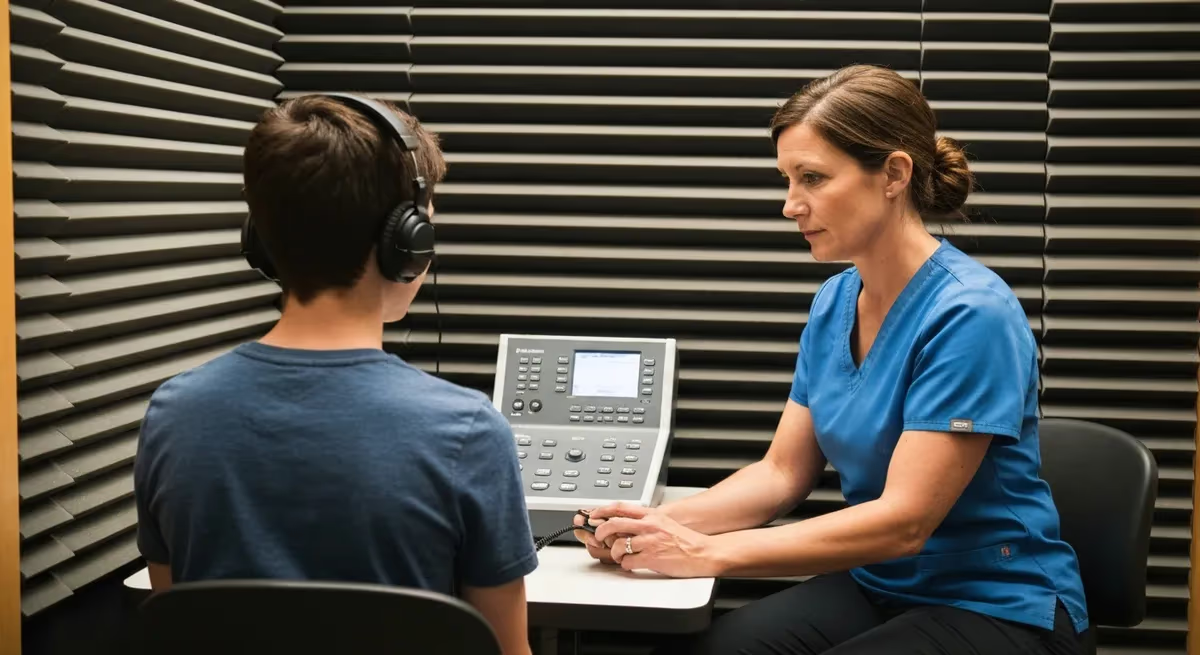
The International Hearing Society (IHS) Test is a key certification exam for individuals pursuing a career as a Hearing Instrument Specialist. This test ensures that professionals are equipped with the necessary skills and knowledge to help individuals with hearing loss by fitting, maintaining, and troubleshooting hearing devices. If you're considering becoming a certified hearing specialist, taking and passing the IHS exam is essential for success in this rewarding field. In this guide, we will break down everything you need to know about the IHS Test, including its content, preparation tips, and helpful resources. Practice with the free Blog practice test on PracticeTestGeeks (14 questions with answer explanations).
Free Blog Study Tools
Interactive Blog resources on PracticeTestGeeks, free to start:
- Blog practice test — 14 questions with instant scoring and answer explanations
- Blog flashcards — review key terms and concepts card by card
- Blog study guide — topic-by-topic overview of what the exam covers
- Blog cheat sheet — one-page printable summary for last-minute review

What is the IHS Test?
The IHS Test is designed to assess the competencies required for hearing instrument specialists. It is part of the certification process provided by the International Hearing Society, which is dedicated to promoting the professional development of hearing aid specialists. The exam covers a range of topics that reflect the core competencies required to work in the hearing aid industry, including knowledge of hearing anatomy, audiology, hearing aid technology, troubleshooting, and client communication.
The Blog exam uses a multiple-choice format with questions covering all major domains. Most versions allow 2-3 hours for completion.
Questions test both knowledge recall and application skills. A score of 70-75% is typically required to pass.
Key Topics Covered in the IHS Test
The IHS Test consists of several sections that evaluate the specialist's knowledge and proficiency in various areas. These include:
Hearing Anatomy and Audiology
This section tests your understanding of the human auditory system, including how sound is processed and the different types of hearing loss. It's crucial to have a deep knowledge of hearing anatomy to be effective in diagnosing and treating hearing impairments.Hearing Aid Technology
You'll need to demonstrate your knowledge of hearing aid components, types of devices, and their functions. This part of the test also evaluates your ability to stay current with technological advancements in hearing aid devices.
Fitting and Calibration
Fitting hearing aids requires an understanding of the client's specific needs and adjustments to ensure optimal performance. This section covers the methods of selecting and fitting hearing aids to clients based on their hearing profile.
Troubleshooting and Repair
Knowing how to troubleshoot and repair hearing devices is essential for any hearing specialist. The test assesses your ability to diagnose issues with hearing aids and provide effective solutions.
Client Communication
Effective communication with clients is a key aspect of being a successful hearing instrument specialist. This section evaluates your ability to educate clients on their hearing loss, hearing aids, and proper usage.
Preparing for the IHS Test
Preparation for the IHS Test requires a structured approach to study and practice. Here are a few tips to help you succeed:
Review the Test Outline
Familiarize yourself with the content areas covered on the test. This will give you a clear idea of what to expect and where to focus your study efforts.Take Practice Exams
One of the best ways to prepare is by taking practice tests. Practice exams help you become familiar with the question format and the types of topics you’ll encounter on the actual test.
For a comprehensive set of IHS exam questions, check out IHS exam questions to get started with practice tests and improve your chances of success.
Study the Core Concepts
Focus your study sessions on understanding the core concepts rather than just memorizing facts. Being able to apply the knowledge in practical scenarios will help you excel on the test.
Use Study Guides
Many professional organizations, including the International Hearing Society, offer study guides and materials that can help you prepare for the exam. These guides often include sample questions, practice tests, and other useful resources.
Join Study Groups
Studying with peers can help you gain a deeper understanding of complex topics and clarify any areas of confusion. Join a study group or online forum for support and guidance.

Why Is the IHS Test Important?
The IHS Test serves as a certification that validates your skills and knowledge in the field of hearing aid technology and services. Passing this exam is important for several reasons:
Professional Credibility
Certification demonstrates your competence and expertise in the field, earning the trust of clients and employers alike.Career Advancement
IHS certification can open doors to higher-paying job opportunities and professional growth within the hearing aid industry.Client Confidence
Certification provides clients with confidence that they are receiving care from a qualified professional who has met industry standards.
Additional Resources for IHS Test Preparation
Aside from the IHS exam questions mentioned earlier, there are several other resources you can use to prepare effectively:
Hearing Instrument Specialist Certification
For a deeper understanding of the certification process, check out the Hearing Instrument Specialist Certification page, which provides information on the requirements and benefits of obtaining certification in this field.Hearing Aids
To enhance your understanding of hearing aid devices, the Hearing Aid page offers in-depth information on the different types of hearing aids, how they work, and how to fit them properly for clients.
- +Validates your knowledge and skills objectively
- +Increases job market competitiveness
- +Provides structured learning goals
- +Networking opportunities with other certified professionals
- −Study materials can be expensive
- −Exam anxiety can affect performance
- −Requires dedicated preparation time
- −Retake fees apply if you don't pass
Pros and Cons at a Glance
| Pros | Cons |
|---|---|
| Validates your knowledge and skills objectively | Study materials can be expensive |
| Increases job market competitiveness | Exam anxiety can affect performance |
| Provides structured learning goals | Requires dedicated preparation time |
| Networking opportunities with other certified professionals | Retake fees apply if you don't pass |
Sample Blog Practice Questions
Try these questions from our free Blog practice tests. The correct answer and an explanation follow each question.
What is the 'skyscraper technique' in content marketing?
- A. Writing blog posts with extremely long, descriptive titles
- B. Embedding tall infographic images into blog content
- C. Finding high-performing content and creating a significantly better, more comprehensive version
- D. Scheduling blog posts to go live at peak traffic hours
Answer: C. Finding high-performing content and creating a significantly better, more comprehensive version
The skyscraper technique, coined by SEO expert Brian Dean, involves identifying top-ranking content and producing a superior version to attract more backlinks and traffic.
Which practice is most effective for creating click-worthy blog post titles?
- A. Writing titles in all capital letters for emphasis
- B. Making titles as long as possible to include every keyword
- C. Using numbers, power words, or posing a direct question
- D. Keeping titles vague and generic to appeal to a broader audience
Answer: C. Using numbers, power words, or posing a direct question
Titles featuring numbers, emotionally compelling words, or direct questions consistently generate higher click-through rates than vague or generic alternatives.
What is the purpose of internal linking within a blog?
- A. To redirect readers away to competitor websites for comparison
- B. To connect related posts and help readers and search engines navigate the site
- C. To fully replace the need for a site navigation menu
- D. To inflate page view numbers in analytics dashboards
Answer: B. To connect related posts and help readers and search engines navigate the site
Internal links guide readers to related content, increase time-on-site, and help search engines understand the topical structure and relationships between pages.
Which writing style is generally most effective for blog content?
- A. Formal academic language with complex, discipline-specific vocabulary
- B. Passive voice used consistently throughout the post
- C. Conversational, clear language written in the second person (addressing 'you')
- D. Third-person narrative that avoids any direct address to the reader
Answer: C. Conversational, clear language written in the second person (addressing 'you')
Conversational, second-person writing creates a personal connection with the reader and is easier to understand than formal or passive styles.
Take the full Blog practice test

Conclusion
The IHS Test is an essential step in becoming a certified hearing instrument specialist. By understanding the test content, preparing with practice exams, and using available resources, you can increase your chances of success. Whether you're just starting your career or looking to further your education, passing the IHS Test is an important milestone in your journey toward helping individuals improve their hearing and quality of life.
How this page was made: written with AI tools. We have not yet matched this exam's facts to an official source, so confirm fees, dates and rules with the exam body. Not reviewed by a subject-matter expert. Editorial policy