
Bangladesh SSC Result: Complete Guide to Checking, Understanding, and Acting on Your Scores
Bangladesh SSC result explained — how to check scores, understand grade sheets, and plan your next steps. 🎓 Full guide for students and parents.
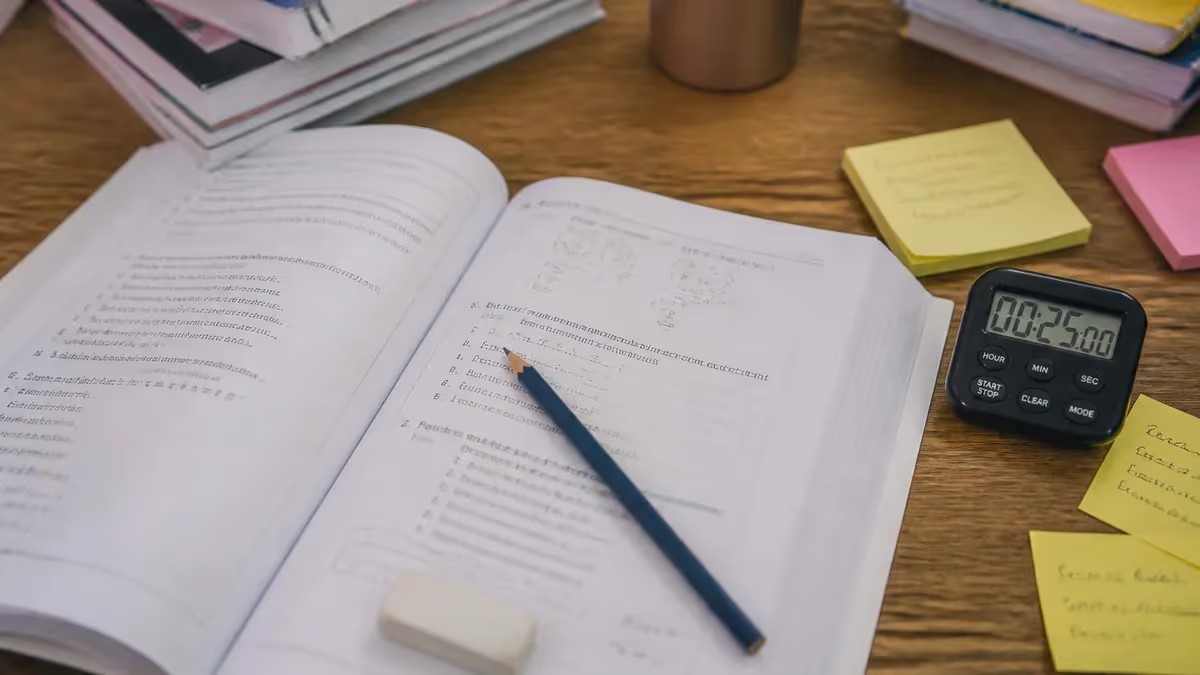
The Bangladesh SSC result is one of the most anticipated academic announcements in the country, affecting millions of students who appear for the Secondary School Certificate examination each year. This public exam, administered by the Bangladesh Education Boards, serves as a critical gateway between secondary education and higher secondary study. For families across Bangladesh — and for the Bangladeshi-American community in the United States that tracks these results closely — understanding how the Bangladesh SSC result system works, what the scores mean, and how to interpret the grade sheet is essential knowledge that shapes educational planning and future opportunity.
The SSC examination is conducted under multiple education boards, including Dhaka, Chittagong, Rajshahi, Comilla, Sylhet, Barisal, Jessore, Dinajpur, and Mymensingh. Each board administers the exam independently but follows a unified grading and result publication framework established by the Ministry of Education in Bangladesh. Results are typically announced two to three months after the examination concludes, and the announcement date is set by the government. Students, parents, and school administrators all wait for this date with considerable anticipation, as the results determine college admission eligibility and scholarship opportunities.
For those in the United States following the Bangladesh SSC result on behalf of relatives or planning to evaluate credentials for immigration or admission purposes, the grading scale and GPA system used in Bangladesh differ from the American 4.0 scale.
Bangladesh uses a five-point GPA system with letter grades ranging from A+ (the highest) to F (fail). An A+ corresponds to a GPA of 5.00, an A to 4.00, an A- to 3.50, B to 3.00, C to 2.00, and D to 1.00. Understanding these distinctions is crucial for credential evaluation, foreign university applications, and understanding what a student's result actually means in a global academic context.
The result-checking process has evolved significantly in recent years. While students once had to visit their schools or local education offices to obtain results, today the Bangladesh government provides multiple digital channels including the official education board websites, SMS services, and mobile apps.
However, the process can be confusing for first-time users or for family members checking results from abroad. This guide walks through each method in detail, explains what to look for on the grade sheet, and helps you understand what to do after you receive the result — whether it is a passing score that opens the door to college admission or a situation that requires re-examination planning.
The SSC examination covers subjects across science, humanities, and business studies streams. Each student is examined on both compulsory and elective subjects, and the final GPA is calculated as a weighted average across all subjects. Failing even a single subject means a student does not pass the examination overall, though provisions exist for compartmental or supplementary examinations in certain cases. Understanding this structure helps families interpret a grade sheet that may show strong performance in some subjects alongside a weaker score in others, and it helps students plan targeted improvement strategies.
For the growing Bangladeshi diaspora community in cities like New York, New Jersey, Michigan, and California, the Bangladesh SSC result carries real emotional and logistical weight. Parents who emigrated to the United States often have children or younger siblings back home taking this exam.
The result affects decisions about whether to sponsor a student's travel to the US for higher education, whether to enroll them in a local college in Bangladesh, or how to structure long-term educational investment. This guide is written with that audience in mind — people who need accurate, practical, and clearly explained information about a major educational milestone happening thousands of miles away.
Whether you are a student preparing to check your own result, a parent monitoring your child's academic progress from overseas, or an educator helping to counsel students on next steps, this comprehensive resource covers everything you need to know about the bangladesh ssc results system, from the moment results are announced to the actions you should take in the days that follow.
Bangladesh SSC Result by the Numbers

Bangladesh SSC Exam: Board Structure and Subject Streams
Nine general education boards — including Dhaka, Chittagong, Rajshahi, Sylhet, and others — each administer SSC exams within their geographic region. All follow the same national curriculum and grading framework set by the Ministry of Education.
The Bangladesh Madrasah Education Board administers the Dakhil examination, which is the equivalent of the SSC for students enrolled in religious-track secondary schools. Results are published alongside general board results using the same GPA scale.
The Bangladesh Technical Education Board oversees SSC (Vocational) examinations for students in technical and vocational secondary programs. These results open pathways to diploma-level polytechnic institutes and technical colleges.
SSC students choose from Science, Humanities (Arts), or Business Studies streams. Each stream has its own compulsory and elective subjects, and stream choice affects which colleges and departments a student can apply to after results are published.
Bangladesh uses a five-point GPA system. The final GPA is a weighted average across all subjects, including optional subjects that can improve the overall score. A minimum GPA of 2.00 in all subjects is required to pass the examination.
Checking the Bangladesh SSC result has become significantly easier in the digital era, but the process still requires knowing which tools to use and how to navigate them correctly — especially if you are accessing the result from outside Bangladesh. The primary official channel is the Bangladesh Education Board's centralized results portal at educationboardresults.gov.bd. On this website, students and parents can enter the examination year, board name, roll number, and registration number to retrieve the full grade sheet, including subject-wise marks and the overall GPA. The portal typically goes live within hours of the official result announcement.
To use the official website correctly, you will need your examination roll number and registration number, both of which are printed on your admit card issued before the examination. If you do not have the admit card, your school or examination center should be able to provide these numbers.
Roll numbers are typically five to six digits long and are unique to each candidate within their board. The registration number is a longer identifier linked to your enrollment in the education system. Having both ready before the result announcement day will save considerable time and stress when the site becomes available.
The website often experiences extremely heavy traffic on result announcement day, leading to slow load times or temporary outages. This is a well-known challenge that affects millions of users simultaneously. Experienced families recommend checking the result during off-peak hours — either very early in the morning (Bangladesh Standard Time) or late at night — when server traffic is lower.
Alternatively, the SMS method provides a faster and more reliable result even when the website is overloaded. To use SMS, send a message in the format SSC followed by a space, then the board abbreviation (e.g., DHA for Dhaka), roll number, and examination year to 16222. The result is returned as a text message within minutes.
Mobile apps are another convenient option. The Bangladesh government and several third-party developers have released apps that aggregate education board results. These apps are available on both Android and iOS platforms and often cache results more efficiently than the main website during peak traffic periods. However, always verify that the app you use is officially endorsed by the education board or is from a highly rated, well-reviewed developer, as some unofficial apps have in the past displayed incorrect or delayed information.
For families in the United States, the time zone difference is an important consideration. Bangladesh Standard Time (BST) is ten to eleven hours ahead of Eastern Standard Time. Results are typically announced in Bangladesh between 10:00 AM and 1:00 PM BST, which translates to roughly midnight to 3:00 AM EST the night before. Many Bangladeshi-American families stay up specifically to check results at this hour, or set alarms to catch the announcement. Setting up the SMS method in advance is particularly useful for this use case, as it works immediately without waiting for a website to load.
Once you have retrieved the result, you will see a detailed breakdown of performance across each subject. The grade sheet shows the letter grade and GPA equivalent for each subject, along with the total GPA. It also indicates whether the student has passed overall, passed with distinction (for high GPA performers), or failed in any subject.
If a student has failed a single subject, the grade sheet will clearly mark that subject with an F and indicate that the student is eligible for the supplementary examination. Understanding each line of this grade sheet is critical for planning next steps, and the following sections of this guide explain how to read and interpret every component.
School administrators and counselors in Bangladesh typically hold result review sessions after the announcement, where students can come in to discuss their grades and get guidance on next steps. For students in rural areas or whose families are abroad, these sessions may not be accessible, making resources like this guide especially valuable. Thorough preparation — knowing in advance where to check, what information you need, and what the results mean — ensures that no time is lost in the critical days immediately after the Bangladesh SSC result is published.
Understanding the Bangladesh SSC Grading System
Bangladesh's SSC examination uses a five-point GPA scale. An A+ grade earns a GPA of 5.00 and requires scoring 80 percent or above in a subject. A grade earns a 4.00 GPA for scores between 70 and 79 percent, while A- earns 3.50 for scores between 60 and 69 percent. A B grade (3.00 GPA) covers 50 to 59 percent, C (2.00 GPA) covers 40 to 49 percent, D (1.00 GPA) covers 33 to 39 percent, and F means the student scored below 33 percent and has failed the subject.
The overall GPA is a weighted average calculated across all compulsory and elective subjects. Optional subjects like higher mathematics or agriculture can positively influence the final GPA, but they are not counted if they lower the average. This means students who take optional subjects strategically — choosing ones they are strong in — can boost their total GPA and improve their standing for college admission, where cutoff GPAs are often very competitive, especially for science programs at top colleges in Dhaka.

Bangladesh SSC Result System: Strengths and Limitations
- +Digital result access via website, SMS, and mobile apps makes checking convenient from anywhere in the world, including the United States
- +Unified grading framework across all nine education boards ensures consistency and comparability of results nationwide
- +Detailed subject-wise grade sheets provide transparency and help students identify specific academic strengths and weaknesses
- +Supplementary examination provisions give students a second chance without waiting a full year to retake the entire exam
- +The centralized college admission system directly tied to GPA results streamlines the transition from secondary to higher secondary education
- +Results are typically published within 60 to 90 days of the exam, providing a relatively quick turnaround compared to many South Asian educational systems
- −Official result website frequently crashes or slows significantly on announcement day due to millions of simultaneous users accessing the server
- −Roll number and registration number are required to check results — students who lose their admit cards face difficulty retrieving these credentials
- −The five-point GPA system can be confusing for credential evaluators and foreign universities unfamiliar with Bangladesh's grading conventions
- −A single subject failure results in an overall exam failure, which can feel disproportionately punishing for students strong in most areas
- −Supplementary examination options are limited and not available for all subjects or all failure scenarios, leaving some students with no near-term alternative
- −Rural students and those without reliable internet access face significant disadvantages in accessing digital results and online college admission portals
Bangladesh SSC Result Day: What to Do Step by Step
- ✓Locate your admit card before result day to have your roll number and registration number ready for online and SMS checking.
- ✓Note the official result announcement time in your local time zone — BST is 10–11 hours ahead of US Eastern Time.
- ✓Bookmark the official result portal at educationboardresults.gov.bd and save the SMS format (SSC [Board] [Roll] [Year] to 16222).
- ✓Try the SMS method first on announcement day to avoid website traffic congestion and get your result faster.
- ✓Screenshot or print your full grade sheet immediately after retrieving it for your records and future reference.
- ✓Review each subject's grade individually — confirm no subject received an F grade even if your overall GPA looks strong.
- ✓If you passed, begin researching HSC college admission deadlines and required documents within 24 hours of receiving results.
- ✓If you failed one or two subjects, immediately inquire at your school about supplementary examination eligibility and registration dates.
- ✓Contact your school counselor or class teacher to discuss results, especially if scores are significantly different from expectations.
- ✓Keep digital and physical copies of your grade sheet safe — you will need them for college admission applications and official document submissions.
Credential Evaluation for US Purposes
If you need to have a Bangladesh SSC result evaluated for US university admission, immigration purposes, or credential verification, use a NACES-member credential evaluation service. These services translate GPA scales and coursework into US equivalents. Always request an official transcript from the education board in addition to your grade sheet printout, as evaluators require original documentation.
Once the Bangladesh SSC result is in hand, the immediate priority for passing students is securing a seat in an HSC college. The Higher Secondary Certificate program is a two-year curriculum that precedes university admission, and the quality of the college a student attends significantly affects their HSC performance and subsequent university options. The centralized college admission process in Bangladesh is conducted online through a government-managed portal, and students must apply within a specific window that typically opens within two to three weeks of the SSC result announcement. Missing this window can mean waiting until the next academic year.
Students with very high GPAs — particularly those achieving 5.00 in the science stream — are in a strong position to apply to the most competitive colleges in major cities. However, admission competition is intense, and even a GPA of 4.80 may not guarantee a seat at a first-choice institution in Dhaka. Strategic college selection is important: students should apply to a range of institutions spanning their most competitive options, realistic mid-tier choices, and backup schools. The portal typically allows students to list preferences in order, and placement is done algorithmically based on GPA and subject combination.
For students in the humanities or business streams, the admission landscape is somewhat less competitive, but selection strategy still matters. Certain colleges are particularly strong in commerce or arts education and offer better faculty, facilities, and extracurricular environments that can meaningfully influence a student's growth during the two years leading to the HSC examination. Parents and students should research individual colleges based on HSC pass rates, faculty qualifications, and college-specific achievements rather than simply defaulting to the most geographically convenient institution.
Financial considerations are also part of the post-result planning process. HSC college tuition in Bangladesh is significantly lower than in the United States, but additional costs — including coaching center fees for HSC preparation, books, lab fees, and accommodation for students studying away from home — can add up quickly. Families should calculate these costs realistically, especially if a student's SSC performance has opened up scholarship opportunities that could offset expenses. Several government and private scholarship programs use SSC GPA as a qualifying criterion, and applications typically open shortly after results are published.
For the Bangladeshi-American community, the SSC result often triggers conversations about whether to bring a student to the United States for higher secondary or undergraduate education rather than continuing in the Bangladesh system. A strong SSC result can support an F-1 student visa application and demonstrate academic competence to US institutions. However, this decision involves complex trade-offs around cost, timeline, cultural adjustment, language proficiency, and long-term career goals that should be carefully weighed with input from immigration attorneys and academic advisors familiar with both systems.
Students who did not achieve the results they hoped for face a different set of planning challenges. The supplementary examination represents the fastest path to resolution for those who failed a small number of subjects. Registration for the supplementary exam typically opens within weeks of the main result, and the examination itself takes place one to three months later.
Intensive coaching during this window can make a significant difference — students who are already familiar with 80 to 90 percent of the content simply need targeted review of the specific topics where they underperformed rather than comprehensive re-study of the entire curriculum.
Regardless of the result, the weeks following result announcement are a critical period for academic decision-making. Acting quickly, gathering accurate information, and consulting with knowledgeable advisors — whether school counselors, experienced family members, or resources like this guide — ensures that students do not lose time or miss opportunities due to confusion or inaction. The Bangladesh SSC result is a milestone, not an endpoint, and how students and families respond to it shapes the trajectory of what comes next.
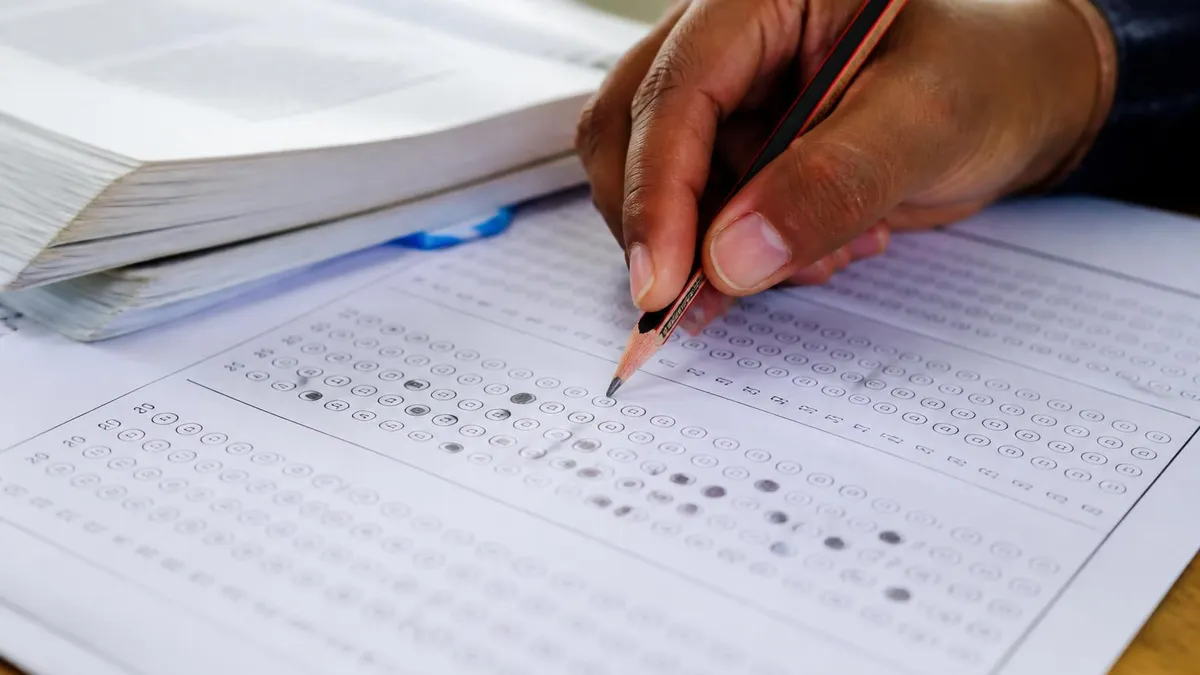
HSC college admission portals in Bangladesh typically open within 2–3 weeks of the SSC result announcement and close within 7–10 days. Missing these deadlines means waiting a full academic year to enroll. Set calendar reminders as soon as the result announcement date is confirmed, and prepare your application documents — including your grade sheet printout, photos, and national ID or birth certificate — well in advance of the portal opening.
Improving academic performance in the SSC context requires understanding what the examination actually measures and where students most commonly lose points. The SSC curriculum covers a broad range of subjects, but the subjects that most heavily influence overall GPA — and that most students find most challenging — tend to be mathematics, science, and English.
These subjects carry significant weight in the final GPA calculation and are often the ones that determine whether a student achieves an A+ or falls into a lower grade band. Targeted practice in these areas, using structured resources and timed mock examinations, is the most effective preparation strategy.
Mathematics is a particular differentiator in the SSC examination. The curriculum includes algebra, geometry, trigonometry, and statistics at the secondary level, and the examination includes both short-answer and structured problem-solving questions. Students who struggle with mathematics often find that their difficulties stem not from inability to understand concepts but from insufficient practice with applying those concepts under time pressure. Regular practice — ideally daily sessions of 45 to 60 minutes working through past paper problems — builds both the procedural fluency and the exam confidence needed to perform well on result day.
English language skills also have a major impact on SSC results. The English paper tests reading comprehension, grammar, composition writing, and vocabulary. For students from rural areas or non-English-medium backgrounds, the gap between classroom English and the level required to achieve an A or A+ can be significant. Consistent reading of English-language materials — including newspapers, short stories, and graded readers — alongside structured grammar practice is the most effective way to build these skills over time. Students preparing for a supplementary examination have a compressed timeline, making intensive daily English practice especially important.
Science stream students face the additional challenge of chemistry, biology, and physics examinations that include both theoretical questions and practical components. Laboratory-based questions and diagram-heavy responses require a different kind of preparation than text-based subjects. Students who have access to school labs should take full advantage of practical sessions, as understanding experimental procedures through direct experience is far more effective than studying from diagrams alone. Where lab access is limited, detailed diagram practice and step-by-step written explanations of experimental procedures can partially compensate.
For the humanities and business streams, subjects like Bangla, history, economics, and business studies require strong reading comprehension and writing skills. These subjects often reward students who can express ideas clearly and support arguments with specific examples from the curriculum. Writing practice — specifically practicing essay-length responses under timed conditions — is the most directly relevant preparation for these paper formats. Students should also pay close attention to the specific question formats used in past SSC papers, as the structure of questions has remained relatively consistent over the years.
Parents play an important role in supporting SSC preparation, even from a distance. Bangladeshi-American parents in the United States can contribute meaningfully by maintaining regular communication with the student's school in Bangladesh, ensuring the student has access to study materials and a consistent study environment, and providing emotional encouragement during what can be a stressful period. Financial support for quality coaching centers or private tutoring — common and effective in Bangladesh's educational culture — is another practical contribution that can significantly improve outcomes.
Finally, it is worth noting that while the Bangladesh SSC result is an important milestone, it is one of several such milestones in a student's academic journey. Students who underperform relative to their potential at SSC have multiple pathways to recover and excel — through the supplementary examination, through strong HSC performance, or through vocational and technical pathways that lead to rewarding careers without necessarily following the traditional academic track.
The most important thing is to have a clear-eyed understanding of where you stand, what options are available, and what the next concrete step is. This guide is designed to help you answer exactly those questions.
Practical preparation advice for students targeting a strong Bangladesh SSC result begins with understanding the examination's structure and timeline deeply enough to build a realistic study plan. Most students benefit from starting organized preparation at least six months before the examination, though those who begin earlier have a meaningful advantage in coverage and retention. The key is not just the amount of time spent studying but the quality and focus of that study — specifically, prioritizing high-weight subjects, practicing past papers under timed conditions, and regularly reviewing weak areas rather than repeatedly reviewing material that is already well understood.
Past papers are among the most valuable preparation resources available. Bangladesh's education boards have administered SSC examinations consistently enough that past paper questions are highly representative of what appears on current examinations. Working through five to ten years of past papers in each subject gives students a clear picture of which topic areas are tested repeatedly, what question formats to expect, and how to pace themselves within the examination time limit. Many coaching centers and online platforms compile these past papers, and they should form the backbone of any serious preparation plan.
Coaching centers are a central feature of SSC preparation culture in Bangladesh, and their role should not be underestimated. High-quality coaching centers provide structured curricula, experienced instructors, and peer learning environments that many students find more motivating than self-study alone. However, coaching center quality varies widely, and families should research centers carefully — looking at instructor qualifications, student pass rates, and curriculum comprehensiveness — before enrolling. For students in rural areas or with limited access to good local coaching, online platforms and video-based learning resources can provide comparable structured learning experiences.
Time management on examination day is a frequently underestimated factor in SSC performance. Many students who know the material well lose marks because they spend too long on difficult questions early in the paper and run out of time for questions they could have answered correctly. Developing a consistent pacing strategy — for example, reserving the first two-thirds of examination time for answering all questions and the final third for review and checking — and practicing that strategy repeatedly in mock examinations is as important as content knowledge in achieving a high score.
Mental and physical preparation also matters more than many students and families acknowledge. The SSC examination period typically spans two to three weeks, with different subjects examined on different days. Maintaining a regular sleep schedule, eating nutritious meals, and taking short daily breaks from intense study are evidence-based strategies for maintaining cognitive performance across a multi-week examination period. Students who sacrifice sleep for late-night cramming typically underperform relative to their actual knowledge level because fatigue impairs recall and clear thinking under exam conditions.
For students with access to digital tools and internet connectivity, online practice resources can supplement traditional preparation significantly. Platforms like PracticeTestGeeks offer structured SSC-aligned practice questions across key subjects including English language comprehension and computer knowledge. These resources allow students to practice at their own pace, receive immediate feedback on their answers, and identify specific knowledge gaps that need additional attention. The combination of past paper practice and digital quiz tools creates a comprehensive and flexible preparation approach that fits modern students' study habits.
Ultimately, the most important mindset for approaching the Bangladesh SSC result — whether preparing in advance or responding to scores that have already come in — is one of agency and forward momentum. The examination is a snapshot of performance at a particular moment, not a permanent verdict on a student's potential or worth. Strong results open doors immediately; weaker results call for strategic responses rather than discouragement. With the right information, the right support, and the right preparation strategy, every student who puts in genuine effort has a meaningful opportunity to achieve the result they are working toward.
SSC Questions and Answers

SSC CGL 2025: Complete Study Guide, Exam Pattern, Eligibility, and Preparation Strategy

SSC CGL Tier 2 2025: Complete Study Guide, Exam Pattern, Applicant Statistics & Preparation Strategy

SSC Exam Date 2025: Complete Schedule, Key Deadlines, and How to Stay Ahead

Age Limit of SSC CGL 2025: Complete Guide to Eligibility, Relaxations, and How to Qualify

SSC Government Jobs 2025: Complete Guide to Exams, Eligibility, Salaries, and Career Paths
About the Author

Educational Psychologist & Academic Test Preparation Expert
Columbia University Teachers CollegeDr. Lisa Patel holds a Doctorate in Education from Columbia University Teachers College and has spent 17 years researching standardized test design and academic assessment. She has developed preparation programs for SAT, ACT, GRE, LSAT, UCAT, and numerous professional licensing exams, helping students of all backgrounds achieve their target scores.