
Certified Sommelier 2026 October
Free Certified Sommelier practice test with exam questions on wine theory, blind tasting, and service. 🔎 Prepare for the CMS Certified Sommelier exam.
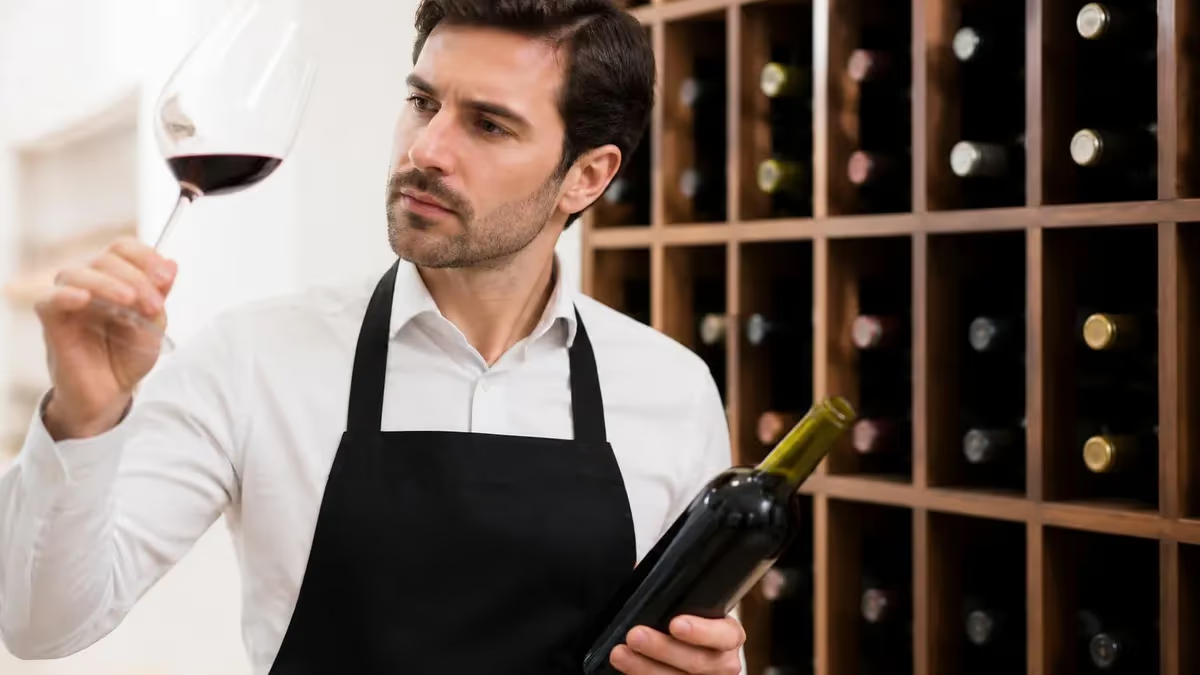
Sommelier Practice Test Questions
Prepare for the Sommelier - Certified Sommelier exam with our free practice test modules. Each quiz covers key topics to help you pass on your first try.
Sommelier Beverage Sales & Management
Sommelier Exam Questions covering Beverage Sales & Management. Master Sommelier Test concepts for certification prep.
Sommelier Deductive Tasting Method
Free Sommelier Practice Test featuring Deductive Tasting Method. Improve your Sommelier Exam score with mock test prep.
Sommelier Service & Hospitality
Sommelier Mock Exam on Service & Hospitality. Sommelier Study Guide questions to pass on your first try.
Sommelier Wine Theory & Knowledge
Sommelier Test Prep for Wine Theory & Knowledge. Practice Sommelier Quiz questions and boost your score.
Sommelier Applied Methods and Techniques
Sommelier Questions and Answers on Applied Methods and Techniques. Free Sommelier practice for exam readiness.
Sommelier Assessment and Evaluation
Sommelier Mock Test covering Assessment and Evaluation. Online Sommelier Test practice with instant feedback.
Sommelier Communication and Documentation
Free Sommelier Quiz on Communication and Documentation. Sommelier Exam prep questions with detailed explanations.
Sommelier Continuing Education Requirements
Sommelier Practice Questions for Continuing Education Requirements. Build confidence for your Sommelier certification exam.
Sommelier Core Concepts and Principles
Sommelier Test Online for Core Concepts and Principles. Free practice with instant results and feedback.
Sommelier Industry Best Practices
Sommelier Study Material on Industry Best Practices. Prepare effectively with real exam-style questions.
Sommelier Flashcards
Click to flip and test your sommelier knowledge
🍷What is terroir?
Terroir refers to the complete natural environment in which a wine is produced, including soil, climate, topography, and local yeast populations that give wine its unique character.
START WINE THEORY TEST🍇Noble grapes?
The six noble grape varieties are Cabernet Sauvignon, Merlot, Pinot Noir (red) and Chardonnay, Sauvignon Blanc, Riesling (white).
PRACTICE SOMMELIER QUIZ🌍Left vs Right Bank?
In Bordeaux, the Left Bank (Medoc, Graves) is dominated by Cabernet Sauvignon, while the Right Bank (Pomerol, Saint-Emilion) features Merlot-based blends.
TRY TASTING METHOD TEST🍾MLF explained?
Malolactic fermentation converts sharp malic acid to softer lactic acid, reducing acidity and adding creaminess. Common in Chardonnay and most red wines.
REVIEW WINE TECHNIQUES🍽️Pairing basics?
Match weight with weight (light wine with light food). Acid cuts fat, tannin pairs with protein, and sweet wines complement salty or spicy dishes.
START SERVICE EXAM
Sample Sommelier - Certified Sommelier Practice Questions
Try these questions from our free Sommelier - Certified Sommelier practice tests. The correct answer and an explanation follow each question.
What is the foundational principle of professional standards and ethics in the Certified Sommelier field?
- A. Maximizing personal advancement
- B. Maintaining competence, integrity, and service to stakeholders
- C. Following the easiest path available
- D. Avoiding all challenging situations
Answer: B. Maintaining competence, integrity, and service to stakeholders
The foundational principles of professional standards and ethics in Certified Sommelier center on maintaining competence, integrity, and quality service.
What is the foundational principle of safety and compliance in the Certified Sommelier field?
- A. Maximizing personal advancement
- B. Maintaining competence, integrity, and service to stakeholders
- C. Following the easiest path available
- D. Avoiding all challenging situations
Answer: B. Maintaining competence, integrity, and service to stakeholders
The foundational principles of safety and compliance in Certified Sommelier center on maintaining competence, integrity, and quality service.
What is the foundational principle of industry best practices in the Certified Sommelier field?
- A. Maximizing personal advancement
- B. Maintaining competence, integrity, and service to stakeholders
- C. Following the easiest path available
- D. Avoiding all challenging situations
Answer: B. Maintaining competence, integrity, and service to stakeholders
The foundational principles of industry best practices in Certified Sommelier center on maintaining competence, integrity, and quality service.
What is the foundational principle of continuing education requirements in the Certified Sommelier field?
- A. Maximizing personal advancement
- B. Maintaining competence, integrity, and service to stakeholders
- C. Following the easiest path available
- D. Avoiding all challenging situations
Answer: B. Maintaining competence, integrity, and service to stakeholders
The foundational principles of continuing education requirements in Certified Sommelier center on maintaining competence, integrity, and quality service.
Sommelier Questions and Answers
Sommelier Exam Day Checklist
- ✓Valid government-issued photo ID
- ✓CMS confirmation email or admission ticket
- ✓Professional attire (dark suit recommended)
- ✓Wine key or waiter corkscrew (for service exam)
- ✓Polishing cloth and service napkin
- ✓Arrive at least 30 minutes before exam time
- ✓Review the CMS Deductive Tasting Method grid
- ✓Avoid wearing strong cologne or perfume (affects tasting)
Certified Sommelier Exam Study Guide
The Certified Sommelier exam is administered by the Court of Master Sommeliers (CMS), the most prestigious sommelier certification body in the world. The exam evaluates candidates across three disciplines: theory, tasting, and service.
The theory section tests your knowledge of wine regions across the globe. You must understand the appellations of France (Bordeaux, Burgundy, Champagne, Rhône, Loire, Alsace), Italy (Piedmont, Tuscany, Veneto), Spain (Rioja, Ribera del Duero, Priorat), Germany (Mosel, Rheingau), and New World producers including the United States, Australia, New Zealand, Argentina, Chile, and South Africa.
Beyond wine, the exam covers spirits and liqueurs (Cognac, Scotch, Bourbon, Tequila, Mezcal), beer styles and brewing processes, sake classifications, and fortified wines (Port, Sherry, Madeira). Understanding viticulture (climate, soil, vine training) and vinification (fermentation, aging, fining, filtration) is essential.
The blind tasting component uses the CMS Deductive Tasting Method. You evaluate wines through sight (color intensity, hue), nose (fruit, earth, oak characteristics), and palate (sweetness, acidity, tannin, body, finish). The goal is to identify the grape variety, country, region, and vintage through structured analysis.
The service practical tests your ability to present and open wine bottles (including sparkling), decant older wines, make food and wine pairing recommendations, handle guest objections, and manage a professional dining room beverage program.
How to Become a Certified Sommelier
To pursue Certified Sommelier status, you must first pass the Introductory Sommelier Certificate exam. Most candidates have 1-3 years of restaurant or wine industry experience before attempting the Certified level.
Recommended preparation includes joining a blind tasting group that meets weekly, studying wine maps and flash cards daily, reading foundational texts like The Wine Bible and the Guild of Sommeliers Study Guide, and taking practice exams. Our free Sommelier practice tests cover all major exam topics.
The CMS holds exams at various locations throughout the year. Registration opens several months in advance and spots fill quickly. Visit the Court of Master Sommeliers website for upcoming exam dates and locations.
About the Author
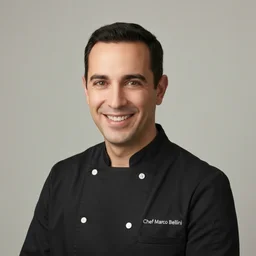
Executive Chef & Culinary Arts Certification Educator
Culinary Institute of AmericaChef Marco Bellini is a Certified Executive Chef and graduate of the Culinary Institute of America with over 20 years of professional kitchen experience in Michelin-recognized restaurants. He teaches culinary arts certification, food safety, and hospitality exam preparation, having guided thousands of culinary students through their ServSafe, ProStart, and professional chef certifications.