
Sheriff Biography: The Personal History, Career Path, and Daily Life of America's Top Local Lawman in 2026 September
🟢 Explore sheriff biographies, including where does sheriff wayne ivey live, deputy sheriff career paths, salaries, and the personal stories behind the

A sheriff biography is more than a list of dates and job titles. It is the story of how an ordinary citizen rises through the ranks of local law enforcement to become the elected chief law officer of an entire county. Readers searching where does sheriff wayne ivey live, or who want to understand the personal background of figures like Sheriff Grady Judd, Sheriff Alex Villanueva, or Sheriff Mark Lamb, are usually trying to understand the human path behind the badge before they consider the same career for themselves.
The role of a sheriff in the United States is older than the country itself, tracing back to English shire-reeves who kept the peace in medieval counties. Today, more than 3,000 elected sheriffs lead departments that range from a handful of staff in rural counties to massive agencies like Los Angeles County with over 18,000 sworn and civilian employees. Almost every modern sheriff started not at the top, but as a deputy sheriff working patrol shifts, traffic stops, and jail rotations.
Studying a sheriff's biography also helps prospective recruits understand how to start their own journey. Most begin as a sheriff deputy, complete a state-certified academy, pass background and polygraph screenings, and serve at least five to ten years on patrol before testing for sergeant. From there, the path to lieutenant, captain, chief deputy, and finally elected sheriff is decades long. Reading biographies makes that timeline feel concrete instead of abstract.
Personal life details, such as where a sheriff lives, what church they attend, what military branch they served in, and how many children they have, matter politically because sheriffs are elected officials. Voters want to know their sheriff is rooted in the community. That is why biographies of high-profile sheriffs like Wayne Ivey of Brevard County, Florida often highlight his decades with the Florida Department of Law Enforcement, his faith, and his family ties to the Space Coast.
Beyond the headlines, a sheriff biography reveals the daily reality of the office. Sheriffs run jails, serve civil papers, provide courtroom security, respond to disasters, and oversee patrol divisions. They are also politicians, fundraisers, and public speakers. Understanding this dual identity, half cop and half elected official, is critical for anyone studying for the deputy exam or considering a long-term career in county law enforcement.
This guide walks through how sheriffs are made, what their personal stories typically include, how deputies relate to elected sheriffs, and what aspiring candidates can learn from studying high-profile careers. By the end, you will know how to read a sheriff biography critically and use it as a roadmap for your own path into the profession.
Whether you are preparing for the deputy sheriff written exam, researching a county before voting, or simply curious about figures like Wayne Ivey, Grady Judd, or Joe Lombardo, the same biographical patterns appear again and again. Military service, early patrol work, investigative experience, a key promotion, and a successful first election form the standard arc. Recognize that arc, and every sheriff biography becomes easier to understand.
Sheriff Careers by the Numbers

The Standard Sheriff Career Timeline
Years 0-2: Academy and Field Training
Years 3-7: Patrol Deputy and Specialty Assignments
Years 8-14: Sergeant and Investigator
Years 15-20: Lieutenant, Captain, Chief Deputy
Years 20+: First Sheriff Campaign
The relationship between a deputy sheriff and the elected sheriff is the central thread in every county law enforcement biography. The sheriff is the boss, the chief executive, and the public face of the agency. Deputies are sworn officers who carry out daily law enforcement duties under the sheriff's authority. Knowing how to become a sheriff and deputy is the first step for anyone hoping to eventually wear the star themselves, because every sitting sheriff began as one.
In most counties, the sheriff is the only law enforcement officer elected directly by voters. Police chiefs are appointed by mayors or city councils, but sheriffs answer to the public every four years. This political layer changes the biography. A sheriff is not just a cop with seniority. They are also a campaigner, a budget negotiator with county commissioners, and a spokesperson for the agency on television, radio, and increasingly on social media platforms like Facebook and TikTok.
Deputies are the workforce that lets the sheriff do that job. A typical county sheriff's office assigns deputies to patrol, jail operations, courthouse security, civil process serving, marine units, aviation, and school resource positions. The sheriff sets policy, approves uniforms and equipment, and decides which cases get extra resources. In many large counties, the sheriff personally signs off on every internal affairs finding and every major use-of-force review.
This dual structure means a sheriff biography always includes both sides. There is the law enforcement side, with stories of arrests, investigations, promotions, and awards. There is also the political side, with campaign histories, primary battles, fundraising totals, and endorsement lists. Biographies of sheriffs like Wayne Ivey, Grady Judd, and Joe Lombardo all show this pattern, blending decades of patrol and investigative work with multiple election cycles.
The deputy vs sheriff distinction also matters for pay, benefits, and authority. A deputy is a sworn employee with civil service or union protections. A sheriff is an elected official, often paid a salary set by state statute, and usually serving without civil service protection. If a sheriff loses an election, they leave office. If a deputy is wrongly disciplined, they can usually grieve or appeal through their union or merit board.
For exam candidates, understanding this structure is critical. Test questions often ask about chain of command, authority of the sheriff to deputize citizens, appointment of undersheriffs, and the difference between sworn and civilian staff. Reading sheriff biographies gives those abstract organizational charts a human shape, helping you remember that the sheriff is not a position on paper but a real person who started exactly where you are starting.
Finally, every sheriff biography hints at the kind of leadership the agency will have. A sheriff who spent years in narcotics tends to prioritize drug enforcement. One who came up through corrections often invests in jail programming. One who served in the military reserves may run the agency with a more structured command style. Reading carefully tells you what the next four years of that agency will look like.
Sheriff Practice Test Questions
Prepare for the Sheriff - Deputy Sheriff Exam exam with our free practice test modules. Each quiz covers key topics to help you pass on your first try.
Sheriff Applicable Laws and Regulations
Sheriff Exam Questions covering Applicable Laws and Regulations. Master Sheriff Test concepts for certification prep.
Sheriff Basic Mathematics Application
Free Sheriff Practice Test featuring Basic Mathematics Application. Improve your Sheriff Exam score with mock test prep.
Sheriff Community Policing Principles
Sheriff Mock Exam on Community Policing Principles. Sheriff Study Guide questions to pass on your first try.
Sheriff Correctional Officer Practices
Sheriff Test Prep for Correctional Officer Practices. Practice Sheriff Quiz questions and boost your score.
Sheriff Criminal Investigation Procedures
Sheriff Questions and Answers on Criminal Investigation Procedures. Free Sheriff practice for exam readiness.
Sheriff Deductive and Inductive Reasoning
Sheriff Mock Test covering Deductive and Inductive Reasoning. Online Sheriff Test practice with instant feedback.
Sheriff Evidence Collection and Preservation
Free Sheriff Quiz on Evidence Collection and Preservation. Sheriff Exam prep questions with detailed explanations.
Sheriff First Aid and Emergency Response
Sheriff Practice Questions for First Aid and Emergency Response. Build confidence for your Sheriff certification exam.
Sheriff Observation and Memory Recall
Sheriff Test Online for Observation and Memory Recall. Free practice with instant results and feedback.
Sheriff Officer Duties and Responsibilities
Sheriff Study Material on Officer Duties and Responsibilities. Prepare effectively with real exam-style questions.
Sheriff Patrol Procedures and Techniques
Free Sheriff Test covering Patrol Procedures and Techniques. Practice and track your Sheriff exam readiness.
Sheriff Professional Ethics and Situationa...
Sheriff Exam Questions covering Professional Ethics and Situational Judgment. Master Sheriff Test concepts for certification prep.
Sheriff Reading Comprehension Skills
Free Sheriff Practice Test featuring Reading Comprehension Skills. Improve your Sheriff Exam score with mock test prep.
Sheriff Report Writing and Grammar
Sheriff Mock Exam on Report Writing and Grammar. Sheriff Study Guide questions to pass on your first try.
Sheriff Report Writing and Written Communi...
Sheriff Test Prep for Report Writing and Written Communication. Practice Sheriff Quiz questions and boost your score.
Sheriff Situational Judgment Scenarios
Sheriff Questions and Answers on Situational Judgment Scenarios. Free Sheriff practice for exam readiness.
What Is a Deputy Sheriff and How Does That Lead to Becoming Sheriff?
A deputy sheriff handles patrol calls, traffic enforcement, domestic violence response, civil paper service, courthouse security, and jail supervision depending on assignment. In rural counties, one deputy may rotate through all of these in a single week. In larger counties, deputies specialize in narcotics, SWAT, K-9, marine patrol, or aviation. Understanding what is a deputy sheriff means recognizing the variety of work compressed into the single title.
Each shift typically begins with roll call, equipment checks, and review of BOLOs, or be-on-the-lookout alerts. Deputies then respond to calls dispatched by the county 911 center, conduct proactive patrols, and complete reports before end of watch. This daily rhythm forms the bulk of a sheriff biography for the first decade of service, providing the on-the-ground credibility voters expect in a future elected sheriff.

Is a Sheriff Career Right for You? Pros and Cons of the Path
- +Strong job security with civil service or union protections at the deputy level
- +Clear promotional ladder from deputy to sergeant to lieutenant and beyond
- +Generous retirement benefits, often 50 to 75 percent of salary after 25 years
- +Variety of assignments including patrol, investigations, K-9, and SWAT
- +Meaningful community impact through direct public service
- +Path to elected office and political leadership later in career
- +Comprehensive medical, dental, and life insurance for deputy and family
- −Shift work including nights, weekends, holidays, and mandatory overtime
- −High exposure to traumatic incidents, fatalities, and physical danger
- −Strict background, polygraph, and psychological screening to enter
- −Significant academy commitment of 720 to 1,000 hours unpaid in some states
- −Political pressure for those who reach elected sheriff positions
- −Public scrutiny of personal conduct on and off duty
- −Slower starting pay compared with some federal law enforcement careers
Biography Checklist: What Every Aspiring Sheriff Should Build
- ✓Complete a state-certified law enforcement academy before age 35 when possible
- ✓Spend at least five years on patrol to develop street credibility
- ✓Earn an associate or bachelor's degree in criminal justice or public administration
- ✓Volunteer for high-visibility assignments like K-9, SWAT, or major crimes
- ✓Maintain a clean disciplinary record and avoid social media controversies
- ✓Join your deputy sheriff association and serve on a committee
- ✓Build community connections through youth sports, churches, and civic clubs
- ✓Complete command-level training such as FBI National Academy or Northwestern SPSC
- ✓Document significant cases, awards, and commendations for future campaign use
- ✓Cultivate relationships with county commissioners and local political leaders
Reputation Compounds Like Interest
Every sheriff biography shows the same pattern. The deputies who eventually win county-wide elections were already known and trusted in their communities long before they filed paperwork. They coached Little League, attended county commission meetings, and helped neighbors during hurricanes and snowstorms. Reputation built over twenty years cannot be manufactured in the final ninety days of a campaign.
The personal life section of a sheriff biography matters more than candidates often realize. Voters research family details, faith background, military service, and even hobbies before they cast a ballot for an elected sheriff. Searches like where does sheriff wayne ivey live, or questions about a candidate's spouse, children, and church membership, reflect the fact that county voters want their top law enforcement officer to be rooted in the community they police. This expectation reshapes how deputies should think about their entire careers.
Family and stability are recurring themes. Most elected sheriffs have been married for decades, have raised children in the county, and own property within the jurisdiction. Long roots help refute outsider criticism during campaigns. Sheriff Grady Judd of Polk County, Florida is often cited as the textbook example, having joined the agency at 19, married young, and built his entire career and family life within the same county. That stability translates into political durability across multiple election cycles.
Military service is another common biographical feature. A significant share of American sheriffs served in the Army, Navy, Marines, Air Force, or National Guard before entering law enforcement. Military experience signals discipline, leadership, and willingness to serve, all qualities voters respond to. It also provides veterans preference points on civil service exams and may shorten certain academy requirements depending on state regulations and prior military police experience.
Faith and civic involvement frequently appear in biographies as well. Many sheriffs are active members of local churches, Rotary or Lions clubs, Masonic lodges, and youth sports leagues. These affiliations are not just personal interests, they are networks of voters and donors. A deputy planning a future run for sheriff who already coaches youth football and serves on a hospital board has a built-in base of support that takes decades to assemble.
Where a sheriff lives also matters legally. Most states require sheriffs to live within the county they serve, and some require continuous residency for a set number of years before filing for office. That is why questions like where does sheriff wayne ivey live are not idle curiosity. They confirm that the elected official meets statutory residency requirements and remains accessible to constituents. Deputies considering future runs should think carefully about home purchases and school district choices.
Hobbies and side activities show up too. Some sheriffs are pilots, ranchers, or volunteer firefighters. Others are involved in hunting, fishing, or outdoor education programs. These personal touches humanize the badge and create natural campaign narratives. Voters do not just elect a job title, they elect a person, and biographies that include relatable hobbies tend to perform better in rural and suburban counties especially during competitive primary elections.
For an aspiring sheriff reading this guide, the takeaway is simple. Start writing your biography now, not in your final command year. Choose your community, your spouse's career path, your children's schools, and your civic involvement with an eye on the long-term story you will eventually tell. The biographies of America's most successful sheriffs were not accidents. They were carefully built lives that aligned with the values of the counties they hoped to serve.

Before you ever wear a badge, a sheriff's office investigator will interview neighbors, former employers, ex-partners, and high school classmates. Social media posts going back ten or more years will be reviewed. Financial records, driving history, and any prior drug use will be probed. One careless post, lie on the application, or unpaid debt can end the path to a sheriff biography before it begins. Treat every chapter of your life as future evidence.
Once you understand the structure of a typical sheriff biography, you can use it as a planning tool for your own career. Start by mapping your own timeline against the standard arc, then identify the gaps you need to fill. Most twenty-something deputies focus only on the next promotion. Future sheriffs look 15 to 20 years ahead and design every assignment, training course, and community activity to support an eventual election bid. A clear-eyed look at deputy sheriff salary data also helps you set realistic financial expectations.
Begin with the academy. Top performers in their academy class often get the first pick of assignments, including specialty units like K-9 and SWAT later. Treat the academy not as a hurdle but as your first audition. Instructors talk to lieutenants, lieutenants talk to chief deputies, and reputations form quickly. Future sheriffs almost always graduated near the top of their academy class and were remembered for both academic and physical performance.
Next, plan your assignments deliberately. Patrol experience is non-negotiable. After three to five years, push for rotations into investigations, narcotics, or community policing. Avoid spending your entire career in one division. Voters and command staff both value sheriffs who understand the full agency. Working a jail rotation, a court security assignment, and a marine or aviation detail in a major coastal county can pay dividends decades later when you need to explain operations during a campaign debate.
Education matters more than many deputies admit. A bachelor's degree in criminal justice, public administration, or business is now expected for command-level promotion in most large agencies. A master's degree, especially from a public safety leadership program, separates serious candidates from competent ones. The FBI National Academy, Northwestern School of Police Staff and Command, and the Senior Management Institute for Police are the three most prestigious capstone programs cited in sheriff biographies.
Mentorship is the underrated multiplier. Find a current or retired sheriff and ask them to mentor you. Most are flattered and willing. Learn how they navigated their first command position, their first internal affairs case, and their first campaign. A mentor can shortcut years of mistakes and connect you with the political donors and party officials who will eventually decide whether you can mount a serious run for office.
Financial planning is also part of the biography. Sheriff candidates are scrutinized for tax liens, bankruptcies, and unpaid child support. Living within your means as a deputy, saving aggressively into deferred compensation accounts, and avoiding side businesses that could create conflicts of interest all protect your long-term eligibility. Many promising careers have been derailed not by misconduct but by financial entanglements that surfaced during the background investigation for a command promotion.
Finally, keep a written record. Save commendation letters, news clippings, training certificates, and case summaries in a secure file. Update your resume every six months. Track your fitness scores, firearms qualifications, and continuing education hours. When the moment arrives to file campaign paperwork, you will not be scrambling to remember dates and accomplishments. You will already have the biography written, lived, and ready to share with the voters of your county.
Final preparation for a sheriff career, whether you are starting as a recruit or aiming for an elected seat in twenty years, comes down to consistent habits. Read at least one sheriff biography per month. Choose a mix, including high-profile figures like Wayne Ivey, Grady Judd, Joe Lombardo, and Alex Villanueva, but also lesser-known rural sheriffs in counties similar to yours. Patterns will emerge that no single book or article can teach. Take notes on what worked, what failed, and what surprised you about the political side of the job.
Develop the writing and speaking skills that command-level officers actually use. Sheriffs draft press releases, testify in legislative hearings, deliver eulogies for fallen deputies, and answer hostile questions at town halls. Toastmasters, college public speaking courses, and writing clinics through agencies like the IACP all build these skills. A deputy who can write a clean memo and address a hostile crowd has already separated from most peers, regardless of their tactical or investigative abilities at the time.
Physical fitness is another non-negotiable. Sheriffs are judged on appearance, partly because the office is symbolic. A sheriff who looks fit and capable projects authority. Beyond optics, fitness reduces injury risk, extends your career, and protects retirement eligibility. Build a sustainable routine of cardio, strength training, and mobility work that you can maintain into your fifties and sixties. Many sheriffs continue training daily into their final terms of office and credit fitness for their longevity.
Stay current on technology and policy. Body cameras, drones, license plate readers, predictive analytics, and digital evidence management have transformed the agency. Sheriffs who understand both the capabilities and civil liberties implications of these tools lead more effectively. Read industry publications like Police Chief, Law Enforcement Technology, and the IACP Net forums. Attend annual conferences when budget allows. Bring concrete proposals back to your agency to demonstrate forward-thinking leadership during promotional interviews.
Cultivate ethics relentlessly. Every sheriff biography includes at least one moment when integrity was tested. Maybe a supervisor asked you to fudge a report, or a relative requested a favor on a traffic ticket. How you handle small ethical tests in your first five years sets the pattern for your entire career. Internal affairs files, civil suits, and disciplinary findings are all public records that opponents will surface during campaigns. The cleanest possible record is the strongest possible asset.
Engage with your deputy sheriff association early. These associations endorse candidates, fund campaigns, and represent deputies in collective bargaining. Future sheriffs almost always served on association boards, edited newsletters, or chaired committees during their early careers. The association is also where you learn how labor negotiations work, which is critical knowledge once you are on the other side of the table as the elected sheriff signing collective bargaining agreements.
Finally, remember that the goal is service, not status. The best sheriffs in American history were known for showing up at every traumatic scene, every fallen deputy funeral, and every disaster response. They knew their deputies by name, attended their children's graduations, and stood beside their families during illness. If you build that kind of relationship with the people you lead and serve, the biography writes itself, and the voters notice without ever being asked to.
Sheriff Questions and Answers
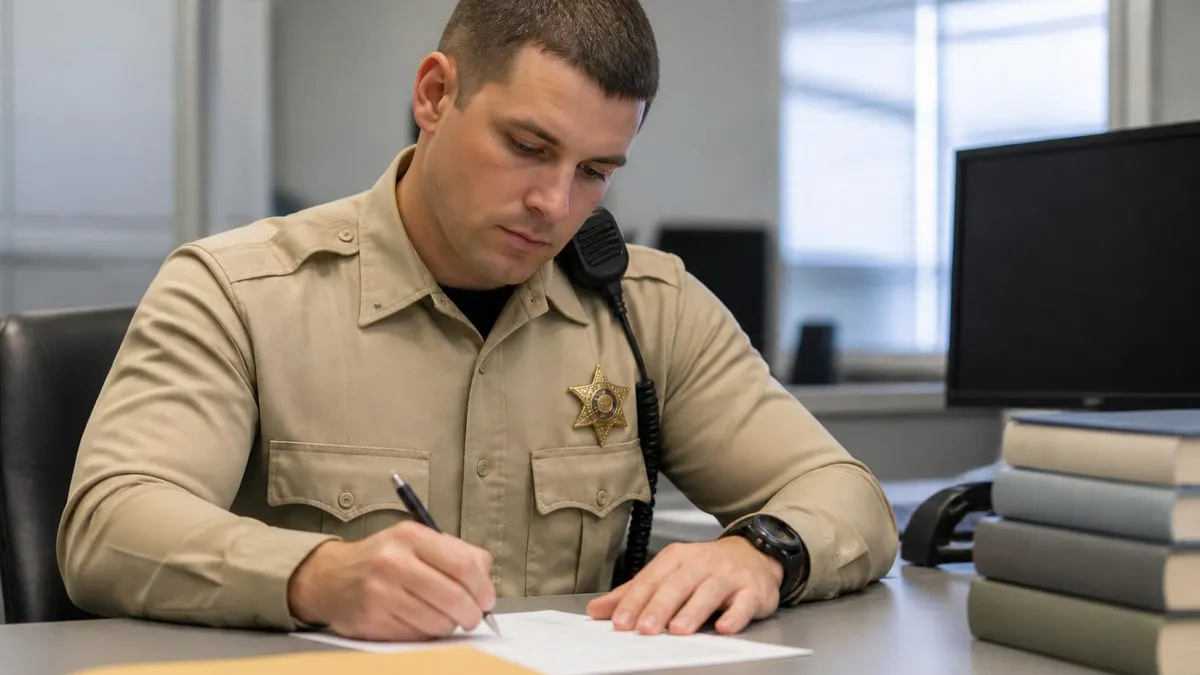
Deputy Sheriff Salary 2026: Real Pay Numbers by State, Rank, and Years of Service

How to Become a Deputy Sheriff: Requirements, Training, and Career Path 2026
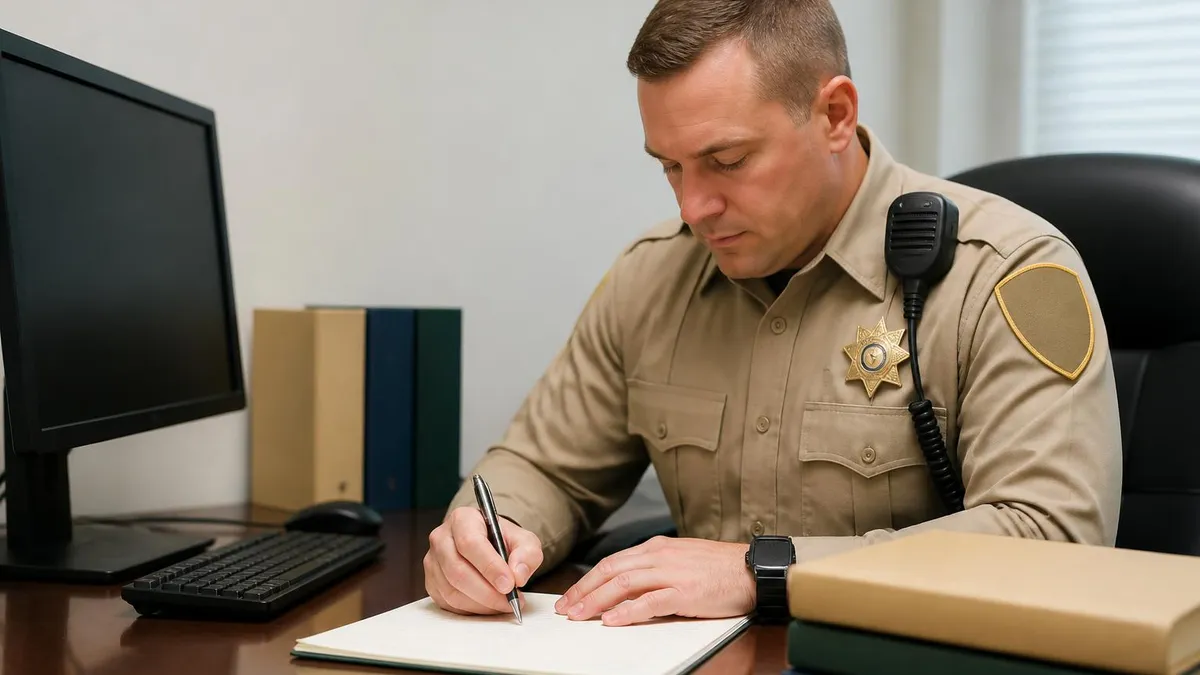
What Is a Deputy Sheriff? Complete Guide to the Role, Duties, and Career Path in 2026

Sheriff Deputy Exam: Complete Guide to the Written Test, Fitness, and Interview 2026
Sheriff Practice Test Video Answers
About the Author
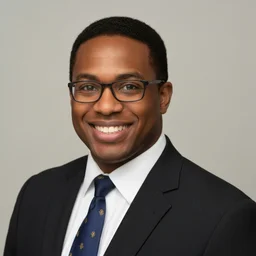
Law Enforcement Trainer & Civil Service Exam Specialist
John Jay College of Criminal JusticeMarcus B. Thompson earned his Master of Arts in Criminal Justice from John Jay College of Criminal Justice and served 12 years as a law enforcement officer before transitioning to full-time academy instruction. He is a POST-certified instructor who has prepared candidates for police entrance exams, firefighter assessments, and civil service examinations across dozens of agencies.
Join the Discussion
Connect with other students preparing for this exam. Share tips, ask questions, and get advice from people who have been there.
View discussion (7 replies)