
SDPD News: San Diego Police Department Updates, Hiring, and What Recruits Need to Know
Pass the SDPD News: San Diego Police Department exam with confidence. Practice questions with detailed explanations and instant feedback on every answer.

People searching SDPD news often fall into two groups: residents tracking department developments, and prospective officers following the hiring pipeline. This article focuses on the latter — what the San Diego Police Department has been communicating to recruits, how the hiring landscape has shifted, and what candidates should know before applying or preparing for the written exam.
Key Takeaway: SDPD certification demonstrates expertise in this field. Most candidates spend 4-8 weeks preparing with practice tests before taking the exam.

- ✓Review the official SDPD exam content outline
- ✓Take a diagnostic practice test to identify weak areas
- ✓Create a study schedule (4-8 weeks recommended)
- ✓Focus on your weakest domains first
- ✓Complete at least 3 full-length practice exams
- ✓Review all incorrect answers with detailed explanations
- ✓Take a final practice test 1 week before exam day
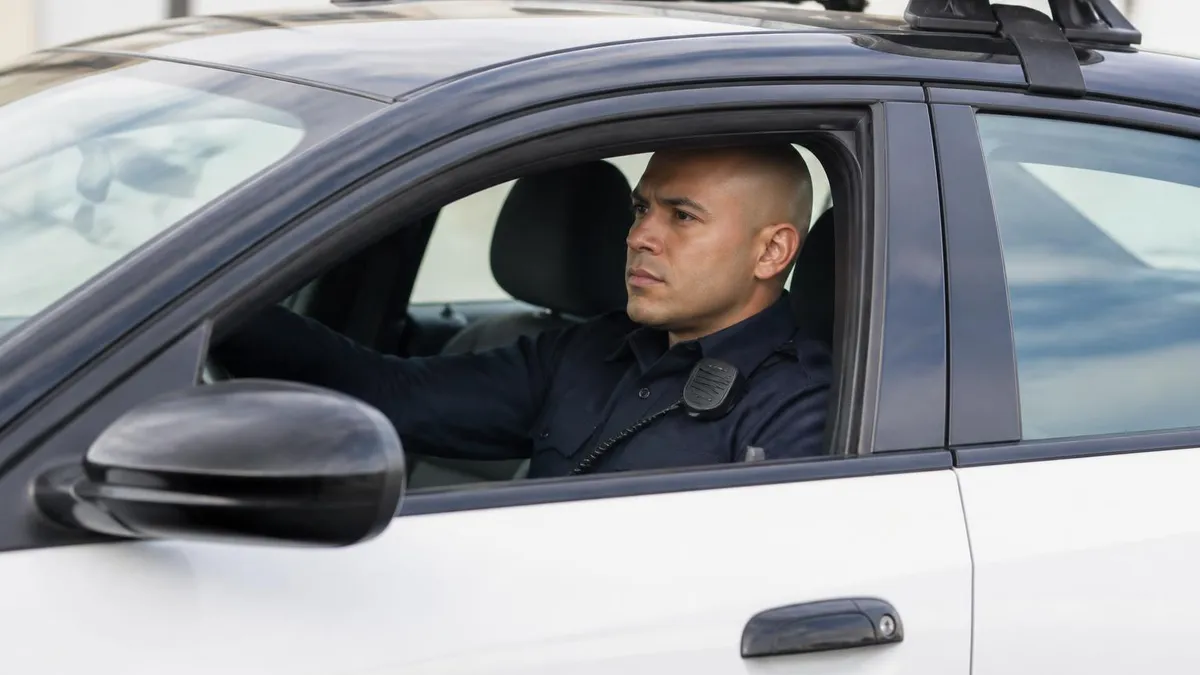
SDPD Hiring: What's Happened and Where Things Stand
The San Diego Police Department has faced the same staffing challenges that affected law enforcement agencies across the country starting around 2020. Retirements accelerated, new applications slowed, and the department has been actively working to rebuild its officer count.
Over the past few years, SDPD has:
- Launched targeted recruitment campaigns aimed at veterans, women, and bilingual candidates
- Increased hiring incentives including signing bonuses for lateral officers (officers transferring from other departments)
- Accelerated academy class schedules to process more recruits per year
- Worked to reduce processing time between application and academy start date
If you're following SDPD hiring news, the most current and reliable source is the City of San Diego's Official Employment Portal (sandiego.gov/careers) and the SDPD Recruitment Unit directly. Specific recruitment metrics and hiring bonuses change periodically — don't rely on third-party aggregator sites for current figures.
SDPD Written Exam: What You Need to Know
The written examination is one of the earliest and most significant hurdles in the SDPD application process. It's a competitive exam — your score contributes to your placement on the eligibility list, and list placement affects how quickly you advance to the background investigation and oral board stages.
What the SDPD Written Exam Covers
The SDPD entry-level officer exam typically tests:
- Reading Comprehension: Understanding police reports, policies, and text passages
- Vocabulary and Spelling: Word definitions and correct spelling in a law enforcement context
- Writing Ability: Grammar, sentence structure, report clarity
- Spatial and Map Reading: Interpreting layouts, directions, and geographic information
- Situational Judgment: Choosing appropriate responses to patrol scenarios
- Memorization and Observation: Recalling details from a previously viewed image or passage
The specific exam used may change — SDPD has used the National Police Officer Selection Test (POST) and other validated instruments at different points. Check current recruitment materials for the exact exam being administered at the time you apply.
Scoring and the Eligibility List
Written exam scores are used to rank candidates on an eligibility list. San Diego is a large, competitive market — you're not competing against a national average, you're competing against other San Diego-area applicants. Higher scores mean earlier call-backs when vacancies open. Scoring in the 90th percentile instead of the 70th can mean months of difference in how quickly you advance.
Key Updates That Affect Recruits
Background Investigation
The SDPD background process is thorough and takes several months. Recent process improvements have reduced delays in some areas, but the investigation itself remains comprehensive. Candidates should:
- Be prepared for extensive documentation of employment, residency, education, and finances
- Disclose known issues proactively — investigators will find them, and concealment is disqualifying
- Be aware that social media history is reviewed
Physical Fitness Standards
SDPD uses the California POST (Peace Officer Standards and Training) entry-level physical fitness battery. The current PELLET B (POST Entry-Level Law Enforcement Test Battery) physical assessment measures:
- Vertical jump
- 300-meter sprint
- Maximum push-ups in one minute
- 1.5-mile run
Minimum standards are age and gender-normed. Candidates should begin physical training at least 12 weeks before their scheduled assessment. Don't wait until after your written exam to start conditioning.
Lateral Transfer Opportunities
SDPD actively recruits certified officers from other California agencies and out-of-state. Lateral applicants skip certain steps in the process (typically the written exam) and may be eligible for signing bonuses. If you're currently sworn somewhere else and considering San Diego, check the current lateral hiring package on the official SDPD recruitment page.
The SDPD Academy: What to Expect
The SDPD Police Academy is a 28-week program conducted at the San Diego Law Enforcement Training Center. Recruits are paid employees of the City of San Diego during the academy. Curriculum includes:
- California POST curriculum (required for all law enforcement certification in the state)
- Defensive tactics and use of force
- Firearms qualification
- Vehicle operations (emergency and pursuit driving)
- Community policing and procedural justice
- Report writing and documentation
- First aid and emergency medical response
Academy attrition is real — candidates who struggle with physical standards, academic requirements, or behavioral standards are washed out. Arriving physically fit and academically prepared dramatically improves your odds of completing the program.
Where to Find Reliable SDPD News and Hiring Information
Avoid social media speculation and aggregator job boards for official recruitment information. Use:
- sandiego.gov — Official City of San Diego employment and police recruitment pages
- SDPD Official Website — sdpd.com — recruitment section for current openings and requirements
- City of San Diego HR Department — For eligibility list status, exam dates, and process questions
- SDPD Recruitment Unit — Direct contact for specific applicant status questions; the most reliable source for timeline estimates
Preparing for the SDPD Written Exam: Practical Steps
Here's a structured prep approach for candidates 6–8 weeks out from their exam:
Week 1–2: Baseline Assessment
- Take a full-length POST practice exam under timed conditions
- Identify your weakest subtest areas (reading, math, spatial, writing)
- Set a target score — aim for the 90th percentile, not just passing
Week 3–5: Targeted Study
- Daily 30–45 minute study sessions on weakest areas
- For reading: practice summarizing paragraphs and identifying main ideas
- For spatial/map: use grid-based map reading exercises
- For writing: review grammar rules and practice sentence correction
Week 6–7: Mixed Practice
- Take 2–3 more full-length timed practice tests
- Review every wrong answer — understand why you got it wrong, not just what the right answer was
Week 8: Final Review and Logistics
- Light review only — don't cram new material
- Confirm exam location, parking, and what to bring
- Get two good nights of sleep before the exam (not just the night before)
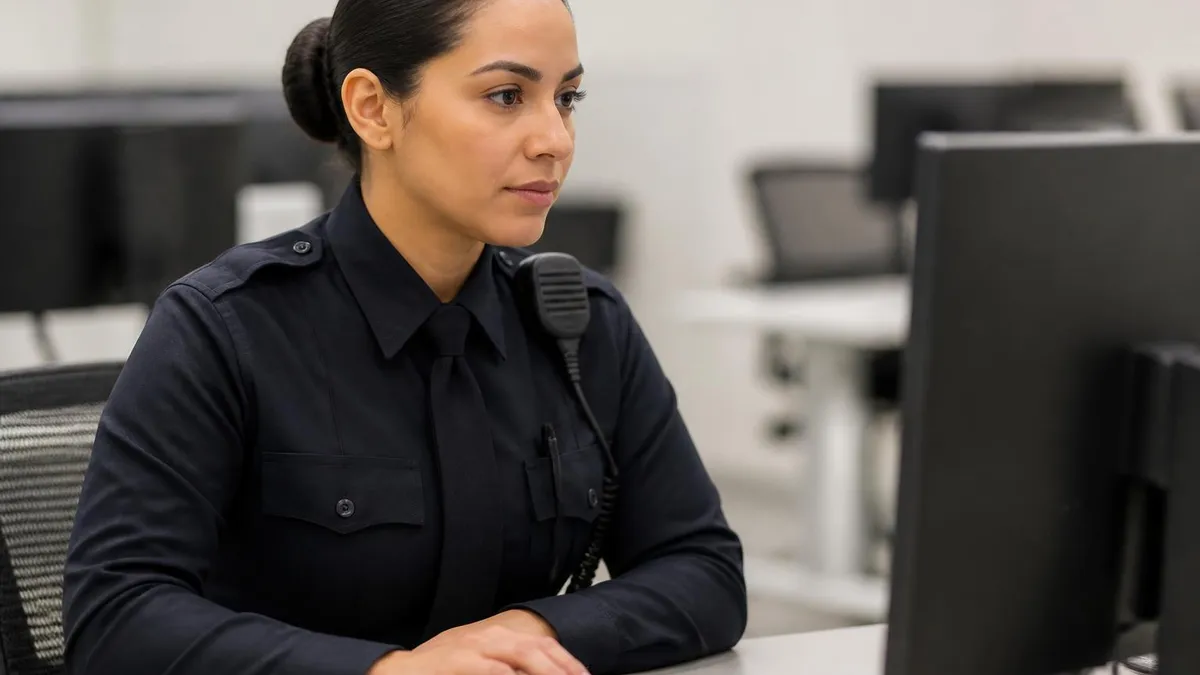
SDPD: Pros and Cons
- +SDPD credential is recognized by employers and industry professionals
- +Higher earning potential compared to non-credentialed peers
- +Expanded career opportunities and professional advancement
- +Structured learning path builds comprehensive knowledge
- +Professional development that stays current with industry standards
- −Preparation requires significant time and study commitment
- −Associated costs for exams, materials, and renewal fees
- −Continuing education needed to maintain credentials
- −Competition for advanced positions can be challenging
- −Requirements and standards may vary by state or region
About the Author
Attorney & Bar Exam Preparation Specialist
Yale Law SchoolJames R. Hargrove is a practicing attorney and legal educator with a Juris Doctor from Yale Law School and an LLM in Constitutional Law. With over a decade of experience coaching bar exam candidates across multiple jurisdictions, he specializes in MBE strategy, state-specific essay preparation, and multistate performance test techniques.
Join the Discussion
Connect with other students preparing for this exam. Share tips, ask questions, and get advice from people who have been there.
View discussion (9 replies)