
SC DMV Motorcycle Permit Practice Test: Free 2026 September Prep
✅ Pass the SC DMV Motorcycle Permit exam with confidence. Practice questions with detailed explanations and instant feedback on every answer.
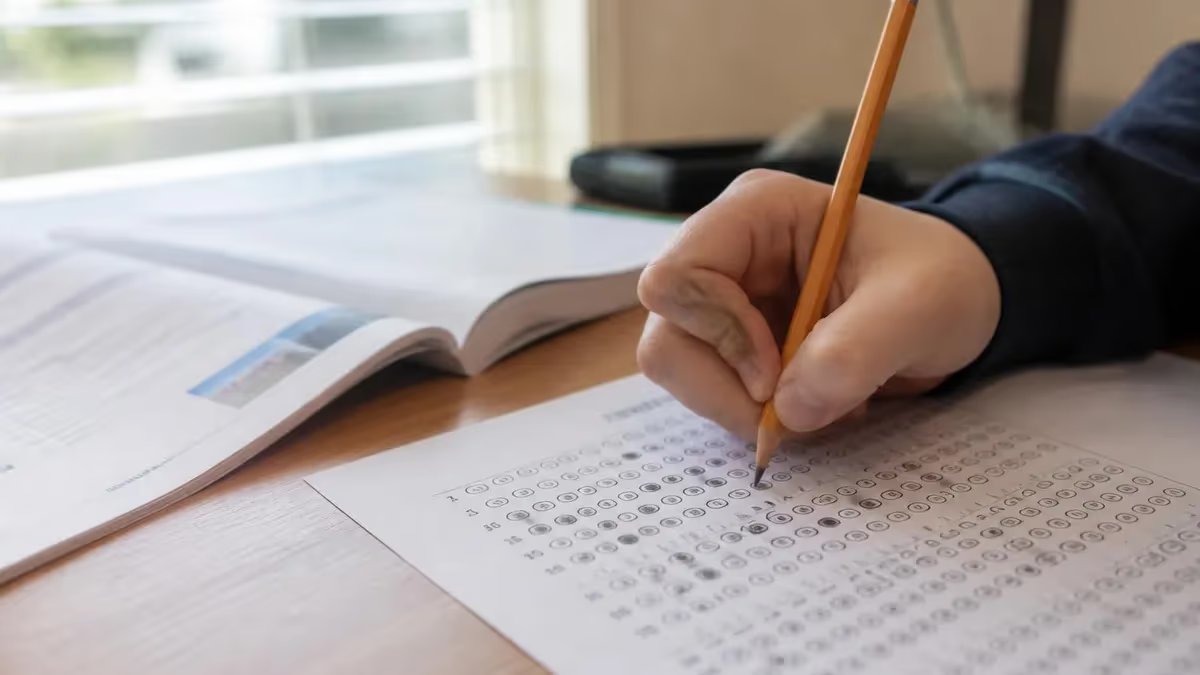
Before you can ride a motorcycle legally in sc dmv, you need to pass the SC DMV motorcycle permit knowledge test and get your motorcycle beginner's permit. It's a step that many riders underestimate — the test isn't as simple as it looks, and the questions that trip people up aren't always the ones you'd expect. This guide explains what the SC DMV motorcycle permit test covers, how to prepare effectively, and what comes after you pass.
South Carolina requires a separate motorcycle license endorsement or a motorcycle-only license for anyone operating a motorcycle on public roads. The beginner's permit is the first step in that process, and it requires passing a knowledge test administered by the South Carolina Department of Motor Vehicles (SCDMV). You'll take the test at any SCDMV branch office — no appointment is usually required for the permit test, but check your local office's hours before you go.
What's on the SC DMV Motorcycle Permit Test
The SC DMV motorcycle permit knowledge test draws from the South Carolina Motorcycle Operator Manual, which the SCDMV publishes and makes available on its website. The test covers motorcycle-specific topics — not the general vehicle operation content you'd find on the standard car permit test. If you already have a driver's license, you've already passed the general traffic law knowledge test; the motorcycle permit test focuses specifically on two-wheel operation.
Key topic areas on the SC motorcycle permit test include:
Basic motorcycle controls and pre-ride inspection: Understanding the throttle, clutch, front and rear brakes, gear shifter, and instrument panel. What to check before every ride — tire condition, lights, controls, fluids, and chain or belt. The pre-ride inspection questions are common on the test and often surprise candidates who didn't realize ABCDE checks were testable content.
Riding posture and passenger safety: Correct seating position, foot placement, hand grip, and how to safely carry a passenger. South Carolina tests knowledge of passenger requirements — including minimum age rules and the requirement that passengers have their own footrests.
Turning and lane positioning: How to position yourself within a lane, why lane position matters for visibility and safety, and proper technique for turns and curves. The concept of the three zones within a lane (left, center, right) appears in multiple test questions.
Braking and stopping: Using both brakes simultaneously, avoiding front-brake lock, and stopping distances at various speeds. The SC test often includes questions about stopping on curves and stopping in emergency situations — scenarios where improper technique causes crashes.
Intersections and right-of-way: How intersections are the most common location for motorcycle crashes, how to position yourself for visibility, and how to handle turning vehicles and blind spots from cars. This section overlaps somewhat with general traffic law but applies the rules specifically to motorcycle context.
Hazard awareness: Road hazards specific to motorcyclists — pavement irregularities, debris, slippery surfaces, railroad tracks, and surface changes. How to identify hazards early and adjust your path of travel.
Alcohol and fatigue effects on motorcycle operation: The specific risks of riding impaired or fatigued, and how alcohol affects balance and coordination differently for motorcyclists than for car drivers. This is tested in most state motorcycle permit exams, including South Carolina's.
How to Get Your South Carolina Motorcycle Beginner's Permit
The permit process through the SCDMV is straightforward. Here's what you'll need:
You must be at least 15 years old to apply for a South Carolina motorcycle beginner's permit. If you're under 17, parental consent is required. Bring your current SC driver's license (or regular state ID if you don't have a license yet), your Social Security card or proof of SSN, and proof of SC residency if you haven't already established residency on a prior SCDMV transaction.
At the SCDMV office, you'll take the knowledge test. The motorcycle permit test consists of 30 multiple-choice questions. You need to answer at least 24 correctly (80%) to pass. Questions are drawn from the SC Motorcycle Operator Manual — there's no randomness about the source material. If you've read the manual and practiced with representative questions, you're well-prepared.
The test is administered on a computer terminal at the SCDMV office. Most offices allow walk-ins for knowledge tests during regular business hours, but high-traffic offices (particularly in Columbia, Charleston, and Greenville) sometimes have waits. Going earlier in the day or on weekdays is usually faster than late afternoons or Saturdays.
If you fail the test, South Carolina requires a 24-hour waiting period before you can retake it. After three failed attempts, there's a longer waiting period. Study more before retaking — the same gaps that caused you to fail the first time will cause you to fail again if you haven't addressed them.
Once you pass, the SCDMV issues your motorcycle beginner's permit. The permit is valid for 180 days and allows you to practice riding under restrictions: no riding at night (after dark), no carrying passengers, and no highway riding. The permit gives you a window to build your skills before taking the road test or completing the Basic RiderCourse.
SC Motorcycle License Endorsement: Beyond the Permit
After getting your permit, you'll need to either pass the SCDMV motorcycle road skills test or complete a state-approved motorcycle safety course (the Basic RiderCourse offered by the Motorcycle Safety Foundation). Completing an approved course typically waives the road skills test — and is the recommended path for new riders.
The Basic RiderCourse is available through multiple providers in South Carolina, including technical colleges and community organizations. It's two days, covers both classroom and range instruction, and builds the foundational skills that make you a safer rider long-term. South Carolina residents may qualify for discounted or subsidized course costs — check with the SCDMV or local providers.
After the course, you bring your completion card to the SCDMV, pass the vision screening, and pay the endorsement fee. The motorcycle endorsement is added to your existing driver's license. If you're getting a motorcycle-only license (no car), the process is similar but results in a separate motorcycle license document.
Practicing with the road signs and signals practice test and speed limits and right-of-way practice test on this site helps you build the knowledge base for both the permit test and the broader riding skills you'll need on the road.
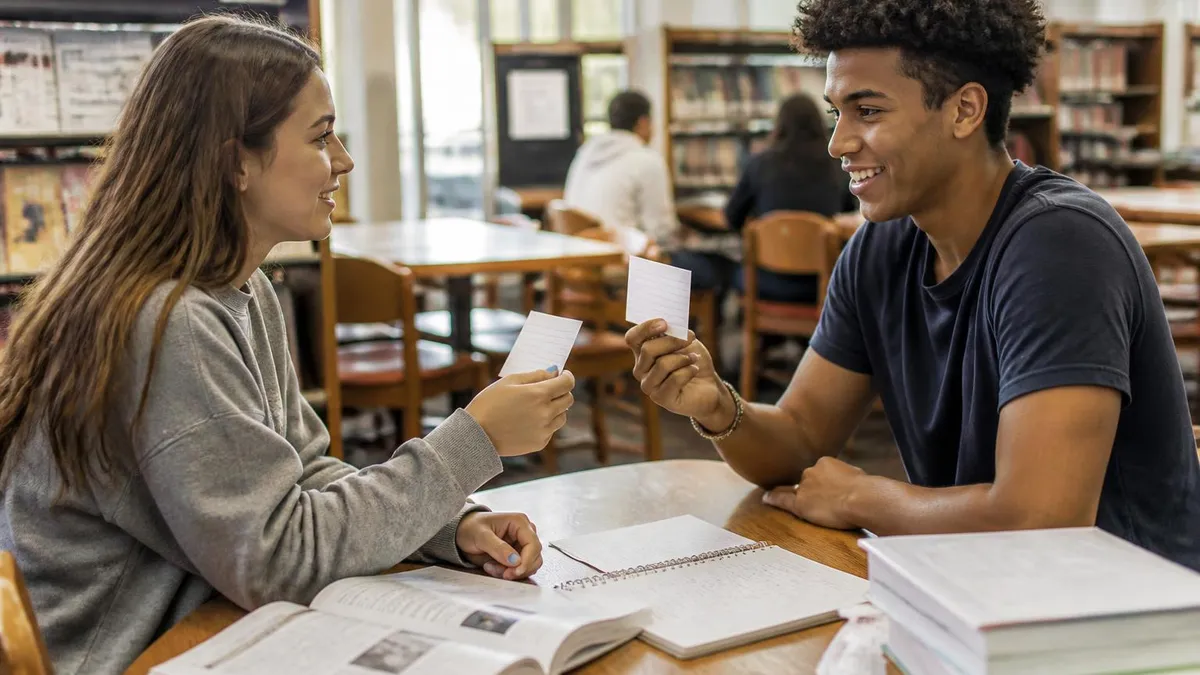
Effective Study Strategies for the SC Motorcycle Permit Test
The SC motorcycle permit test isn't hard if you've read the manual. The challenge is that most people don't read the manual — they skim it, or they rely on general traffic knowledge from their car license, and then they're surprised by motorcycle-specific questions about lane positioning or braking technique.
Read the SC Motorcycle Operator Manual cover to cover. It's not long — most people can get through it in two to three hours. Pay particular attention to the sections on turning, braking, lane positioning, and carrying passengers. These sections generate a disproportionate share of test questions. The hazard recognition section is also heavily tested and often underestimated by candidates.
Use practice tests to reinforce what you've read. Work through the free practice tests on this site, which cover road signs, speed limits, right-of-way rules, and general DMV questions. After each question you miss, go back to the relevant section in the manual and read it again. Don't just note the correct answer — understand the reasoning behind it.
On test day, read every question carefully. Motorcycle permit test questions sometimes use qualifiers like "always," "never," or "most importantly" that change the correct answer. The difference between "you should" and "you must" matters in DMV exam language. Slow down, read fully, and don't second-guess answers you're confident about.
Most candidates who spend three to four hours with the manual and work through a couple of practice test sets are well-prepared for the 30-question exam. The permit test is a meaningful safety checkpoint — the knowledge it tests applies directly to keeping you safe on the road. Study it seriously, not just as a bureaucratic hurdle.
About the Author

Educational Psychologist & Academic Test Preparation Expert
Columbia University Teachers CollegeDr. Lisa Patel holds a Doctorate in Education from Columbia University Teachers College and has spent 17 years researching standardized test design and academic assessment. She has developed preparation programs for SAT, ACT, GRE, LSAT, UCAT, and numerous professional licensing exams, helping students of all backgrounds achieve their target scores.
Join the Discussion
Connect with other students preparing for this exam. Share tips, ask questions, and get advice from people who have been there.
View discussion (8 replies)