
PSI Test Center: What to Expect for Your SAEE Appointment 2026 October
PSI test center guide for SAEE candidates: how to find a site, check-in steps, ID rules, what to bring, security procedures, and what happens after ❓
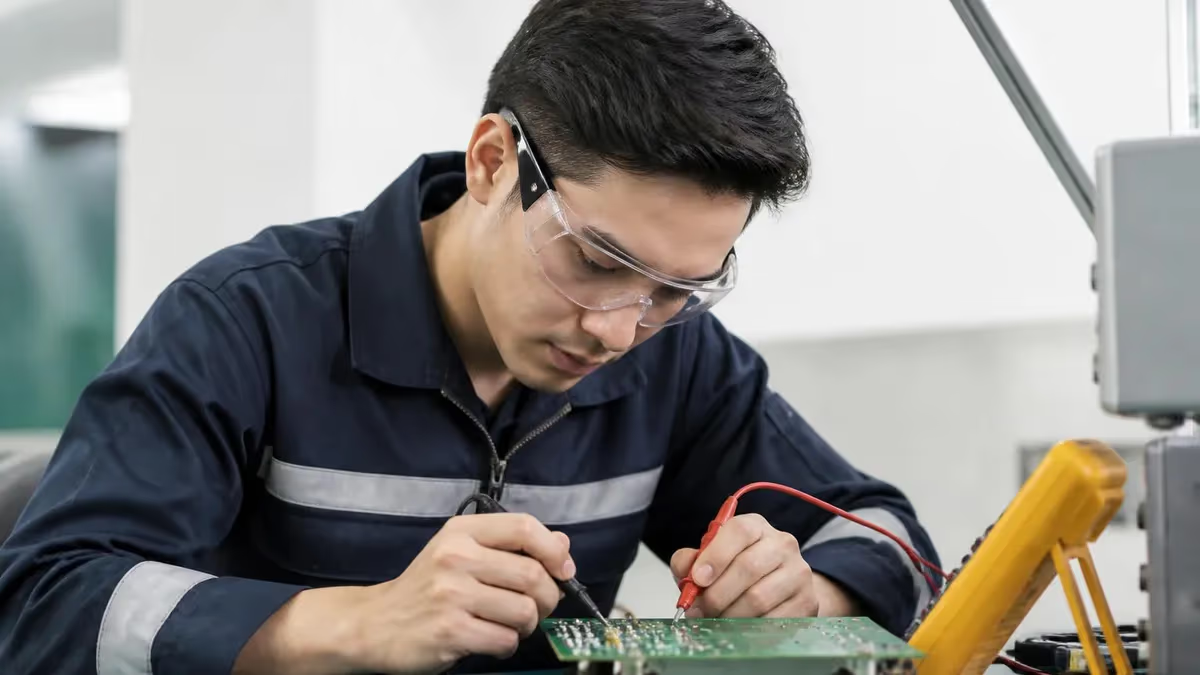
You booked the SAEE and now you're staring at the confirmation email trying to figure out what a PSI test center actually is, where to find one, and what happens when you walk through the door. The PSI testing network runs the in-person delivery of the Special Agent Entrance Exam, and it's the same network the federal government uses for dozens of other secure exams.
That means the rules are tight, the security is real, and the day you sit for the SAEE will feel different from any classroom test you've taken before. The good news is the process is predictable. Once you know how PSI handles check-in, what you can bring inside, and how the workstation is set up, the test-day part becomes the easy part of your prep.
This guide breaks down everything about the PSI test center experience for SAEE candidates: how to find a location near you, what to expect at check-in, the workstation setup, the rules that will get you turned away at the door, and what happens after you submit your responses. Treat it like a walkthrough so you're not learning the procedures for the first time on test day. The SAEE is hard enough on its own. The center experience shouldn't be what trips you up.

PSI Test Center at a Glance
PSI operates the largest professional testing network in the country, with more than three hundred owned-and-operated sites and a much larger affiliated network through partner colleges, workforce centers, and military education offices. For the SAEE you'll be assigned a permanent PSI site (not an affiliate), and the location is locked in once you confirm your appointment.
You don't pick a site after the fact - you choose during scheduling and you live with the choice unless you reschedule through the official portal. Most candidates have a PSI center within a 45-minute drive, but rural applicants may need to travel farther, and that travel time should be built into your test-day plan, not improvised.
Each PSI center is a small, controlled testing room - usually 12 to 24 workstations - with a check-in desk, a secure locker bank, and a single proctor station with video monitoring. It is not a classroom. There are no windows facing the workstations, no clocks on the wall in some locations, and no posters or signage that could distract or assist. Everything in the room exists for one purpose: to deliver a secure, identical testing experience to every candidate who walks in.
PSI is short for Psychological Services Inc., the company that grew into one of the largest test-delivery vendors in the world. They handle everything from real estate licensing and insurance exams to federal hiring assessments like the SAEE. When you book through the SAEE candidate portal, the appointment is passed to PSI, who provides the seat, the proctor, and the secure software environment. The federal hiring office sees only your final score.
Finding the right PSI test center starts with the SAEE candidate portal, not a Google search. Once your application is approved and you receive the green-light email, you'll log in to schedule and you'll see a map view of all PSI sites within a configurable radius. The radius defaults to 50 miles but you can expand it. Each site shows available dates and times for the next 30 to 60 days.
Popular metro sites - Washington DC, Chicago, Los Angeles, Houston - book out fast, especially the Tuesday through Thursday slots that most candidates prefer. If your nearest site has nothing for three weeks, expand the radius rather than waiting, because the appointment slot is tied to your hiring window and waiting too long can push you into the next cycle.
A few things to verify before you confirm: that the address has parking or is near reliable transit, that the entry building has clear signage (some PSI sites share office buildings and the suite number matters), and that the operating hours match your travel plan. Saturday slots exist at many sites but they fill first. If you have any disability accommodation request, do not book a standard slot. Submit the accommodation request through the portal first, wait for approval, then schedule against an accommodated slot - those are processed separately and you cannot retroactively add accommodations to a confirmed appointment.
Three Things to Confirm Before Booking
Map the route during the same time of day as your appointment. Morning rush in metros can add 40 minutes. Aim to arrive 30 minutes early - that's the check-in window, not a suggestion.
Both IDs must be current on test day. If your driver's license expires next month, renew it before booking or use a passport. Expired IDs are auto-rejected and you forfeit the appointment.
If you need extra time, a separate room, or assistive technology like a screen reader or large-print materials, file the accommodation request through the SAEE portal before booking. Accommodated seats are limited and assigned separately from the standard pool, and they require approval documentation. Plan an extra two to three weeks for the approval cycle.
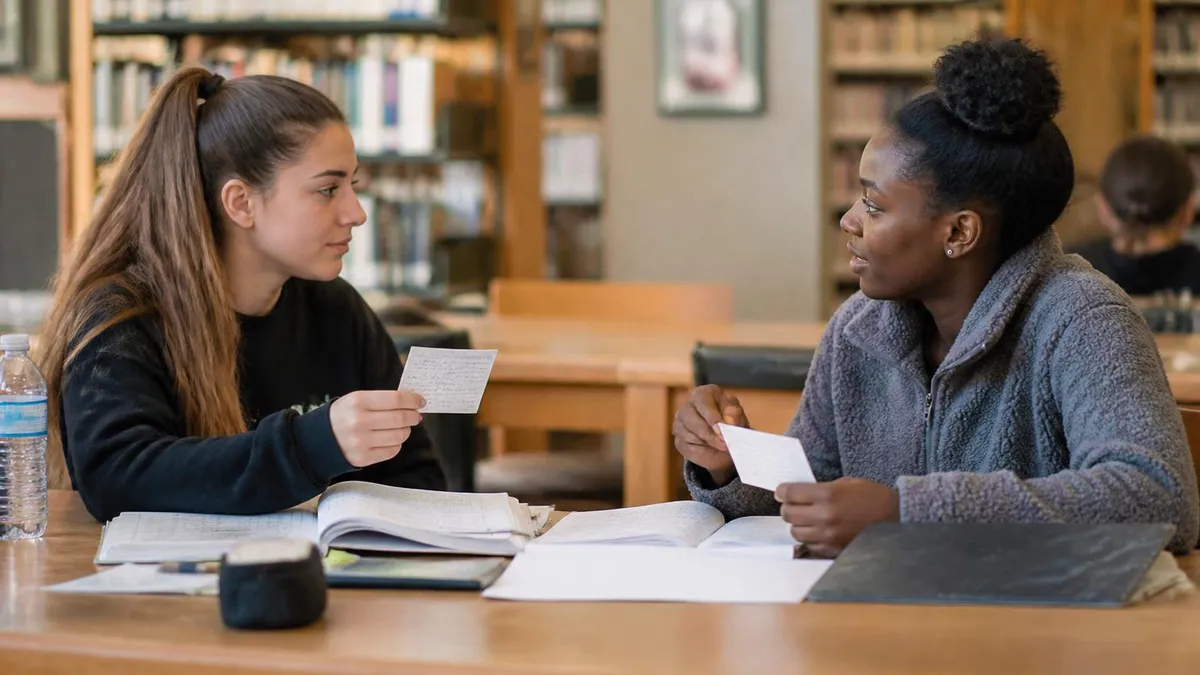
Test-day check-in at a PSI site is brisk and procedural. The doors typically open 30 minutes before the first session. You'll find a sign-in tablet or paper roster, where you confirm your name and appointment time. The proctor will then verify two forms of identification - one government-issued photo ID (driver's license, passport, military ID, state ID card) and a second ID that includes either a photo or your signature.
Names on both must match the name on the SAEE registration exactly. A nickname or maiden name discrepancy is enough to delay or cancel your seat, so use legal name when you registered and bring legal-name IDs.
After ID verification, you'll sign a candidate agreement acknowledging the security rules, then have your photo taken and in some sites a digital fingerprint or palm scan recorded. These biometrics stay with your file and will be reused at every PSI session you attend.
You'll then be asked to empty your pockets entirely, turn out cuffs and pant legs, and remove jacket, watch, jewelry, hair accessories, and outer layers like sweaters or scarves into a clear locker outside the testing room. Even a tissue in your sleeve will be flagged. The proctor isn't being difficult - the rules are uniform and applied to every candidate identically.
What Happens at Each Stage
Plan to arrive 30 minutes before your scheduled start. PSI doors lock 15 minutes after the official start time and late arrivals are marked no-show, forfeiting the fee. Park, find the suite, sign in.
The workstation itself is straightforward: a standard desktop PC with a 22 to 24 inch monitor, a wired keyboard, a wired mouse, and a chair you can adjust. No second monitor, no headphones unless the exam includes audio sections (the SAEE does not), and no calculator unless explicitly permitted on the screen. Some PSI sites issue a small whiteboard and dry-erase marker instead of paper - the choice depends on the site and the exam. Either way, you cannot bring your own scratch material and you cannot remove what the center provides. Everything gets collected at the end.
The exam software is fullscreen and locked. You cannot alt-tab, you cannot open a browser, and you cannot adjust system settings. The on-screen interface for the SAEE shows a question counter, a timer (which you can hide if it stresses you out), a Mark for Review checkbox, and Previous and Next buttons. Most candidates use the Mark feature to flag questions they want to revisit if time permits.
The timer keeps running whether you're answering or thinking - there are no pauses except for an unscheduled bathroom break, which you can request by raising your hand. The proctor will escort you out and the clock keeps ticking. Build that into your time-management plan: if you take a five-minute break, that's five minutes off your testing window.
Phones (even powered off), smartwatches, fitness trackers, earbuds, hats with brims, tinted glasses, hooded sweatshirts, study notes, blank paper, food, gum, drinks, bags of any size. If you accidentally bring an item past the locker check, the seat is forfeited and no refund is issued. Check pockets twice before walking into the room.
The security rules look harsh on paper but they make sense once you understand the threat model. PSI delivers federal hiring exams, professional licensing tests, and high-stakes certifications - cheating scandals on any of these damage the credibility of every exam in the network. So the rules are uniform, the proctors are trained to enforce them without discretion, and the video monitoring is constant.
A camera covers your workstation, your face is on a second monitor at the proctor desk, and any unusual movement (looking under the desk, reaching into a pocket, mouthing words) gets flagged for review. If a flag turns into an investigation, your scores can be held for months while it resolves. Just follow the rules. Don't talk, don't look around, don't try to be clever.
Bathroom breaks are allowed but discouraged. You raise your hand, wait for the proctor, and they walk you out and back in. Your station stays logged in but the timer keeps running. If you must break, do it once and make it fast - candidates who break two or three times tend to lose 10 to 15 minutes total, which on a tight-clock exam like the SAEE is the difference between finishing and not finishing.
Use the restroom before check-in. Hydrate but don't chug water in the parking lot. Eat a real breakfast or lunch beforehand so you're not battling hunger. The center has no vending machines inside the secure area.
Test-Day Bring List
- ✓Government photo ID such as a driver's license, US passport, or military ID, unexpired and matching your registration name exactly
- ✓Second ID with photo or signature - credit card, bank card, or a second photo ID like a passport card or state ID works
- ✓Confirmation email or appointment number printed or saved to phone, though phone gets locked away during the actual session
- ✓Light layers because testing rooms typically run cold, but skip hoodies and pullovers as these are forbidden during testing
- ✓Locker key issued at check-in and returned when you exit the testing area at the end of your session
- ✓Driving directions printed or memorized in advance since your phone is locked away and cannot be used for navigation
- ✓Snack and water for the post-exam drive home, eaten in your car since food is not permitted inside the secure testing area
- ✓Comfortable closed-toe shoes that do not draw attention, no sandals or noisy footwear that distracts other candidates
After you finish the SAEE, the experience at the PSI center ends quickly. You raise your hand, the proctor confirms submission on their end, and you're walked back to the locker area to collect your belongings. You'll sign out, and at many centers you'll receive a printed confirmation page that just states you completed the session - no score, no breakdown, no hint at how you did.
The SAEE is not a same-day score exam. Federal scoring runs through the hiring office and results typically arrive within two to four weeks via the candidate portal. Some candidates get faster turnaround during low-volume cycles, but plan for the longer wait so you're not refreshing the portal every hour.
If something goes wrong at the center - a workstation crashes, the power cuts, the proctor calls a halt because of an emergency - your session is paused or rescheduled. PSI documents every interruption and the federal hiring office reviews whether to invalidate the attempt or reschedule. You will not lose your fee for an issue caused by the center.
Keep your confirmation email and any incident paperwork the site provides, and follow up through the SAEE portal if you don't see a resolution within five business days. Most candidates never run into a center issue, but knowing the recovery path matters if you're the one in the 0.5% it happens to.
PSI Test Center vs Online Proctoring
- +Controlled environment with no neighbors, no Wi-Fi drops, no pets or family interrupting your focus during the exam
- +Hardware is tested and maintained by PSI technicians so monitor, mouse, keyboard, and PC are all in working condition
- +Proctor is physically in the room providing instant help with technical issues, paper requests, or accommodation needs
- +Predictable check-in process that follows the same script at every PSI location across the country regardless of city
- +Same workstation setup that every other SAEE candidate sees, making the experience identical and the scoring fair
- −Must travel to a fixed PSI location which may add commute time, transit costs, or overnight stay for rural candidates
- −Strict 30-minute arrival window with doors locking 15 minutes after start, no exceptions for traffic or delays
- −Zero personal items inside the testing room including phones, watches, snacks, water bottles, and study notes
- −Schedule depends on local seat availability so popular metro sites book out three to six weeks in advance
- −Bathroom breaks during the exam cost active test time since the clock keeps running while you are escorted out
Most SAEE candidates report that the PSI center experience is calmer than expected once they know the script. The first ten minutes feel formal because they are - paperwork, photo, biometrics, locker - but once you're seated, the room quiets down and it becomes you, the screen, and the timer.
There's a rhythm to the testing room: keyboards clicking, an occasional cough, the proctor moving silently between workstations during their routine sweeps. You stop noticing it within a few minutes and your focus narrows to the question on screen. That's the environment PSI is designed to create, and it works for the vast majority of candidates regardless of what they expected walking in.
If you have testing anxiety, there are a few practical mitigations that work inside the PSI environment. Bring earplugs if you've registered them with the proctor in advance (some sites allow them, some don't - check before booking). Wear comfortable clothes that don't squeeze or itch when you sit still for two-plus hours.
Drink water early in the morning so you're hydrated but not full at appointment time. Eat protein, not sugar, for your pre-exam meal. If you panic mid-exam, use the Mark for Review function to flag the question and move on rather than locking up on a single problem.
The exam is timed but the timing is generous if you keep moving; freezing on one question is what burns the clock. The intimidation factor comes from the unknown - the metal detectors at some sites, the body scan wand at others, the silent room with twenty other people clicking through their own exams. Once you've done it once, the second time at a PSI site is unremarkable.
If you're nervous, do a dry run: drive to the site a few days before, walk into the lobby (you can't enter the secure area without an appointment, but you can scout the parking and signage), and time the route. Removing the wayfinding stress on test day frees up mental energy for the exam itself.
The other piece worth knowing: PSI proctors are not your enemy. They're hourly staff trained to enforce uniform rules, and most are friendly and helpful within those rules. If you're confused about a procedure, ask before you do something - they'd much rather answer a question than mark an incident.
If something feels off (the room is too cold, your monitor is flickering, the chair is broken), say something during check-in or raise your hand once seated. Centers want to keep their delivery rating high and minor issues get fixed fast. Don't suffer through a problem out of politeness; it'll show up in your score.
SAEE Questions and Answers
SAEE Testing Day Timeline
T-minus 30 min: Arrive at the PSI center
T-minus 25 min: Check-in and ID verification
T-minus 15 min: Locker and security screen
T-minus 5 min: Walk to workstation
Start: Click Begin
End: Submit and exit
The PSI test center is one piece of the SAEE journey, not the hardest piece. The exam content is what determines whether you advance to the next stage of federal hiring - the center is just the delivery mechanism. That said, walking in unprepared for the procedure adds stress you don't need, and stress on test day affects performance more than most candidates admit.
Treat the PSI walkthrough the same way you'd prep for the actual SAEE sections: read the rules, simulate the conditions, eliminate surprises. Show up rested, fed, and on time. Bring the right IDs. Leave everything else in the car. Sit down, click Begin, and let the prep you've already done carry you through.
One last note: every PSI center runs the same script but the energy of each location varies. Some sites are spotless, well-lit, and professional. A handful are tucked into office parks with confusing signage and tired chairs. The exam software and security procedures are identical regardless of building quality, so don't let a less-than-pretty waiting room throw you.
Your score will reflect your prep and your performance, not the carpet in the lobby. Take the appointment, prep the content, walk through the procedure once in your head the night before, and treat test day as the easy part it actually is once you know what you're walking into.
A few candidates ask whether they can take the SAEE at a non-PSI site or via online proctoring instead. The short answer is no, not currently. The federal hiring office that owns the SAEE has standardized on PSI in-person delivery for several reasons - identity assurance, environment control, and consistent scoring conditions across thousands of candidates per cycle.
Online proctoring exists for many other federal assessments but the SAEE specifically requires the controlled-room environment. If your nearest PSI site is more than two hours away, the SAEE portal will sometimes flag your account for a special-arrangement review, but the default expectation is that you'll travel to the closest available PSI seat. Plan accordingly when you accept the invitation to test.
Knowing what to expect at the PSI test center transforms test day from an unknown into a routine. The check-in procedure is the same whether you're testing for SAEE, a state licensing exam, or a corporate certification. The lockers are the same. The workstations are the same. Once you've internalized the script, your only job on test day is to get there on time, follow instructions, and focus on the questions in front of you.
That's how strong SAEE candidates separate themselves - not by being cleverer about the procedure but by removing the procedure from their list of worries entirely. The hours you spent studying the content are what will carry you. The PSI center is just the room where you prove it.
If you want to keep building confidence before your appointment, the most useful thing you can do is take full-length timed practice tests under conditions that mimic the PSI environment. Sit at a desk, no phone, no notes, a single screen. Set a timer that matches the SAEE section limits. Don't pause when you're tired.
The center won't pause either. Practicing under those conditions trains the pacing, attention, and stamina you'll need - and on test day, when you sit down at that PSI workstation, the only thing that will feel new is the room itself. Everything else, you'll have already done a dozen times. That's the goal.
Learn more in our guide on Whiff Test: KOH Amine Test for Bacterial Vaginosis Diagnosis. Learn more in our guide on mensa international iq test. Learn more in our guide on prometric testing centers. Learn more in our guide on hearing test icd 10.
About the Author

Educational Psychologist & Academic Test Preparation Expert
Columbia University Teachers CollegeDr. Lisa Patel holds a Doctorate in Education from Columbia University Teachers College and has spent 17 years researching standardized test design and academic assessment. She has developed preparation programs for SAT, ACT, GRE, LSAT, UCAT, and numerous professional licensing exams, helping students of all backgrounds achieve their target scores.