
Navy ROTC Uniform Regulations: Complete Guide for Cadets 2026 September
Master navy rotc khaki uniform regulations with this complete guide. Learn wear standards, inspection tips, and uniform components. 🎯

Understanding navy rotc khaki uniform regulations is one of the first and most important responsibilities every Naval ROTC midshipman takes on when joining the program. The Navy places enormous emphasis on a professional appearance, and the khaki uniform — worn during formal drill periods, inspections, and certain academic settings — represents the standards of discipline and pride that define naval service. Whether you are a freshman Midshipman Fourth Class or a senior preparing for commissioning, mastering the wear of the khaki uniform signals your readiness to serve.
Navy ROTC programs at universities across the United States follow guidance issued in the Naval Reserve Officers Training Corps Unit Regulations and supplemented by the Navy Uniform Regulations (NAVPERS 15665). These documents govern everything from how ribbons are aligned on the chest to the precise placement of collar devices and how the combination cover must be worn outdoors. Familiarity with navy rotc uniform regulations through consistent study and practice is the most reliable path to passing uniform inspections with distinction.
The khaki uniform is distinct from other uniforms in the Navy ROTC inventory, such as the Navy Working Uniform (NWU) Type III or the Service Dress Blue. Khaki is considered a service uniform and carries significant weight in terms of formality. It is composed of a long-sleeve or short-sleeve khaki shirt, khaki trousers or skirts for female midshipmen, a black belt with gold buckle, low-quarter shoes, and a combination cover. Each element has a specific specification regarding color, fit, placement of insignia, and overall condition.
One of the most common areas where midshipmen lose points during inspections is improper placement of rank insignia and warfare devices. Collar devices indicating your class year — gold anchors for seniors, silver anchors for juniors, and so forth — must be centered on the collar points at precise distances from the outer edge. Getting these measurements wrong by even a quarter of an inch is enough for a sharp inspector to mark you down. Attention to this level of detail is a habit that must be developed early and maintained throughout your ROTC career.
Beyond the physical placement of insignia, the condition of the uniform itself is subject to strict scrutiny. Khaki fabric must be freshly pressed with sharp creases running vertically down the front and back of the trousers. Shirts must be tucked in smoothly with no visible blousing. Ribbons and medals must be free of tarnish, properly ordered according to precedence, and mounted at a specific height above the left breast pocket. Any fraying, discoloration, or missing buttons will be noted immediately by unit staff during inspections.
Female midshipmen wearing the khaki uniform have additional considerations, including the option of the khaki skirt in place of trousers and specific guidance on hair styling that keeps hair off the collar and out of the face. Earrings, if worn, must be small gold ball studs. These standards reflect the broader Navy uniform policies that female sailors follow throughout the fleet, giving female midshipmen early exposure to the standards they will uphold as commissioned officers.
This guide covers every major component of Navy ROTC khaki uniform regulations, from the combination cover to the correct shine expected on low-quarter shoes. It also addresses common inspection failures, tips for staying in compliance throughout the school year, and how uniform standards reinforce the professional values that the Navy expects of its officers. Whether you are preparing for your first inspection or reviewing before commissioning week, this resource will help you present the best possible appearance in uniform.
Navy ROTC Uniform Regulations by the Numbers

Key Components of the Navy ROTC Khaki Uniform
The white-topped combination cover is worn outdoors whenever in khaki uniform. It must be centered squarely on the head, with the brim two finger-widths above the eyebrows. The cover device — gold eagle, shield, and anchors — must be centered and free of tarnish.
The long-sleeve or short-sleeve khaki shirt must be clean, freshly pressed, and properly fitted. Trousers require a sharp vertical crease front and back. The shirt is tucked in neatly, and the black web belt with gold buckle is centered on the trouser waistband.
Collar devices indicate class year: gold anchors for 1/C, silver anchors for 2/C, gold prop-and-wings for 3/C, and gold fouled anchor for 4/C. All devices are centered on the collar tip, with the outer edge one-quarter inch from the collar's outer edge.
Ribbons are worn centered one-quarter inch above the left breast pocket, with the bottom ribbon bar aligned to the top of the pocket. Ribbons are arranged by precedence left to right, top to bottom. All ribbons must be clean, unfrayed, and in the correct sequence.
Black low-quarter shoes are worn with the khaki uniform and must be spit-shined or highly polished at all times. Socks are plain black, mid-calf length. Shoe laces must be black and properly laced. Scuffs, unpolished heels, or worn-down soles are immediate inspection failures.
Insignia placement is one of the most scrutinized aspects of the Navy ROTC khaki uniform, and errors in this area account for a significant number of inspection demerits each semester. Every device, ribbon, and name tag follows a precise placement formula laid out in the NROTC Unit Instruction and reinforced by the overarching Navy Uniform Regulations. Midshipmen are expected to know these rules without prompting and to execute them correctly every time they put on the khaki uniform for an official occasion.
The name tag is one of the most visible elements on the khaki shirt. It is worn on the right breast, centered horizontally and aligned so its bottom edge sits even with the bottom of the ribbons or, if no ribbons are worn, one-quarter inch above the right breast pocket. The name tag is gold for all midshipmen and bears only the last name in capital block letters. It must be free of scratches, discoloration, or any residue from prior mounting adhesives if it has been repositioned.
For midshipmen who have earned warfare or activity designators — such as Surface Warfare Officer (SWO) devices earned through summer training programs — these devices are worn centered on the uniform above all ribbons, at a specific height measured from the top ribbon bar. The SWO pin, aviation insignia, or other authorized devices add a layer of complexity to the uniform that upper-class midshipmen must manage carefully. Each device's exact position relative to ribbons and the pocket edge is spelled out in the regulation with no room for interpretation.
The ROTC unit patch or shoulder insignia, where required by a specific unit, is worn on the left sleeve at a designated distance from the shoulder seam. Not every unit mandates this item for the khaki uniform, but when it is required, its placement must be exact. Midshipmen should always confirm with their unit's administrative staff whether optional items such as unit patches are authorized and required for specific inspection events.
One aspect of insignia wear that frequently causes confusion is the distinction between what is authorized and what is mandatory. Midshipmen may have earned multiple ribbons, devices, or qualification badges, but some items may not be authorized on the khaki uniform or may only be worn on certain occasions. The general rule is that only Navy-authorized awards and NROTC-specific devices are worn on the ROTC khaki uniform. Items from other branches, civilian organizations, or unofficial recognitions are not authorized regardless of how meaningful they may be personally.
The placement of the combination cover device — a gold spread eagle above a shield flanked by two anchors — is also regulated. The device must be centered on the front of the cover with the shield facing forward. Some midshipmen make the error of mounting the cover device slightly off-center or failing to keep it polished. Gold polish or a simple buff with a soft cloth before each wear is sufficient to maintain the bright finish required. Tarnished cover devices are among the most visible deficiencies an inspector can spot from a distance.
Finally, midshipmen should be aware that the regulations governing insignia placement can be updated by SECNAV instructions or CNO directives, and NROTC units receive and communicate these updates. Staying current on changes requires regular review of unit bulletins and orders. Relying on older guidance or secondhand information from upperclassmen who may not have updated their knowledge is a common source of compliance failures. The authoritative source is always the current edition of NAVPERS 15665 combined with any amplifying guidance issued by your unit commanding officer.
Navy ROTC Uniform Standards by Occasion
Formal uniform inspections in Navy ROTC are conducted on a scheduled basis throughout the semester, typically during the weekly Naval Science Laboratory period. During these events, every element of the khaki uniform is evaluated against the full standard: cover device polish, ribbon alignment, collar device placement, shoe shine quality, trouser crease sharpness, and overall fit. Inspectors move down the ranks methodically and note every deficiency on a grading sheet.
Preparing for a formal inspection requires beginning at least two days in advance. Pressing trousers and shirts the night before is strongly recommended, as is polishing shoes to a mirror shine using a cotton ball, shoe polish, and water technique. Ribbons should be checked for proper order using the Navy ribbon precedence chart. Lay the complete uniform out the night before and verify every element against your unit's inspection criteria before you dress the morning of inspection day.

Wearing the Khaki Uniform: Benefits and Challenges for Midshipmen
- +Develops professional habits that transfer directly to active-duty service after commissioning
- +Wearing the uniform in a campus environment builds pride and unit identity among midshipmen
- +Regular inspections sharpen attention to detail, a critical leadership skill at every naval rank
- +The khaki uniform projects authority and professionalism that earning respect in campus settings
- +Uniform inspections provide immediate, actionable feedback that accelerates personal improvement
- +Mastering khaki regulations prepares midshipmen for the broader Navy Uniform Regulations they will follow as officers
- −Initial uniform acquisition costs can be significant, ranging from $200 to $400 for a complete khaki set
- −Maintaining a pressed khaki uniform requires consistent time investment, typically 30-45 minutes per wear event
- −Regulations change periodically, requiring midshipmen to stay current with NAVPERS updates and unit orders
- −Strict standards leave little room for individual expression and can feel rigid for students new to military culture
- −Shoe polishing to inspection standard is a time-consuming skill that takes practice to develop
- −Wearing the khaki uniform on campus can attract unsolicited public attention, both positive and negative
Navy ROTC Khaki Uniform Inspection Readiness Checklist
- ✓Combination cover is clean, shaped correctly, and cover device is centered and polished to a bright gold finish
- ✓Khaki shirt is freshly pressed with no wrinkles, stains, or fraying at the collar or cuffs
- ✓Collar devices are centered on collar points with the outer edge exactly one-quarter inch from the collar edge
- ✓All ribbons are mounted one-quarter inch above the left breast pocket in correct precedence order, left to right
- ✓Name tag is positioned on the right breast with its bottom edge aligned with the bottom of the lowest ribbon bar
- ✓Khaki trousers have sharp vertical creases front and back and are hemmed to break at the top of the shoe
- ✓Black web belt is threaded through all loops with the gold buckle centered on the trouser waistband
- ✓Low-quarter shoes are spit-shined or highly polished with no scuffs, worn heels, or dirty laces
- ✓Black mid-calf socks are worn with no visible logos, stripes, or patterns
- ✓All buttons on the shirt and trousers are fastened, present, and matching in color and finish
The Two-Day Rule for Inspection Success
Experienced midshipmen and unit staff consistently recommend starting your inspection preparation at least 48 hours before the event. Press trousers and shirt the evening before, polish shoes the day before, and lay out the complete uniform the night prior. This buffer allows you to discover and fix deficiencies — a missing button, a tarnished ribbon, a worn shoe heel — before it is too late to address them.
Common inspection failures in Navy ROTC khaki uniform evaluations fall into predictable categories, and understanding them gives midshipmen a significant advantage in maintaining consistently high scores. The most frequently cited deficiencies across units nationwide involve shoes, ribbons, cover devices, and trouser creases. By focusing preparation time on these four areas, midshipmen can eliminate the majority of demerits that accumulate during an inspection cycle and improve their standing within the unit.
Shoe care is the area where most midshipmen invest insufficient time. The Navy standard for low-quarter shoes during inspections is not simply clean — it is a high-gloss finish that approaches a mirror shine. Achieving this requires the spit-shine method: thin layers of shoe polish applied with a circular motion using a damp cotton ball or cloth, allowed to dry between coats, and buffed to a high gloss.
This process typically takes 20 to 30 minutes per shoe when done properly and must be repeated before each inspection. Shortcuts using liquid shine products produce an acceptable but noticeably inferior finish that trained inspectors recognize immediately.
Ribbon alignment failures are the second most common category of inspection deficiency. The specific error varies: some midshipmen place ribbons too high above the pocket, others too low. Some mount the ribbon rack at a slight angle. Others have a ribbon bar that has loosened over time and shifted position.
The correct placement — bottom edge of the ribbon rack one-quarter inch above the top seam of the left breast pocket — must be verified with a ruler or measuring card before each inspection, not estimated by eye. Ribbon precedence errors, while less common, are equally serious and reflect a failure to study the Navy ribbon order of precedence chart.
Collar device failures typically involve one of three errors: placement too far from the collar edge, placement not centered on the collar tip, or devices that are tarnished or scratched. The quarter-inch rule is non-negotiable, and midshipmen should own a small ruler or use a precisely cut measuring card to verify device placement.
Gold collar devices should be polished with a soft cloth and gold polish before each wear. Replacements for scratched or heavily worn devices are available through the unit supply office or commercial uniform retailers and should be obtained proactively rather than waiting until an inspection reveals the problem.
Trouser creases represent another area of consistent failure, particularly as the semester progresses and midshipmen rely on repeated washing without re-pressing. A trouser crease that has softened through wear and washing presents a noticeably unprofessional appearance even from a distance. The front crease should run from the waistband straight down the center of each trouser leg to the shoe, and the back crease should be equally sharp. Using heavy starch and a pressing cloth on the trouser fabric helps maintain a sharp crease longer, but there is no substitute for re-pressing the trousers before each inspection event.
Beyond these major categories, minor deficiencies that accumulate into a failing score include: loose or missing buttons, visible lint or pet hair on the uniform, an untucked shirt tail during formation, a belt that is threaded through loops in the wrong direction, or a combination cover worn at an angle. Each of these individually may seem trivial, but inspectors evaluate the uniform as a whole, and a midshipman who presents multiple minor deficiencies signals a general lack of attention to detail that reflects poorly on their readiness for commission.
The best defense against inspection failures is a personal pre-inspection protocol that you follow consistently every time you wear the khaki uniform for an official purpose. This protocol should include a full-length mirror check from head to toe, a ribbon precedence verification using a reference card, a ruler check on collar devices and name tag, and a hand-press of any areas that wrinkled during transport.
Some midshipmen carry a small uniform maintenance kit — a lint roller, shoe polish dauber, and spare collar devices — to handle last-minute corrections before falling into formation. This level of preparation is what separates midshipmen who consistently excel at inspections from those who are perpetually catching up.

Navy Uniform Regulations (NAVPERS 15665) is updated by SECNAV instruction, and your NROTC unit will issue amplifying guidance through unit orders. Never rely solely on upperclassmen's verbal guidance or outdated printed references. Always verify current standards through your unit's official publications before a formal inspection or ceremony, as wearing an outdated uniform configuration can result in demerits even if you followed what you believed was the correct standard.
Proper uniform care and maintenance between wear events is just as important as the preparation you do immediately before an inspection. The khaki fabric used in Navy ROTC uniforms requires specific laundering techniques to maintain its color, texture, and structural integrity over years of use. Washing khaki uniform items incorrectly — using hot water, high-heat drying, or harsh detergents — will cause the fabric to fade, shrink, or lose the stiffness that allows sharp creases to hold. Understanding the correct care protocol extends the life of your investment and ensures your uniform always looks its best.
Khaki shirts and trousers should be washed in cold or lukewarm water using a gentle or permanent-press cycle. A mild detergent without bleach or optical brighteners is recommended, as these chemicals can alter the khaki color tone over time. Machine drying should be done on a low-heat setting, and items should be removed while still slightly damp to make pressing easier. High-heat machine drying is one of the fastest ways to fade khaki fabric and cause collars and waistbands to warp, both of which are immediately visible deficiencies during inspections.
Pressing the khaki uniform correctly requires a medium-to-high iron temperature appropriate for the fabric blend. Always check the garment's care label for the specific fabric content before selecting an iron temperature. Starch — either spray starch for a moderate effect or heavy liquid starch for a very sharp finish — is widely used by midshipmen to maintain crisp creases and a professional appearance. When using starch on the shirt collar and cuffs, apply it evenly and allow it to set slightly before pressing to avoid creating a rough, flaky texture that is both uncomfortable and visible.
Shoes require ongoing maintenance beyond just pre-inspection polishing. Between inspections, store shoes with cedar shoe trees to maintain their shape and absorb moisture. Clean shoes after each wear with a soft brush to remove dust and debris before it becomes embedded in the leather. Apply a light coat of black shoe polish weekly even when inspections are not imminent, building up layers that create a deep, lasting shine. Avoid walking on rough surfaces in low-quarter shoes whenever possible, as concrete and gravel abrade the leather finish quickly and require significant re-polishing to restore.
The combination cover requires careful storage to maintain its shape and the white crown's cleanliness. Store the cover on a hat form or in its original box when not in use. Avoid setting it down on any surface other than a clean, flat area. The white crown can be cleaned with a damp cloth and mild soap for minor soiling, but deep staining may require professional cleaning. The cover's internal sizing band should be adjusted periodically as needed, and any deformation of the brim should be addressed promptly before it becomes permanent.
Gold collar devices, cover devices, and name tags benefit from occasional cleaning with a soft polishing cloth and appropriate metal polish. Avoid abrasive cleaners that can scratch the finish or remove plating from lower-cost devices. If devices are beginning to show significant wear, replacement is the correct action rather than attempting to refinish them. Replacement devices are inexpensive and are available through the Navy Exchange, military uniform shops, or authorized online retailers. Keeping one spare set of collar devices in your uniform kit ensures you are never caught without a replacement at a critical moment.
Finally, keeping a uniform maintenance log or calendar helps midshipmen stay ahead of care tasks rather than scrambling before each inspection. Note when trousers were last pressed, when shoes were last polished, and when ribbons were last checked for alignment. This simple habit, adopted early in your ROTC career, builds the kind of systematic, proactive maintenance mindset that the Navy expects of its junior officers. The same attention to detail that keeps your khaki uniform in perfect condition will serve you well when you are responsible for the maintenance and appearance of your sailors and the equipment under your command.
Practical preparation for Navy ROTC khaki uniform inspections goes beyond knowing the regulations — it requires building consistent habits, developing reliable techniques, and learning from each inspection experience. Midshipmen who score consistently high on uniform inspections typically share a common trait: they treat every wear of the khaki uniform as an inspection, not just the officially scheduled ones. This mindset means the correct wear standards become instinctive rather than something to scramble for when a formal evaluation is announced.
Building a uniform preparation routine starts with your physical setup. Designate a specific area of your living space — a corner of your closet or a section of a hanging rod — exclusively for your naval uniform items. Keep your iron, starch, shoe polish kit, ribbon rack, and spare devices in one organized location so everything you need for uniform prep is immediately accessible.
This eliminates the wasted time and stress of hunting for items when you are preparing under a deadline. Organization of your uniform space mirrors the organizational standards you are expected to maintain in your professional duties as a midshipman.
Learning from inspection feedback is an essential part of improving your uniform score over time. After each inspection, review your deficiency sheet carefully and identify the specific measurement or placement error the inspector noted. If your ribbons were cited as too high, measure the current placement and correct it with a ruler before the next event.
If your shoes were marked down, examine the specific area of the shoe where the finish was deficient and focus your next polish session on that area. Treating demerits as learning data rather than criticism makes the inspection process a growth tool rather than a source of frustration.
Peer review is another powerful preparation technique. Before falling in for inspection, take two minutes to inspect a fellow midshipman's uniform while they inspect yours. A second set of eyes will catch deficiencies that you have become blind to through familiarity — a ribbon that has tilted overnight, a smudge on your cover device, or a small area of your shoe that was missed during polishing. This mutual accountability is one of the traditions of military unit cohesion and mirrors how commissioned officers rely on their wardroom peers and staff to maintain professional standards collectively.
Upper-class midshipmen have a responsibility under the NROTC leadership model to mentor their junior counterparts on uniform standards. If you are a 2/C or 1/C midshipman, taking a few minutes before weekly drill to walk through the formation and quietly correct uniform deficiencies among your junior shipmates is not just encouraged — it is expected. This practice develops your own leadership skills while reinforcing a culture of high standards within the unit. It also reduces the number of demerits your unit receives collectively, which can affect unit standing and performance awards.
Some midshipmen benefit from printing or laminating a personal reference card that lists the key measurements and placement rules for the khaki uniform in a quick-reference format. This card, kept in your uniform bag or posted in your preparation area, allows you to verify every measurement without relying on memory. Over time, as the measurements become memorized through repetition, you may no longer need the card — but having it during your early semesters dramatically reduces errors that stem from misremembered specifications.
The Navy ROTC khaki uniform is more than fabric, brass, and leather — it is a physical representation of the commitment you made when you enrolled in the program. Every time you put it on correctly, you signal to your unit, your university, and the public that you have internalized the standards of the Navy and are prepared to uphold them.
The discipline required to maintain and wear the uniform correctly, day after day and year after year, is a meaningful preview of the discipline you will bring to your career as a commissioned officer in the United States Navy or Marine Corps.
ROTC Questions and Answers

Ace Your ROTC Assessment: Practice Test Guide

How to Get Into Air Force ROTC: Complete Requirements and Training Guide

Schools with Army ROTC: Complete Guide to Programs, Requirements, and Benefits
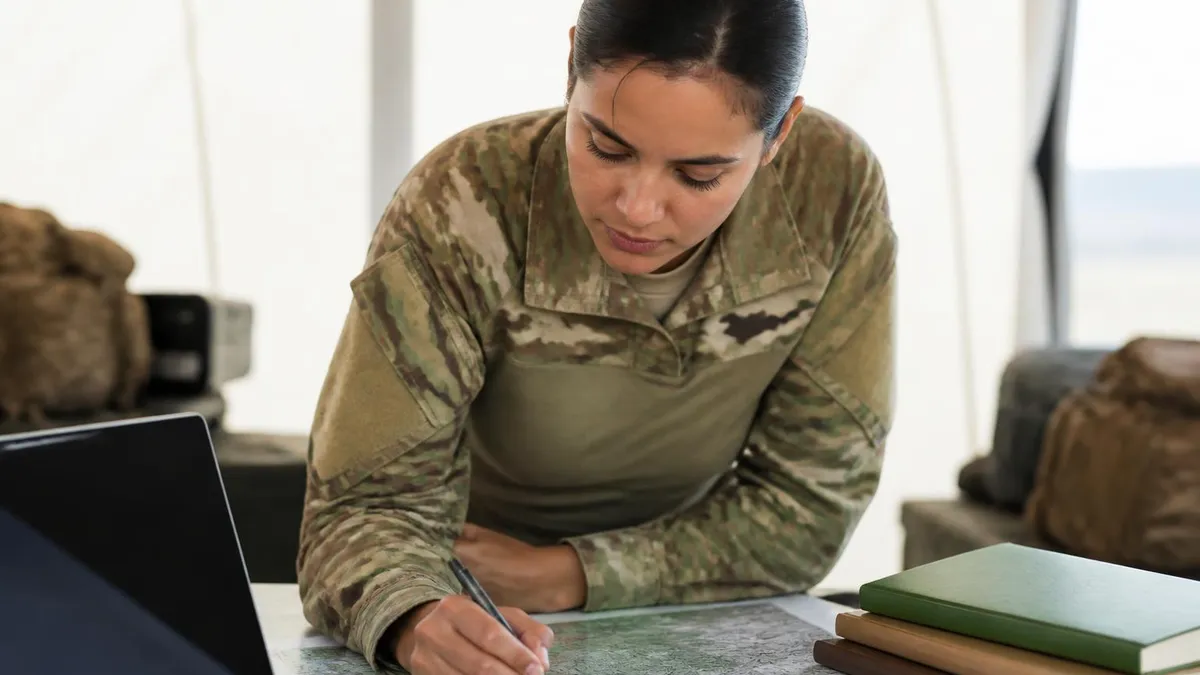
Army ROTC Scholarship Application: Complete 2026 Guide to Winning a Full-Tuition Award

ROTC Uniform Rules: The Complete Guide for Cadets
About the Author

Educational Psychologist & Academic Test Preparation Expert
Columbia University Teachers CollegeDr. Lisa Patel holds a Doctorate in Education from Columbia University Teachers College and has spent 17 years researching standardized test design and academic assessment. She has developed preparation programs for SAT, ACT, GRE, LSAT, UCAT, and numerous professional licensing exams, helping students of all backgrounds achieve their target scores.
Join the Discussion
Connect with other students preparing for this exam. Share tips, ask questions, and get advice from people who have been there.
View discussion (9 replies)