
How to Become a Certified Peer Support Specialist: Complete Training Guide
Learn how to become a certified peer support specialist — training requirements, exam steps, salary, and jobs. Complete 2026 October guide for aspiring PSS... 🔎
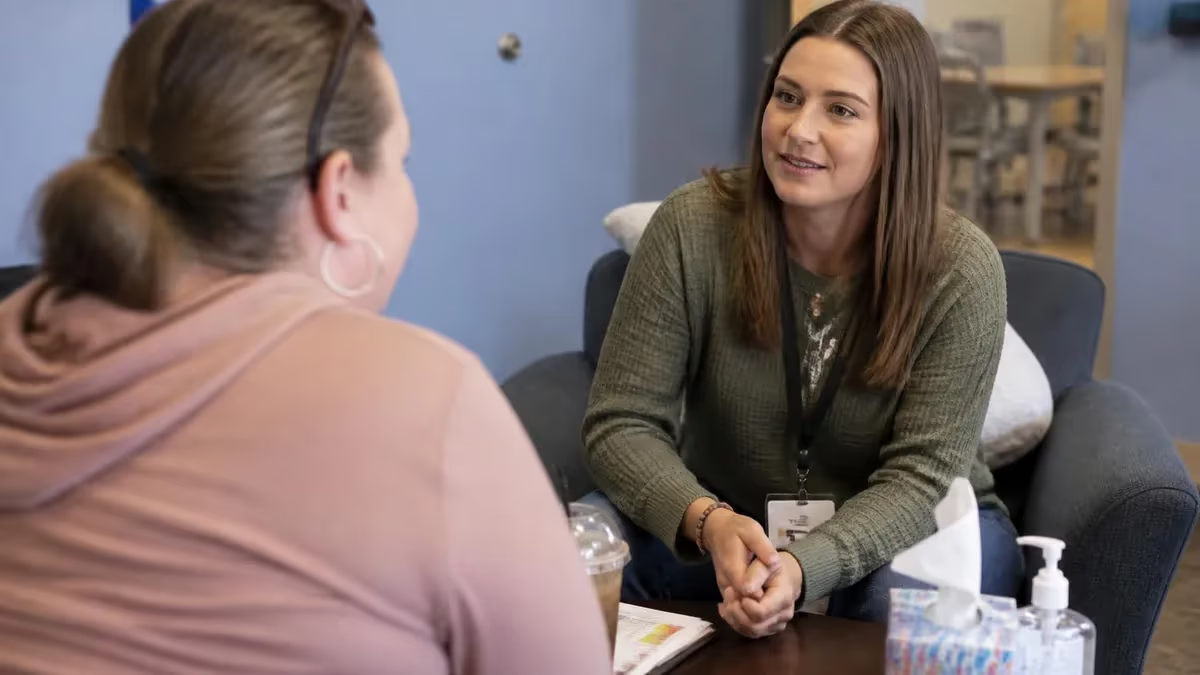
If you are wondering how to become a certified peer support specialist, you are stepping into one of the fastest-growing and most personally meaningful roles in behavioral health. A peer support specialist is someone who has lived experience with mental health challenges, substance use recovery, or both, and who uses that experience to guide, encourage, and enable others facing similar struggles. The certification process formalizes that lived experience into a recognized professional credential, making you eligible for employment in clinics, hospitals, community mental health centers, and peer-run organizations across the United States.
The demand for certified peer support professionals has surged dramatically over the past decade. Medicaid reimbursement for peer services was introduced in most states, creating thousands of funded positions that simply did not exist before. Mental health systems increasingly recognize that clinical expertise alone is not enough — people in recovery respond powerfully to someone who genuinely understands what they are going through from personal experience. This shift has improved the peer specialist role from a volunteer position to a valued, paid career with defined competencies and career ladders.
Each state administers its own peer support specialist certification program, which means requirements vary significantly depending on where you live. However, the core elements are remarkably consistent: you must have documented lived experience with mental illness or substance use, complete a state-approved training program typically ranging from 40 to 70 hours, pass a written examination, and meet continuing education requirements to maintain your credential. Some states also require a background check and references from supervisors or community members who can vouch for your recovery stability.
The training curriculum draws from evidence-based models including SAMHSA's guiding principles of recovery, Wellness Recovery Action Planning (WRAP), Motivational Interviewing, and trauma-informed care approaches. These frameworks give peer specialists practical tools for supporting others — not just the empathy that lived experience provides, but structured techniques for goal setting, crisis de-escalation, and systems navigation. You will learn how to maintain professional boundaries while still sharing authentically, a balance that is central to effective peer support work.
Once certified, your career options are broader than most people expect. Peer specialists work in emergency departments, jails and prisons, homeless shelters, veterans' services, child welfare agencies, and integrated health clinics. Some go on to become supervisors, program coordinators, or trainers who certify the next generation of peer specialists. Others pursue additional credentials in areas like wellness coaching, case management, or community health work to expand their scope of practice and earning potential over time.
This guide walks you through every step of the process — from confirming your eligibility and choosing a training program, to passing the certification exam, finding your first peer specialist job, and growing within this rewarding career. Whether you are brand new to behavioral health or a seasoned volunteer looking to go professional, the information here will help you move forward with clarity and confidence. The path is well-marked, the support is real, and the work is genuinely life-changing for both you and the people you serve.
Use the table of contents below to navigate directly to the section most relevant to your current stage. If you are already in training and want to test your knowledge right now, jump to the free practice questions at the bottom of this page — they cover every major domain on the certification exam and are a great way to gauge your readiness before test day.
Peer Support Specialist by the Numbers

Step-by-Step Path to Peer Support Specialist Certification
Confirm Eligibility Requirements
Choose and Enroll in a State-Approved Training
Complete Training and Core Competencies
Submit Your Certification Application
Pass the Certification Exam
Receive Credential and Begin Working
Understanding the training requirements for peer support specialist certification is essential before you commit to a program, because the details vary considerably from state to state and the wrong choice can cost you time and money. All legitimate programs must be approved by your state's certifying body — this is a non-negotiable baseline.
When evaluating programs, ask specifically whether they are approved in your state, what the refund policy is if the program loses approval, and whether the training credits will transfer if you later move to a different state. These are practical questions that will protect your investment from the outset.
The curriculum in most state-approved peer support specialist training programs covers eight to ten core competency domains. These typically include recovery and resiliency principles, the ethics of peer support and confidentiality, trauma-informed approaches, person-centered planning, documentation and service coordination, advocacy and systems navigation, cultural humility, and crisis support skills. Some advanced programs also include modules on co-occurring disorders, motivational interviewing, and wellness tools like WRAP (Wellness Recovery Action Planning), which teaches both participants and helpers to identify early warning signs and create personalized prevention plans.
Training formats have evolved significantly since the COVID-19 pandemic made remote learning a necessity. Today, you can find fully asynchronous online programs that let you complete coursework on your own schedule, synchronous online cohorts where you learn live with other participants via video conferencing, in-person intensive formats that compress the training into five to seven full days, and hybrid models that combine online content with in-person practicum hours. Each format has trade-offs: asynchronous programs offer maximum flexibility but may provide less peer community during training; intensive in-person cohorts build strong relationships but require you to take significant time off work.
The cost of peer support specialist training ranges widely. Some state programs offer training at no cost to applicants who meet income criteria or who are already enrolled in state-funded services. Community mental health centers and behavioral health organizations sometimes sponsor employees' training as a workforce development investment, covering all costs in exchange for a commitment to work with the organization after certification.
Self-pay programs typically cost between $150 and $500 for the training itself, not counting exam fees, travel, or childcare costs for in-person attendance. When budgeting, also account for the application fee ($25–$150) and any background check costs your state requires.
One of the most important things to understand about the training period is that it is not just preparation for a test — it is an orientation to a professional identity. You will spend time examining your own story and deciding what to share, how to share it, and with whom.
Peer specialists use intentional self-disclosure as a therapeutic tool, and learning to do this thoughtfully — rather than spontaneously — is one of the key skills the training is designed to build. Trainers often share their own experiences alongside participants, creating a learning environment that models the very approach you will use in your future role.
After completing training, most programs issue a certificate of completion that you submit with your certification application. Some states have a waiting period between completing training and sitting for the exam, during which they review your application and conduct any required background check. Use this window wisely: review your training materials, complete practice questions, and connect with other recent graduates in your cohort who may be preparing for the same exam. Study groups formed during training can be invaluable resources during the exam preparation period, especially for candidates who do not have a background in mental health or social services.
If you are already working in a behavioral health setting — as a case manager, direct support professional, or community health worker — you may find that much of the training content reinforces skills you have already developed informally. The value of going through the formal program is not just the credential but the structured language and framework it provides. Having shared vocabulary with clinical colleagues, understanding what documentation is required, and knowing your ethical obligations as a peer specialist makes you a more effective advocate for the people you support and a more credible member of the care team.
Peer Support Specialist Certification: Exam Domains and Study Tips
The recovery and resiliency domain is typically the largest section of the PSS certification exam, accounting for roughly 20 to 30 percent of all questions. You should know SAMHSA's ten guiding principles of recovery by name and by application — the exam frequently presents scenario-based questions where you must identify which principle is being demonstrated or violated. Key concepts include self-determination, person-centered care, the non-linear nature of recovery, and the importance of community and family support systems in sustaining long-term wellness.
Beyond SAMHSA's framework, expect questions on specific recovery models like the Wellness Recovery Action Plan (WRAP), developed by Mary Ellen Copeland, and Intentional Peer Support (IPS), developed by Shery Mead. Both frameworks emphasize mutual learning and the role of connection rather than a helper-helpee dynamic. Reviewers frequently ask how these models differ from traditional clinical approaches, so practice articulating those distinctions clearly. Use flashcards or practice tests to drill recovery vocabulary until key terms feel automatic and second nature before exam day.

Is Becoming a Certified Peer Support Specialist Right for You?
- +Turns personal lived experience into a recognized professional credential with real earning potential
- +High job growth — peer specialist positions are expanding rapidly due to Medicaid reimbursement changes
- +Work that is deeply meaningful — you directly support people in their recovery journey every day
- +Low educational barrier — no college degree required in most states, training is 40-70 hours
- +Flexible work settings — hospitals, clinics, shelters, jails, veteran services, and community organizations
- +Career ladder — many certified PSS professionals advance to supervisory, training, or program director roles
- −Pay varies widely by state and employer — entry-level roles may start below $18 per hour in some regions
- −Emotional labor is real — supporting people in crisis can lead to secondary trauma and burnout if unmanaged
- −Certification requirements differ by state, so credentials may not transfer if you relocate
- −Continuing education and renewal fees create ongoing costs that must be budgeted for each year
- −Scope of practice limitations can be frustrating when you see needs you are not authorized to address directly
- −Stigma within some clinical teams — peer roles are not always fully valued alongside licensed clinicians
Pros and Cons at a Glance
| Pros | Cons |
|---|---|
| Turns personal lived experience into a recognized professional credential with real earning potential | Emotional labor is real — supporting people in crisis can lead to secondary trauma and burnout if unmanaged |
| High job growth — peer specialist positions are expanding rapidly due to Medicaid reimbursement changes | Certification requirements differ by state, so credentials may not transfer if you relocate |
| Work that is deeply meaningful — you directly support people in their recovery journey every day | Continuing education and renewal fees create ongoing costs that must be budgeted for each year |
| Flexible work settings — hospitals, clinics, shelters, jails, veteran services, and community organizations | Scope of practice limitations can be frustrating when you see needs you are not authorized to address directly |
| Career ladder — many certified PSS professionals advance to supervisory, training, or program director roles | Stigma within some clinical teams — peer roles are not always fully valued alongside licensed clinicians |
Peer Support Specialist Certification Exam Prep Checklist
- ✓Confirm your state's certification body and download the official exam content outline or blueprint.
- ✓Verify your training program is state-approved before enrolling — not after.
- ✓Complete all required training hours and request your official certificate of completion.
- ✓Submit your certification application with all required documents, fees, and lived experience documentation.
- ✓Review SAMHSA's ten guiding principles of recovery until you can recall and apply each one.
- ✓Study the ethics of peer support: boundaries, mandatory reporting, HIPAA, and scope of practice.
- ✓Practice person-centered language by rewriting deficit-based statements into strength-based alternatives.
- ✓Complete at least 150 practice questions across all exam domains before your test date.
- ✓Form or join a study group with fellow training graduates to review difficult concepts together.
- ✓Schedule your exam date as soon as your application is approved to maintain study momentum.
Scenario Questions Are the Majority — Practice With Real Situations
Most state PSS certification exams are 70 to 80 percent scenario-based, not definition recall. A question will describe a situation — a person in crisis, an ethical dilemma, a documentation decision — and ask what the peer specialist should do. Drill with practice scenarios, not just flashcards, so you can apply principles under pressure rather than just recite them from memory.
Peer support specialist jobs are available in a remarkably wide range of settings, and understanding the landscape before you start applying can help you target roles that fit your experience, energy level, and long-term goals. Community mental health centers are the most common employers, hiring peer specialists to work alongside case managers and therapists in outpatient settings.
Hospital systems — particularly emergency departments and inpatient psychiatric units — increasingly hire peer specialists to support patients during high-stress transitions, such as discharge planning after a crisis hospitalization. Crisis stabilization centers are another growing employer, using peer specialists around the clock to provide support to people who need intensive help but not inpatient admission.
The peer support specialist certification also opens doors in settings that many new graduates do not initially consider. Veterans' services organizations, including VA medical centers, employ peer specialists specifically to support veterans with PTSD, substance use disorders, and other service-connected mental health conditions.
Child welfare agencies hire family peer advocates — a specialized form of peer support — to work with parents involved in the child welfare system who have their own histories of trauma, substance use, or mental illness. Corrections-based peer programs place certified specialists in jails, prisons, and reentry programs to support incarcerated and recently released individuals in building recovery-oriented lives after involvement with the justice system.
Peer support specialist salary figures vary significantly by geography, setting, and level of experience. National data from the Bureau of Labor Statistics and salary aggregators like Indeed and Glassdoor suggest an average annual salary of approximately $40,000 to $55,000 for entry-level certified peer specialists in community-based settings. More experienced specialists working in hospital systems, federal programs, or supervisory roles can earn $60,000 to $75,000 annually.
States with higher costs of living — California, New York, Massachusetts, Washington — typically offer higher wages, while rural states may pay closer to $35,000 for the same role. Benefits packages, which often include health insurance, paid time off, and retirement contributions, can add significant value on top of base pay.
Career advancement in peer support is increasingly structured. Many states now have a tiered credentialing system with multiple levels — for example, Peer Support Specialist, Senior Peer Support Specialist, and Peer Support Supervisor — each requiring additional experience, training, and sometimes a more advanced exam.
Organizations like the National Association of Peer Supporters (N-WRAP) and the International Association of Peer Supporters (iNAPS) offer national certifications that can supplement state credentials and demonstrate a higher level of professional commitment to employers across state lines. These national credentials are particularly valuable for specialists who plan to work in federal programs, academic settings, or multistate organizations.
For those interested in the business side of peer services, some certified specialists go on to found or lead peer-run organizations — nonprofits or social enterprises operated by and for people with lived experience of mental health or substance use challenges.
These organizations, sometimes called peer-run respites, warm lines, or drop-in centers, are a growing part of the behavioral health ecosystem and often provide more flexible, consumer-friendly alternatives to clinical services. Leading such an organization requires not just peer support skills but nonprofit management, grant writing, and community organizing competencies — areas where additional professional development is well worth the investment.
If you are weighing whether to pursue the certified peer support specialist credential now versus waiting, consider that the job market for peer specialists is currently more favorable than it has been at any point in the profession's history.
Medicaid's recognition of peer support as a reimbursable service has created sustainable funding streams that did not exist a decade ago, and the workforce shortage in behavioral health is driving organizations to prioritize hiring and retaining qualified peer specialists. Waiting has no strategic benefit — the credential is achievable, the training is accessible, and the work is needed right now in communities across every state.
Job boards specifically focused on peer support positions include SAMHSA's resource locator, state mental health authority websites, and platforms like Mental Health America's job board and peer support-specific listings on Indeed. Networking through your training cohort and connecting with local chapters of NAMI (National Alliance on Mental Illness) can also surface unadvertised opportunities, particularly in smaller community organizations where word-of-mouth hiring is common. LinkedIn profiles that clearly state your PSS credential and highlight your lived experience — within comfortable boundaries — tend to attract more recruiter attention than generic resumes in the behavioral health space.
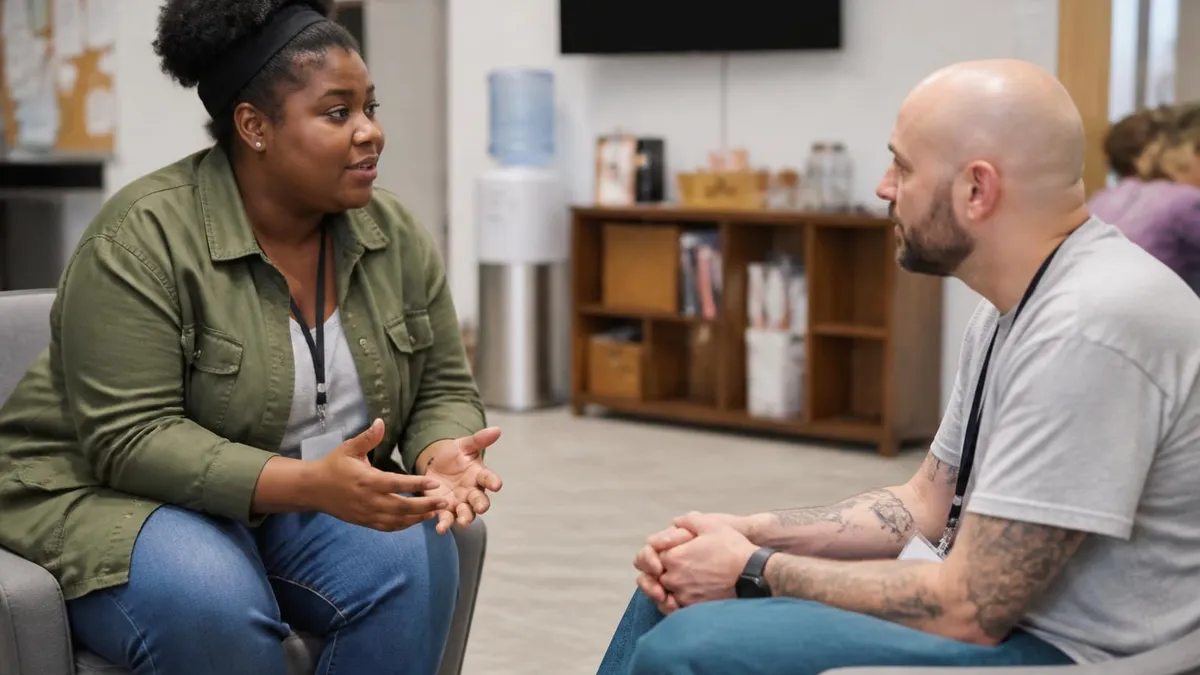
Peer support specialist certifications are state-specific, and most do not automatically transfer if you move. Before relocating, contact both states' certifying bodies to understand the reciprocity process — some states accept out-of-state credentials with a simple endorsement application, while others require you to retake the full training or exam. Check renewal deadlines carefully: a lapsed credential can interrupt your ability to bill Medicaid-funded services and may require you to restart the full certification process from the beginning.
Maintaining your peer support specialist certification requires ongoing commitment, but the continuing education requirements serve a genuine professional purpose — they keep your skills current, expose you to emerging evidence-based practices, and help you prevent burnout by regularly reconnecting with the values and frameworks that make peer support effective. Most states require between 12 and 18 continuing education units (CEUs) per year or per two-year renewal cycle. These hours can typically be earned through a mix of in-person workshops, online courses, conferences, and supervisor-approved self-study activities such as reading peer-reviewed articles or attending webinars from recognized behavioral health organizations.
The renewal application process is usually straightforward: you submit proof of completed CEUs, pay a renewal fee (typically $25 to $100), and in some states, provide a supervisor attestation confirming that you are actively practicing peer support within your scope of certification. A few states also require a short ethics refresher as part of every renewal cycle — this is worth taking seriously even if it feels routine, because ethical standards in peer support are evolving as the field matures and as new practice settings create new dilemmas that were not addressed in original training curricula.
Continuing education topics that are both widely available and particularly valuable for experienced peer specialists include advanced motivational interviewing, co-occurring disorders support, trauma-informed practices, working with specific populations (veterans, LGBTQ+ individuals, older adults, people with intellectual and developmental disabilities), supervision and mentorship skills, and wellness and self-care strategies.
The last topic is especially important for experienced peer specialists who may be at risk of secondary traumatic stress or compassion fatigue after years of supporting others through difficult circumstances. Building your own wellness practices is not a luxury — it is a professional responsibility that directly affects the quality of support you can provide.
For peer specialists who want to deepen their expertise without necessarily moving into management, specialty certifications offer a valuable path. The Certified Peer Recovery Support Specialist (CPRSS) designation, offered by several national organizations, focuses specifically on substance use recovery contexts. The Certified Recovery Support Specialist (CRSS) credential offered in some states emphasizes mental health recovery. Wellness coaching certifications from organizations like the National Wellness Institute or the Health and Wellness Coaching Board allow peer specialists to expand their toolkit and command higher hourly rates for specialized services, particularly in integrated health and employee assistance settings.
The role of technology in peer support is expanding rapidly, and continuing education that covers telehealth peer support, warm line operations, app-based wellness tools, and remote engagement strategies is increasingly relevant for specialists working in any setting. The COVID-19 pandemic accelerated the adoption of virtual peer support dramatically, and many of the virtual practices adopted out of necessity have proven as effective as in-person contact for certain populations and types of support. Keeping up with these tools through CEUs and peer-to-peer learning ensures that you remain relevant and effective as the field continues to evolve in a digital direction.
Many certified peer specialists find that the renewal period is a natural time for career reflection — an opportunity to assess whether their current role is still the right fit, whether they want to pursue advancement, or whether a specialty area is calling to them.
Use this moment to connect with your professional network, attend a regional or national conference, and review job postings in your area even if you are not actively looking. The peer support field is evolving quickly, and the specialists who thrive over the long term are those who stay curious, stay connected, and stay committed to their own recovery and growth alongside their professional development.
If you are early in your career and wondering what the next five to ten years might look like, the trajectory for peer support specialists who invest in their professional development is genuinely promising. The field is moving toward standardization at a national level, which will eventually create more consistent pay, clearer career ladders, and greater portability of credentials across state lines.
Organizations like iNAPS are actively working toward a national certification framework that would allow peer specialists to practice across the country without state-by-state recertification, much as nurses and social workers can already do with compact licensure agreements. Getting certified now — and building your experience and reputation while the field is still formalizing — positions you ahead of the curve.
Practical exam preparation for the peer support specialist certification exam is most effective when it starts early and builds systematically across all content domains rather than cramming in the final week before your test date. A well-structured four-week study plan gives you enough time to cover recovery principles, ethics, documentation, advocacy, crisis support, and cultural humility without overwhelming yourself. Begin by downloading your state's official exam content outline — this document tells you exactly which topics are tested and in what proportion, so you can allocate your study hours accordingly rather than guessing what matters most.
Practice questions are the single most efficient study tool for this type of certification exam. Research on test preparation consistently shows that retrieval practice — actively recalling information in response to questions — builds stronger long-term memory than re-reading notes or watching videos.
Aim to complete at least 150 to 200 practice questions before your exam, spread across multiple sessions rather than all at once. After answering each question, read the full explanation for both the correct and incorrect answers — understanding why wrong answers are wrong is just as important as knowing why the right answer is right, especially for nuanced ethics and boundary scenarios.
Time management during the actual exam is a skill that many candidates underestimate. Most state PSS exams allow 2.5 to 3 hours for 100 to 150 questions, which sounds like plenty of time — but scenario-based questions are longer to read and require more careful analysis than simple recall questions. Practice answering questions under timed conditions so you can calibrate your pace.
A good benchmark is to spend no more than 60 to 90 seconds per question on your first pass, marking any questions you are unsure about and returning to them after completing the full test. This prevents single difficult questions from consuming disproportionate time and leaving easier questions unfinished.
Test anxiety is real and worth preparing for directly. If you have experienced test anxiety in the past, practice relaxation techniques — deep breathing, grounding exercises, positive self-talk — and build them into your pre-exam routine so they are automatic on test day.
Many candidates find it helpful to visit the testing site in advance if the exam is in-person, familiarizing themselves with the location and parking so there are no logistical surprises on exam day. Arrive early, bring required identification, and allow yourself to settle in before the exam begins rather than rushing from another obligation straight to the testing center.
Your lived experience, far from being a liability in academic contexts, is a genuine asset on this exam. When you encounter a scenario question where you are not sure of the theoretical answer, trust your experience-based intuition about what respectful, enabling, and recovery-oriented support looks like in practice.
The exam is designed to assess whether you can support people effectively, and if your lived experience has taught you to listen deeply, hold hope, and respect autonomy, those instincts will guide you toward the correct answer more often than not. The theory you learn in training is largely a formalization of principles that effective peer supporters naturally embody.
After passing the exam, the transition from candidate to practicing peer specialist can feel both exciting and daunting. New graduates often report uncertainty about how to apply their training in real-world settings that are more complex and messier than any training scenario. Seeking out a supervisor or mentor who is an experienced peer specialist — not just a clinical supervisor — makes an enormous difference in the first year.
A peer mentor can help you navigate the cultural dynamics of clinical teams, decide what to disclose and when, manage your emotional responses to difficult situations, and build the professional confidence that comes from accumulated experience rather than training alone.
Remember that you do not need to have all the answers to be an effective peer specialist. The most powerful thing you offer the people you support is not expert knowledge but genuine connection, honest hope, and the living proof that recovery is real and possible.
Every person you accompany on their journey benefits from your presence, your persistence, and your willingness to show up — even on the days when the work is hard and the progress is slow. The certification is the door; everything that matters happens on the other side of it, in the real relationships you build and the real lives you help transform.
Sample Certified Peer Support Specialist Practice Questions
Try these questions from our free Certified Peer Support Specialist practice tests. The correct answer and an explanation follow each question.
During a support session, a peer asks for your advice on whether they should stop taking a prescribed medication. As a Certified Peer Support Specialist, what is the proper course of action?
- A. Share your own experience with medication and advise them based on what worked for you.
- B. Encourage them to discuss any medication changes with their prescribing doctor or clinical provider.
- C. Research the medication online and provide them with the information you find.
- D. Agree with their desire to stop medication to empower their self-determination.
Answer: B. Encourage them to discuss any medication changes with their prescribing doctor or clinical provider.
Peer Support Specialists must work within their scope of practice. Providing medical advice, including advice about medication, is outside this scope. The ethical and professional responsibility is to refer the peer to a qualified healthcare professional for medical decisions.
A Certified Peer Support Specialist (CPSS) is working with a peer who discloses that they are having thoughts of harming themselves. The peer insists that the CPSS keep this information confidential. Which of the following is the most appropriate action for the CPSS to take?
- A. Maintain confidentiality as requested by the peer to preserve the trust in the relationship.
- B. Immediately inform their supervisor and follow organizational policies regarding safety concerns.
- C. Contact the peer's family to inform them of the situation without telling the peer.
- D. Advise the peer to go to the emergency room but take no further action if they refuse.
Answer: B. Immediately inform their supervisor and follow organizational policies regarding safety concerns.
The primary ethical responsibility of a Peer Support Specialist is to ensure the safety of the peer. While confidentiality is a cornerstone of the peer relationship, it has limits, especially when there is a risk of harm to self or others. The correct action is to break confidentiality and report the situation to a supervisor to ensure the peer receives the appropriate level of care.
How many hours of initial training are typically required to become a Certified Peer Support Specialist in most U.S. states?
- A. 10–20 hours
- B. 40–70 hours
- C. 100–120 hours
- D. 200+ hours
Answer: B. 40–70 hours
Most state certification programs require between 40 and 70 hours of initial training, though requirements vary by state.
A peer specialist is asked to co-facilitate a support group. One group member later discloses something privately to the peer specialist that was not shared in the group. How should this information be handled?
- A. Share it with the group because all members should have equal information
- B. Keep it confidential unless a disclosure exception applies
- C. Tell the group facilitator so they can address it in the next session
- D. Document it in the group's shared notes
Answer: B. Keep it confidential unless a disclosure exception applies
Private disclosures outside a group setting are subject to standard confidentiality rules, separate from group dynamics.
Take the full Certified Peer Support Specialist practice test
PSS Questions and Answers




About the Author

Educational Psychologist & Academic Test Preparation Expert
Columbia University Teachers CollegeDr. Lisa Patel holds a Doctorate in Education from Columbia University Teachers College and has spent 17 years researching standardized test design and academic assessment. She has developed preparation programs for SAT, ACT, GRE, LSAT, UCAT, and numerous professional licensing exams, helping students of all backgrounds achieve their target scores.