
Mastering Human Movement: Your Complete Guide to Postural Restoration Certified (PRC)
Pass your Mastering Human Movement: Your Complete exam on the first attempt. Practice questions with detailed answer explanations, hints, and instant scoring.
Posture is more than how you sit or stand—it’s a reflection of how your body moves, breathes, and balances. For physical therapists and movement professionals, understanding and correcting postural imbalances is essential for effective rehabilitation. This is where the Postural Restoration Certified (PRC) credential comes into play.
Awarded by the Postural Restoration Institute® (PRI), the PRC certification is a respected and advanced designation for physical therapists who apply Postural Restoration® principles in clinical practice. This article explores the journey to becoming PRC certified, including the philosophy behind PRI, training requirements, benefits of certification, and how it can elevate your career in physical therapy and rehabilitation.
PRC Practice Test Questions
Prepare for the PRC - Postural Restoration Certified exam with our free practice test modules. Each quiz covers key topics to help you pass on your first try.
PRC Breathing Mechanics & Diaphragm Function
PRC Exam Questions covering Breathing Mechanics & Diaphragm Function. Master PRC Test concepts for certification prep.
PRC Case Analysis & Practical Application
Free PRC Practice Test featuring Case Analysis & Practical Application. Improve your PRC Exam score with mock test prep.
PRC Communication & Client Relations
PRC Mock Exam on Communication & Client Relations. PRC Study Guide questions to pass on your first try.
PRC Neuromuscular Integration & Movement P...
PRC Test Prep for Neuromuscular Integration & Movement Patterns. Practice PRC Quiz questions and boost your score.
PRC Postural Assessment & Biomechanical An...
PRC Questions and Answers on Postural Assessment & Biomechanical Analysis. Free PRC practice for exam readiness.
PRC Exercise Prescription & Home Program D...
PRC Mock Test covering PRC Exercise Prescription & Home Program Design. Online PRC Test practice with instant feedback.
PRC Muscle Imbalance & Pattern Recognition
Free PRC Quiz on PRC Muscle Imbalance & Pattern Recognition. PRC Exam prep questions with detailed explanations.
PRC Professional Standards & Competencies
PRC Practice Questions for Professional Standards & Competencies. Build confidence for your PRC certification exam.
PRC Quality Control & Process Improvement
PRC Test Online for Quality Control & Process Improvement. Free practice with instant results and feedback.
PRC Regulatory Compliance & Legal Framework
PRC Study Material on Regulatory Compliance & Legal Framework. Prepare effectively with real exam-style questions.
PRC Research Methods & Evidence-Based Prac...
Free PRC Test covering Research Methods & Evidence-Based Practice. Practice and track your PRC exam readiness.
PRC Risk Assessment & Mitigation
PRC Exam Questions covering Risk Assessment & Mitigation. Master PRC Test concepts for certification prep.
Key Takeaways
Free PRC Practice Test Online
The Postural Restoration Certified (PRC) credential is awarded to licensed physical therapists who demonstrate advanced knowledge of the Postural Restoration Institute’s (PRI) methodologies.
Certification focuses on asymmetrical human movement patterns, respiration mechanics, and postural alignment.
To qualify, applicants must complete several PRI foundational courses, gain practical experience, and pass an intensive certification process.
PRC professionals often work in clinical rehabilitation, athletic performance, and post-surgical therapy, offering a holistic approach to movement and postural correction.
The certification is considered a gold standard in neuromuscular and biomechanical integration, especially in chronic pain management and injury prevention.
Understanding Postural Restoration: A New Lens on Human Movement
The Postural Restoration Institute®, founded by Ron Hruska, MPA, PT, emphasizes that the human body is inherently asymmetrical. Due to this natural asymmetry—such as a dominant diaphragm or right-sided organ positioning—people develop habitual, patterned movements that can lead to postural instability, compensation, and injury.
Postural Restoration® seeks to rebalance these patterns through:
Neuromuscular retraining
Breathing techniques
Muscle inhibition and facilitation
Bilateral integration
Positional sensory integration
It offers a non-surgical, corrective approach for musculoskeletal issues, chronic pain, breathing dysfunction, and movement disorders. Clinicians who master these techniques can treat patients more effectively, particularly those who haven’t responded to conventional therapy.
PRC Key Concepts
What is the passing score for the PRC exam?
Most PRC exams require 70-75% to pass. Check the official exam guide for exact requirements.
How long is the PRC exam?
The PRC exam typically allows 2-3 hours. Time management is critical for success.
How should I prepare for the PRC exam?
Start with a diagnostic test, create a 4-8 week study plan, and take at least 3 full practice exams.
What topics does the PRC exam cover?
The PRC exam covers multiple domains. Review the official content outline for the complete list.
- ✓Review the official PRC exam content outline
- ✓Take a diagnostic practice test to identify weak areas
- ✓Create a study schedule (4-8 weeks recommended)
- ✓Focus on your weakest domains first
- ✓Complete at least 3 full-length practice exams
- ✓Review all incorrect answers with detailed explanations
- ✓Take a final practice test 1 week before exam day
What Is Postural Restoration Certification (PRC)?
The Postural Restoration Certified (PRC) designation is a professional credential for licensed physical therapists who have successfully demonstrated advanced competence in the assessment and treatment of postural dysfunction using PRI principles.
The PRC credential is administered exclusively by the Postural Restoration Institute®. It is not a basic course but a culmination of comprehensive training, application, mentorship, and testing in advanced movement science.
Eligibility Requirements:
To apply for PRC, candidates must:
Be a licensed physical therapist (PT) or physical therapist assistant (PTA).
Complete the PRI foundational courses:
Postural Respiration
Myokinematic Restoration
Pelvis Restoration
Demonstrate a minimum of 2 years of clinical experience utilizing PRI methodology.
Submit a written application and case study.
Attend an in-person testing and evaluation event conducted annually in Lincoln, Nebraska.
PRC Certification Process: What to Expect
The certification journey is rigorous and academically demanding. Here's a breakdown:
1. Coursework Completion
Before applying, candidates must complete the core PRI courses. These courses provide a scientific understanding of:
Diaphragm mechanics
Pelvic asymmetry
Muscle chain compensation
Gait and positional dynamics
Each course combines lecture, practical labs, and patient case reviews.
2. Case Study Submission
Applicants must submit a detailed case study demonstrating their clinical application of PRI techniques. This includes patient history, assessment, intervention strategy, and measurable outcomes.
3. Written and Practical Examination
During the in-person testing event, candidates are assessed through:
A written exam on PRI theory and clinical applications.
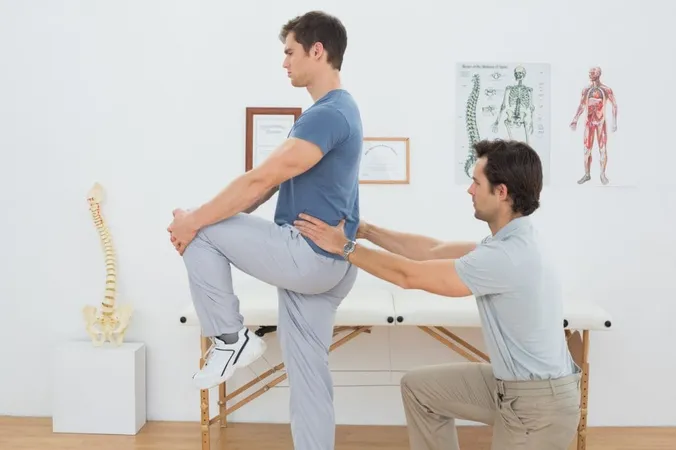
A practical skills evaluation, including patient assessments, manual techniques, and exercise programming.
Peer reviews and mentorship discussions with certified PRC clinicians and PRI faculty.
4. Certification Award
Successful candidates earn the title of Postural Restoration Certified (PRC), allowing them to:
Use the “PRC” designation professionally
Be listed on the PRI website as a certified provider
Access exclusive networking and continuing education opportunities
Benefits of Becoming PRC Certified
1. Advanced Clinical Mastery
PRC certification equips therapists with the tools to assess and correct the root causes of dysfunction, rather than merely treating symptoms. This deepened understanding leads to more successful patient outcomes.
2. Professional Recognition
Having “PRC” after your name distinguishes you as an expert in postural mechanics and neuromuscular integration. It’s a powerful credential for gaining trust from peers, patients, and employers.
3. Expanded Career Opportunities
Certified clinicians often move into roles in:
Orthopedic rehabilitation
Sports performance enhancement
Chronic pain clinics
Respiratory therapy integration
Some also become PRI faculty or instructors, expanding their influence in teaching and mentorship.
4. Patient-Centered Outcomes
PRC clinicians report higher satisfaction rates due to their ability to resolve longstanding issues like SI joint pain, chronic back pain, TMJ dysfunction, and post-concussion syndrome.
Integrating PRC into Practice: Real-World Impact
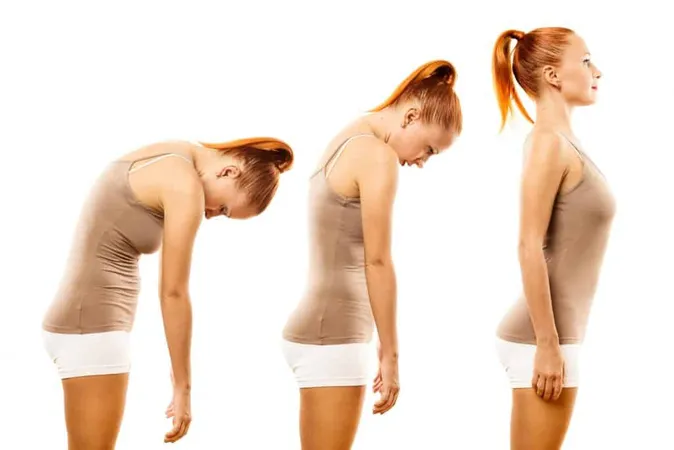
Postural Restoration isn’t a one-size-fits-all model. It’s a dynamic framework that adapts to the unique structural asymmetries and movement patterns of each patient. In practice, PRC-certified therapists:
Assess left-right asymmetries using PRI-specific tests.
Address breathing mechanics with diaphragmatic and positional training.
Use PRI manual techniques for muscle inhibition or facilitation.
Design exercises that promote neuromuscular integration and alignment.
Collaborate with dentists, optometrists, and podiatrists to ensure interdisciplinary care.
From professional athletes recovering from injuries to seniors seeking pain-free mobility, PRC methodologies deliver measurable improvement and holistic healing.
Conclusion
The Postural Restoration Certified (PRC) credential stands as a testament to excellence in physical therapy, biomechanics, and human movement science. For clinicians ready to dive deeper into the root causes of dysfunction, PRC offers a robust and rewarding path. Through rigorous training, hands-on evaluation, and a commitment to client-centered care, PRC certification transforms the way therapists understand and restore the body’s natural balance.
Whether you're looking to sharpen your clinical edge, expand your professional reach, or simply help your patients live better, pain-free lives, the journey to becoming PRC certified is well worth the investment.
- +Industry-recognized credential boosts your resume
- +Higher earning potential (10-20% salary increase on average)
- +Demonstrates commitment to professional development
- +Opens doors to advanced career opportunities
- −Exam preparation requires significant time investment (4-8 weeks)
- −Certification fees can be $100-$400+
- −May require continuing education to maintain
- −Some employers may not require certification
(PRC) Postural Restoration Certified Questions and Answers
About the Author
Certified Professional Development Expert & Niche Certification Advisor
University of Pennsylvania Graduate School of EducationDr. Alexandra Kim holds a PhD in Professional Studies from the University of Pennsylvania and is a Certified Professional in Learning and Performance (CPLP) and Certified Professional in Talent Development (CPTD). With 17 years of corporate training and professional certification advisory experience, she helps professionals navigate specialized, emerging, and cross-industry certification programs.