
A Complete Guide to Pediatric Emergency Assessment, Recognition, and Stabilization (PEARS)
Pediatric emergencies present unique challenges that require specialized knowledge and skills. The Pediatric Emergency Assessment,
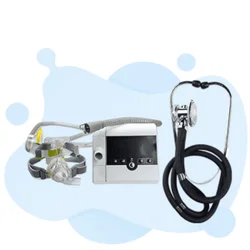
Pediatric emergencies present unique challenges that require specialized knowledge and skills. The Pediatric Emergency Assessment, Recognition, and Stabilization (PEARS) program equips healthcare providers with the competencies necessary to assess, recognize, and stabilize critically ill or injured infants and children effectively. This article delves into the PEARS program, exploring its objectives, training components, and its role in improving pediatric emergency readiness.
PEARS Practice Test Questions
Prepare for the PEARS - Pediatric Emergency Assessment, Recognition, and Stabilization exam with our free practice test modules. Each quiz covers key topics to help you pass on your first try.
PEARS Emergency Recognition
PEARS Exam Questions covering Emergency Recognition. Master PEARS Test concepts for certification prep.
PEARS Post-Resuscitation Care and Monitoring
Free PEARS Practice Test featuring PEARS Post-Resuscitation Care and Monitoring. Improve your PEARS Exam score with mock test prep.
PEARS Vascular Access and Medication Admin...
PEARS Mock Exam on PEARS Vascular Access and Medication Administration. PEARS Study Guide questions to pass on your first try.
PEARS Pediatric Assessment Triangle
PEARS Test Prep for Pediatric Assessment Triangle. Practice PEARS Quiz questions and boost your score.
PEARS - Pediatric Emergency Assessment, Re...
PEARS Questions and Answers on - Pediatric Emergency Assessment, Recognition, and Stabilization Child and Infant BLS. Free PEARS practice for exam readiness.
PEARS - Pediatric Emergency Assessment, Re...
PEARS Mock Test covering - Pediatric Emergency Assessment, Recognition, and Stabilization Managing Respiratory Emergencies. Online PEARS Test practice with instant feedback.
PEARS - Pediatric Emergency Assessment, Re...
Free PEARS Quiz on - Pediatric Emergency Assessment, Recognition, and Stabilization Managing Shock Emergencies. PEARS Exam prep questions with detailed explanations.
PEARS - Pediatric Emergency Assessment, Re...
PEARS Practice Questions for - Pediatric Emergency Assessment, Recognition, and Stabilization Pediatric Cardiac Arrest Care. Build confidence for your PEARS certification exam.
PEARS - Pediatric Emergency Assessment, Re...
PEARS Test Online for - Pediatric Emergency Assessment, Recognition, and Stabilization Pediatric Systematic Assessment. Free practice with instant results and feedback.
PEARS - Pediatric Emergency Assessment, Re...
PEARS Study Material on - Pediatric Emergency Assessment, Recognition, and Stabilization Recognizing Respiratory Emergencies. Prepare effectively with real exam-style questions.
PEARS - Pediatric Emergency Assessment, Re...
Free PEARS Test covering - Pediatric Emergency Assessment, Recognition, and Stabilization Resuscitation Team Dynamics. Practice and track your PEARS exam readiness.
PEARS Pediatric Evaluation
PEARS Exam Questions covering Pediatric Evaluation. Master PEARS Test concepts for certification prep.
Key Takeaways
Free PEARS Practice Test Online
PEARS is a vital training program that enhances healthcare providers' ability to assess, recognize, and stabilize pediatric emergencies.
The course is designed for professionals who may not specialize in pediatrics but are likely to encounter pediatric patients.
A systematic approach to pediatric assessment is crucial for early identification and intervention in critical situations.
National assessments reveal the importance of pediatric readiness in emergency departments and the role of designated coordinators in improving care quality.
Understanding Pediatric Emergency Assessment, Recognition, and Stabilization (PEARS)
PEARS is a course developed by the American Heart Association (AHA) designed for healthcare providers who infrequently encounter pediatric emergencies. The program focuses on enhancing the ability to identify early signs of clinical deterioration in pediatric patients and to provide appropriate interventions to prevent further decline.
Key components of the PEARS course include:
Systematic Pediatric Assessment: Training in a structured approach to evaluate pediatric patients, facilitating prompt recognition of critical conditions.
Recognition of Respiratory and Circulatory Issues: Identifying early indicators of respiratory distress, shock, and cardiopulmonary arrest in children.
Initial Stabilization Techniques: Implementing immediate interventions to stabilize pediatric patients until they can receive advanced care.
By completing PEARS training, healthcare providers enhance their preparedness to manage pediatric emergencies effectively, thereby improving patient outcomes.

What Is PEARS?
PEARS stands for Pediatric Emergency Assessment, Recognition, and Stabilization. It is an educational program aimed at healthcare professionals who do not specialize in pediatrics but may encounter pediatric patients in emergency situations. The course emphasizes the importance of early detection and intervention in pediatric emergencies to prevent progression to more severe conditions.
Pediatric Emergency Assessment
Effective pediatric emergency assessment is crucial for the timely identification of life-threatening conditions. The PEARS course trains participants in a systematic approach to pediatric assessment, which includes:
Initial Impression: Observing the child's appearance, work of breathing, and circulation to determine the severity of the condition.
Primary Assessment: Evaluating airway, breathing, circulation, disability (neurological status), and exposure (temperature and skin signs).
Secondary Assessment: Conducting a focused medical history and physical examination to gather more detailed information.
Tertiary Assessment: Utilizing diagnostic tests and monitoring to further assess the patient's condition.
This structured approach ensures that healthcare providers can quickly identify and address critical issues in pediatric patients.
PEARS Training
PEARS training is designed to provide healthcare providers with the skills necessary to manage pediatric emergencies effectively. The course is suitable for a wide range of professionals, including:
Nurses
Emergency medical technicians (EMTs)
Respiratory therapists
School-based healthcare providers
Outpatient clinic staff
The training includes both theoretical knowledge and practical skills, covering topics such as:
Recognition and management of respiratory distress and failure
Identification and treatment of shock
Cardiopulmonary resuscitation (CPR) for infants and children
Effective communication and teamwork during pediatric emergencies
Upon successful completion of the course, participants receive a PEARS provider certification, valid for two years.

National Assessment of Pediatric Readiness in Emergency Departments
The National Pediatric Readiness Project (NPRP) is an initiative aimed at improving the readiness of emergency departments (EDs) to provide high-quality care for pediatric patients. A national assessment conducted as part of this project evaluated EDs across the United States on their compliance with guidelines for pediatric care.
Key findings from the assessment include:
Presence of Pediatric Emergency Care Coordinators (PECCs): EDs with designated PECCs demonstrated higher levels of pediatric readiness and compliance with established guidelines.
Variability in Readiness Scores: There was significant variability in pediatric readiness scores among EDs, highlighting the need for targeted improvements in certain areas.
The NPRP emphasizes the importance of ongoing quality improvement initiatives to ensure that EDs are adequately prepared to care for pediatric patients.

PEARS Questions and Answers
About the Author
Certified Professional Development Expert & Niche Certification Advisor
University of Pennsylvania Graduate School of EducationDr. Alexandra Kim holds a PhD in Professional Studies from the University of Pennsylvania and is a Certified Professional in Learning and Performance (CPLP) and Certified Professional in Talent Development (CPTD). With 17 years of corporate training and professional certification advisory experience, she helps professionals navigate specialized, emerging, and cross-industry certification programs.