

PAM Practice Test
Updated for September 2026PAM (Physical Agent Modalities Certification) are therapeutic techniques used by licensed healthcare providers, including occupational therapists and physical therapists, to manage pain, enhance tissue healing, and improve mobility in patients. PAM Certification is a specialized credential that demonstrates expertise in the application of these modalities, enhancing the quality of care provided. This guide will help you understand PAMs, their types, certification requirements, training programs, and how they can benefit your career in healthcare.
PAM Practice Test Questions
Prepare for the PAM - Physical Agent Modalities Certification exam with our free practice test modules. Each quiz covers key topics to help you pass on your first try.
PAM Anatomy & Physiology Fundamentals
PAM Exam Questions covering Anatomy & Physiology Fundamentals. Master PAM Test concepts for certification prep.
PAM Documentation & Record Keeping
Free PAM Practice Test featuring Documentation & Record Keeping. Improve your PAM Exam score with mock test prep.
PAM Electrotherapy Techniques
PAM Mock Exam on Electrotherapy Techniques. PAM Study Guide questions to pass on your first try.
PAM Equipment Operation & Maintenance
PAM Test Prep for Equipment Operation & Maintenance. Practice PAM Quiz questions and boost your score.
PAM Light & Laser Therapy
PAM Questions and Answers on Light & Laser Therapy. Free PAM practice for exam readiness.
PAM Mechanical Modalities & Traction Therapy
PAM Mock Test covering Mechanical Modalities & Traction Therapy. Online PAM Test practice with instant feedback.
PAM Medical Ethics & Patient Rights
Free PAM Quiz on Medical Ethics & Patient Rights. PAM Exam prep questions with detailed explanations.
PAM Contraindications & Precautions
PAM Practice Questions for PAM Contraindications & Precautions. Build confidence for your PAM certification exam.
PAM Hydrotherapy & Aquatic Therapy
PAM Test Online for PAM Hydrotherapy & Aquatic Therapy. Free practice with instant results and feedback.
PAM Patient Assessment & Clinical Evaluation
PAM Study Material on Patient Assessment & Clinical Evaluation. Prepare effectively with real exam-style questions.
PAM Regulatory Compliance & Standards
Free PAM Test covering Regulatory Compliance & Standards. Practice and track your PAM exam readiness.
PAM Safety & Infection Control
PAM Exam Questions covering Safety & Infection Control. Master PAM Test concepts for certification prep.
PAM Thermal Modalities
Free PAM Practice Test featuring Thermal Modalities. Improve your PAM Exam score with mock test prep.
Key Takeaways
Free PAM Practice Test Online
Understanding PAMs: Physical Agent Modalities are therapeutic tools that include heat, cold, electrical stimulation, and ultrasound, primarily used to manage pain, promote healing, and improve mobility.
Certification and Training: PAM certification is essential for healthcare providers who wish to include these modalities in their practice. Certification courses cover both theoretical knowledge and hands-on training.
Career Advantages: Certified professionals may see improved job prospects, expanded roles, and better patient outcomes.
What Are Physical Agent Modalities?
PAM (Physical Agent Modalities Certification) refer to treatments that use physical energy, such as heat, cold, sound, and light, to address various musculoskeletal and neurological conditions. These modalities are often used in rehabilitation settings to:
- Reduce Pain: PAMs can decrease discomfort, aiding in faster patient recovery and improving their ability to participate in therapy.
- Enhance Tissue Healing: Techniques like ultrasound and electrical stimulation help reduce inflammation and encourage cellular repair.
- Restore Mobility: Modalities like heat therapy can improve flexibility and decrease muscle stiffness, making it easier for patients to engage in physical therapy exercises.
PAMs are often considered adjunct therapies, complementing other forms of rehabilitation and therapy to achieve the best outcomes.
PAM Key Concepts
What is the passing score for the PAM exam?
Most PAM exams require 70-75% to pass. Check the official exam guide for exact requirements.
How long is the PAM exam?
The PAM exam typically allows 2-3 hours. Time management is critical for success.
How should I prepare for the PAM exam?
Start with a diagnostic test, create a 4-8 week study plan, and take at least 3 full practice exams.
What topics does the PAM exam cover?
The PAM exam covers multiple domains. Review the official content outline for the complete list.
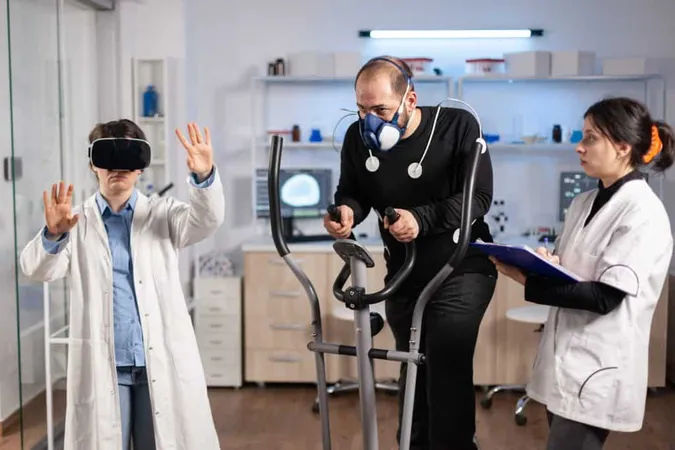
Types of Physical Agent Modalities
Physical Agent Modalities encompass several methods and tools, each designed to address specific therapeutic goals. The main categories of PAMs include:
Thermal Modalities: These modalities include treatments involving both hot and cold therapy. Examples include hot packs, ice packs, paraffin wax, and fluidotherapy, which help in relieving pain, reducing inflammation, and increasing flexibility.
Electrical Stimulation: This modality uses electric currents to stimulate nerves and muscles, often to manage pain or improve muscle function. Types include Transcutaneous Electrical Nerve Stimulation (TENS) and Neuromuscular Electrical Stimulation (NMES).
Ultrasound Therapy: Ultrasound is a widely used technique that promotes tissue healing by using sound waves to penetrate deep into tissues. It is effective in treating conditions such as tendonitis, bursitis, and muscle strains.
Light and Laser Therapy: These modalities use light or laser energy to promote healing and reduce pain. Low-Level Laser Therapy (LLLT) and infrared therapy are common examples, often used to treat soft tissue injuries.
Each modality serves a distinct purpose, and a PAM-certified provider is trained to choose the appropriate type based on the patient’s specific needs and therapeutic goals.
What Does PAM Stand For?
In the context of healthcare and therapy, PAM stands for Physical Agent Modalities. This term is used to describe a variety of tools and techniques that use physical energy to treat pain and aid in patient recovery. PAMs are frequently employed by occupational and physical therapists who have been trained and certified to use these modalities safely and effectively.
For practitioners, obtaining a PAM certification demonstrates a commitment to advanced knowledge in pain management and rehabilitation, as well as a dedication to enhancing patient care.
Physical Agent Modalities Certification Courses
To apply PAMs safely and effectively, many states and institutions require healthcare providers to obtain certification. PAM certification courses are specifically designed to teach the correct application of these techniques and to ensure providers can assess when and how each modality should be used.
Components of PAM Certification Courses:
- Theory and Mechanisms: Courses typically begin with the science behind each modality, covering how different forms of energy interact with the human body.
- Hands-On Application: Practical sessions allow learners to apply modalities in a supervised setting, learning the correct positioning, dosage, and handling of equipment.
- Patient Assessment and Safety: This component teaches candidates how to assess patients to determine the best course of treatment, ensuring the safe application of each modality.
- Compliance with Regulations: PAM certification courses also cover local and national regulations, ensuring that practitioners apply modalities in compliance with healthcare standards.
Courses can range from short, intensive workshops to semester-long classes, and many institutions offer continuing education credits for successful completion. Some states may also require a specific number of supervised clinical hours to obtain full certification.
Physical Agent Modalities Training
Physical Agent Modalities Training is crucial for those who wish to incorporate PAMs into their practice. Training not only includes the technical skills for applying each modality but also emphasizes patient-centered care and safety protocols.
Training Options for PAM Certification:
- On-site Workshops: Many organizations provide in-person workshops that offer immersive training in PAM application. These are beneficial for hands-on practice and often involve role-playing and real-time feedback.
- Online Certification Programs: Some institutions offer online courses that cover the theoretical aspects of PAMs. While practical application may be limited in this format, online courses are ideal for learning the principles and can be followed by hands-on sessions.
- Blended Learning: This approach combines online coursework with in-person training, allowing flexibility for busy professionals who need practical experience.
Quality PAM training programs ensure that practitioners have the confidence and skills needed to use these modalities effectively, contributing to improved patient outcomes and enhancing their professional capabilities.

Conclusion
Becoming certified in PAM (Physical Agent Modalities Certification) is a significant step for healthcare professionals who want to expand their expertise in therapeutic interventions. Certification demonstrates a deep understanding of PAMs and equips professionals to use these treatments effectively, improving patient care and recovery times. By completing a PAM certification course and following it up with practical application, therapists can make a meaningful impact in rehabilitation and pain management.
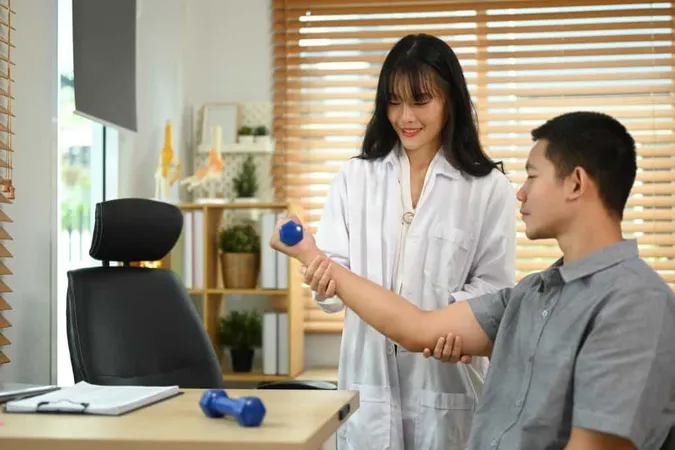
- +Industry-recognized credential boosts your resume
- +Higher earning potential (10-20% salary increase on average)
- +Demonstrates commitment to professional development
- +Opens doors to advanced career opportunities
- −Exam preparation requires significant time investment (4-8 weeks)
- −Certification fees can be $100-$400+
- −May require continuing education to maintain
- −Some employers may not require certification
(PAM) Physical Agent Modalities Certification Questions and Answers
About the Author

Certified Professional Development Expert & Niche Certification Advisor
University of Pennsylvania Graduate School of EducationDr. Alexandra Kim holds a PhD in Professional Studies from the University of Pennsylvania and is a Certified Professional in Learning and Performance (CPLP) and Certified Professional in Talent Development (CPTD). With 17 years of corporate training and professional certification advisory experience, she helps professionals navigate specialized, emerging, and cross-industry certification programs.
Join the Discussion
Connect with other students preparing for this exam. Share tips, ask questions, and get advice from people who have been there.
View discussion (8 replies)