
Mastering the Orthopedic Casting Certification (OCC): A Complete Guide
Mastering the Orthopedic Casting Certification (OCC): In the dynamic field of orthopedics, the ability to properly apply and manage casts is a crucial…
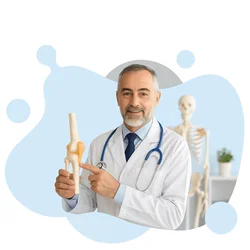
In the dynamic field of orthopedics, the ability to properly apply and manage casts is a crucial skill that directly impacts patient outcomes. The Orthopedic Casting Certification (OCC) is designed to equip healthcare professionals with the specialized knowledge and techniques needed to perform casting procedures effectively and safely. Achieving OCC not only enhances a professional’s skill set but also demonstrates a commitment to excellence in patient care.
This comprehensive article delves into the essentials of the Orthopedic Casting Certification, including its importance, structure, preparation strategies, and valuable resources for aspiring cast technicians and orthopedic healthcare providers.
Key Takeaways
The OCC validates proficiency in orthopedic casting techniques.
Certification enhances professional credibility and career advancement opportunities.
Proper preparation, including practical training, is essential for success.
Numerous accredited resources are available to support certification candidates.
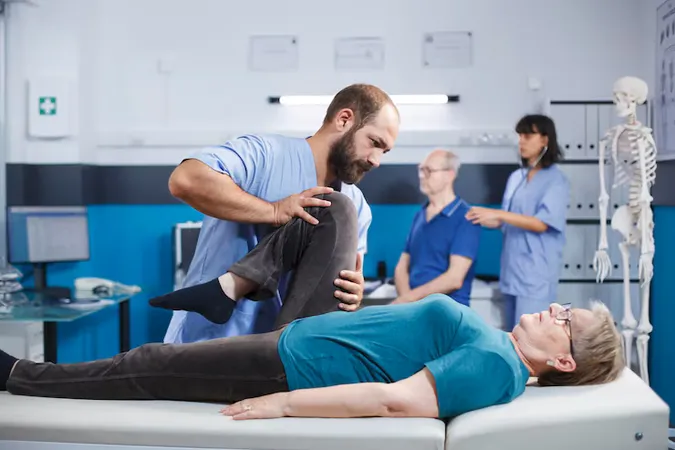
OCC Practice Test Questions
Prepare for the OCC - Orthopedic Casting Certification exam with our free practice test modules. Each quiz covers key topics to help you pass on your first try.
OCC Anatomy & Physiology Relevant to Casting
OCC Exam Questions covering Anatomy & Physiology Relevant to Casting. Master OCC Test concepts for certification prep.
OCC Casting Materials & Techniques
Free OCC Practice Test featuring Casting Materials & Techniques. Improve your OCC Exam score with mock test prep.
OCC Complications & Cast Management
OCC Mock Exam on Complications & Cast Management. OCC Study Guide questions to pass on your first try.
OCC Infection Control, Safety, & Professio...
OCC Test Prep for Infection Control, Safety, & Professional Standards. Practice OCC Quiz questions and boost your score.
OCC Cast Removal & Bivalving
OCC Questions and Answers on OCC Cast Removal & Bivalving. Free OCC practice for exam readiness.
OCC Documentation & Legal Standards
OCC Mock Test covering OCC Documentation & Legal Standards. Online OCC Test practice with instant feedback.
OCC Fracture Types & Casting Indications
Free OCC Quiz on OCC Fracture Types & Casting Indications. OCC Exam prep questions with detailed explanations.
What Is the Orthopedic Casting Certification (OCC)?
The Orthopedic Casting Certification (OCC) is a professional credential awarded to individuals who demonstrate competence in the application, maintenance, and removal of orthopedic casts and splints. This certification is critical for medical professionals who frequently work with musculoskeletal injuries, such as orthopedic technicians, physician assistants, nurses, and emergency medical personnel.
The OCC curriculum typically includes instruction and evaluation on:
Cast Application: Mastery of techniques for different types of casts, including short arm, long arm, short leg, long leg, and body casts.
Splinting: Temporary immobilization techniques used for fractures, sprains, or surgical recovery.
Patient Care: Proper management of casted limbs, including monitoring for complications like compartment syndrome or skin breakdown.
Cast Removal: Safe and efficient removal methods using specialized tools.
Achieving certification assures employers and patients that the practitioner meets high standards of orthopedic care.
Why Is OCC Important?
The Orthopedic Casting Certification serves several key purposes:
Professional Validation: It signifies expertise in specialized casting skills recognized across healthcare settings.
Patient Safety: Certified individuals are trained to recognize complications early, ensuring better patient outcomes.
Career Advancement: Certification can open doors to leadership roles, specialized positions, and salary increases.
Compliance: Some healthcare institutions require OCC certification for employment in orthopedic departments.
Given the importance of proper casting in injury recovery, having certified professionals ensures a higher standard of care across the industry.
Preparing for the OCC
Achieving OCC requires thorough preparation, combining theoretical knowledge with hands-on practice. Here are recommended strategies:
Enroll in Accredited Training Programs: Choose courses recognized by professional organizations, offering a mix of classroom instruction and supervised practice.
Use Official Study Materials: Access recommended textbooks, study guides, and videos that align with OCC standards.
Practice Hands-On Skills: Regularly practice casting techniques on simulation models or in clinical settings under supervision.
Attend Workshops and Conferences: Engage in hands-on workshops that provide direct feedback from experienced instructors.
Understand Anatomy and Physiology: A solid understanding of musculoskeletal anatomy enhances decision-making during casting and splinting.
Preparation should emphasize both speed and accuracy, as assessments often include timed practical exams.
Certification Requirements
While specific prerequisites for OCC may vary depending on the certifying body, common requirements include:
Healthcare Background: Candidates typically have a background in allied health, nursing, emergency medicine, or orthopedics.
Training Completion: Successful completion of an accredited casting and splinting course.
Practical Experience: Documented clinical experience applying orthopedic casts and splints under supervision.
Written Examination: Demonstrating theoretical knowledge of casting principles, patient care, and complications.
Practical Examination: Demonstrating hands-on proficiency in casting and splinting techniques.
Candidates should verify requirements with the certification provider to ensure eligibility and compliance.
Career Opportunities with OCC
Holding an Orthopedic Casting Certification can lead to enhanced roles in various healthcare environments, including:
Hospitals: In orthopedic departments, emergency rooms, and trauma units.
Outpatient Clinics: Specializing in musculoskeletal injuries or post-surgical recovery.
Sports Medicine Centers: Providing immobilization and support for athletic injuries.
Military and Veterans' Health Services: Assisting service members with orthopedic rehabilitation.
The OCC signals a high level of expertise, making certified individuals highly valuable to employers seeking skilled orthopedic support staff.
COSS construction safety candidates often also prepare with our MSHA practice test for the safety regulations and hazard control principles both occupational safety certifications assess.
TAGME technologist candidates often also prepare with our NBME practice test 2026 for the clinical science and medical knowledge tested in surgical technology and allied health credentialing.
RHCSA exam candidates often also prepare with our RHCSA practice test 2026 to benchmark their Red Hat Enterprise Linux system administration skills before the performance-based exam.
Birth doulas and childbirth educators pursuing certification often complement their studies with resources like the CNA Practice Test 2026, which covers patient care fundamentals and clinical support knowledge applicable to birth support certification.


About the Author
Certified Professional Development Expert & Niche Certification Advisor
University of Pennsylvania Graduate School of EducationDr. Alexandra Kim holds a PhD in Professional Studies from the University of Pennsylvania and is a Certified Professional in Learning and Performance (CPLP) and Certified Professional in Talent Development (CPTD). With 17 years of corporate training and professional certification advisory experience, she helps professionals navigate specialized, emerging, and cross-industry certification programs.