
NPIP Test: Poultry Health Certification Explained 2026 September
📝 Prepare for the NPIP certification. Practice questions with answer explanations covering all exam domains.

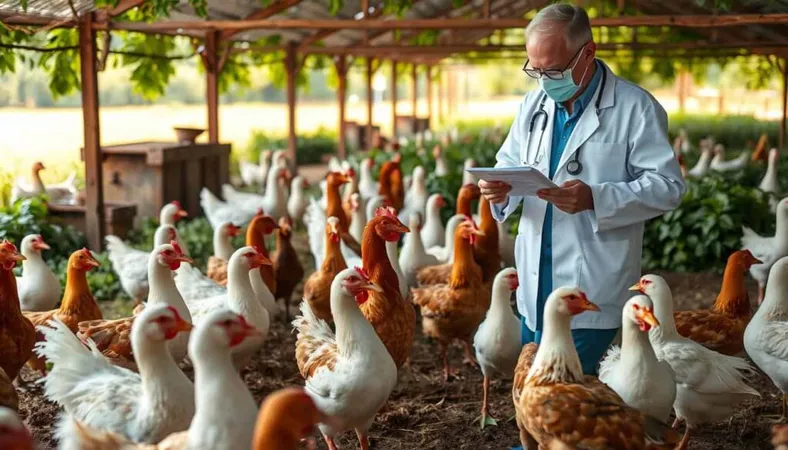
The NPIP (National Poultry Improvement Plan) Test is key for keeping poultry safe in the U.S. It checks for diseases like avian influenza and salmonella. This helps keep the nation's egg and meat production safe and healthy.
This test is important for many reasons. It helps stop diseases from spreading. It also makes sure the poultry industry can trade safely. This keeps everyone's health in mind.
Key Takeaways
- The NPIP Test is a crucial certification program that ensures poultry health and safety in the United States.
- It addresses a range of poultry diseases, including avian influenza and salmonella, to maintain high biosecurity standards.
- The NPIP certification process plays a vital role in protecting the integrity of egg and meat production.
- The stringent testing requirements of the NPIP help safeguard poultry health and prevent disease spread.
- The NPIP certification facilitates safe trade and commerce in the poultry industry.
Purpose and Objectives
Understanding the NPIP (National Poultry Improvement Plan Certification) Test
The NPIP test is a key program in the U.S. It aims to keep poultry flocks healthy and of high quality. It focuses on stopping the spread of diseases and ensuring safe trade and commerce in poultry.
The USDA oversees the NPIP program. It follows strict rules for disease testing, flock management, and biosecurity measures. The main goals are:
- To keep poultry breeder quality assurance and mycoplasma testing high
- To ensure poultry certification programs are strong and follow USDA poultry regulations
- To control avian influenza and other diseases
- To promote poultry breeding stock certification and poultry testing regulations
- To improve poultry flock management and poultry farm biosecurity measures
General Study Tips
What's the best study strategy for General?
Focus on weak areas first. Use practice tests to identify gaps, then study those topics intensively.
How far in advance should I start studying?
Most successful candidates begin 4-8 weeks before the exam. Create a structured study schedule.
Should I retake practice tests?
Yes! Take each practice test 2-3 times. Focus on understanding why answers are correct, not memorizing.
What should I do on exam day?
Arrive 30 min early, bring required ID, read questions carefully, flag difficult ones, and review before submitting.
Regulatory Framework
Joining the NPIP certification is optional but encouraged for poultry producers and hatcheries. It shows their dedication to poultry health and quality. The program's rules make sure certified farms follow top biosecurity and disease prevention standards.

- +Validates your knowledge and skills objectively
- +Increases job market competitiveness
- +Provides structured learning goals
- +Networking opportunities with other certified professionals
- −Study materials can be expensive
- −Exam anxiety can affect performance
- −Requires dedicated preparation time
- −Retake fees apply if you don't pass
General Questions and Answers
About the Author

Executive Chef & Culinary Arts Certification Educator
Culinary Institute of AmericaChef Marco Bellini is a Certified Executive Chef and graduate of the Culinary Institute of America with over 20 years of professional kitchen experience in Michelin-recognized restaurants. He teaches culinary arts certification, food safety, and hospitality exam preparation, having guided thousands of culinary students through their ServSafe, ProStart, and professional chef certifications.
Join the Discussion
Connect with other students preparing for this exam. Share tips, ask questions, and get advice from people who have been there.
View discussion (5 replies)