
What Does a Nurse Practitioner Do? Full Guide to NP Duties, Specialties, and Daily Work
⏳ What does a nursing practitioner do? Real duties, daily tasks, prescribing power, specialties, and salary for NPs in 2026 August.
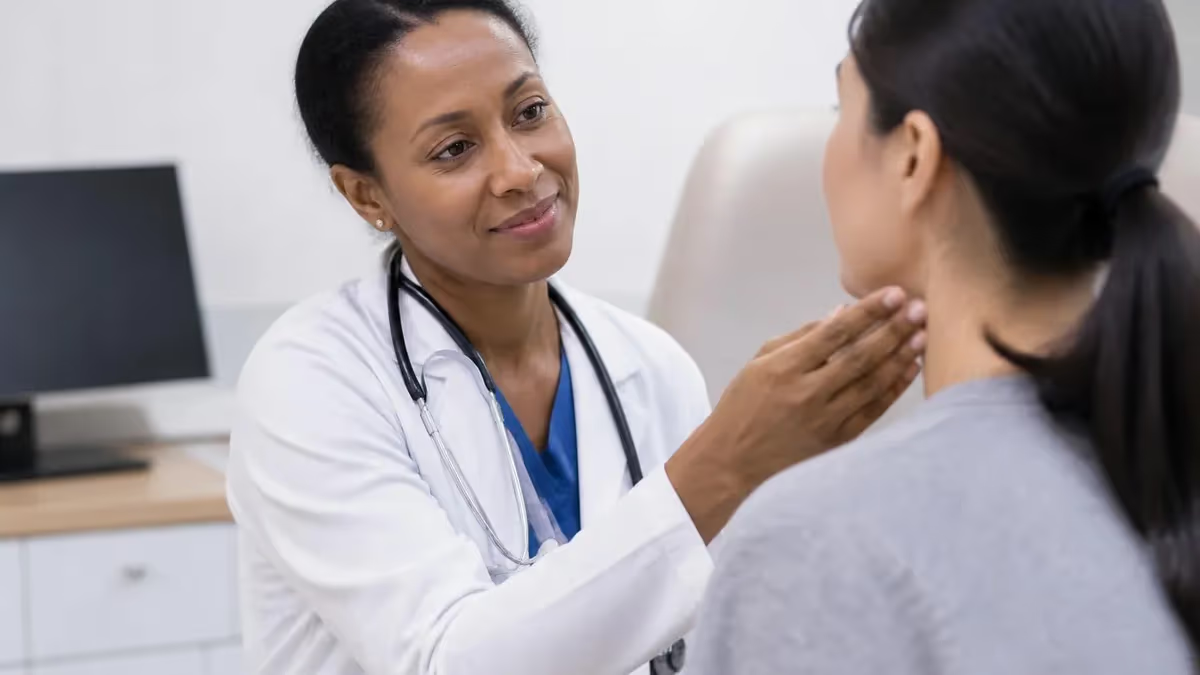
So what does a nurse practitioner actually do all day? Short answer: a lot more than most folks realize. They diagnose. They prescribe. They manage chronic illness, deliver babies in some states, run their own clinics, and sit across from anxious patients explaining lab results without making it weird.
The job sits in a sweet spot between traditional bedside nursing and the kind of medical decision-making people usually associate with physicians. This guide breaks down the day-to-day, the legal stuff, the specialties, and the parts of the role that don't show up in any recruiting brochure.
What a Nurse Practitioner Does (The Honest Version)
A nursing practitioner is an advanced practice registered nurse trained at the master's or doctoral level. The role blends clinical practice with the holistic, patient-centered approach that nursing built its reputation on.
NPs assess patients, order and interpret diagnostic tests, diagnose conditions, write prescriptions, and develop treatment plans. In many states they do all of this without a supervising physician hovering over the chart.
Here's where it gets interesting. The scope of practice varies wildly by state. In a full practice state like Oregon, an NP can hang a shingle, open a clinic, and treat patients start to finish. In a restricted practice state like Texas, the same NP needs a formal collaborative agreement with a physician to do similar work. Same training. Different rules. Same patients who still need care.
The American Association of Nurse Practitioners reports more than 385,000 licensed NPs in the U.S. as of 2024. That number keeps climbing because the math works: primary care shortages, an aging population, and patients who actually like seeing NPs.
Nurse Practitioner by the Numbers
Quick Definition
A nursing practitioner is an advanced practice registered nurse with a master's or doctoral degree who diagnoses conditions, prescribes medication, and manages patient care, often with full or partial autonomy depending on state law.
Daily Duties Broken Down by Setting
An NP working in a rural primary care clinic looks nothing like one staffing an urban emergency department, even though the credential on their badge is identical. Setting shapes everything, including which patients walk through the door and how much autonomy gets exercised.
Primary care NPs handle the bread-and-butter of medicine. Annual physicals, pediatric well-child visits, diabetes management, hypertension follow-ups, mental health screenings, minor procedures like skin biopsies and laceration repairs. They build long-term relationships with patients, which is part of why so many people prefer them. You see the same face every year. The same face remembers your kid's name.
Specialty NPs go deeper into one body system or population. A cardiology NP might spend the day adjusting medications for heart failure patients, reading echocardiograms, and counseling families about transplant evaluations.
A psychiatric mental health nurse practitioner conducts diagnostic interviews, prescribes psychotropic medications, and provides therapy. Same credential at the base. Wildly different daily routines.
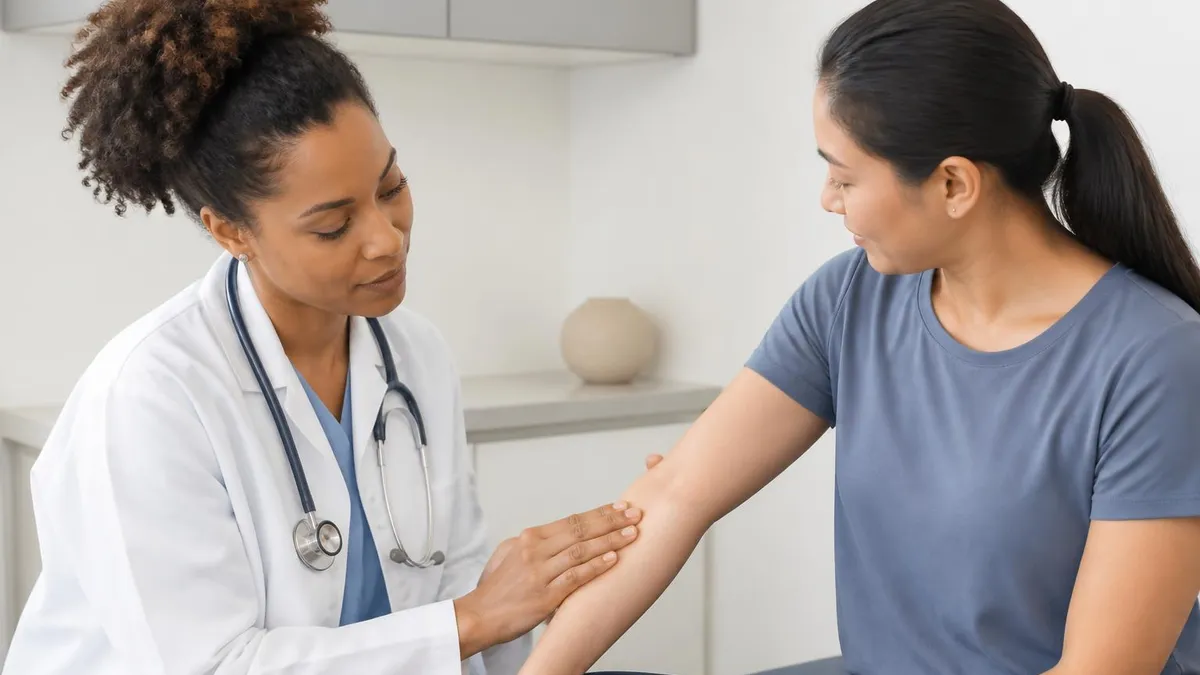
Core Duties Across Settings
Take patient histories, perform physical exams, and screen for risk factors during every clinical encounter.
Order and interpret labs and imaging, identify conditions, and rule out differential diagnoses systematically.
Write prescriptions for medications including controlled substances in most states with DEA registration.
Perform skin biopsies, joint injections, suturing, IUD placement, and other office-based procedures.
Teach patients about diagnoses, medications, prevention strategies, and chronic disease self-management.
Monitor chronic disease over time, adjust treatment plans, and coordinate specialist referrals.
Diagnosis and Clinical Decision-Making
Diagnosis sits at the heart of the role. An NP takes a patient history, performs a physical exam, orders labs and imaging, and synthesizes everything into a working diagnosis. That sounds clinical because it is.
The skill that separates a good NP from a great one is pattern recognition layered with a willingness to question the obvious answer. A 45-year-old comes in with fatigue. Easy diagnosis, right? Maybe it's depression. Maybe it's sleep apnea. Maybe it's hypothyroidism, anemia, undiagnosed diabetes, mononucleosis, or early-stage cancer.
The NP has to weigh the probabilities, decide which tests to order without bankrupting the patient, and explain why we're going to check a few things without triggering panic. Test your skills with our NP diagnosis and clinical decision-making practice questions.
Modern practice leans heavily on evidence-based guidelines. NPs follow USPSTF recommendations for preventive screening, ADA guidelines for diabetes care, JNC criteria for blood pressure management. None of this is improvised. Clinical reasoning gets refined through training, continuing education, and yes, the occasional humbling case that doesn't follow the textbook.
Prescribing Authority and Medication Management
All 50 states and the District of Columbia grant NPs prescriptive authority. The catch is what kind and under what conditions. In full practice states, NPs prescribe medications including controlled substances independently. In reduced and restricted states, prescribing controlled substances may require a collaborating physician's signature.
Day-to-day prescribing covers everything you'd expect a primary care provider to handle. Antibiotics for infections. Antihypertensives for blood pressure. Statins for cholesterol. Antidepressants and anti-anxiety medications. Insulin and oral diabetes drugs. Birth control. Steroid creams.
The list runs into the thousands. Want the granular state-by-state breakdown? Read our piece on whether nurse practitioners can prescribe medication for the specifics.
Pharmacology is a major chunk of NP training and a major chunk of the certification exams. Drug interactions, dosing adjustments for kidney function, pregnancy categories, pediatric dosing, geriatric polypharmacy. The exam questions get unforgiving because the patients are unforgiving. Sharpen up with our NP pharmacology and prescribing practice test.
Patient Education and Health Promotion
Ask any NP what makes their job different from a physician's job and education comes up first. Patient education isn't an afterthought in nursing practitioner training. It's baked into the philosophy.
NPs spend real time explaining diagnoses, demonstrating how to use inhalers, walking families through wound care, and translating medical jargon into language a tired parent at the end of a long day can actually absorb. This matters because patient outcomes hinge on what happens between visits.
The prescription only works if it gets filled. The diet only helps if it gets followed. The follow-up labs only catch the problem if the patient remembers to show up. NPs build that bridge through teaching, motivational interviewing, and the kind of warm, let's-figure-this-out-together tone that nursing trains into people from day one.
Health promotion goes further. Smoking cessation counseling, weight management, sleep hygiene, sexual health education, vaccine schedules. Practice patient education scenarios with our NP patient education and health promotion question bank.
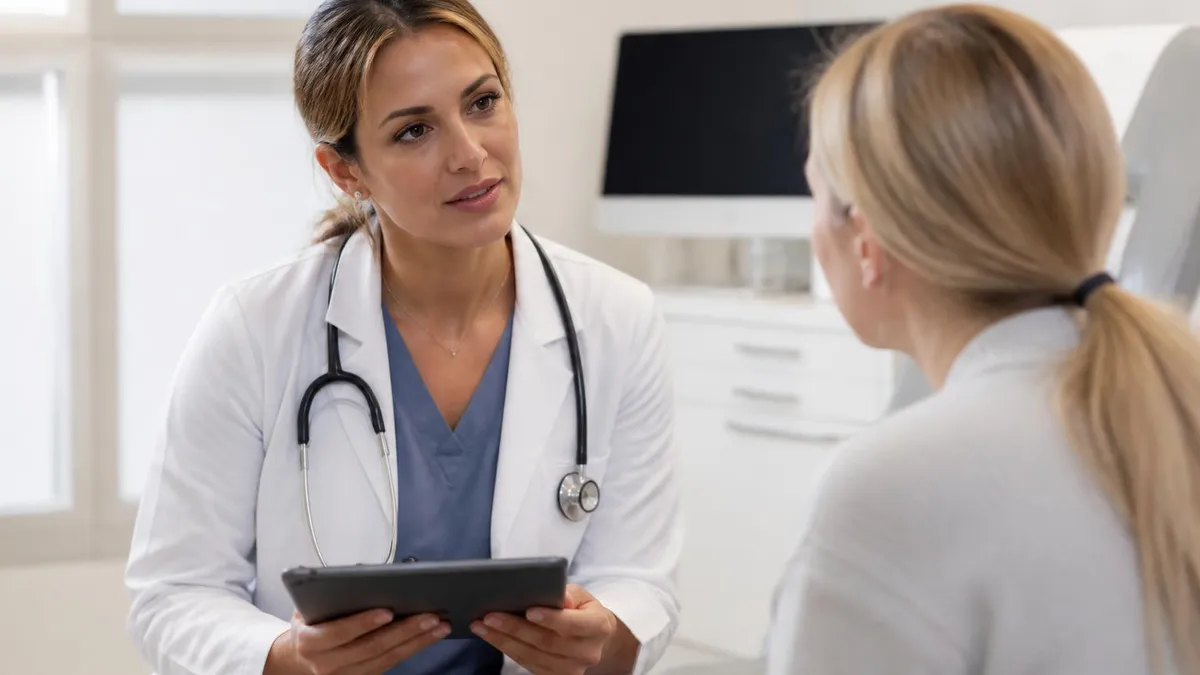
Practice Authority by State Type
NPs evaluate patients, diagnose conditions, order and interpret diagnostic tests, and initiate and manage treatments including prescribing medications and controlled substances independently. Full practice states include Oregon, Washington, Arizona, Colorado, Maine, New Mexico, Iowa, Nebraska, North Dakota, Idaho, Vermont, New Hampshire, Hawaii, Alaska, Connecticut, Rhode Island, Maryland, Delaware, Montana, South Dakota, Wyoming, Minnesota, Nevada, Massachusetts, Kansas, Utah, and New York. NPs in these states can open and run their own clinics without physician oversight.
Procedures and Hands-On Skills
NPs do procedures. Not all of them, and not every NP wants to, but the credential allows a substantial procedural toolkit. Skin biopsies. Joint injections. IUD insertions and removals. Suturing lacerations. Incision and drainage of abscesses. Toenail removals. Cervical cancer screenings. Endometrial biopsies. Cryotherapy for warts.
Procedural training varies by program and by specialty. Family nurse practitioner programs typically cover a broad base of office procedures. Acute care programs lean into central lines, arterial sticks, lumbar punctures, and intubation in some settings. Aesthetic NPs go deep on injectables, lasers, and chemical peels. The credential is the same. The hands learn different things.
Specialties: Where NPs Land After Certification
Nurse practitioners certify in one of several population-focused specialties. The choice shapes the career. Switching specialties later is possible but requires additional coursework, a clinical practicum, and a new certification exam. Most NPs pick once and stay.
Family Nurse Practitioner
The biggest slice of the pie. FNPs treat patients across the lifespan, from newborns to geriatrics. The credential is the most portable because it covers the widest range of settings. Read more about the family nurse practitioner path.
Adult-Gerontology NP
Split into primary care and acute care. Primary care handles outpatient adult medicine. Acute care handles hospitalized adults with complex conditions, ICU-level patients, and post-surgical recovery.
Pediatric NP
Pediatric NPs work in clinics, school health programs, children's hospitals, and pediatric specialty practices. The job comes with sticker books, stickers stuck on faces, and the occasional dramatic exit from a toddler who didn't appreciate the throat exam.
Psychiatric Mental Health NP
One of the fastest-growing specialties. PMHNPs evaluate, diagnose, and treat mental health conditions across the lifespan. They prescribe psychiatric medications and often provide psychotherapy. The mental health provider shortage means PMHNPs are in absurdly high demand right now.
Scope of practice rules change frequently. Several states have passed full practice authority laws in recent years, including New York and Kansas. Always verify current state board of nursing regulations before practicing or applying for licensure.
How NPs Differ From RNs and Physicians
The simplest way to think about it: an RN executes a care plan. An NP creates the care plan. A physician sometimes creates a more complex care plan, often with more years of training behind it, especially in surgical and specialty fields.
The lines blur in primary care, where outcomes data shows NPs and physicians perform comparably for routine chronic disease management. RNs hold bachelor's or associate degrees and provide hands-on bedside care. They administer medications ordered by providers, monitor patients, and coordinate care.
NPs hold master's or doctoral degrees, diagnose conditions independently, and write the orders. Physicians complete four years of medical school plus three to seven years of residency. Their training depth is greater, especially in complex pathology and surgical specialties.
For day-to-day primary care, the gap narrows considerably. Patients often can't tell the difference, and they often don't care. They want someone who listens, explains, and helps them feel better. Want the deeper comparison with PAs? See the difference between nurse practitioner and physician assistant.
Where NPs Work
The settings list keeps expanding. Traditional primary care offices and hospitals still employ the most NPs, but you'll find them everywhere medical care happens.
Urgent care clinics. Telehealth platforms. Correctional facilities. School-based health centers. Veterans Administration hospitals. Home health agencies. Hospice teams. Aesthetics and dermatology offices. Concierge practices. Cruise ships.
Some NPs open their own practices in full practice states. The startup curve is steep but the autonomy is real. Independent practice owners set their own schedules, hire their own staff, and keep the revenue that would otherwise flow to a hospital system. Not for everyone, but a legitimate path.
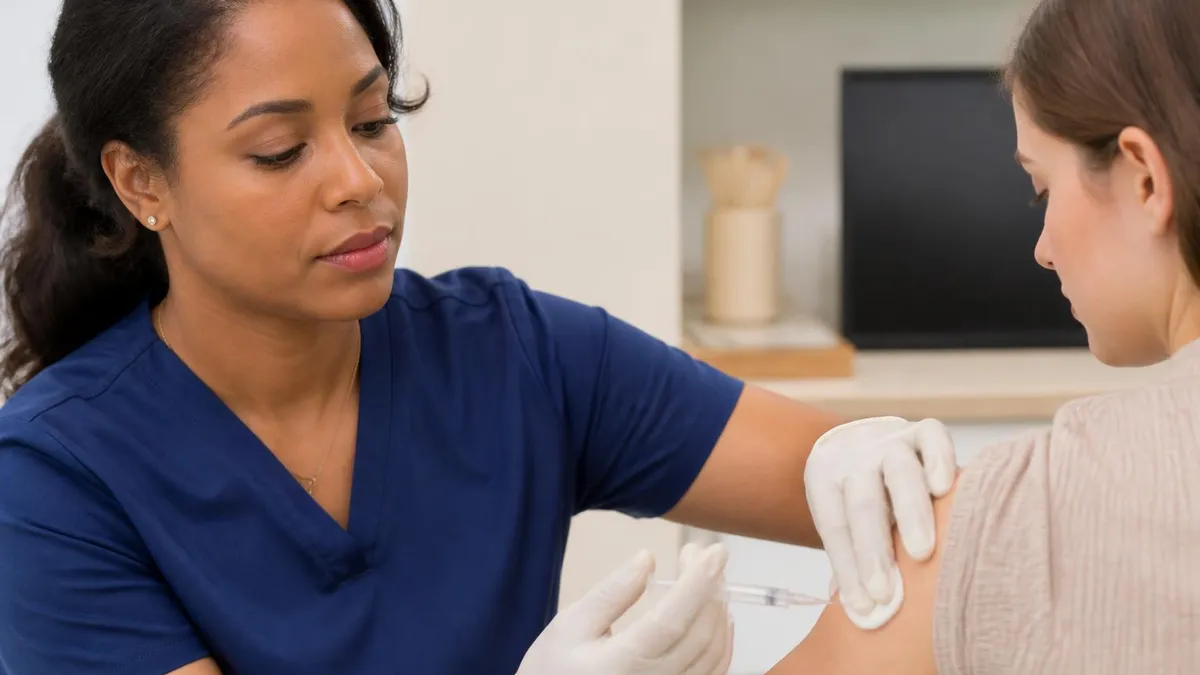
Steps to Become a Nurse Practitioner
- ✓Earn a Bachelor of Science in Nursing (BSN) from an accredited four-year program with passing grades in anatomy, physiology, microbiology, and clinical rotations
- ✓Pass the NCLEX-RN national licensure exam and apply for your state-issued registered nurse license through the state board of nursing
- ✓Gain at least two years of clinical experience as a registered nurse in your area of interest such as primary care, critical care, pediatrics, or psychiatry
- ✓Complete an accredited Master of Science in Nursing (MSN) or Doctor of Nursing Practice (DNP) program in your chosen population focus and clinical specialty
- ✓Complete required supervised clinical hours during graduate study, typically 500 to 1,000 hours depending on program and certification requirements
- ✓Pass a national NP certification exam through the ANCC, AANPCB, PNCB, or another approved certifying body specific to your population focus
- ✓Obtain APRN licensure from your state board of nursing by submitting transcripts, certification proof, background check, and the application fee
- ✓Apply for DEA registration if you plan to prescribe controlled substances, plus any state-controlled substance registrations required where you work
- ✓Maintain certification every five years through continuing education credits, clinical practice hours, and any specialty-specific recertification requirements
Salary and Job Outlook
The Bureau of Labor Statistics lumps NPs into the broader nurse practitioner category, where the 2024 median annual wage sat near $129,480. Pure NP salary data shows a national average closer to $124,000, with substantial variation by specialty, setting, and geography.
Get the full breakdown at our nurse practitioner salary guide. Job growth projections are aggressive. BLS forecasts roughly 38% growth in NP jobs from 2022 to 2032, far above the average for all occupations.
That's primary care shortage math, aging-population math, and value-based-care math all stacked together. The role isn't going anywhere except up.
Certification, Licensing, and Renewals
Becoming an NP requires earning a master's or doctoral degree from an accredited program, passing a national certification exam, and obtaining state licensure. The American Nurses Credentialing Center and the American Academy of Nurse Practitioners Certification Board handle most exams.
Certification typically lasts five years and renewal requires continuing education plus clinical practice hours. State licensing adds another layer. Each state board of nursing sets its own requirements, application fees, and timelines.
NPs working across multiple states often hold multiple licenses or use the Nurse Licensure Compact for RN practice combined with separate APRN licenses. For credential verification, see our nurse practitioner license lookup guide.
The Hard Parts Nobody Mentions
Time pressure is brutal. Most NPs see 18 to 24 patients a day in primary care. That's 20 to 30 minutes per patient if you're lucky, often less. Documentation eats lunch breaks. Insurance prior authorizations eat what's left. Burnout rates among NPs track close to physician burnout rates, which is to say, not great.
Scope-of-practice politics get exhausting. State medical associations and nursing associations regularly clash over what NPs should and shouldn't be allowed to do. Legislation gets proposed, fought over, passed, repealed. The patient in front of you doesn't care about any of this. They just want their blood pressure controlled.
Emotional weight builds up over time. NPs deliver bad news. They watch chronic patients deteriorate. They lose patients they've known for years. The training prepares you clinically. Emotionally, you learn on the job, mostly by leaning on coworkers, family, and the occasional therapist of your own.
Why Patients Like NPs
Survey data consistently shows high patient satisfaction with NP-provided care. Three reasons keep showing up. First, NPs spend more time per visit on average. Second, they communicate in plainer language. Third, they tend to address whole-person concerns including social determinants, mental health, and lifestyle factors.
The nursing background shows up here. Nurses are trained to assess the whole patient, not just the chief complaint. That habit carries into NP practice and patients notice. They feel heard. Heard patients comply with treatment, return for follow-ups, and refer friends.
Is Becoming an NP Right for You?
- +Strong national salary averaging $124,000 annually with top earners crossing $170,000 in psychiatric and acute care roles
- +Projected 38% job growth through 2032, faster than nearly every other healthcare profession in the United States right now
- +Full clinical autonomy in 27 states plus D.C. including independent practice ownership and prescriptive authority for controlled substances
- +Wide variety of specialties from family medicine and pediatrics to psychiatry, neonatal intensive care, women's health, and aesthetics
- +High patient satisfaction scores and meaningful long-term relationships with patients across the lifespan in primary care settings
- +Shorter and less expensive training path than medical school, typically 6 to 8 years total versus 11 to 15 years for physicians
- −Time pressure with 18 to 24 patients per day common in primary care, leaving 15 to 20 minutes per visit including documentation
- −Burnout rates approaching physician levels driven by documentation, prior authorizations, and emotionally demanding patient encounters
- −Scope-of-practice limits in restricted states requiring collaborative agreements with physicians, often with associated fees and constraints
- −Emotional weight of difficult patient outcomes including deaths, terminal diagnoses, and watching chronic patients deteriorate over years
- −Graduate school costs ranging from $40,000 at state universities to over $100,000 at private institutions, plus opportunity cost
- −Heavy documentation and prior authorization burden eating into clinical time and personal time outside scheduled patient visits
Getting Started: If You're Considering the Path
Most NPs start as RNs and work bedside for two to five years before entering NP school. Some accelerated direct-entry programs admit non-nursing bachelor's degree holders and produce NPs in three to four years. The traditional path costs less and produces stronger clinicians, according to most program directors. The accelerated path moves faster.
Program choice matters. Look at NCLEX pass rates, certification exam pass rates, clinical placement support, and faculty-to-student ratios. Online programs work for self-disciplined students with strong clinical sites nearby. In-person programs work better for students who learn from cohort interaction.
Check our guides on nurse practitioner degree online programs before you apply. Also review nurse practitioner requirements for the full education and certification pathway.
The Bottom Line
What does a nursing practitioner do? They run clinics. They diagnose disease. They prescribe medication. They suture wounds, deliver babies, manage mental illness, and explain confusing lab results to scared patients.
They do all of this with a nursing-trained eye for the whole person and a master's-or-doctoral-level clinical brain. They fill gaps in a healthcare system that desperately needs them filled. And they keep showing up tomorrow to do it again.
If you're studying for certification, working through clinical rotations, or just curious about the profession, the resources on this site can help. The role keeps growing, the demand keeps rising, and the work keeps mattering.
NP Questions and Answers
About the Author

Registered Nurse & Healthcare Educator
Johns Hopkins University School of NursingDr. Sarah Mitchell is a board-certified registered nurse with over 15 years of clinical and academic experience. She completed her PhD in Nursing Science at Johns Hopkins University and has taught NCLEX preparation and clinical skills courses for nursing students across the United States. Her research focuses on evidence-based exam preparation strategies for healthcare certification candidates.