
NMLS Conference 2026 September: Everything Mortgage Professionals Need to Know
🎯 NMLS conference 2026 September dates, sessions, CE credits & tips for mortgage professionals. Plan your attendance and advance your career.

The NMLS conference 2025 remains one of the most important annual gatherings for mortgage loan originators, compliance officers, state regulators, and industry executives across the United States. Hosted by the State Regulatory Registry (SRR) and the Conference of State Bank Supervisors (CSBS), the event brings together thousands of professionals who rely on the National Mortgage Licensing System to manage their licenses, track continuing education requirements, and stay current with fast-moving federal and state regulations. Whether you are a veteran MLO or just entering the industry, attending the conference delivers tangible career benefits that extend well beyond a single calendar year.
One of the primary draws of the annual gathering is the rich selection of educational sessions offered across multiple days. Presenters include state regulators, compliance attorneys, fintech innovators, and senior mortgage executives who share insights on topics ranging from evolving TRID disclosure rules to artificial intelligence in loan underwriting.
Many sessions qualify for continuing education credits that can be applied toward annual NMLS renewal requirements, making attendance financially sensible for professionals who would otherwise pay for standalone CE courses. For anyone curious about what the nmls conference ecosystem looks like at a foundational level, understanding the broader NMLS framework first is essential context.
Networking is another cornerstone value proposition of the NMLS annual conference. The mortgage industry is relationship-driven, and face-to-face conversations with compliance directors, state examiners, and technology vendors often open doors that email exchanges simply cannot. Attendees consistently report that informal hallway discussions and evening receptions yield actionable intelligence — new software platforms, emerging regulatory interpretations, or upcoming policy shifts — that they could not have obtained from webinars or trade publications alone. The conference floor functions as a living intelligence hub for the industry.
From a regulatory perspective, state examiners and policymakers use the NMLS conference as a forum to announce upcoming changes, solicit industry feedback on proposed rules, and clarify gray areas in existing guidance. For compliance teams at mortgage companies, these sessions represent an early warning system that allows them to adapt internal policies before new requirements take effect. Attending in person — rather than watching recordings afterward — ensures that your team captures nuance, participates in Q&A exchanges, and engages directly with the regulators who enforce the rules your organization must follow.
Technology vendors and service providers also flock to the exhibit hall, showcasing everything from point-of-sale platforms to automated compliance monitoring tools. For busy MLOs and operations managers who rarely have time to evaluate new vendors during the workday, the conference exhibit floor compresses weeks of research into a few concentrated hours of live demonstrations and side-by-side comparisons. Many companies use the conference to launch new products or announce integrations, so attendees often leave with a clearer picture of where mortgage technology is heading over the next twelve to twenty-four months.
Preparation is the key to extracting maximum value from any professional conference, and the NMLS annual event is no exception. Before registering, professionals should review the published agenda, identify the sessions most relevant to their specific license type and state, and pre-schedule meetings with vendors or colleagues they want to see. Building a personal conference plan — even a rough one — dramatically increases the return on the time and money invested. The sections below walk through every major aspect of the 2025 conference so you can arrive informed and leave with a clear action plan for the year ahead.
Whether you attend for the CE credits, the networking, the regulatory updates, or the technology showcase, the NMLS conference consistently delivers value that compounds over the course of a mortgage career. The relationships built, the regulatory intelligence gathered, and the compliance skills sharpened during a single three-day event can pay dividends for years. Read on to learn about the 2025 dates, session formats, registration logistics, costs, and the best strategies for making the most of your time on the conference floor.
NMLS Conference by the Numbers

NMLS Conference 2025: Key Dates and Milestones
Early Registration Opens
Agenda & Speaker Announcements
Pre-Conference Workshops
Main Conference Days
Post-Conference CE Reporting
The education programming at the annual NMLS conference is organized into multiple tracks designed to serve the full spectrum of attendees, from first-year mortgage loan originators to seasoned compliance directors managing multi-state operations. Understanding how these tracks are structured helps you prioritize sessions before you arrive rather than making last-minute decisions on a crowded conference floor. The major tracks typically include MLO Professional Development, State Regulatory Updates, Mortgage Technology and Innovation, and Executive Leadership, each containing four to eight separate sessions spread across the conference days.
Continuing education credits earned at the conference are categorized as either elective or federal law credits, depending on the specific session content. Most mortgage professionals need to complete eight hours of annual CE — including three hours of federal law, two hours of ethics, and three hours of electives — before renewing their NMLS license each year. Conference sessions that qualify for federal law or ethics credit are particularly valuable because they satisfy the most prescriptive portions of the requirement, giving you maximum flexibility in how you complete the remainder of your CE hours through online providers.
Keynote sessions at the NMLS conference typically feature CFPB leadership, senior Federal Reserve officials, or CSBS executives who discuss the macro-regulatory environment, emerging consumer protection priorities, and the direction of mortgage policy at the national level. These general sessions are scheduled so that the entire conference attendance gathers in one room, making them high-density moments for the industry calendar. Notes and follow-up materials from keynote sessions are usually posted to the conference portal within 48 hours, but there is no substitute for hearing the real-time Q&A exchange between regulators and practitioners.
Breakout sessions are where most of the deep-dive learning happens. Topics rotate annually based on current regulatory priorities, but recurring themes include TRID compliance updates, fair lending examination procedures, state examination best practices, cybersecurity requirements for mortgage companies, and the integration of automated underwriting systems with state licensing frameworks. Many breakout presenters share slide decks and supplementary resources through the conference app, which attendees can reference long after returning to their offices. Downloading these materials before leaving the venue saves time and ensures you have offline access.
Pre-conference workshops deserve special mention because they offer a level of instructional depth that standard breakout sessions simply cannot match within a sixty or ninety-minute slot. Topics such as NMLS examination preparation, multi-state licensing strategy, or advanced BSA/AML compliance for mortgage companies are often covered in four-hour or full-day formats that allow for hands-on exercises, case study analysis, and extended discussion. The additional registration fee for these workshops is almost always justified by the quality of instruction and the concentrated networking opportunity with peers who share specialized interests.
The conference also provides a forum for NMLS system updates and user-experience improvements announced directly by SRR and CSBS staff. These sessions explain new functionality being rolled out in the NMLS platform, changes to the licensing workflow for specific states, and upcoming modifications to the SAFE Act examination framework.
For compliance officers responsible for keeping large teams of MLOs licensed across multiple states, these sessions deliver operational intelligence that directly reduces administrative friction and helps avoid license lapses or renewal errors. The practical value of these system-update sessions is often underestimated by first-time attendees who skip them in favor of more headline-grabbing content.
Virtual attendance options have expanded significantly in recent years, and the 2025 conference is expected to offer a hybrid format that allows remote participation in select sessions. While virtual access is a valuable option for professionals who cannot travel, it does not fully replicate the networking value of in-person attendance. The exhibit hall, informal hallway conversations, and structured evening events are exclusively available to on-site participants. If your schedule and budget allow for in-person attendance, that format remains the higher-return investment for most mortgage professionals seeking to advance their careers and deepen their regulatory knowledge.
Who Should Attend the NMLS Conference 2025
Licensed mortgage loan originators benefit enormously from attending the NMLS conference because it compresses an entire year's worth of regulatory and market intelligence into three concentrated days. MLOs who attend consistently report that the CE credits earned, the vendor relationships built, and the compliance clarity gained more than justify the cost of travel and registration. The conference is especially valuable for MLOs working in multiple states, where licensing complexity makes direct access to state regulators invaluable.
Beyond the formal education sessions, MLOs use the conference to benchmark their practices against peers, discover new loan products and lender relationships, and stay ahead of regulatory changes that could affect their day-to-day origination activities. Many MLOs leave with a renewed understanding of the ethical obligations that underpin their license — obligations that the SAFE Act and state licensing laws take seriously — and return to their offices with specific action items for improving their compliance posture and customer service practices throughout the upcoming year.

Attending In-Person vs. Virtual: Which Is Right for You?
- +Earn 8–12 NMLS-approved CE credits in three days, satisfying most annual renewal requirements in one trip
- +Direct access to state regulators and CSBS leadership for real-time Q&A on compliance questions
- +Exhibit hall provides hands-on evaluation of mortgage technology platforms and vendor comparisons
- +Unplanned hallway conversations and evening networking events often yield the most actionable insights
- +Pre-conference workshops offer deep-dive instruction unavailable in standard online CE courses
- +Builds long-term professional relationships with peers, regulators, and vendors across the industry
- −Travel, hotel, and registration costs can total $1,500–$3,000+ per attendee depending on location
- −Three or more days away from origination activity means potential lost production during a busy market
- −Large conference environments can be overwhelming; without a plan, it is easy to miss key sessions
- −Virtual attendance option does not include exhibit hall or informal networking opportunities
- −Popular sessions fill quickly; late registrants may find preferred breakout rooms at capacity
- −CE credits require follow-up verification in NMLS — errors occasionally delay renewal processing
NMLS Conference 2025 Preparation Checklist
- ✓Register early to secure the lowest available rate and confirm hotel availability in the conference room block
- ✓Review the published agenda before arrival and flag the five to seven sessions most relevant to your license type and state
- ✓Identify any pre-conference workshops that align with your compliance specialty and register separately if required
- ✓Download the official conference app and create your personal schedule before departing for the event
- ✓Prepare a one-sentence professional introduction and bring an adequate supply of business cards or a digital contact-sharing app
- ✓Research exhibiting vendors in advance so you can prioritize the exhibit hall visits that deliver the most value
- ✓Verify your current NMLS CE status so you know exactly how many credits you need and which categories remain open
- ✓Book follow-up calendar blocks for the week after the conference to act on commitments made during networking conversations
- ✓Pack a dedicated notebook or use a note-taking app to capture regulatory insights from each session you attend
- ✓Confirm your employer's reimbursement policy for conference registration, travel, and hotel before booking to avoid surprises
CE Credits Count Toward Your NMLS Annual Renewal
Conference sessions approved for NMLS continuing education credit are reported directly to your NMLS account by the CE provider within 7–10 business days of the conference. You do not need to self-report these hours. However, always log into your NMLS account after the reporting window closes to verify that credits appear correctly — especially before the November 30th renewal deadline, when processing volumes spike and errors are harder to resolve quickly.
Networking at a professional conference is a skill that rewards deliberate practice, and the NMLS conference provides an unusually structured environment for building meaningful relationships. Unlike general mortgage industry trade shows, the NMLS conference attracts attendees with a shared and specific interest in licensing, compliance, and regulatory affairs.
This shared context makes it easier to start substantive conversations immediately — every person in the room understands the NMLS system, the SAFE Act examination, and the annual renewal cycle that governs licensed mortgage professionals. You do not need to spend time explaining the basics before getting to the interesting part of a conversation.
The most effective networkers at the NMLS conference treat it as a relationship-building exercise rather than a card-collecting exercise. Quantity of contacts matters far less than quality of conversations. Setting a goal of five to ten meaningful exchanges per day — conversations that go beyond pleasantries and involve the exchange of specific ideas, challenges, or recommendations — yields more durable professional value than passing out business cards to every person you encounter.
The mortgage industry is a relationship-driven profession, and the professionals you meet at the conference today may become referral sources, job leads, or compliance advisors over the next decade.
Structured networking events at the conference — including welcome receptions, sponsored dinners, and affinity group meetings — lower the social friction of approaching unfamiliar professionals. These events are specifically designed to facilitate introductions, and most attendees arrive with the explicit intention of meeting new people.
Arrive early to these functions rather than late; the first thirty minutes of a reception or dinner event tend to feature the most open networking, before smaller groups have consolidated into closed conversations. Introducing yourself to the person standing alone at the edge of a reception is almost always appreciated and often yields unexpectedly valuable connections.
Social media platforms — particularly LinkedIn — extend the networking value of the conference before, during, and after the event. Searching the conference hashtag in the weeks before arrival helps identify other attendees worth connecting with in person. Posting brief session recaps or key takeaways during the conference increases your visibility among peers who are attending or following along virtually. After the conference concludes, sending personalized LinkedIn connection requests to people you met — referencing the specific conversation you had — dramatically increases the likelihood of a lasting professional relationship versus a generic follow request that gets ignored.
Regulators and CSBS staff who attend the conference are generally approachable during networking events, and many mortgage professionals make the mistake of avoiding them out of a sense that it would be inappropriate to engage. In reality, state examiners and NMLS policy staff appreciate the opportunity to hear directly from the industry professionals they regulate, and these informal conversations often provide nuanced context that helps both sides operate more effectively. Introducing yourself, asking a thoughtful question about a regulatory topic covered in a session, and listening carefully to the response is a legitimate and valuable use of conference networking time.
Peer learning groups that form organically at the conference are another underutilized networking resource. When you notice that five or six professionals in a breakout session share similar challenges — managing multi-state licensing for large originator teams, for example, or navigating state-specific surety bond requirements — proposing an informal lunch discussion or post-session meetup can create a peer network that continues exchanging insights via email or group chat long after the conference ends. These informal knowledge-sharing networks often surface regulatory intelligence faster than any formal publication channel and are one of the most durable returns on your conference investment.
Finally, remember that networking at the NMLS conference is a reciprocal activity. The most valued participants are those who give as generously as they receive — sharing a regulatory insight they picked up in a morning session, recommending a specific vendor they found helpful, or introducing two professionals whose work overlaps in a useful way. Building a reputation as a generous and knowledgeable colleague at the annual conference compounds over years, eventually positioning you as a trusted voice in the mortgage compliance community whose opinions and recommendations carry real weight in hiring decisions, partnership discussions, and regulatory engagements.

Conference hotel room blocks at NMLS events typically sell out four to six weeks before the event, and early-bird registration rates expire even sooner. Waiting until the last month before the conference often means paying 20–30% more for both registration and accommodations, and in some years means being shut out of the conference hotel entirely. Monitor the CSBS and NMLS websites starting in early spring 2025 to catch registration announcements as soon as they are published.
The period immediately following the NMLS conference is often when its full value is realized — or squandered. Most professionals return from multi-day events energized by new ideas and contacts, but without a disciplined follow-up process, the insights fade within two weeks as the demands of daily work crowd out conference takeaways. Building a simple follow-up system before you leave the conference venue dramatically increases the return on your attendance investment and ensures that the regulatory intelligence and professional relationships you gathered translate into tangible improvements in how you operate your mortgage practice or compliance program.
Start by organizing your notes within 24 to 48 hours of returning home, while the sessions are still fresh in memory. Group your notes by theme — regulatory updates, technology tools worth evaluating, compliance process improvements, and contacts to follow up with — rather than chronologically by session.
This thematic organization makes it much easier to translate conference learnings into actionable work items and to delegate specific follow-up tasks to colleagues on your team. A shared document or project management tool works well for this purpose, especially if multiple team members attended the conference together and need to pool their notes.
For CE credits earned at the conference, log into your NMLS account approximately ten business days after the event to verify that all credits have been reported correctly by the CE provider. Cross-reference the credits posted against the sessions you attended and the CE documentation provided at registration.
If a credit is missing, contact the CE provider directly with your attendance confirmation before reaching out to NMLS support — most discrepancies are resolved at the provider level faster than through NMLS help desk channels. Resolving CE reporting issues promptly is especially important if your annual renewal deadline falls within sixty days of the conference.
Vendor follow-up is another high-value post-conference activity that many professionals deprioritize. During the exhibit hall, you likely collected brochures, scheduled demos, or exchanged contact information with two or three technology or service vendors that seemed worth evaluating. Scheduling those vendor demos within the first two weeks of returning — before competing priorities crowd them out — ensures that you complete the evaluation while your conference impressions are still vivid and your motivation is highest. Even if you ultimately decide not to purchase, completing the vendor evaluation process gives you a current market reference point that informs future technology decisions.
Regulatory insights gathered at the conference often require internal communication and policy updates. If a session revealed that a specific state is planning to modify its licensing examination procedures, or that a new CFPB supervisory priority is emerging, that intelligence needs to flow from the conference attendee to the broader compliance team in a structured and timely way.
Scheduling a brief conference debrief meeting with key stakeholders within the first week of returning — rather than sending a lengthy email that may go unread — is the most effective way to ensure that actionable regulatory intelligence reaches the people who need to act on it.
The contacts you made during the conference deserve personalized follow-up rather than a bulk email. For the five to ten most meaningful connections, send a short personalized message — referencing the specific conversation you had, the topic you discussed, or the follow-up action you agreed on — within the first week of returning. Specificity signals that you were genuinely engaged during your conversation and are a reliable professional who follows through on commitments. These personalized follow-ups are the foundation of the durable professional relationships that make the NMLS conference network genuinely valuable over a mortgage career spanning years or decades.
For managers who send team members to the NMLS conference, building a structured debrief process into your organization's conference attendance policy maximizes the return on the substantial investment of time and money. Requiring attending employees to deliver a brief presentation on their top three takeaways, submit a written summary of regulatory updates relevant to the organization's operations, and complete at least three vendor evaluations within two weeks of returning creates accountability structures that transform conference attendance from a perk into a genuine professional development investment with measurable organizational impact.
Preparing for the NMLS SAFE Act examination is a separate but complementary endeavor for professionals who plan to use the conference as a catalyst for advancing their careers. Many MLOs who attend the annual conference for the first time are simultaneously working toward their initial SAFE Act license or preparing for a re-examination, and the conference environment — saturated with compliance and regulatory expertise — provides an excellent backdrop for reinforcing study concepts and identifying knowledge gaps.
Conversations with experienced MLOs, compliance trainers, and state regulators at the conference can clarify confusing examination topics more quickly than hours of solo study.
The SAFE Act examination itself covers six major content domains: federal mortgage-related laws, general mortgage knowledge, mortgage loan origination activities, application and loan qualification, ethics, and uniform state content. Each domain carries a specific weight in the examination blueprint, and allocating your preparation time proportionally — rather than studying what feels most comfortable — is one of the most important strategic decisions you can make as an exam candidate. Conference sessions on federal mortgage law, ethics, and state licensing requirements directly reinforce the highest-weighted examination domains, making conference attendance genuinely valuable as exam preparation.
Practice questions are the most effective study tool for the NMLS SAFE Act examination, and using realistic practice tests that mirror the format, difficulty, and content coverage of the actual exam is far more productive than passive review of textbooks or outlines. The examination uses scenario-based questions that require applying knowledge in realistic origination contexts — not simply recalling definitions — so your practice preparation must similarly emphasize application over memorization. Free practice resources are available online and can be used to benchmark your readiness before booking your examination appointment.
Study schedules for the NMLS examination typically span eight to twelve weeks for first-time candidates and four to six weeks for re-examination candidates who have a prior knowledge foundation. The most effective study plans allocate dedicated daily blocks — sixty to ninety minutes is a common recommendation — and incorporate both content review and practice testing throughout the entire preparation period rather than clustering practice tests at the end. Spacing your practice testing allows you to identify weak areas early and allocate remediation time before the examination date arrives.
State-specific content is an often-overlooked component of NMLS examination preparation. The Uniform State Content (USC) portion of the examination tests knowledge of state-level mortgage laws and licensing requirements that vary across jurisdictions. Candidates who focus exclusively on federal content are frequently surprised by USC questions on examination day. If you attended the NMLS conference and participated in any state regulatory update sessions, you likely absorbed USC-relevant content that will directly support your performance in this examination domain.
Ethics questions on the NMLS examination deserve careful attention because they are designed to test nuanced judgment in ambiguous situations rather than straightforward rule recall. Scenarios involving disclosure obligations, steering practices, conflicts of interest, and fiduciary duties require a deep understanding of the ethical framework underlying the SAFE Act and the consumer protection philosophy that motivates mortgage regulation broadly. Ethics training sessions at the NMLS conference — many of which qualify for the ethics CE credit required for annual renewal — reinforce the ethical reasoning skills that examination ethics questions test.
After passing the NMLS SAFE Act examination and obtaining your initial license, the conference becomes an annual touchstone for maintaining and building on the professional foundation your license represents. The NMLS licensing ecosystem is not static — state requirements change, federal regulations evolve, and the technology platforms through which origination activity flows are constantly developing. Making the NMLS annual conference a recurring fixture on your professional calendar positions you to navigate these changes proactively rather than reactively, protecting your license, your clients, and your career throughout the years ahead.
NMLS Questions and Answers

What Is the NMLS? Complete Guide to the National Mortgage Licensing System

NMLS Test Questions: Complete Practice Guide for the SAFE MLO Exam in 2026

NMLS Renewal: Complete Guide to Renewing Your Mortgage License in 2026

NMLS Classes: Complete Guide to Pre-Licensing and Continuing Education Courses

NMLS (National Mortgage Licensing System) Test Guide
About the Author
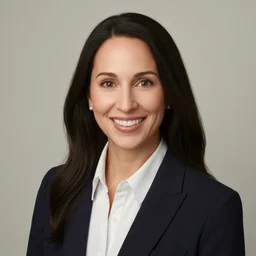
Licensed Real Estate Broker & Licensing Exam Specialist
University of Wisconsin School of BusinessSandra Taylor is a Graduate Realtor Institute (GRI) and Accredited Buyer's Representative (ABR) designee with an MBA in Real Estate from the University of Wisconsin School of Business. She has 18 years of residential and commercial real estate brokerage experience and coaches real estate license candidates through state salesperson and broker pre-license examinations across multiple states.
Join the Discussion
Connect with other students preparing for this exam. Share tips, ask questions, and get advice from people who have been there.
View discussion (8 replies)