
NFPA 110 Standard Explained: Emergency and Standby Power Systems 2026
⏳ NFPA 110 explained: Type, Class, Level classification, testing intervals, fuel storage rules, and how it relates to NFPA 70, 99, and 101.

NFPA 110 is the standard that governs how emergency and standby power systems are installed, tested, and maintained in buildings where life safety depends on backup electricity. If a hospital loses utility power during a surgery, if a high-rise loses lighting during a fire, or if a data center loses cooling during a heat wave, the rules in this document decide whether the lights, pumps, and ventilation come back on in time. Practice with the free NFPA - National Fire Protection Association practice test on PracticeTestGeeks (100+ questions with answer explanations).
The standard is published by the National Fire Protection Association and gets revised on a three-year cycle, with the 2025 edition currently in force in most jurisdictions that have adopted it. The document is short compared to the National Electrical Code, but the details inside carry real weight for the people who design and inspect these systems.
Authorities Having Jurisdiction reference it during permit reviews. Joint Commission surveyors use it during hospital accreditation visits. Insurance carriers point to it when investigating losses tied to generator failures during real outages.
For anyone studying for an electrical, fire alarm, or facilities exam, knowing the basic structure and the testing intervals can mean the difference between a passing score and a retake. The questions written from NFPA 110 are knowable, and the document itself is short enough to read in a single sitting if you focus on the classification chapters and testing requirements.
Free NFPA - National Fire Protection Association Study Tools
Interactive NFPA - National Fire Protection Association resources on PracticeTestGeeks, free to start:
- Free NFPA Life Safety Questions and Answers — 11 questions with instant scoring and answer explanations
- NFPA - National Fire Protection Association flashcards — review key terms and concepts card by card
- NFPA - National Fire Protection Association study guide — topic-by-topic overview of what the exam covers
- NFPA - National Fire Protection Association cheat sheet — one-page printable summary for last-minute review
NFPA 110 at a Glance
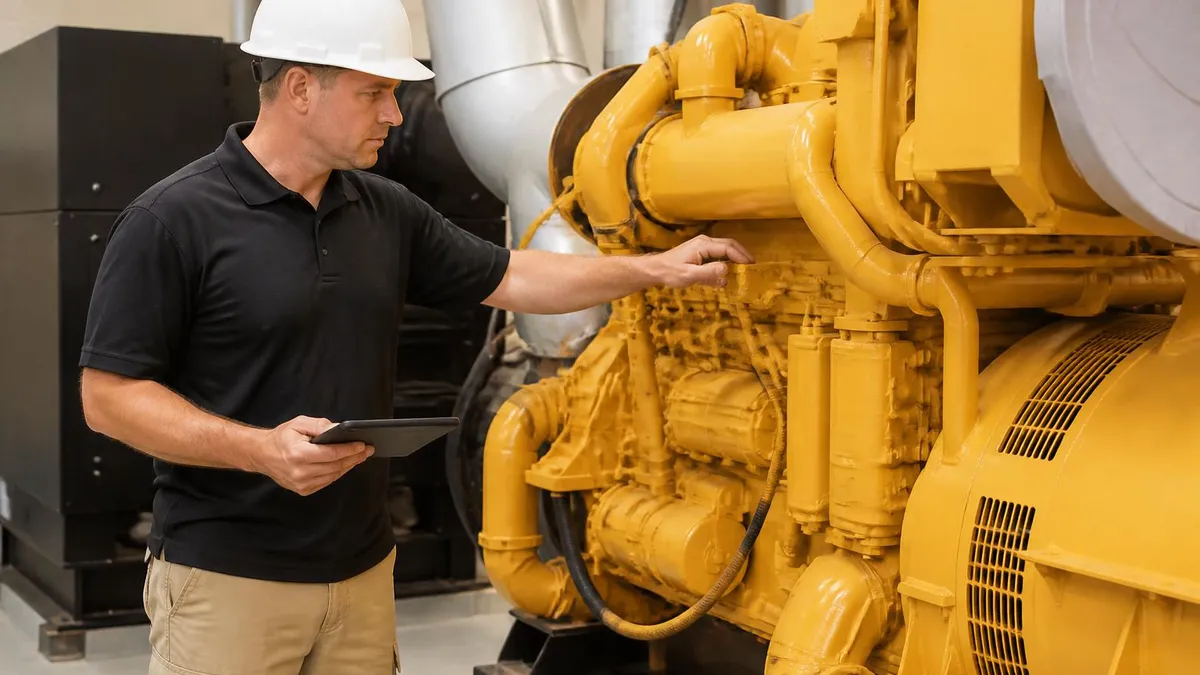
The scope of NFPA 110 starts where utility power ends. The standard addresses the assembly of components downstream of the normal source, including the prime mover, the generator, the controls, the transfer switches, and the supporting accessories like fuel tanks and cooling systems. It does not cover the utility feed itself, and it does not cover the loads that the system serves.
One point that trips up first-time readers is the line between NFPA 110 and NFPA 111. NFPA 110 covers rotating equipment, which in practice means engine-driven generators. NFPA 111 covers stored electrical energy systems, which means batteries and uninterruptible power supplies. A facility with both kinds of backup needs to satisfy both standards.
Another point worth nailing down is the difference between emergency and standby power. Emergency power supports loads required by life safety codes, fire codes, or other regulations. Standby power supports loads that the owner decides are important but that are not required by code. The same generator can do both jobs, but the wiring, the transfer equipment, and the testing requirements track with the classification of the loads, not the equipment itself.
This dual nature creates one of the more common documentation headaches in the industry. A building with one generator and three transfer switches feeding emergency, legally required standby, and optional standby branches needs three sets of testing logs, three different inspection routines, and three permit paths in some jurisdictions.
Emergency power supports loads required by life safety codes such as exit signs, fire alarm panels, and life safety lighting. Standby power supports loads the owner chooses to back up — comfort cooling, office equipment, security systems. The same generator can serve both, but testing intervals, wiring rules, and transfer switch requirements follow the load classification rather than the equipment itself.
NFPA 110 uses a three-part classification system that shows up on virtually every exam question about the standard. You will see it written as Type, Class, and Level, and each part means something specific about the way the system behaves.
Type refers to how quickly the system has to deliver power after the normal source fails. Type U means uninterruptible, with no allowable interruption. Type 10 means the system has ten seconds to come online and accept load.
Type 60 allows sixty seconds, Type 120 allows two minutes, and so on up to Type M, which is a manually started system with no fixed time limit. Hospitals serving critical care areas typically need Type 10, while a warehouse that just wants the lights back on might run Type 120 or higher.
Class refers to how long the system has to run once it has started. Class 0.083 is five minutes, Class 0.25 is fifteen minutes, Class 2 is two hours, Class 6 is six hours, Class 48 is forty-eight hours, and Class X is the open-ended option where duration is set by the application or the AHJ.
Level is the simplest of the three. Level 1 applies where failure of the emergency power could result in loss of human life or serious injury. Level 2 applies where failure is less critical, with consequences described as less serious to human life and safety. Office buildings without code-required emergency lighting often sit at Level 2.
The Three-Part NFPA 110 Classification System
How fast power must be available after utility failure. Type U is uninterruptible. Type 10 is ten seconds. Type 60 is one minute. Type 120 is two minutes. Type M is manual start with no fixed limit.
How long the system must run once started. Class 0.083 is five minutes. Class 2 is two hours. Class 6 is six hours. Class 48 is forty-eight hours. Class X is application-defined.
Consequence of failure. Level 1 covers loads where failure could cause loss of life or serious injury. Level 2 covers less critical loads where failure has less serious consequences.
The standard breaks the emergency power supply system, often abbreviated EPSS, into the energy converter and the supporting hardware. The energy converter is the prime mover and the generator, treated as a single unit for purposes of certification and testing.
The rest of the system includes the day tank, the main fuel tank, the cooling system, the ventilation, the battery charger, the starting batteries, the control panel, and the transfer switches. Each piece has its own inspection cadence and its own failure modes.
Diesel engines dominate the installed base because they start quickly, store energy cheaply, and tolerate long periods of standby with relatively little maintenance. Natural gas engines are common in regions where utility gas is reliable, although the standard imposes restrictions on Level 1 systems that depend solely on a utility fuel feed without on-site storage.
Transfer switches receive their own chapter in the standard, and they also live inside NFPA 70 Article 700, 701, and 702. The two documents work together, with NFPA 70 covering the wiring and the listing requirements and NFPA 110 covering the operation, monitoring, and testing of the switches themselves.
Comparing Recent Editions of NFPA 110
Allowed more flexibility around natural gas as a sole fuel source for Level 1 systems and used slightly different language for fuel storage minimums. Older exam materials may still reference this edition, so confirm which version your test covers before studying the testing intervals.

Installation rules in NFPA 110 focus on protecting the equipment and the people who work near it. The generator room or enclosure needs a two-hour fire-resistance rating when the equipment serves Level 1 loads inside a building, with limited exceptions for outdoor weatherproof housings and certain industrial occupancies.
The room cannot serve any other purpose that would create a hazard for the equipment, which rules out storing combustibles, paint, or unrelated electrical gear in the same space. Inspectors look for this on every site visit.
Ventilation rules require enough airflow to keep the engine running at full load on the hottest expected day without overheating, plus enough combustion air to support the engine itself. Engineers usually pull these numbers from the manufacturer installation manual, which is required to be on site under the standard.
Fuel storage rules cross over with NFPA 30, NFPA 37, and the International Fire Code. NFPA 110 requires the main tank to hold enough fuel for the Class duration plus an allowance for the lowest acceptable level at which the engine will still start. Day tanks cannot exceed 660 gallons without additional protection.
Generator rooms inside buildings that serve Level 1 loads need a two-hour fire-resistance rating. Outdoor weatherproof housings and some industrial occupancies have limited exceptions, but storing combustibles or unrelated equipment in the room is not allowed under any circumstances. Inspectors check this every visit.
Testing requirements are where NFPA 110 spends the most ink, and they are also where most candidates lose points on exams. The standard distinguishes between the acceptance test that runs when the system is first installed, the routine maintenance tests that happen monthly and weekly, and the load bank test that happens annually under specified conditions.
The monthly test for Level 1 systems requires the generator to run at not less than 30 percent of its nameplate kilowatt rating for at least 30 minutes, or to meet the engine manufacturer recommendation for minimum exhaust gas temperature.
The two paths recognize that some modern engines specify minimum loading by exhaust temperature instead of by percentage. A system that cannot meet the 30 percent minimum during a monthly test needs to run an annual load bank test instead, with stepped loading up to the nameplate rating.
Weekly Generator Inspection Checklist
- ✓Check engine oil level on the dipstick and look for leaks under the unit
- ✓Confirm coolant level in the radiator or expansion tank is within the marked range
- ✓Verify fuel level in the day tank and main storage tank against the fuel log
- ✓Inspect battery terminals for corrosion and confirm battery charger output voltage
- ✓Confirm the block heater is operating and the engine block is warm to the touch
- ✓Check that the control panel is in automatic mode with no active alarms or fault indicators
- ✓Scan the room for unusual smells, sounds, or visible damage to hoses, belts, or wiring
- ✓Record findings in the maintenance log with date, time, and inspector initials
The annual load bank test runs the generator for at least two continuous hours, starting at 25 percent of nameplate load for 30 minutes, stepping to 50 percent for 30 minutes, then 75 percent for 60 minutes, with the option to add a final period at full load.
The test exists to burn off carbon buildup in the cylinders and to confirm that the engine can carry its rated load when called upon. Facilities that consistently fail to load their generators in real outages benefit the most from this test because their engines tend to accumulate wet stacking deposits.
Weekly inspections cover the items a technician can check without starting the engine. Fluid levels, battery terminals, block heaters, fuel levels, and visible leaks all belong here. The standard requires these inspections to be documented and the records kept for the life of the system.

Diesel vs Natural Gas Generators for NFPA 110 Compliance
- +Diesel stores energy on site with no dependency on utility infrastructure during regional events
- +Diesel engines start quickly and accept full load in seconds, suitable for Type 10 service
- +Diesel fuel can be polished, filtered, and tested for quality on a regular schedule
- +Diesel installations have decades of code history and clear inspection rules in every jurisdiction
- −Diesel fuel degrades in storage and requires annual quality testing for Level 1 systems
- −Natural gas depends on utility supply, which limits its use for Level 1 applications
- −Natural gas engines often need exhaust treatment systems for emissions compliance in cities
- −Natural gas systems may face supply pressure issues during widespread regional emergencies
Maintenance beyond testing follows a calendar driven by the manufacturer recommendations and the operational hours logged on the engine. Oil changes, filter changes, coolant analysis, and battery replacement all appear on the schedule with specific intervals tied to use patterns.
The standard requires written maintenance procedures, trained personnel, and recordkeeping that ties back to each unit by serial number or asset tag. Surveyors and inspectors will pull random records during audits.
Batteries deserve their own paragraph because they fail more often than any other component in the system. Lead-acid starting batteries typically last three to five years in standby service, and the failure mode is rarely graceful. A weak battery can crank an engine through one test cycle and then fail the next cold start.
Fuel quality matters as much as battery health, especially for diesel systems that sit for months between real runs. Diesel fuel that sits in a tank picks up water, grows microbial contamination, and breaks down chemically over time. Annual fuel quality testing is required for Level 1 systems under the current edition.
Quick Reference for Related NFPA Documents
Wiring of emergency, legally required standby, and optional standby systems lives in Articles 700, 701, and 702.
NFPA 101 defines code-required emergency loads. NFPA 99 adds hospital essential electrical system rules with critical, life safety, and equipment branches.
NFPA 110 covers engine-driven generators. NFPA 111 covers stored energy systems like batteries and UPS. Both share Type, Class, Level classification.
NFPA 110 sits inside a family of related documents, and understanding how the pieces fit together is part of any serious study program. NFPA 70, the National Electrical Code, covers the wiring of the emergency, legally required standby, and optional standby systems in Articles 700, 701, and 702.
NFPA 101, the Life Safety Code, defines which loads require emergency power in occupancies like hospitals, assembly spaces, and high-rise buildings. The classification of a load as code-required versus optional flows back into the NFPA 110 system design.
NFPA 99, the Health Care Facilities Code, adds requirements specific to hospitals, including the essential electrical system with its life safety, critical, and equipment branches. The interaction with NFPA 99 is worth a closer look because hospital exam questions show up frequently.
A hospital that has critical care areas needs a Type 10, Class X, Level 1 system under NFPA 99 and NFPA 110. The Class X designation means the duration is set by the application, and NFPA 99 fills in the gap by requiring at least 96 hours of on-site fuel for new construction in many cases.
Preparing for an exam that covers NFPA 110 starts with the classification system, since it forms the backbone of almost every question. Memorize the Type categories, the Class durations, and the two Levels until you can recite them without effort.
Practice reading scenario questions to identify which classification the situation requires. The questions usually describe a building type, a load, and a consequence of failure, and you work backward from the consequence to the Level, then sideways to the Type and Class.
Testing intervals are the second-most-tested area. The monthly 30 percent or 30 minute rule, the annual load bank requirement, and the weekly inspection cadence appear in some form on most exams. Write them on a flashcard and review until they come back without thinking about it.
The third area worth deep study is the relationship between NFPA 110 and the other standards. Questions that ask you to pick the document that contains a specific rule are common, and the answer often hinges on whether the rule is about wiring, about life safety classification, or about the operation of the equipment after a failure event.
Working through the broader NFPA practice test ties multiple standards together and reinforces the cross-references that real exam questions exploit. Mix the question types instead of grouping them by topic so the test feels less predictable when you sit for the real thing.
Scenario questions that ask you to assign a Type, Class, or Level given a building description appear on every NFPA 110 exam. Questions on testing intervals (monthly 30/30, annual two-hour load bank, weekly visual) are the second-most-frequent. Questions that ask which document contains a specific rule (wiring vs life safety vs operation) round out the top three.
Beyond the exam, NFPA 110 shapes a lot of daily work for facility engineers, electrical contractors, and authorities having jurisdiction. A new hospital project might run a paper exercise to confirm that the proposed generator package meets Type 10, Class X, Level 1, with fuel storage sized to the NFPA 99 minimum.
A renovation project might trigger a re-classification if the loads change, and the documentation needs to reflect the new requirements. Renovation triggers are one of the more common reasons for retroactive upgrades that surprise owners during permit review.
Data centers operate under a different pressure. The uptime targets posted by hyperscale operators run far above what NFPA 110 requires on paper, and the load bank schedules in these facilities often run quarterly or monthly rather than annually. The standard sets a floor that the rest of the industry then builds on for higher reliability targets.
For technicians in the field, the standard provides a checklist that prevents small mistakes from becoming big failures. A loose battery terminal caught on a weekly inspection never becomes a no-start during an outage. A clogged crankcase breather caught during annual service never blows oil seals during a real run when the load is real.
The discipline of recordkeeping and inspection that the standard requires is what separates a reliable installation from one that fails on the day it matters most. Read the scope, memorize the classification, learn the testing intervals, and the rest falls into place quickly once the classification system clicks.
Sample NFPA - National Fire Protection Association Practice Questions
Try these questions from our free NFPA - National Fire Protection Association practice tests. The correct answer and an explanation follow each question.
Under NFPA 1, how long must emergency lighting in a means of egress remain operational after power failure?
- A. 30 minutes
- B. 60 minutes
- C. 90 minutes
- D. 120 minutes
Answer: C. 90 minutes
NFPA 1 requires emergency lighting to provide illumination for a minimum of 90 minutes following a power failure.
Under NFPA 13, what is the maximum distance allowed between a sprinkler and a wall or obstruction in a light hazard occupancy?
- A. 4 feet
- B. 7.5 feet
- C. 9 feet
- D. 12 feet
Answer: B. 7.5 feet
NFPA 13 limits the distance from a sprinkler to a wall or partition to a maximum of 7.5 feet in light hazard occupancies.
Under NFPA 30, what is the minimum separation distance between an above-ground flammable liquid storage tank and a property line or building?
- A. 5 feet
- B. 10 feet
- C. 20 feet
- D. 50 feet
Answer: B. 10 feet
NFPA 30 requires a minimum separation of at least 10 feet from a tank to a property line that can be built upon, depending on tank size and class.
Under NFPA 30, which liquid class has a flash point at or above 100°F and below 140°F?
- A. Class IB
- B. Class IC
- C. Class II
- D. Class IIIA
Answer: C. Class II
NFPA 30 classifies liquids with a flash point at or above 100°F and below 140°F as Class II combustible liquids.
Take the full NFPA - National Fire Protection Association practice test
NFPA Questions and Answers
How this page was made: written with AI tools and published by Nathan Beja, founder of Practice Test Geeks, who is responsible for its content. We have not yet matched this exam's facts to an official source, so confirm fees, dates and rules with the exam body. Not reviewed by a subject-matter expert. Editorial policy