

RNC-NIC Practice Test
Updated for October 2026After each shift, NICU nurses report to the next nurse and physician about what happened during their shift. This helps ensure that the patient’s care will continue smoothly.
Free Neonatal Intensive Care Nurse Exam Study Tools
Interactive Neonatal Intensive Care Nurse Exam resources on PracticeTestGeeks, free to start:
- Neonatal Intensive Care Nurse Exam flashcards — review key terms and concepts card by card
- Neonatal Intensive Care Nurse Exam study guide — topic-by-topic overview of what the exam covers
- Neonatal Intensive Care Nurse Exam cheat sheet — one-page printable summary for last-minute review
RNC-NIC Practice Test Questions
Prepare for the Neonatal Intensive Care Nurse Exam exam with our free practice test modules. Each quiz covers key topics to help you pass on your first try.
RNC-NIC Neonatal Intensive Care Nurse Basic
RNC-NIC Exam Questions covering Neonatal Intensive Care Nurse Basic. Master RNC-NIC Test concepts for certification prep.
RNC-NIC Neonatal Intensive Care Nurse MCQ
Free RNC-NIC Practice Test featuring Neonatal Intensive Care Nurse MCQ. Improve your RNC-NIC Exam score with mock test prep.
RNC-NIC Neonatal Intensive Care Nurse
RNC-NIC Mock Exam on Neonatal Intensive Care Nurse. RNC-NIC Study Guide questions to pass on your first try.
RNC-NIC Neonatal Intensive Care Nurse Exam...
RNC-NIC Test Prep for Neonatal Intensive Care Nurse Exam Neonatal Neurological Assessment and Care. Practice RNC-NIC Quiz questions and boost your score.
RNC-NIC Neonatal Intensive Care Nurse Exam...
RNC-NIC Questions and Answers on Neonatal Intensive Care Nurse Exam Neonatal Nutrition and Feeding. Free RNC-NIC practice for exam readiness.
RNC-NIC Neonatal Intensive Care Nurse Exam...
RNC-NIC Mock Test covering Neonatal Intensive Care Nurse Exam Neonatal Pharmacology. Online RNC-NIC Test practice with instant feedback.
RNC-NIC Neonatal Intensive Care Nurse Exam...
Free RNC-NIC Quiz on Neonatal Intensive Care Nurse Exam Neonatal Respiratory Management. RNC-NIC Exam prep questions with detailed explanations.
Neonatal Intensive Care Nurse Salary
NICU nurses are responsible for providing round-the-clock care to fragile newborns who require intensive medical treatment. They work under the supervision of physicians and neonatal nurse practitioners. They also provide support to the parents of these infants and help them cope with their traumatic experiences.
A NICU nurse’s salary depends on various factors, including the city and state where they work, their employer, years of experience, and education level. In addition, they may be eligible for overtime wages that can add up quickly. Those who are interested in this career should consider earning an advanced degree to improve their job prospects.
RNs who specialize in the neonatal intensive care unit (NICU) receive higher salaries than those with more generalized nursing credentials. In order to become a NICU nurse, an individual must first complete a bachelor’s of science in nursing (BSN) program and pass the National Council Licensure Examination (NCLEX-RN). After completing these requirements, they can apply for a registered nursing license.
RNC NIC Study Guide
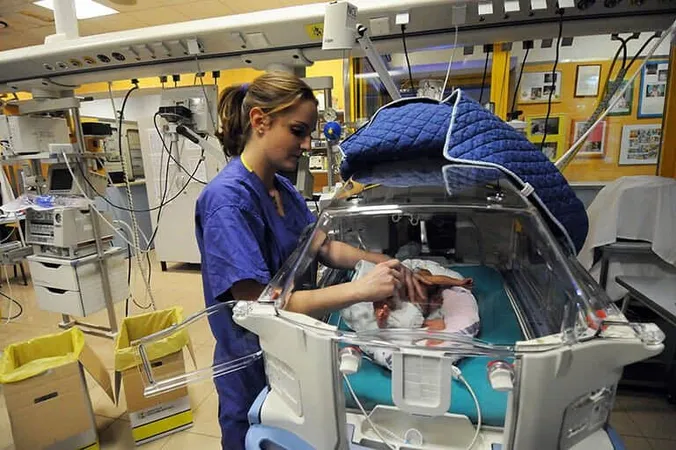
There’s no such thing as a typical day in the neonatal intensive care unit, but one thing is for sure: it’s never dull. Neonatal nurses work round-the-clock to keep infants clean and comfortable, monitoring vital signs like respiration and body temperature and collaborating with doctors to develop and implement nursing care plans. They also provide comfort, education and reassurance to parents.
The NICNE, offered by the National Certification Corporation, is a content-driven exam designed to test your ability to apply what you learn in the real world. It includes 175 questions, with 150 scored and 25 used to collect question performance data for future exams. You’ll have three hours to complete the exam.
If you’re looking to advance your career and get a leg up on the competition, consider earning your RNC NIC certification. The certification validates your skills in low-risk neonatal intensive care nursing, and you’ll gain access to many rewarding opportunities.
Nurses preparing for neonatal certifications often find it useful to start with the Low Risk Neonatal Nurse Exam practice test to build foundational knowledge before tackling the more intensive RNC-NIC content.
If you are considering advancing your career beyond staff-level neonatal nursing, the NNP practice test covers the advanced clinical decision-making required at the practitioner level.

- +Validates your knowledge and skills objectively
- +Increases job market competitiveness
- +Provides structured learning goals
- +Networking opportunities with other certified professionals
- −Study materials can be expensive
- −Exam anxiety can affect performance
- −Requires dedicated preparation time
- −Retake fees apply if you don't pass
Pros and Cons at a Glance
| Pros | Cons |
|---|---|
| Validates your knowledge and skills objectively | Study materials can be expensive |
| Increases job market competitiveness | Exam anxiety can affect performance |
| Provides structured learning goals | Requires dedicated preparation time |
| Networking opportunities with other certified professionals | Retake fees apply if you don't pass |
Sample Neonatal Intensive Care Nurse Exam Practice Questions
Try these questions from our free Neonatal Intensive Care Nurse Exam practice tests. The correct answer and an explanation follow each question.
A nurse is caring for a neonate with suspected hypoxic-ischemic encephalopathy (HIE). Which intervention is the standard of care to improve neurological outcomes?
- A. Aggressive fluid resuscitation
- B. Therapeutic hypothermia (cooling to 33–34°C for 72 hours)
- C. Prophylactic phenobarbital for all HIE cases
- D. Immediate hyperventilation to reduce cerebral edema
Answer: B. Therapeutic hypothermia (cooling to 33–34°C for 72 hours)
Therapeutic hypothermia (33–34°C for 72 hours) initiated within 6 hours of birth is the standard neuroprotective treatment for moderate-to-severe HIE.
A neonate born at 35 weeks receives phototherapy for jaundice. The nurse notes a bronze discoloration of the skin and dark urine. This finding indicates:
- A. Physiologic jaundice resolving normally
- B. Bronze baby syndrome from phototherapy
- C. Severe hemolytic disease
- D. Biliary atresia
Answer: B. Bronze baby syndrome from phototherapy
Bronze baby syndrome is a rare complication of phototherapy occurring primarily in neonates with conjugated hyperbilirubinemia.
A NICU nurse is assessing a neonate for patent ductus arteriosus. Which clinical finding is most characteristic?
- A. Systolic murmur at the lower left sternal border
- B. Continuous machine-like murmur at the upper left sternal border
- C. Diastolic murmur at the apex
- D. Fixed split S2
Answer: B. Continuous machine-like murmur at the upper left sternal border
PDA produces a continuous machine-like murmur best heard at the upper left sternal border due to shunting between the aorta and pulmonary artery.
Which developmental care intervention has the strongest evidence for reducing pain during minor procedures in preterm neonates?
- A. Swaddling alone
- B. Oral sucrose with non-nutritive sucking
- C. Dimming room lights
- D. Playing recorded lullabies
Answer: B. Oral sucrose with non-nutritive sucking
Oral sucrose combined with non-nutritive sucking is the best-evidenced pharmacologic and behavioral pain management strategy for minor neonatal procedures.
Take the full Neonatal Intensive Care Nurse Exam practice test
RNC-NIC Questions and Answers
About the Author

Registered Nurse & Healthcare Educator
Johns Hopkins University School of NursingDr. Sarah Mitchell is a board-certified registered nurse with over 15 years of clinical and academic experience. She completed her PhD in Nursing Science at Johns Hopkins University and has taught NCLEX preparation and clinical skills courses for nursing students across the United States. Her research focuses on evidence-based exam preparation strategies for healthcare certification candidates.