
Where to Send N-400: USCIS Filing Address Guide 2026 September
🔎 Pass the n-400 instructions exam with confidence. Practice questions with detailed explanations, hints, and instant feedback on every answer.
Where Do I Send My N-400 Application?
Sending your N-400 (Application for Naturalization) to the wrong address can delay your case by months—USCIS will return misdirected applications rather than transfer them. Getting the filing address right the first time matters.
Here's the key thing to understand: the mailing address for your N-400 depends on several factors—where you live, whether you're filing by regular mail or courier (FedEx/UPS/DHL), and whether you qualify for any special filing categories. There isn't a single universal address that works for everyone.
The most reliable source for your correct filing address is the USCIS website at uscis.gov/n-400. USCIS updates its filing locations periodically, and the website always has the current addresses. Use the instructions below to understand how the system works, then verify against the USCIS website before you mail anything.
How USCIS Determines Your Filing Address
USCIS routes N-400 applications to different lockbox facilities and field offices based on where you live. The lockbox facilities process the initial intake—receiving your application, cashing your filing fee check, and sending you a receipt notice. After intake, your case gets forwarded to the appropriate field office for interview scheduling.
There are two main filing location frameworks:
By State of Residence: USCIS divides states into groups that route to different processing facilities. For most standard N-400 filers, your state determines which lockbox facility receives your application.
Special Filing Categories: Certain applicants have different or additional filing options:
- Military applicants (filing under INA Section 328 or 329) have specific addresses
- Applicants who are abroad use a different procedure through their nearest U.S. Embassy or Consulate
- Applicants with pending asylum or refugee adjustment cases may have different routing
Current N-400 Filing Addresses (as of 2026)
USCIS uses two primary lockbox facilities for N-400 processing: one in Phoenix, Arizona and one in Lewisville, Texas. Which facility receives your application depends on your state of residence.
If you live in one of these states — Alaska, Arizona, California, Colorado, Guam, Hawaii, Idaho, Illinois, Indiana, Iowa, Kansas, Michigan, Minnesota, Missouri, Montana, Nebraska, Nevada, North Dakota, Northern Mariana Islands, Ohio, Oregon, South Dakota, Utah, Washington, Wisconsin, Wyoming — your application typically routes to the Phoenix lockbox.
If you live in one of these states — Alabama, Arkansas, Connecticut, Delaware, District of Columbia, Florida, Georgia, Kentucky, Louisiana, Maine, Maryland, Massachusetts, Mississippi, New Hampshire, New Jersey, New Mexico, New York, North Carolina, Oklahoma, Pennsylvania, Puerto Rico, Rhode Island, South Carolina, Tennessee, Texas, U.S. Virgin Islands, Vermont, Virginia, West Virginia — your application typically routes to the Lewisville, Texas lockbox.
The actual street addresses differ depending on whether you're mailing via USPS or using a courier service like FedEx or UPS. USCIS lockbox facilities have separate addresses for each—this is important. FedEx and UPS cannot deliver to P.O. boxes.
Important: Always verify these addresses on the USCIS website before filing. Lockbox addresses change periodically, and an outdated address will result in your application being returned.
USPS vs. Courier Filing: What's the Difference?
USCIS provides two separate addresses for most filing locations: one for U.S. Postal Service (standard mail, certified mail, Priority Mail) and one for commercial couriers (FedEx, UPS, DHL).
You must use the correct address for your delivery method. If you send a FedEx package to the USPS address (which is often a P.O. Box), the package will be undeliverable and returned. If you want to send via courier—which gives you tracking and delivery confirmation—use the courier-specific street address.
Most applicants send via USPS certified mail with return receipt requested. This gives you a mailing receipt, tracking, and proof of delivery without the higher cost of FedEx or UPS. Some applicants prefer FedEx or UPS overnight for peace of mind, particularly when mailing close to any filing deadlines.
Key Takeaway: N-400 certification demonstrates expertise in this field. Most candidates spend 4-8 weeks preparing with practice tests before taking the exam.
Can I File My N-400 Online?
Yes—USCIS offers online filing for the N-400, and it's become increasingly popular. Filing online through your myUSCIS account at my.uscis.gov eliminates the mailing address question entirely: your application goes directly into the USCIS system electronically.
Online filing has several advantages:
- No mailing address to look up or potentially get wrong
- Instant submission confirmation
- Credit card payment accepted (no check to write)
- Case status updates directly in your myUSCIS account
- Lower risk of your application being lost in the mail
Not everyone qualifies to file online—USCIS periodically updates which applicants can use the online system. Most standard N-400 filers can file online, but applicants in certain special categories (some military filers, certain exceptions) may need to file by mail. Check uscis.gov to confirm your eligibility for online filing before you start.
If you're comfortable using online systems and have all your documents ready, online filing is generally the more convenient option.
What to Include When Mailing Your N-400
Whether you mail to Phoenix or Texas, include the same package contents:
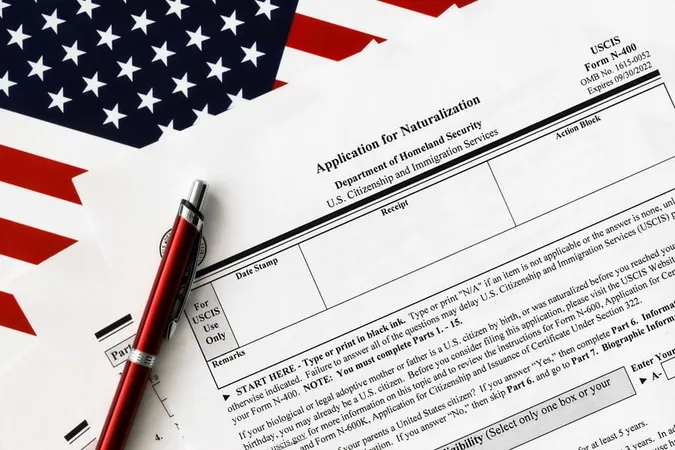
- Completed Form N-400 (original signature required—no photocopies)
- Filing fee payment: currently $760 for most applicants, $640 for active-duty military (fees can change—verify at uscis.gov/fees)
- Two passport-style photographs (if required by the current instructions—verify this, as photo requirements have changed)
- Copy of your Permanent Resident Card (front and back)
- Supporting documents based on your eligibility category (marriage certificates, military discharge papers, etc.)
Do not send original documents that you might need back. Send clear, legible photocopies of supporting documents unless the instructions specifically require originals. USCIS typically does not return originals that are submitted unnecessarily.
After You Mail Your N-400: What to Expect
After USCIS receives your N-400, you should receive a receipt notice (Form I-797) within 2–3 weeks by mail. This notice confirms your case is in the system and provides your Receipt Number (starting with EAC, SRC, LIN, or WAC depending on which service center handles your case). Keep this notice—you'll need the Receipt Number to check your case status online.
After the receipt notice, the process typically follows this sequence:
- Biometrics appointment: Most applicants receive a biometrics appointment notice to get fingerprinted and photographed. USCIS uses these for background checks.
- Interview notice: You'll receive notice of your interview date at your local USCIS field office. At the interview, an officer reviews your application, tests your English ability, and administers the civics test (if required).
- Decision: You'll receive a decision at your interview in most cases, though some cases require additional review.
- Oath ceremony: If approved, you'll receive a notice for your oath ceremony, where you'll take the Oath of Allegiance and receive your Certificate of Naturalization.
Current N-400 processing times vary widely by field office. You can check estimated processing times on the USCIS website using your receipt notice information. Processing times have ranged from 8 months to over 2 years depending on the office and application volume.
Common Mailing Mistakes That Delay N-400 Applications
These mistakes appear repeatedly in naturalization forums and often result in returned applications or delayed cases:
- Wrong filing address for your state: Double-check the current USCIS address list—don't rely on address information from community forums or older guidance documents.
- Using the USPS address for FedEx/UPS: Courier packages cannot be delivered to P.O. Boxes. Use the correct street address for your delivery method.
- Sending to the wrong address for your filing category: Military filers, overseas filers, and others with special circumstances have different addresses.
- Incorrect fee: An incorrect payment amount will result in rejection. Verify the current fee on uscis.gov before writing a check or money order.
- Missing signature: The N-400 requires your original wet signature (and your spouse's signature on certain questions if applicable). A missing signature is an automatic rejection.
The safest approach: review the current N-400 instructions from uscis.gov, verify the filing address directly from the USCIS website on the day you plan to mail, use certified mail with tracking, and make a copy of everything in your package before you send it.

- +Industry-recognized credential boosts your resume
- +Higher earning potential (10-20% salary increase on average)
- +Demonstrates commitment to professional development
- +Opens doors to advanced career opportunities
- −Exam preparation requires significant time investment (4-8 weeks)
- −Certification fees can be $100-$400+
- −May require continuing education to maintain
- −Some employers may not require certification




Prepare for the N-400 Interview and Civics Test
Filing correctly gets your application into the system—but you also need to be ready for the civics test and English interview that come later in the process. The naturalization civics test covers 100 questions about U.S. history and government, and you'll need to answer 6 out of 10 correctly during your interview.
Practice tests are the most efficient way to prepare. Work through the 100 official USCIS civics questions repeatedly until the answers come quickly and confidently. By the time your interview date arrives, you want the civics test to feel easy—so you can focus your energy on the interview conversation itself.
About the Author

Educational Psychologist & Academic Test Preparation Expert
Columbia University Teachers CollegeDr. Lisa Patel holds a Doctorate in Education from Columbia University Teachers College and has spent 17 years researching standardized test design and academic assessment. She has developed preparation programs for SAT, ACT, GRE, LSAT, UCAT, and numerous professional licensing exams, helping students of all backgrounds achieve their target scores.
Join the Discussion
Connect with other students preparing for this exam. Share tips, ask questions, and get advice from people who have been there.
View discussion (9 replies)