
N-400 Selective Service: What Applicants Need to Know 2026 September
💡 Pass your n-400 interview questions exam on the first attempt. Practice questions with detailed answer explanations and instant scoring for the 2026 September

Selective Service registration is one of the more confusing requirements on the N-400 naturalization application—not because it's complicated, but because many applicants don't realize it applies to them or didn't register when they were supposed to. If you're a male who lived in the United States between the ages of 18 and 26, Selective Service registration is likely part of your naturalization picture, and how you handled it (or didn't) matters for your application.
This article explains what the Selective Service requirement means for N-400 applicants, what happens if you didn't register, how USCIS evaluates Selective Service issues, and what you can do to resolve problems before your naturalization interview.
What Is Selective Service and Who Must Register?
The Selective Service System (SSS) maintains a registry of male individuals in case a military draft is ever reinstated. Registration doesn't mean you're in the military—it just means your name is in the system. Congress has required this registration since the early 1980s.
For immigration purposes, USCIS requires that male applicants who lived in the United States as lawful permanent residents between the ages of 18 and 26 must have registered with the Selective Service. This applies regardless of nationality—green card holders had the same registration obligation as U.S. citizens during that age window. The requirement covers males who were present in the U.S. in an immigrant status between those ages, even if they weren't permanent residents for the entire period.
If you were in the U.S. on a temporary visa (student visa, work visa, tourist visa) you were generally not required to register. The registration requirement applies to lawful permanent residents and certain other immigrant statuses, not to all foreign nationals present in the country.
The N-400 Question on Selective Service
Section 12 of the N-400 asks whether you are male and whether you registered with the Selective Service. The question is: if you were required to register and didn't, USCIS will find out. The Selective Service System maintains records that USCIS can access directly. If you claim you registered but didn't, or if you don't disclose that you didn't register, that's a problem far more serious than the original failure to register.
Always answer N-400 questions truthfully. If you didn't register and were required to, say so. USCIS has procedures for handling this situation—and it doesn't automatically disqualify you from naturalization.
What Happens If You Didn't Register
Failing to register with the Selective Service when required to do so can affect your naturalization. However, it doesn't automatically bar you from becoming a citizen. USCIS evaluates the situation based on several factors:
Your current age: If you're now 31 or older, you're past the age where you can register with the Selective Service. The SSS stops accepting registrations after age 26, so if you're 31 or older and didn't register, there's nothing you can do to register now. USCIS knows this and has specific procedures for this scenario.
Whether the failure was willful: USCIS distinguishes between applicants who knowingly and intentionally refused to register and those who simply didn't know they were required to. A willful refusal—particularly if you actively avoided registration for reasons of conscience, belief, or to avoid obligations—is treated much more seriously than an unknowing failure. If you simply weren't aware of the requirement, say so clearly and honestly.
Age at the time of naturalization application: If you're between 26 and 31 when you apply for naturalization and didn't register, you may be in a more complex situation. USCIS will still evaluate whether the failure was willful.
The SSS Status Information Letter
If you didn't register and you're now past age 26, you can request a Status Information Letter from the Selective Service System. This letter explains why you didn't register—the SSS will note factors like when you entered the U.S. relative to your age, whether you were in a status that required registration, and other relevant circumstances. This letter doesn't fix the failure to register, but it can help USCIS understand the context.
Getting this letter before your N-400 interview is a good proactive step if you know Selective Service is an issue for your application. It shows USCIS you've taken the issue seriously and helps the adjudicating officer understand your situation more fully.
You can request a Status Information Letter directly from the Selective Service System website. The request process involves providing your name, address, date of birth, and Social Security number. Processing times vary—request it as early as possible, ideally before you submit your N-400.
How USCIS Adjudicates Selective Service Issues
USCIS uses a framework that weighs the circumstances of the failure against the applicant's overall naturalization eligibility. The key question is whether the failure was willful—whether you knew you were required to register and chose not to.
If you genuinely didn't know you were required to register, the adjudicating officer has discretion to find that the failure was not willful. USCIS officers are trained to ask follow-up questions about when you arrived in the U.S., what status you were in at age 18, how you came to know about the requirement (or not know about it), and what actions you took when you became aware.
If the officer finds that the failure was willful, USCIS may determine that you lack good moral character during the statutory period, which is a bar to naturalization. This is a serious outcome—but it doesn't necessarily mean permanent denial. You may be able to reapply in the future after the statutory good moral character period has passed and you can demonstrate that the willful refusal is no longer part of your recent record.
For most applicants who simply weren't aware of the requirement—especially those who came to the U.S. as older teenagers or who had limited exposure to information about civic obligations—the outcome is more favorable. USCIS officers have seen this situation many times and approach it with context rather than automatic disqualification.
If You're Under 26 and Haven't Registered Yet
If you're a male lawful permanent resident currently between 18 and 25, register with the Selective Service now if you haven't already. Registration is free, takes about five minutes online, and avoids the entire Selective Service issue on your future N-400. There's no downside to registering—it doesn't make you more likely to be drafted, and there is no active military draft in the United States. It simply puts your name in the system as required by law.
Registering on time makes your naturalization application simpler. It removes one potential complication from an already detailed process. If you're in your early 20s and haven't registered, do it today.
Documenting Your Case Before the Interview
If Selective Service is a known issue in your application, prepare your documentation before your interview rather than hoping the officer won't ask. Documentation that can help your case:
The SSS Status Information Letter (described above). Any documentation showing when you entered the U.S. relative to your age—visa records, passport stamps, I-94 records, or employment authorization documents that help establish your status and timeline. A written personal statement explaining when and how you became aware of (or unaware of) the registration requirement. This isn't required, but it can help an officer understand your situation without lengthy verbal explanation.
If you have an immigration attorney, discuss the Selective Service issue with them before your interview. An attorney can help you frame the situation appropriately and prepare you for the officer's likely questions. For most applicants with unknowing failures, legal representation isn't required, but it can add confidence in a sensitive situation.
Common N-400 Interview Questions on Selective Service
At your naturalization interview, if the officer identifies a Selective Service issue, expect questions like: When did you first arrive in the United States as a permanent resident? Did you know about the Selective Service registration requirement? Why didn't you register? When did you learn about the requirement? Did you try to register at any point?
Answer these questions honestly and directly. Don't elaborate beyond what's asked, but don't be evasive. The officer is trying to determine whether the failure was willful, and your demeanor and transparency in answering are part of that evaluation.
If you've already obtained the SSS Status Information Letter, bring it with you and offer it when the officer raises the topic. It demonstrates proactive disclosure and gives the officer a document to reference rather than relying solely on verbal explanation.

- +Industry-recognized credential boosts your resume
- +Higher earning potential (10-20% salary increase on average)
- +Demonstrates commitment to professional development
- +Opens doors to advanced career opportunities
- −Exam preparation requires significant time investment (4-8 weeks)
- −Certification fees can be $100-$400+
- −May require continuing education to maintain
- −Some employers may not require certification

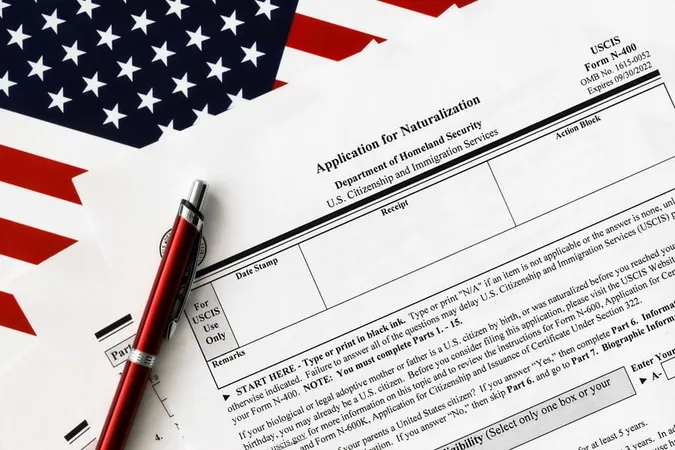



Preparing for the Rest of Your N-400 Interview
Selective Service is just one piece of the N-400 interview. The officer will also ask about your good moral character generally, your physical presence in the U.S. during the statutory period, your knowledge of civics and English (for most applicants), and your attachment to the principles of the Constitution.
If you know Selective Service is an issue, don't let it overshadow your overall preparation. Understand your complete application, know the civics test content, and be prepared to discuss your history honestly. USCIS officers conduct thousands of naturalization interviews—they're experienced at evaluating situations like Selective Service failures in context, and they're not looking to disqualify otherwise eligible applicants over administrative issues that were clearly not willful.
Approach your interview with transparency and preparation. Know your application inside and out—every answer you gave, every date you listed, every address you included. The more familiar you are with your own file, the more confidently you can answer follow-up questions. That confidence itself signals to the officer that you're prepared and honest, which is exactly the impression you want to make going into the most important step of your naturalization process.
N-400 Key Concepts
What is the passing score for the N-400 exam?
Most N-400 exams require 70-75% to pass. Check the official exam guide for exact requirements.
How long is the N-400 exam?
The N-400 exam typically allows 2-3 hours. Time management is critical for success.
How should I prepare for the N-400 exam?
Start with a diagnostic test, create a 4-8 week study plan, and take at least 3 full practice exams.
What topics does the N-400 exam cover?
The N-400 exam covers multiple domains. Review the official content outline for the complete list.
About the Author

Educational Psychologist & Academic Test Preparation Expert
Columbia University Teachers CollegeDr. Lisa Patel holds a Doctorate in Education from Columbia University Teachers College and has spent 17 years researching standardized test design and academic assessment. She has developed preparation programs for SAT, ACT, GRE, LSAT, UCAT, and numerous professional licensing exams, helping students of all backgrounds achieve their target scores.
Join the Discussion
Connect with other students preparing for this exam. Share tips, ask questions, and get advice from people who have been there.
View discussion (9 replies)