
N-400 Cost: Filing Fees, Waivers & What to Expect 2026 September
Free n-400 filing fee practice test with questions and answer explanations. 💯 Prepare for the 2026 September exam with instant scoring and study guides.

Filing the N-400 Application for Naturalization is a significant milestone — and one of the first practical questions most applicants have is about the cost. How much does it actually cost to apply for US citizenship? Are there ways to reduce that cost? And what happens if you can't afford the fee?
This guide breaks down the complete N-400 cost picture for 2025, including the filing fee, biometrics, fee waivers, and the additional expenses many applicants overlook.
N-400 Filing Fee: How Much Does It Cost?
As of 2025, the standard N-400 filing fee is 60. This fee covers the cost of processing your application with US Citizenship and Immigration Services (USCIS).
In addition to the N-400 filing fee, most applicants also pay a biometrics fee of 5. USCIS uses biometrics — fingerprints and a photograph — to conduct background checks as part of the naturalization process. So the standard total N-400 cost is:
- Filing fee: 60
- Biometrics fee: 5
- Total: 45
These fees must be paid when you submit your application. USCIS does not refund fees if your application is denied, returned for corrections, or if you withdraw it voluntarily. That's a strong reason to make sure your application is complete and accurate before submitting.
Who Pays Reduced or No Fees?
Several applicant categories pay reduced or no fees:
Applicants Age 75 and Older
If you're 75 years of age or older when you file your N-400, you're exempt from the biometrics fee. You still pay the 60 filing fee, but biometrics are not required for applicants in this age group.
Military Applicants
US military members applying for naturalization under Sections 328 or 329 of the Immigration and Nationality Act (INA) are exempt from all N-400 fees — both the filing fee and the biometrics fee. If you qualify for military naturalization, you pay nothing to file.
Fee Waivers (Form I-912)
If you can't afford the N-400 fees, you can request a fee waiver using Form I-912 (Request for Fee Waiver) submitted alongside your N-400. USCIS may approve a fee waiver if you can demonstrate that you're receiving certain federal, state, or local public benefits, or if you can show that payment would cause financial hardship.
Supporting documents for a fee waiver typically include proof of public benefits, recent tax returns, pay stubs, or a written explanation of your financial circumstances. USCIS evaluates fee waivers on a case-by-case basis — approval isn't guaranteed.
Additional Costs to Budget For
The 60 filing fee and 5 biometrics fee are what you pay to USCIS — but they're not the only costs involved in the naturalization process. Here's what else to budget for:
Passport Photos
USCIS requires two identical colour passport-style photographs submitted with your N-400. These typically cost 0–0 at a pharmacy, post office, or print shop.
Document Translation
Any documents submitted in a language other than English must be accompanied by a certified English translation. If you have foreign-language documents (marriage certificates, birth certificates, court records), professional certified translation costs 0–50 per page depending on complexity and language.
Attorney or Preparer Fees
You don't need an attorney to file the N-400 — the form is available free from USCIS and can be filed online or by mail. However, many applicants choose to work with an immigration attorney, especially if they have complex immigration history, a criminal record, or questions about eligibility.
Immigration attorney fees for N-400 assistance vary widely — from 00 to ,000 or more depending on complexity, location, and the attorney's experience. For straightforward cases, a nonprofit immigration legal services organisation may offer free or low-cost help.
English Preparation Classes
The naturalization interview includes an English reading and writing test. If you need to improve your English skills before the interview, adult education ESL classes, online courses, or tutoring are costs worth considering. Many community organisations offer free or low-cost citizenship preparation classes.
Civics Test Preparation
The naturalization interview also includes a civics test — you must correctly answer 6 of 10 questions drawn from a list of 100 official USCIS civics questions. Study materials and practice tests are available free online, including our free N-400 practice questions. You don't need to spend money on civics preparation.
How to Pay the N-400 Fee
USCIS accepts several payment methods for the N-400:
- Online filing — pay by debit card, credit card, or bank account (ACH) through your USCIS online account
- Paper filing — pay by check or money order made payable to U.S. Department of Homeland Security
Do not send cash. Checks and money orders must match the exact fee — no overpayment, no underpayment. If paying by check, include the N-400 applicant's name, date of birth, and alien registration number on the memo line.
Fee Schedule Changes
USCIS fees are set by regulation and updated periodically. The fees described above reflect the 2025 schedule following USCIS's fee rule that took effect on April 1, 2024. Always verify the current fee on USCIS.gov before submitting your application — using the wrong fee amount causes your application to be rejected and returned without processing.
USCIS has announced plans to increase fees periodically to cover processing costs. If you're planning to file and are concerned about a potential fee increase, filing sooner rather than later at the current fee may be advantageous — though you should only file when you're confident you meet all eligibility requirements.
Eligibility Requirements and the N-400 Process
Before you worry about the N-400 cost, you need to confirm you're eligible to apply. The main eligibility requirements for naturalization are:
- You must be at least 18 years old (exceptions apply for military members)
- You must be a lawful permanent resident (green card holder) for the required period — generally 5 years, or 3 years if married to and living with a US citizen spouse
- You must have resided in the US continuously for the required period and met physical presence requirements
- You must demonstrate good moral character
- You must pass the English and civics tests (exceptions apply for age/disability)
If you have any doubts about your eligibility — particularly regarding the good moral character requirement, which is affected by certain criminal matters — consult an immigration attorney before filing. USCIS will investigate your full history, and issues that disqualify you will not result in a fee refund.

- +Industry-recognized credential boosts your resume
- +Higher earning potential (10-20% salary increase on average)
- +Demonstrates commitment to professional development
- +Opens doors to advanced career opportunities
- −Exam preparation requires significant time investment (4-8 weeks)
- −Certification fees can be $100-$400+
- −May require continuing education to maintain
- −Some employers may not require certification

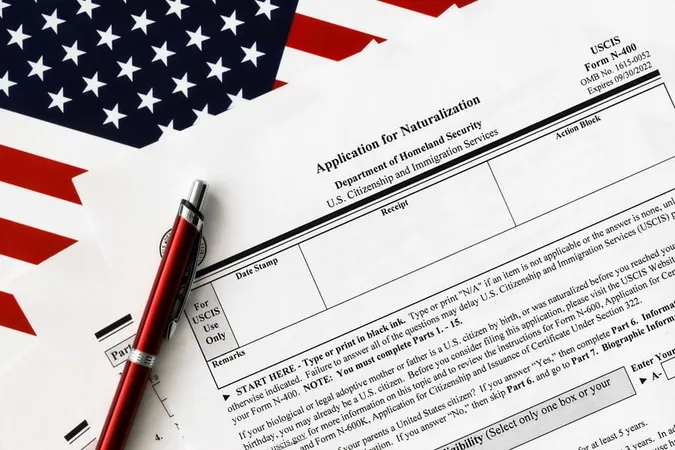



Preparing for the Naturalization Interview
The N-400 cost is a one-time expense, but the preparation you put into the naturalization interview affects whether that investment pays off on your first attempt. The interview covers your N-400 application line by line, your English ability, and the civics test.
The civics test is the most predictable part. There are exactly 100 official questions on the USCIS civics list. You'll be asked up to 10 and must answer at least 6 correctly. The questions cover American history, government structure, and fundamental rights. Work through them until you can answer all 100 confidently — and use our free practice tests to simulate the experience.
For the English test, you'll read a sentence aloud and write a sentence from dictation. The sentences are simple — basic vocabulary, clear syntax. If your English is conversational, the test is unlikely to be a barrier. If you're less confident, consistent practice reading and writing English in the months before your interview makes a significant difference.
Most applicants who are properly prepared pass the naturalization interview and civics test on the first attempt. The USCIS officer is not trying to trip you up — they're verifying that you meet the requirements. Honest, prepared answers and solid civics knowledge are all you need.
N-400 Key Concepts
What is the passing score for the N-400 exam?
Most N-400 exams require 70-75% to pass. Check the official exam guide for exact requirements.
How long is the N-400 exam?
The N-400 exam typically allows 2-3 hours. Time management is critical for success.
How should I prepare for the N-400 exam?
Start with a diagnostic test, create a 4-8 week study plan, and take at least 3 full practice exams.
What topics does the N-400 exam cover?
The N-400 exam covers multiple domains. Review the official content outline for the complete list.
About the Author

Educational Psychologist & Academic Test Preparation Expert
Columbia University Teachers CollegeDr. Lisa Patel holds a Doctorate in Education from Columbia University Teachers College and has spent 17 years researching standardized test design and academic assessment. She has developed preparation programs for SAT, ACT, GRE, LSAT, UCAT, and numerous professional licensing exams, helping students of all backgrounds achieve their target scores.
Join the Discussion
Connect with other students preparing for this exam. Share tips, ask questions, and get advice from people who have been there.
View discussion (9 replies)