
N-400 Application for Naturalization: Complete Guide 2026 August
🆕 Pass the application for naturalization exam with confidence. Practice questions with detailed explanations, hints, and instant feedback on every answer.

What Is the N-400 Application for Naturalization?
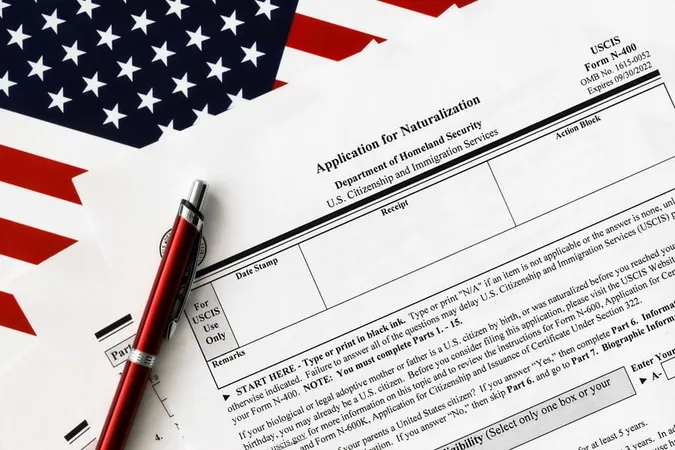
The N-400 is the official U.S. Citizenship and Immigration Services (USCIS) form for applying for naturalization — the process of becoming a U.S. citizen. If you've been a lawful permanent resident (green card holder) for the required period and meet the other eligibility requirements, filing the N-400 is your path to citizenship.
It's not a simple form. The N-400 runs 21 pages and covers everything from your personal history and travels to your moral character, criminal record (if any), and understanding of U.S. civics and government. USCIS uses it to verify that you meet every statutory requirement for naturalization before they'll schedule your interview.
Filing the N-400 doesn't guarantee citizenship — it starts the process. After filing, you'll go through biometrics, a background check, an in-person interview with a USCIS officer, and a civics and English test. Only after passing all of those steps will you be scheduled for an oath ceremony, at which point you formally become a U.S. citizen.
N-400 Eligibility Requirements
You must meet specific eligibility criteria before you can file the N-400. Filing before you're eligible is a waste of the application fee and can complicate your case. Here are the main pathways:
5-year continuous residence path. The most common route. You must have been a lawful permanent resident for at least 5 years, have lived continuously in the U.S. during that time (with no single absence of more than one year), and have been physically present in the U.S. for at least 30 months out of the 5 years. You also need to have lived in the state or USCIS district where you're filing for at least 3 months before filing.
3-year path for spouses of U.S. citizens. If you've been married to and living with a U.S. citizen for at least 3 years, and have been a permanent resident for 3 years, you can apply under this shorter path. The marriage must be genuine and ongoing at the time of filing and the interview.
Military service paths. There are special naturalization paths for current and former U.S. military members, some of which have no minimum residency requirements. Active duty members during certain periods of conflict may qualify immediately.
Beyond the residence requirements, you must demonstrate good moral character for the relevant period, pass the English language test (reading, writing, speaking), and pass the civics test covering U.S. history and government. Some applicants — typically those who are elderly or have long residency — may qualify for exemptions from the English or civics requirements.
How to Complete the N-400 Form
The N-400 can be filed online through the USCIS online account system or by mail as a paper application. Online filing is generally faster because it eliminates mail processing time and lets you track your case status in real time.
The form itself is detailed, but the questions are mostly factual. Here's what the major sections cover:
- Part 1-4: Personal information — Your name, address history, contact information, Social Security number, and information about your A-number (your permanent resident registration number).
- Part 5: Information about your eligibility — Which pathway you're applying under, your date of becoming a permanent resident, and whether you're filing under the 3-year or 5-year path.
- Part 6-7: Continuous residence and physical presence — A record of all trips outside the U.S. lasting 24 hours or more during the relevant period. This section trips up a lot of applicants who've traveled frequently. USCIS cross-references this with your passport stamps and travel records.
- Part 8: Information about your marital history — Current and previous marriages, divorce documentation if applicable.
- Part 9: Children — Information about all children, including those who are U.S. citizens.
- Part 10: Additional information about you — This is the longest section. It covers criminal history, affiliations with organizations, tax compliance, military service, and a series of yes/no questions about your moral character. Answer every question truthfully — USCIS runs background checks and inconsistencies can lead to denial.
One important note: be meticulous about dates. If you're unsure of an exact date, you can write "approximate" or provide a date range. Don't guess. Inaccuracies on dates of residence or travel are one of the most common reasons for delays and requests for additional evidence.
Documents You Need to File the N-400
Gathering your supporting documents before you start filling out the form saves a lot of time. You'll need:
- A copy of both sides of your green card (Form I-551)
- Passport photos (2 photos if filing by mail; online filers don't need them at filing)
- If applying under the 3-year path: evidence of marriage (marriage certificate) and proof of joint residence with your U.S. citizen spouse
- If you've had any arrests or criminal charges: certified court records for all incidents, even dismissed charges
- Evidence of tax filing compliance for the relevant period (tax returns or IRS transcripts)
- If you've been outside the U.S. for extended periods: documents explaining the reason (employment records, medical records, etc.)
The N-400 required supporting documents practice set covers the most commonly tested knowledge about what USCIS expects at each stage of the application process.
N-400 Filing Fee and Processing Time
As of 2026, the standard N-400 filing fee is $760 for online or paper filing. An additional $85 biometrics fee applies for most applicants, bringing the typical total to $845. Fee waivers are available for qualifying low-income applicants — Form I-912 is used to request a waiver.
Processing times vary significantly by USCIS field office and fluctuate based on application volume. Current processing times range from about 8 months to over 18 months at the busiest offices. You can check current estimates by office on the USCIS website using your case type and filing location. Track your case using your receipt number after filing.
The N-400 processing time practice questions cover what to expect and what the typical milestones look like after filing.
Preparing for the N-400 Interview and Civics Test
After USCIS processes your application and runs your background checks, you'll be scheduled for an in-person interview at your local USCIS field office. The interview has two components: a review of your N-400 answers with a USCIS officer, and the English and civics tests.
The English test is conducted throughout the interview itself — the officer evaluates your ability to read, write, and speak English during the conversation. The civics test is a separate oral examination where the officer asks up to 10 questions from USCIS's official list of 100 n 400 citizenship questions. You need to answer 6 correctly to pass.
The 100 civics questions cover U.S. history, the structure of government, key historical figures, and current political information (like the name of the current President). The N-400 civics test preparation practice materials here walk through all 100 questions in the format the officer uses.
At the interview, bring your green card, passport, any documents related to changes since you filed (address changes, name changes, births, arrests), and a copy of your N-400. The officer will go through your application page by page, so know your answers cold.
Common pitfalls at the interview stage include not knowing the dates on your own application, not being able to explain travel absences, or inconsistencies between what you wrote and what you say verbally. Reviewing the N-400 common pitfalls before your interview is time well spent.




After the Interview: Next Steps
If you pass both the English and civics tests and the officer approves your application at the interview, you'll receive a notice for your naturalization oath ceremony. At the oath ceremony, you'll swear or affirm the Oath of Allegiance to the United States, return your green card, and receive your Certificate of Naturalization.
With your Certificate of Naturalization, you can apply for a U.S. passport, register to vote, petition for certain family members to immigrate, and access all rights and responsibilities of U.S. citizenship.
In some cases, the officer won't make a final decision at the interview — they may request additional documents or place your case in continuance. If that happens, respond to any USCIS requests promptly and completely. Delays caused by missing documents are common and usually resolvable.
The N-400 process is significant — it represents the final step in a long immigration journey for most applicants. Prepare carefully, document everything, and don't let small administrative errors slow you down. The citizenship test prep resources here are designed to get you ready for the civics portion specifically. Use them.
About the Author

Educational Psychologist & Academic Test Preparation Expert
Columbia University Teachers CollegeDr. Lisa Patel holds a Doctorate in Education from Columbia University Teachers College and has spent 17 years researching standardized test design and academic assessment. She has developed preparation programs for SAT, ACT, GRE, LSAT, UCAT, and numerous professional licensing exams, helping students of all backgrounds achieve their target scores.
Join the Discussion
Connect with other students preparing for this exam. Share tips, ask questions, and get advice from people who have been there.
View discussion (7 replies)