
MRI Technician: Salary, Training, and How to Become One in 2026 September
🔎 Learn how to become an MRI technician in 2026 September: salary, training paths, ARRT certification, daily duties, and career growth in this complete guide.
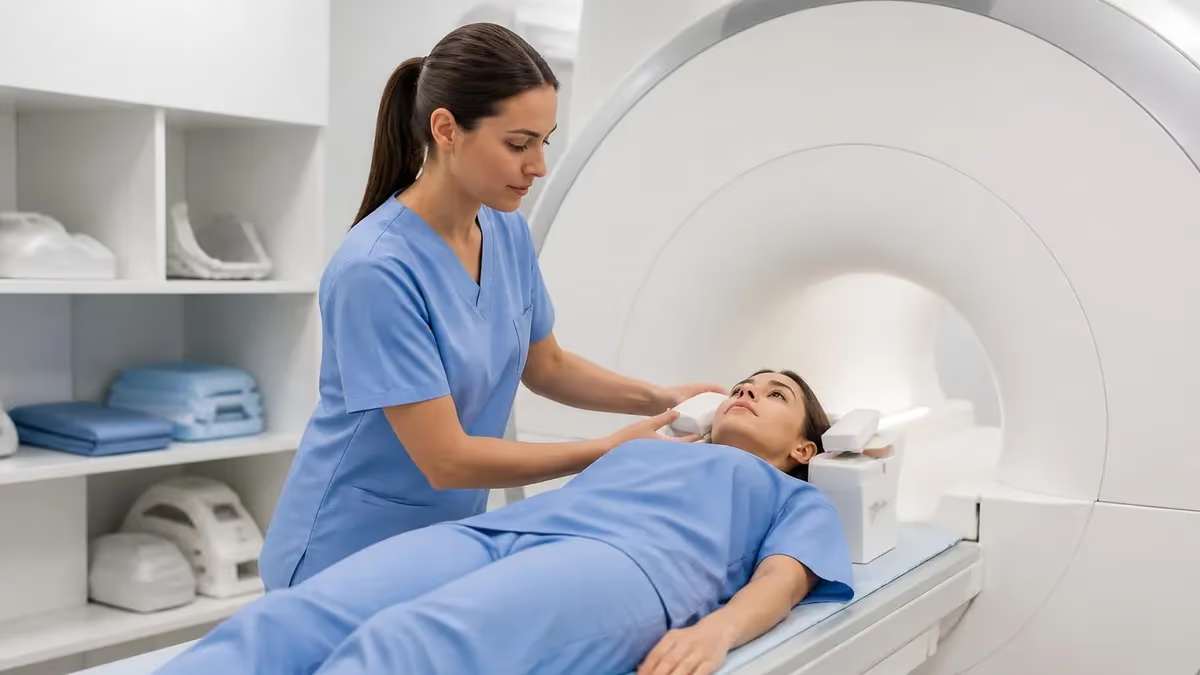
An MRI technician, sometimes called an MRI technologist or radiologic technologist specializing in magnetic resonance imaging, runs the scanner that gives doctors a clear look inside the human body without a single drop of radiation. You position patients, calibrate sequences, watch for safety hazards, and produce images that radiologists can actually read. The role sits at the crossroads of patient care and high-end physics, and the demand for skilled techs keeps climbing as hospitals, outpatient centers, and mobile units expand their imaging capacity.
Not everyone realizes this, but the work goes far beyond pressing a few buttons. You will spend your shift screening patients for ferromagnetic implants, explaining a 45-minute exam to someone who is claustrophobic, adjusting parameters when a patient cannot hold still, and double-checking contrast injections. It is technical, hands-on, and surprisingly emotional, especially when you scan kids or trauma cases. If you want a healthcare career that pays well, keeps your brain busy, and rarely involves blood, this might be the path.
This guide walks you through what an MRI tech actually does, how to become one, what the pay looks like in 2026, and where the job is heading. We pulled the numbers from BLS data, ARRT certification records, and current job boards so you get a realistic picture, not a recruiter pitch. By the end, you will know whether the role fits your goals and which credential to chase first.
MRI Technician at a Glance
Those numbers tell a small story. The Bureau of Labor Statistics groups MRI techs with diagnostic imaging professionals and shows steady, above-average growth. Salary varies a lot by state, shift, and certification stack. Coastal metros and union hospitals tend to push past six figures within five years, while rural clinics may start techs in the high fifties. Travel MRI assignments often double base pay for 13-week contracts, which is why so many techs eventually try travel work at least once.
Most MRI techs come from a two-year radiography program, then add an MRI-specific certification on top. A direct-entry MRI program exists too, but hiring managers usually prefer techs who can cross-cover X-ray or CT when needed. Cross-modality skills make you harder to replace and easier to promote. Hospitals that operate 24/7 scanner schedules typically build their permanent core team from cross-trained techs first, because one person can flex across CT and MRI during evening shifts when staffing tightens.
Pay scales also bend around your willingness to take on extra responsibility. MRI safety officer designation, sedation monitoring competency, and 3T or 7T scanner experience all push hourly rates higher. Even within a single hospital system, the gap between a brand-new tech and a five-year tech with a stacked credential list often runs $20 to $30 per hour.
One area new techs rarely think about is shift culture. A hospital MRI department operates as a tight team, and the dynamic between techs, radiologists, and reception staff shapes whether your job feels manageable or exhausting. The best teams cross-cover lunches and swap shifts without drama. The worst teams burn through new hires every six months.
Geographic differences in MRI pay are larger than most students expect. California pays at the top of the scale, especially in Bay Area academic centers where techs routinely clear six figures within three years. Texas and Florida pay middle-tier wages but offer no state income tax, which closes much of the gap. Smaller Midwestern markets pay less in absolute dollars but offer lower cost of living and faster paths to lead-tech positions because turnover is slower and management roles open up sooner.
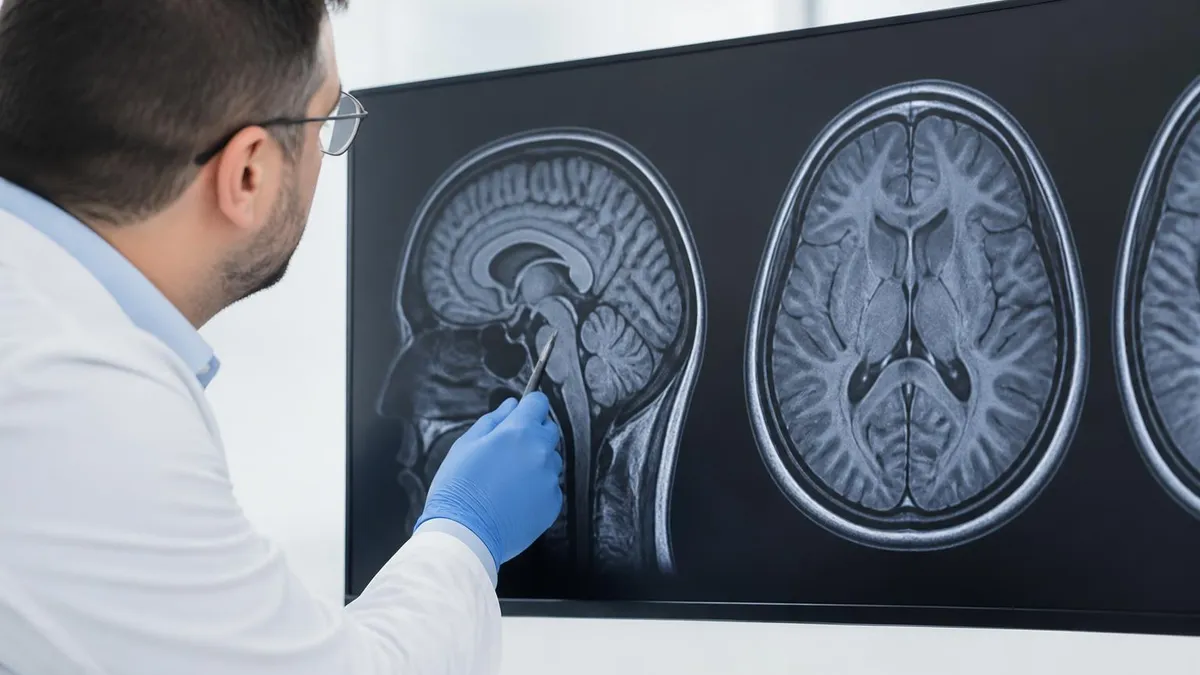
Magnet Safety Is the Whole Job
MRI uses a powerful magnetic field and radio waves, not ionizing radiation. That means no lifetime dose limit for techs or patients, but it also means metal becomes a deadly hazard. A loose oxygen tank can fly across the room at 40 mph. Safety screening is not paperwork — it is the difference between a quiet shift and a coroner's report.
Every MRI tech learns to treat the Zone IV magnet room with the same respect a pilot gives a live runway. The magnet is always on, even when the console is powered down, and you never assume otherwise.
Magnet safety drives almost every protocol you will follow. Before a patient enters the scan room, you screen them with a detailed metal questionnaire, often supplemented by a handheld ferromagnetic detector. Pacemakers, cochlear implants, certain aneurysm clips, shrapnel, and even some tattoo inks need verification. Recent surgical hardware may be MR-conditional, meaning it is safe only at specific field strengths or after a healing period. You document everything, because if something goes wrong, your screening form is the legal record.
Beyond safety, you control image quality. Picking the right pulse sequence, field of view, and slice thickness for a brain tumor follow-up is different from imaging a torn rotator cuff. Radiologists rely on you to recognize when an image is non-diagnostic and reshoot before the patient leaves. Good techs catch motion artifacts, susceptibility issues, and aliasing on the fly. Great techs spot a small finding on the console and flag it for the radiologist immediately.
Communication skills matter more than students expect. A scared patient who feels unheard will move during the scan and ruin the study. A few seconds of eye contact, a simple explanation of what they will hear, and a reminder that the intercom works both ways can save a 40-minute exam from becoming a do-over.
Daily Responsibilities of an MRI Technician
Review medical history, screen for implants and contraindications, explain the exam, and obtain consent. This is the single most important safety task in the department and the legal foundation for everything that follows.
Place the correct receiver coil (head, knee, shoulder, body) and position the patient so the anatomy of interest sits at isocenter. Comfort matters because motion ruins images, so pillows, foam pads, and clear instructions are part of the toolkit.
Choose protocols based on the clinical question. A stroke workup needs diffusion-weighted imaging; a knee MRI needs fat-saturated proton density. Knowing which sequences answer which question is what separates a console operator from a technologist.
Start an IV when gadolinium is ordered, check renal function, and monitor for adverse reactions. Document lot numbers, doses, and any patient reactions in the contrast log so the radiology QA team has a clean record.
Quality-check every series, perform subtractions or MIPs when needed, and send the study to PACS with proper labels. Catching a non-diagnostic series before the patient walks out the door avoids costly recalls.
Run daily QA, monitor helium levels, log any quench warnings, and clean coils between patients. The scanner is a multi-million-dollar machine, and small maintenance habits keep it running without expensive downtime.
A typical shift breaks into 30-, 45-, and 60-minute slots depending on the body part and whether contrast is involved. Outpatient centers tend to run lean schedules with one tech per scanner, while hospitals may have two techs working together on inpatients, ER add-ons, and stroke alerts that drop in without warning. Night and weekend shifts pay a differential, usually 10 to 25 percent on top of base, and they are easier to find than day shifts because most techs prefer Monday through Friday.
You will also handle a fair amount of documentation. Each exam needs accurate technical notes, contrast logs, and any incident reports if something unusual happens. Joint Commission audits look for clean records, and your sign-off on the screening form is what protects the facility legally. Newer techs sometimes underestimate the paperwork load; senior techs treat it as part of the actual exam, not an afterthought to rush at the end of the shift.
Patient mix also varies dramatically by setting. Outpatient imaging centers tend to scan healthier ambulatory patients on tight schedules. Hospital inpatient departments see sicker patients, including ICU transfers and trauma cases. Pediatric specialty hospitals are another world entirely, with child-life specialists and anesthesia coverage built into every appointment.
Imaging center ownership structures also shape your daily life. Independent outpatient centers tend to run high-volume schedules with fewer protocol variations, while hospital-owned outpatient sites mirror inpatient workflows. Private equity rollups have changed parts of the market in the last five years, sometimes squeezing technologist hours or shifting scheduling to corporate templates. Ask about ownership during interviews so you know what kind of operation you are walking into.
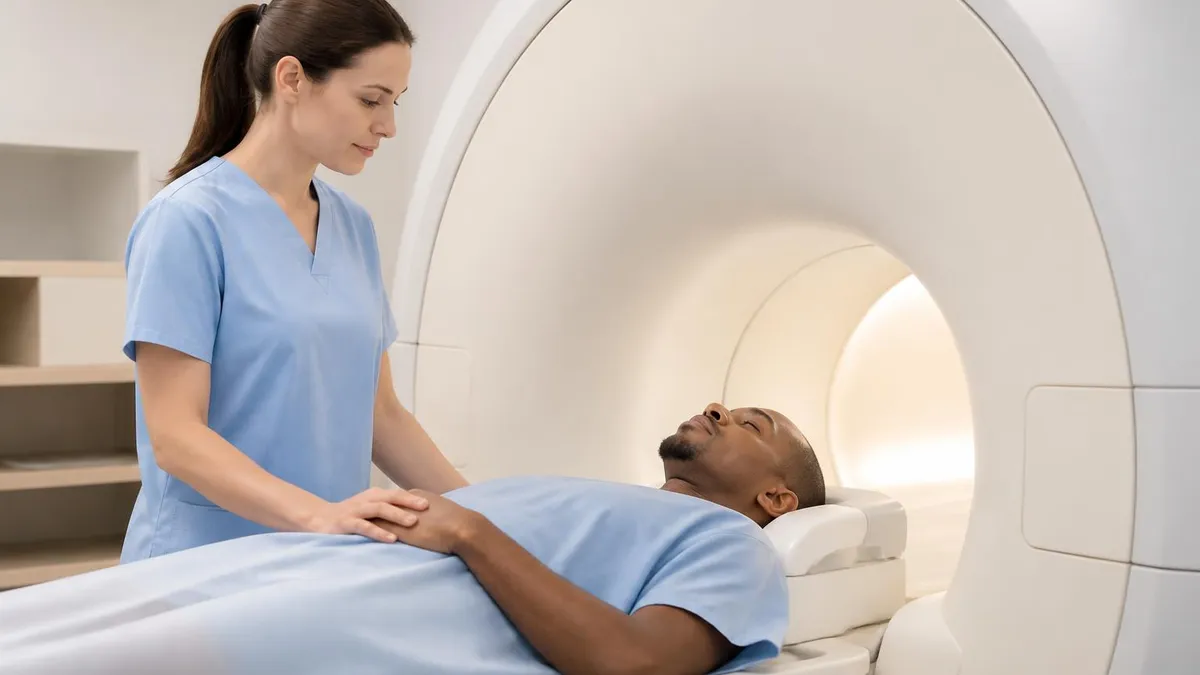
Pathways Into MRI Technology
Most students start with a two-year radiography program accredited by JRCERT, then sit for the ARRT(R) exam. After 6-12 months of clinical experience, they add the MRI advanced certification ARRT(R)(MR). This route gives the widest job options because you can cross-cover X-ray, fluoroscopy, and sometimes CT.
Tuition at community colleges typically runs $8,000 to $15,000 total, which is one reason the associate path remains the most common entry point.
The fastest realistic path from zero healthcare experience to a paid MRI tech role is about 2.5 to 3 years: two years for the associate degree, then several months of clinical work and exam prep. Direct MRI programs trim that to roughly 18 months if you find a school nearby and pass the ARMRIT on the first try. Be careful with for-profit schools advertising 9-month MRI tech certificates without prior radiography experience; many state licensing boards will not recognize the credential, and hospitals often refuse to interview their graduates.
Clinical hours are non-negotiable. ARRT requires documented competency in dozens of MRI procedures, including brain, spine, joint, abdominal, and vascular studies. Your program coordinator tracks each one, and you cannot sit for the exam until every box is checked. Plan for evenings and weekends during clinical rotations because hospital scan schedules do not pause for student timetables.
Before you enroll in any MRI program, verify that the school is JRCERT-accredited and that graduates qualify for ARRT or ARMRIT certification. Some 6-month online certificates exist purely to sell tuition; their graduates cannot get hired at hospitals because the state license board will reject the credential.
Call three local employers and ask which schools they hire from before you pay a dime. If the same two or three names keep coming up, that is your shortlist.
State licensure rules vary, and this trips up new techs every year. About 36 states require some form of license or registration to practice MRI; the rest leave it to employer discretion. New York, Florida, California, Texas, and Illinois all have specific requirements, and they do not accept each other's licenses automatically. If you plan to travel or relocate, factor 6 to 12 weeks for license reciprocity into your move.
The ARRT registry costs an annual fee to maintain, plus 24 continuing education credits every two years. ARMRIT requires similar CE hours. Most techs cover this through free hospital in-services, online webinars, and vendor training sessions, so it rarely costs anything out of pocket once you are employed.
Technology drift is another factor worth understanding. MRI scanners go through major hardware refreshes every 7 to 10 years, and software upgrades land every 12 to 18 months. Techs who stay current with vendor training on AI-assisted reconstruction tools like SmartSpeed, AIR Recon DL, and Deep Resolve become the in-house experts during a transition.
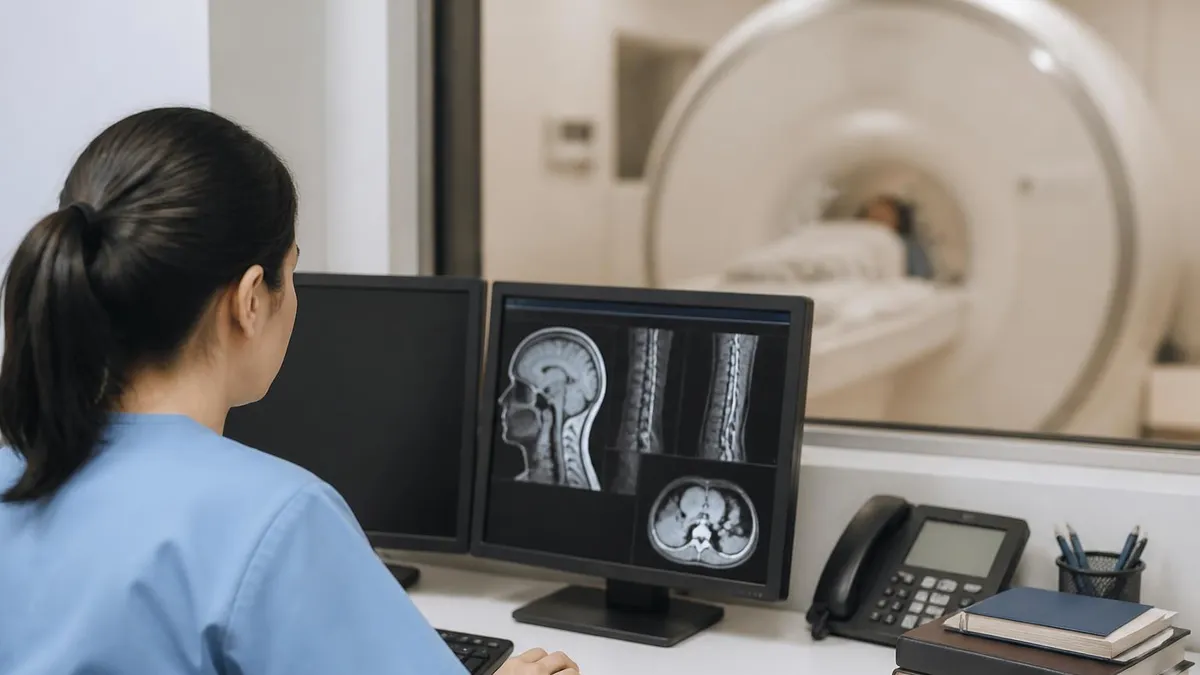
Steps to Become an MRI Technician
- ✓Earn a high school diploma with strong biology, physics, and math grades
- ✓Enroll in a JRCERT-accredited radiography or MRI program
- ✓Complete all required clinical competencies during the program
- ✓Pass the ARRT(R) primary exam (or ARRT(MR) direct route if your program qualifies)
- ✓Apply for state licensure if your state requires it
- ✓Add the ARRT advanced MRI certification or ARMRIT credential
- ✓Apply to hospitals, outpatient imaging centers, or mobile MRI companies
- ✓Maintain CE credits and renew your registration on schedule
Once you start applying, expect a mix of competency exams and behavioral interviews. Hospitals usually give you a written test covering basic physics, safety, and protocol selection. Some bring you into the scan room to observe how you handle a patient hand-off and a quick positioning task. Honesty matters here: if you have never scanned a cardiac patient, say so. Lying gets caught the first time a charge nurse asks you to run a stress MRI and you freeze.
Salary negotiation comes down to certifications, modalities, and shift willingness. A tech who is ARRT(R)(MR)(CT) and willing to work weekends will out-earn a single-modality tech with the same years of experience by $15,000 or more. Travel agencies pay premiums for stroke-certified techs and those comfortable with 3T scanners, cardiac MRI, or pediatric sedation cases.
Networking matters even in a credentialed field. Local ARRT chapters host quarterly meetings, and vendor user-group conferences are a goldmine for job leads. Many MRI techs land their second and third jobs through people they met at a Siemens or GE applications workshop rather than through job boards.
Sub-specialty experience is another multiplier. Cardiac MRI, breast MRI, prostate MRI, and pediatric MRI each have dedicated protocols and smaller hiring pools. A tech fluent in cardiac MRI can often name their shift, their location, and their pay.
Beyond pure pay, benefits matter more than students usually realize during their first job hunt. Hospital systems often offer better retirement matching, tuition reimbursement for advanced credentials, and parental leave than outpatient chains. Travel agencies usually have higher hourly rates but no employer-sponsored retirement and limited paid time off, so you build savings differently. Run the full math, not just the headline wage.
Is MRI Tech the Right Career for You?
- +Above-average pay with no four-year degree required
- +No ionizing radiation exposure during scans
- +Strong job security and steady nationwide demand
- +Variety of work settings: hospitals, outpatient, mobile, travel
- +Clear advancement paths into lead tech, safety officer, or applications specialist roles
- +Predictable shift schedules in most outpatient centers
- −Physically demanding: lots of standing, lifting, and patient transfers
- −High responsibility for magnet safety; a single mistake can be lethal
- −Claustrophobic patients and pediatric cases can be emotionally draining
- −On-call shifts in hospitals can disrupt sleep
- −Continuing education and license renewals add ongoing paperwork
- −Initial certification path takes 2 to 3 years of study and clinical hours
Career growth from the staff tech role can move in several directions. Lead MRI tech roles pay 10 to 20 percent more and include scheduling, protocol development, and new-hire training. MRI safety officer certifications through the ABMRS open doors at large academic centers, and the role often comes with a salary bump and reduced patient load. Vendor applications specialist jobs at Siemens, GE, and Philips pay six figures, involve travel, and are coveted by techs who want to step away from direct patient care.
If you enjoy teaching, program coordinator and clinical instructor positions at community colleges or hospital-based programs combine bedside work with classroom time. Many full-time educators still scan one or two days a week to keep their skills sharp. For techs who prefer technical depth, a research role at a university hospital may involve developing new sequences, running clinical trials, or supporting cutting-edge applications like functional MRI and spectroscopy.
The bottom line is that MRI offers a stable, well-paid healthcare career with room to specialize. The training is real, the responsibility is significant, and the daily work mixes science with human contact in a way few jobs do. Whether you stay at the console for 30 years or use it as a launchpad into management, vendor work, or advanced practice, the credential travels with you.
Burnout is real in this field. MRI work is physically and mentally demanding, and the 24/7 nature of hospital imaging grinds people down. Most techs who stay long-term build deliberate boundaries around overtime, on-call coverage, and weekend shifts, often rotating through different settings during their career.
Mentorship is another factor that pays dividends across a career. Find a senior tech who is willing to review your difficult cases, talk through tough patients, and explain why their protocols evolved the way they did. Most experienced techs are happy to share once they see you taking the work seriously. That informal coaching often beats expensive continuing education courses, and the relationships you build in your first three years tend to follow you for decades.
MRI Questions and Answers
Before you sign up for any program, talk to a working MRI tech. Most are happy to chat for ten minutes if you reach out through LinkedIn or visit an outpatient imaging center during a slow afternoon. Ask about their schedule, their pay, their biggest frustrations, and what they wish they had known before starting school. You will learn more from one honest conversation than from a dozen recruiter pages.
If the work still appeals after that reality check, your next move is to shortlist three JRCERT-accredited programs within commuting distance, attend an info session, and sit in on a clinical day if the school allows it. Spending a few hours in the scan room before you commit two years of your life will tell you whether the magnet's hum, the cold scanner suite, and the steady stream of patients feels like home. For most techs who stay in the field a decade or longer, the answer was clear from that first visit.
Treat your career as a portfolio rather than a single job, and the field tends to give back as much as you put in. The credential opens doors, and you decide which ones to walk through. Talk to working techs, visit a scan suite, and trust your gut after that first real look.
About the Author

Medical Laboratory Scientist & Clinical Certification Expert
Johns Hopkins UniversityDr. Sandra Kim holds a PhD in Clinical Laboratory Science from Johns Hopkins University and is certified as a Medical Technologist (MT) and Medical Laboratory Scientist (MLS) through ASCP. With 16 years of clinical laboratory experience spanning hematology, microbiology, and molecular diagnostics, she prepares candidates for ASCP board exams, MLT, MLS, and specialist certification tests.
Join the Discussion
Connect with other students preparing for this exam. Share tips, ask questions, and get advice from people who have been there.
View discussion (8 replies)