
MRI Masters Degree: Complete Guide to Graduate MRI Education 2026 September
Complete guide to MRI masters degrees covering programs, 📚 admission requirements, career outcomes, advanced specializations, and education pathways
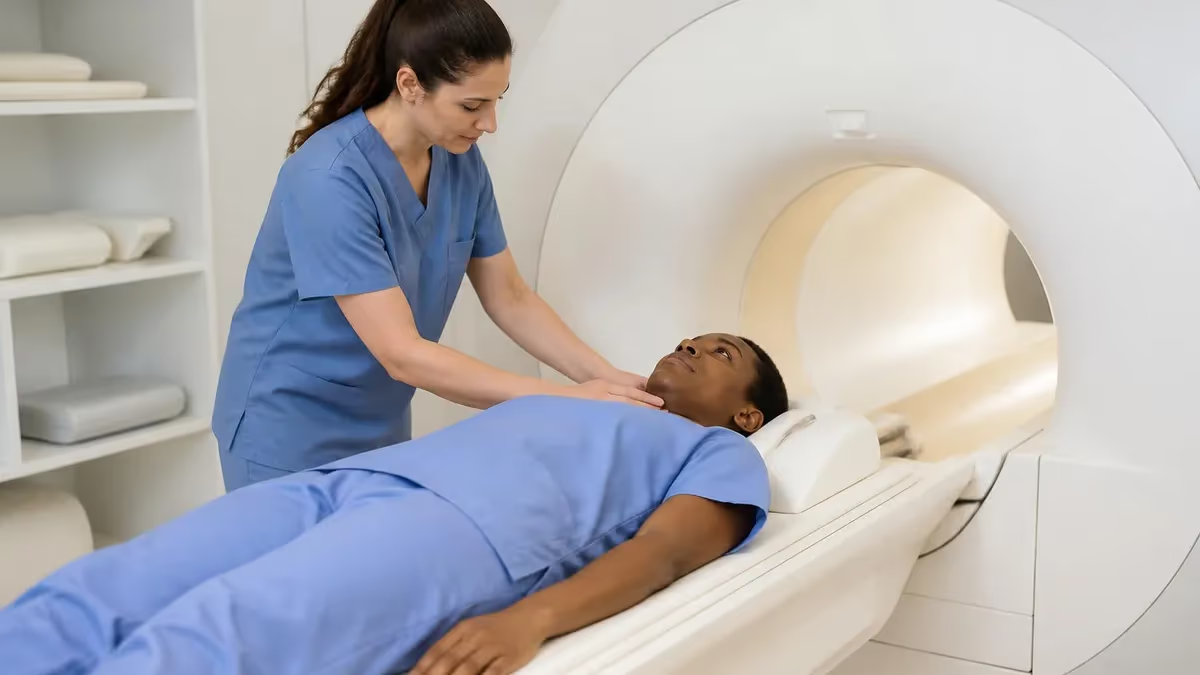
MRI masters degrees provide advanced education for experienced MRI technologists pursuing leadership, education, research, and specialized clinical roles beyond entry-level technologist work. The masters education extends initial MRI training through deeper theoretical knowledge, research methods, and specialized clinical applications. Understanding masters program options, admission requirements, and career outcomes supports informed decisions for MRI professionals considering this educational investment in their careers.
Career advancement opportunities through MRI masters education include various roles beyond bench technologist work. Lead technologist positions provide supervisory roles overseeing other technologists. Educational positions teach future MRI technologists in academic programs. Research positions support MRI clinical research and protocol development. Sales and applications roles with MRI manufacturers leverage clinical expertise in business contexts. Various other advanced positions become accessible with masters preparation supporting career growth beyond initial technologist roles.
Program structures for MRI masters degrees vary across institutions. Some programs focus specifically on MRI advanced practice supporting clinical specialization. Others offer broader medical imaging or radiologic sciences masters incorporating MRI alongside other imaging modalities. Health sciences masters programs sometimes include MRI specialty tracks. Each program type produces different specific outcomes affecting career direction. Researching specific programs before committing supports identifying optimal match between program characteristics and individual career goals.
Specific program providers include various universities offering accredited MRI masters education. Major university radiologic sciences programs serve substantial student populations. Specialized health sciences universities focus exclusively on healthcare education. Online-focused universities offer flexible programs supporting working students. Each provider has specific strengths affecting student experience. Researching specific institution reputation and program characteristics supports informed program selection beyond just general accreditation verification.
Healthcare system trends affect MRI masters program value through industry evolution. Aging population produces increasing imaging demand. New MRI applications expand clinical use. Quality and safety initiatives produce demand for advanced practice MRI professionals. Reimbursement changes affect imaging department economics. The various trends generally support continued demand for advanced MRI professionals though specific market conditions vary across geographic regions and healthcare systems affecting individual career opportunities.
Professional association involvement supports career development alongside masters education. Society for MRI Radiographers and Technologists provides specialty support. American Society of Radiologic Technologists represents broader radiologic technology profession. International Society for Magnetic Resonance in Medicine supports research and academic engagement. Active involvement in associations supports career development through networking, continuing education, and professional engagement beyond just immediate educational and clinical work.
Travel MRI technologist positions represent unique career path leveraging MRI expertise for flexible employment. Travel positions typically pay premium rates compared to permanent positions while providing varied experience across multiple facilities. Travel agencies coordinate placement, housing, and various other logistics. The travel option appeals to MRI professionals wanting variety, premium income, or specific lifestyle flexibility. Some MRI professionals combine travel work with periods of permanent employment supporting different life phases and career goals.
MRI masters degrees support career advancement beyond entry-level technologist roles. Programs typically span 2 years requiring bachelor degree prerequisite. Career outcomes include lead technologist, educator, researcher, and various advanced clinical roles. Tuition typically ranges from $20,000 to $80,000 depending on institution. Online and hybrid program options accommodate working technologists.
MRI masters education represents substantial career investment producing long-term career benefits through diverse advancement opportunities across various specialty areas and professional roles.
Admission requirements typically include bachelor degree from accredited institution, current MRI technologist certification, satisfactory undergraduate GPA usually 3.0 or higher, clinical experience as MRI technologist, letters of recommendation, personal statement explaining career goals, and possibly GRE scores though many programs have eliminated this requirement. Some programs require interviews evaluating candidate fit. The accessible admission requirements support working MRI technologists pursuing advancement without extreme academic prerequisites beyond reasonable undergraduate performance.
Curriculum content covers advanced MRI topics beyond initial technologist education. Advanced physics covers underlying MRI physics in greater depth. Advanced imaging techniques explore specialized sequences and applications. Research methods support evidence-based practice and research participation. Leadership and management content prepares graduates for supervisory roles. Educational theory supports those pursuing teaching careers. Various other specialty content supports specific clinical interests beyond just general MRI knowledge.
Application materials typically include transcripts, recommendation letters, personal statement, professional experience documentation, and possibly other materials. Strong application materials substantially affect admission to competitive programs. Personal statements explaining career goals and motivation for masters education matter substantially. Recommendation letters from supervisors and faculty support application strength. Professional experience documentation demonstrates clinical capability foundation for graduate-level work in MRI advanced practice.
Quality assurance roles represent specific career path after masters education. Quality assurance technologists oversee MRI department quality processes including image quality, protocol compliance, equipment performance, and various other quality factors. The quality focus provides specific specialization beyond just general clinical work. Some facilities have dedicated quality positions while others integrate quality functions with other responsibilities. Quality-focused career path produces specific impact on imaging department operations supporting overall service quality.
Per diem and PRN positions support flexible MRI work supplementing other employment or providing primary income through irregular scheduling. Per diem rates typically exceed regular employment hourly rates without benefits. The flexible scheduling supports MRI professionals managing complex life circumstances. Some facilities rely heavily on per diem staff while others maintain primarily permanent workforce. The flexible employment option supports specific career needs beyond just traditional employment arrangements.
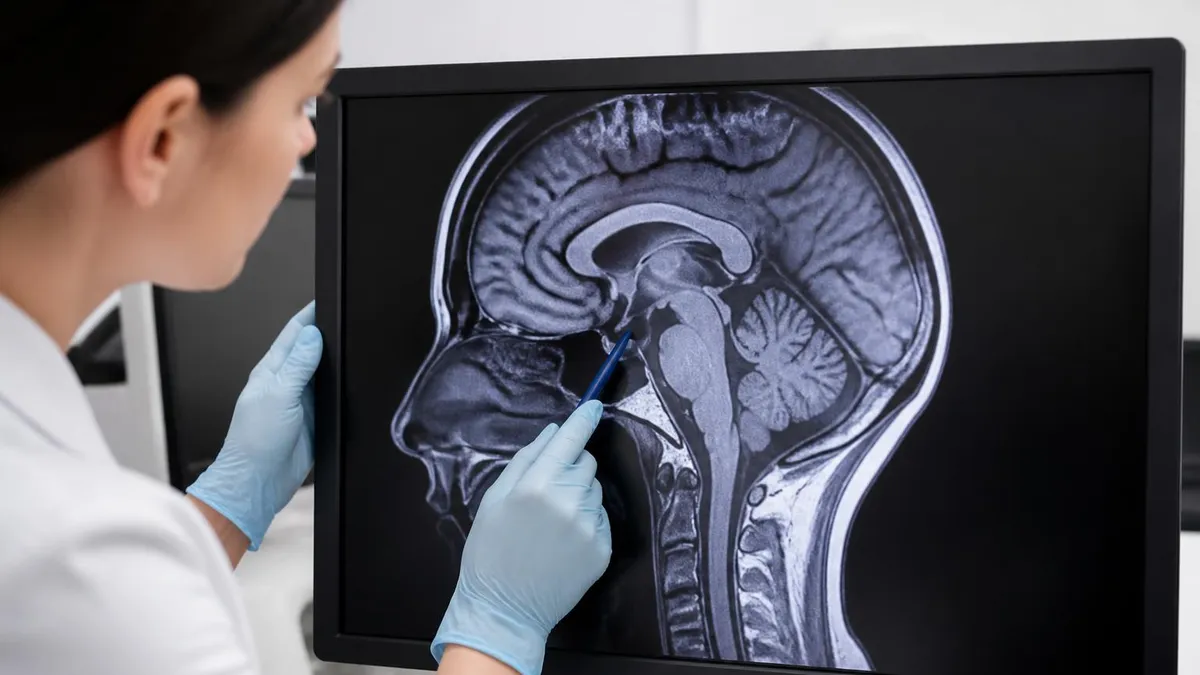
MRI Masters Career Paths
Supervisory role overseeing MRI technologist teams, scheduling, quality assurance, and various operational aspects of MRI departments. Specific career outcomes vary across individuals based on personal initiative and market conditions.
Teaching positions in MRI educational programs at colleges and universities preparing future MRI technologists for clinical practice. Specific career outcomes vary across individuals based on personal initiative and market conditions.
Clinical research positions supporting MRI protocol development, technology evaluation, and various other research applications across medical centers. Specific career outcomes vary across individuals based on personal initiative and market conditions.
Manufacturer roles supporting MRI system implementation, training, and clinical applications development for MRI equipment vendors. Specific career outcomes vary across individuals based on personal initiative and market conditions.
Management positions overseeing imaging departments, multiple modalities, or specific MRI service lines within larger healthcare organizations. Specific career outcomes vary across individuals based on personal initiative and market conditions.
Specialized clinical roles including cardiac MRI, breast MRI, neuro MRI, and various other specialty applications requiring advanced expertise. Specific career outcomes vary across individuals based on personal initiative and market conditions.
Specialty options within MRI masters programs support various career directions. Cardiac MRI specialization focuses on cardiac imaging including stress testing and various cardiac applications. Neuro MRI specialization addresses brain and spine imaging. Musculoskeletal MRI focuses on joint and bone imaging. Body MRI covers abdominal and pelvic imaging. Breast MRI specialization supports cancer screening and evaluation. Pediatric MRI addresses unique aspects of imaging children. Each specialty produces different specific expertise affecting subsequent career direction.
Program format options support various student situations. Online programs provide flexibility for working technologists unable to attend traditional in-person programs. Hybrid programs combine online theoretical work with in-person clinical or research components. Traditional in-person programs offer immersive academic experience for full-time students. Each format has advantages affecting specific student situations. Most working MRI technologists prefer online or hybrid formats supporting continued employment during education.
Time commitment for MRI masters study requires substantial weekly hours. Most programs require 10 to 20 hours weekly for coursework, reading, assignments, and project work. Capstone projects in final semesters require additional time investment. Combined with full-time work and family responsibilities the substantial time demand challenges work-life-school balance. Realistic time commitment planning before starting program supports sustainable completion approach throughout demanding program duration.
MRI safety officer roles emerged as MRI safety received increasing attention. Designated MRI safety officers oversee facility MRI safety programs including policies, procedures, training, and incident management. The specialized role addresses critical safety considerations beyond just clinical operations. ACR Designated MRI Medical Director and MRI Safety Officer designations provide formal recognition. The safety role supports career path leveraging MRI expertise for safety leadership beyond just clinical practice.
International MRI work supports specific career opportunities for adventurous MRI professionals. Some countries actively recruit foreign MRI technologists. Cultural and language considerations affect specific international opportunities. Compensation, working conditions, and various other factors vary substantially across countries. The international option supports professional development and cultural experiences beyond just domestic career options though requires substantial preparation and adjustment to different healthcare systems and cultural contexts.
MRI Masters Program Considerations
Career goal clarity supports program selection matching specific career directions. Educator-bound students should choose programs with strong education tracks. Research-bound students need research-focused programs. Clinical specialization requires programs offering relevant specialty tracks. Management-focused students benefit from programs including substantial leadership content. Matching program characteristics with career goals produces better outcomes than choosing generic programs without specific career alignment.
Each consideration aspect affects individual student experience supporting informed program selection matching personal circumstances and goals.
Cost considerations affect program selection substantially. Public university programs for in-state students typically offer best value. Private programs and out-of-state public programs typically cost more. Online programs sometimes offer competitive pricing supporting cost-effective advancement. Employer tuition assistance covers substantial costs for many working technologists. Some hospitals offer specific advancement programs supporting nurse, technologist, and various other professional advancement through partial or full tuition coverage.
Financial aid options include federal student loans, employer tuition assistance, scholarships specifically for MRI or radiologic technology students, and various other support. Federal student loans typically support graduate education though produce debt requiring post-graduation repayment. Employer tuition assistance benefits substantial portion of total costs reducing personal financial burden. Various scholarships specifically supporting radiologic technology graduate students provide additional support though typically with modest amounts. The combined financial aid options support most students managing substantial program costs.
Networking opportunities through MRI masters programs build connections beyond just classroom learning. Classmates may become future colleagues at various imaging centers. Faculty develop professional relationships supporting recommendations and collaboration. Professional associations involvement during education builds networks before graduation. The relationship building substantially affects post-graduation career launching beyond just academic credentials supporting opportunities through personal connections.
Specialty manufacturer relationships affect specific career opportunities. MRI equipment manufacturers including GE Healthcare, Siemens Healthineers, Philips, and various others offer career opportunities. Clinical applications specialist roles support customer training and implementation. Sales positions leverage clinical expertise. Research and development positions support technology advancement. The manufacturer career path leverages MRI expertise in industry contexts beyond just clinical practice.
Verify program accreditation before enrolling in any MRI masters program. Accreditation through Joint Review Committee on Education in Radiologic Technology or similar bodies supports educational quality and credential portability. Non-accredited programs may not qualify graduates for various professional opportunities or advancement positions. The accreditation verification represents fundamental requirement before substantial educational investment.
Plan financial approach including employer benefits, loans, and personal savings before commitment supporting sustainable financial management across program duration.
Career outcomes for MRI masters graduates show substantial advancement opportunities though specific outcomes depend on individual circumstances. Many graduates pursue lead technologist or supervisor positions in their current facilities. Some transition to educator roles in MRI programs. Others enter research positions in academic medical centers. Some pursue management positions overseeing imaging departments. Various other career paths open with masters credential. The diverse opportunities support various career directions matching individual interests and goals.
Salary considerations after masters completion show modest immediate increases though career advancement opportunities support substantial long-term salary growth. Entry-level MRI technologist salaries range from 55,000 to 75,000 dollars annually. Lead technologists earn 75,000 to 95,000 dollars. Educators earn 60,000 to 100,000 dollars depending on institution. Managers earn 90,000 to 140,000 dollars or more in larger health systems. Research positions vary substantially. The salary growth potential supports masters investment though specific income depends on chosen career direction.
Continuing professional development beyond masters supports career evolution. Specialty certifications including cardiac MRI, breast MRI, and various other certifications support specialized practice. Industry conferences provide ongoing education and networking. Online courses support specific skill development. The continuing learning environment supports career-long development beyond just masters degree representing important investment for sustained career advancement across various specialty areas.
Choosing MRI Masters Program
- ✓Verify program accreditation through appropriate accrediting bodies before any other consideration
- ✓Clarify your career goals identifying whether teaching, research, management, or specialized clinical work appeals most
- ✓Compare program format options including online, hybrid, and traditional matching your work and life needs
- ✓Research total program costs including tuition, fees, and any in-person requirements
- ✓Investigate employer tuition assistance benefits supporting financial planning for education
- ✓Talk to current students and recent graduates about their program experiences and outcomes
- ✓Visit campus if program includes in-person components evaluating facility quality and culture
- ✓Connect with professional associations supporting career development during and after masters education
- ✓Plan career goals beyond masters identifying continuing professional development needs across years of practice
Application timing considerations affect specific program enrollment. Fall start dates represent most common cohort beginning with application deadlines typically in winter or spring. Some programs offer multiple start dates supporting various timing preferences. Application materials including transcripts, recommendations, and personal statements take time to gather. Planning application 6 to 12 months before desired start date supports timely application submission without rushing during demanding period before starting school.
Capstone projects represent culminating work in many MRI masters programs. Common project types include clinical research studies, quality improvement initiatives, educational curriculum development, leadership analysis projects, and various other substantial work demonstrating masters-level competence. Some projects integrate with current employment supporting practical relevance. Others address purely academic questions. The capstone investment typically spans final 1 or 2 semesters representing substantial culminating effort beyond just course completion.
Mentorship relationships throughout masters and beyond support professional development. Faculty mentors during program provide academic guidance. Workplace mentors provide practical context for academic learning. Industry mentors support career direction decisions. Peer mentors among classmates and colleagues support shared development. The mentorship investment produces ongoing professional development support throughout careers extending beyond just specific program completion.
Continuing education for MRI professionals continues throughout careers regardless of masters education. ARRT certification renewal requires continuing education hours every 2 years. State licensure renewal has additional continuing education requirements. Hospital privileges may require ongoing competence demonstration through specific training. The continuing education environment continues throughout careers extending beyond just masters degree completion supporting career-long professional development across various specialty areas and emerging MRI technology.
Doctoral education in radiologic sciences represents advanced option beyond masters for specific career paths. Doctor of Radiologic Sciences programs prepare graduates for senior research and academic positions. Doctoral education typically requires 3 to 5 years beyond masters preparation. The substantial additional investment supports specific career directions in academic research or senior administrative positions. Most MRI professionals stop at masters level though doctoral options exist for those pursuing specific advanced careers.
Personal motivation maintenance during demanding program supports successful completion. Combined work, education, and family responsibilities produce substantial stress. Maintaining motivation through difficult periods supports continued progress. Recognizing challenges as normal rather than personal failure supports persistence. Building support networks among classmates, family, and colleagues supports motivation maintenance through challenging program periods.
MRI Masters Statistics
MRI Specialty Areas
Specialized cardiac imaging including stress testing, structural assessment, and various cardiac applications. Premium specialty with strong demand. Specific career outcomes vary across individuals based on personal initiative and market conditions.
Brain and spine imaging including stroke evaluation, tumor assessment, and various neurological applications across academic and clinical settings. Specific career outcomes vary across individuals based on personal initiative and market conditions.
Joint, bone, and soft tissue imaging supporting orthopedic and sports medicine applications across various clinical settings and patient populations. Specific career outcomes vary across individuals based on personal initiative and market conditions.
Abdominal and pelvic imaging supporting evaluation of various organ systems and clinical conditions across diverse patient populations. Specific career outcomes vary across individuals based on personal initiative and market conditions.
Specialized breast imaging supporting cancer screening for high-risk patients and evaluation of suspected breast conditions identified through other imaging. Specific career outcomes vary across individuals based on personal initiative and market conditions.
Specialized imaging for children addressing unique anatomical and developmental considerations across various pediatric medical conditions. Specific career outcomes vary across individuals based on personal initiative and market conditions.
Online program quality has improved substantially supporting working technologists pursuing advancement through flexible scheduling. Major universities now offer accredited online MRI masters programs leveraging institutional reputation. Some online programs specifically target working radiologic technologists supporting their specific advancement needs. The format flexibility represents major advantage over traditional in-person programs requiring fuller commitment than working professionals typically can provide while continuing employment.
Specialty certifications complement masters degrees for many MRI professionals. ARRT Cardiac Interventional Radiography certification supports cardiac imaging. Various other specialty certifications support specific clinical areas. Combining masters education with specialty certifications produces strongest professional credentials supporting career advancement and specialized practice. The certification investment beyond initial credential maintenance supports premium career positioning for committed professionals.
Career planning for MRI professionals benefits from long-term perspective considering multiple career stages. Initial technologist work builds clinical foundation. Mid-career advancement through masters education opens expanded opportunities. Senior career positions including management, education, or specialized practice support career evolution. The progressive career path supports sustained engagement across decades of professional work beyond just initial career launching producing meaningful career arcs.
Investment in MRI masters education produces substantial career value when matched with effective career planning and sustained professional engagement supporting long-term career success across decades of professional practice in this growing healthcare imaging field.
Career advancement through masters education represents key transition point for MRI professionals committed to long-term career growth across various advanced roles.
Continued growth opportunities support sustained professional engagement across MRI career.
MRI field continues evolving creating ongoing opportunities.
MRI Masters Considerations
- + —
- + —
- + —
- + —
- + —
- + —
- − —
- − —
- − —
- − —
- − —
- − —
MRI Questions and Answers
About the Author

Medical Laboratory Scientist & Clinical Certification Expert
Johns Hopkins UniversityDr. Sandra Kim holds a PhD in Clinical Laboratory Science from Johns Hopkins University and is certified as a Medical Technologist (MT) and Medical Laboratory Scientist (MLS) through ASCP. With 16 years of clinical laboratory experience spanning hematology, microbiology, and molecular diagnostics, she prepares candidates for ASCP board exams, MLT, MLS, and specialist certification tests.
Join the Discussion
Connect with other students preparing for this exam. Share tips, ask questions, and get advice from people who have been there.
View discussion (8 replies)