
Mastering the Police Math Test: Tips, Tricks, and Preparation
Preparing for the Police Math Test? This comprehensive guide provides tips and resources to help you ace your police exam math questions and improve your p

For anyone looking to join law enforcement, passing the police math test is often one of the most critical hurdles. While some candidates might find math intimidating, understanding the test structure and practicing the right questions can greatly improve your chances of success. In this article, we will dive into the essentials of the police math test, offer tips for preparation, and direct you to helpful resources for practice.

FREE Police Officer Crime and Punishment Questions and Answers
Free Police Officer practice test covering free police officer crime and punishment questions and answers. Prepare for the exam with targeted practice questions.

FREE Police Officer Entrance Questions and Answers
Police Officer exam practice questions on free police officer entrance questions and answers. Test your knowledge and boost your confidence.

FREE Police Officer MCQ Questions and Answers
Practice Police Officer questions focusing on free police officer mcq questions and answers. Essential review for your certification exam.

FREE Police Officer Questions and Answers
Police Officer test prep covering free police officer questions and answers. Master key concepts and improve your exam readiness.

FREE Police Officer Trivia Questions and Answers
Review free police officer trivia questions and answers with this Police Officer practice quiz. Strengthen your understanding before exam day.

FREE Police Officer Vocabulary Questions and Answers
Police Officer sample questions on free police officer vocabulary questions and answers. Build your skills and prepare effectively for the exam.
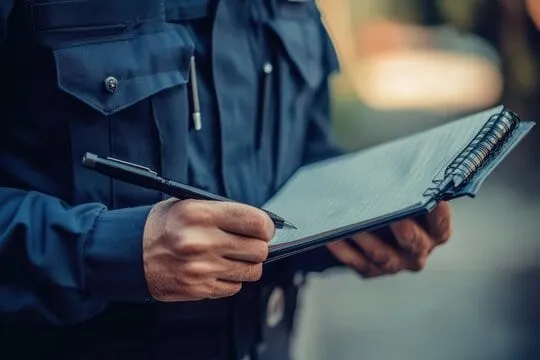
Understanding the Police Math Test
The police math test evaluates your ability to solve mathematical problems related to everyday scenarios that officers might encounter. The test typically includes basic arithmetic, word problems, percentages, ratios, and measurements, all designed to assess your analytical skills under pressure. You don’t need to be a math genius to pass this test, but a strong grasp of fundamental math concepts is crucial.
The police math test is not just about numbers; it’s about problem-solving in high-stress environments. Officers may need to calculate distances, times, or even handle financial transactions accurately during investigations. This is why the test is designed to reflect real-world scenarios that require mathematical thinking.
Common Topics on the Police Math Test
Basic Arithmetic
Addition, subtraction, multiplication, and division are the core of any math test. For police officers, these skills are needed for tasks such as calculating speed or dividing resources among individuals.
Word Problems
A large portion of the test will involve word problems that challenge you to extract numerical information from a written scenario. These problems test your ability to reason and apply mathematical principles to real-world situations.
Percentages and Ratios
You will often encounter questions on percentages, such as determining discounts, taxes, or the percentage of a total amount. Ratios and proportions are also common, as they help officers make decisions based on ratios of suspects, resources, or crime statistics.
Measurement and Conversion
Questions on converting units, such as distance, weight, or volume, are a key part of the test. Understanding how to measure distances (e.g., yards to feet) or weight (e.g., ounces to pounds) is critical in situations such as investigating accidents or managing evidence.
Time and Speed Calculations
Law enforcement officers often need to make quick decisions about time and speed. This could be calculating the speed of a vehicle or determining how long it will take to reach a destination. This section of the test assesses your ability to apply time and distance formulas effectively.
Tips for Acing the Police Math Test
Familiarizing yourself with the format of the Police Math Test is crucial. Take practice tests to understand the types of questions asked and get used to the time constraints. For example, a typical test may consist of 30-40 questions that need to be completed within a set time, so practice pacing yourself.
2. Brush Up on Basic Math Skills
Even if you’re confident in your math skills, it’s always a good idea to review the fundamentals. Make sure you’re comfortable with basic arithmetic, conversions, and time calculations. The better you are at performing basic operations, the faster and more accurately you’ll complete the test.
3. Use Practice Tests
The best way to prepare for the Police Math Test is by taking practice exams. You can find numerous practice tests online that simulate the real exam. These tests will help you familiarize yourself with the types of math problems you’ll encounter, as well as build confidence. Check out resources like police exam math questions for more practice.
4. Stay Calm and Focused
Math tests can be stressful, but it’s important to stay calm and focused. If you don’t know the answer to a question right away, skip it and move on. You can always come back to it later. Remaining calm will help you think more clearly and solve problems more efficiently.
Why Is Police Math Important?
The ability to solve math problems accurately is crucial for police officers. In addition to the practical applications, such as calculating vehicle speeds or analyzing evidence, math skills are necessary for officers to complete various administrative tasks. These include managing budgets, calculating shifts, understanding crime statistics, and interpreting reports. Police math tests ensure that candidates possess the analytical skills necessary to perform these duties effectively.
For example, an officer may need to calculate the time it would take for a suspect to travel a certain distance, or they might need to convert measurements in an accident report. These scenarios highlight the importance of being comfortable with basic math concepts.
Useful Resources
If you’re looking for more resources to help you prepare for the Police Math Test, consider these helpful links:
NPOST Police Test: Prepare for the National Police Officer Selection Test with this comprehensive guide.
National Testing Network Police Test: Learn more about the National Testing Network and how their police test can help you prepare for your career in law enforcement.
How Practice Tests Help Improve Your Performance
Practice tests are essential because they not only help you get comfortable with the test format, but they also enable you to identify areas where you may need improvement. After each practice test, review your mistakes and try to understand why you missed those questions. This reflection is key to turning weaknesses into strengths.
For example, if you struggle with word problems, spend extra time working through similar problems. If you’re unsure about time and speed calculations, seek out more questions on those topics and practice until you feel confident.

Conclusion
While the police math test might seem challenging at first, it’s important to remember that with the right preparation, anyone can succeed. By reviewing basic math skills, practicing word problems, and familiarizing yourself with the test format, you’ll increase your chances of passing the test with flying colors.
Make sure to take advantage of available practice tests and resources to get comfortable with the material. Remember, preparation is the key to success, and with the right mindset and tools, you’ll be ready to face the police math test with confidence.